





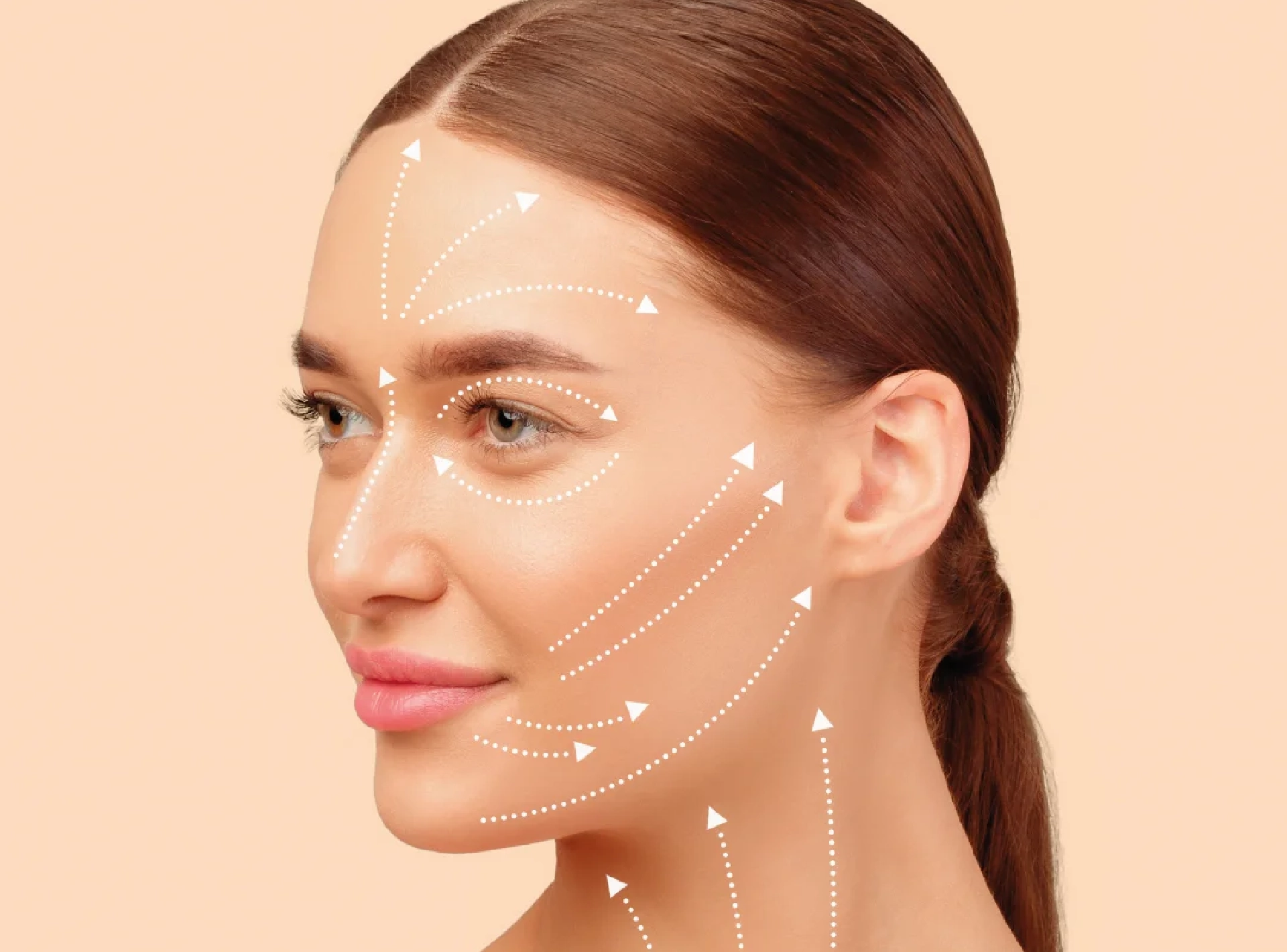
To combat the signs of aging in the face and neck, a rhytidectomy, also known as a facelift, is helpful. In order to attain a more youthful, natural appearance, people who struggle with unsightly wrinkles, jowls, and sagging skin frequently choose to undergo this procedure.
It’s crucial to understand both the surgical process and the post-operative protocol if you’re thinking about getting a facelift. The recovery period from a facelift is significantly shorter, even though the final results might not be seen for several months.
Since recovery times depend on a number of variables, including age, health, and the type of procedure, it is challenging to provide an exact figure. However, the outcome of your facelift will be significantly impacted by your understanding of what to anticipate and your adherence to your surgeon’s postoperative care instructions.
This 30-day facelift recovery guide will help you understand what to anticipate from a normal recovery period.
Facelift In Dubai
Facelift In Dubai is a common cosmetic procedure intended to address obvious signs of aging on the face and neck in order to restore a youthful, refreshed appearance. Sagging skin, deep wrinkles, jowls, and a loss of facial definition brought on by aging, sun exposure, and lifestyle choices are all successfully reduced by this surgical procedure. Due to its state-of-the-art medical facilities, highly skilled plastic surgeons, and global standards of patient care, Dubai has emerged as a top destination for facelift procedures. In order to achieve natural-looking, long-lasting results rather than an over-pulled appearance, a facelift tightens the underlying facial muscles, realigns tissues, and removes extra skin. Whether a person wants more dramatic correction or subtle rejuvenation, the procedure can be tailored to their unique facial structure and aesthetic objectives. Modern surgical methods, thorough pre- and post-operative care, and individualized consultations are all advantages for patients getting a facelift in Dubai. Swelling and bruising are common during recovery, but they usually go away over a few weeks, revealing firmer, smoother skin and better facial contours. Facelift results can last for many years with the right aftercare, giving people a more youthful appearance without sacrificing their natural facial features. Selecting a skilled surgeon and a respectable clinic in Dubai guarantees secure care, elegant results, and increased self-assurance via a refreshed facial appearance.
Facelift Recovery Week 1
In order to prevent infection during this period, you must ensure that you are adhering to postoperative incision care and maintaining their cleanliness.
Day 1: You might feel drowsy and unsteady after surgery. On your first night home, you should have arranged for family and friends to drive you home and take care of you. You typically need painkillers the most on the first day to manage your discomfort.
Day 2: Around this time, your surgeon will arrange a follow-up appointment. In addition to assessing your wounds and swelling, they will take off or replace your surgical dressings. The surgeon will redress the area, go over postoperative care once more, and send you home if everything appears to be normal.
Day Three: On this day, rest is advised, but you should begin to feel better and want to move around. Swelling and bruises typically peak between days three and four, but they will probably persist for a few more weeks. If you feel uncomfortable, keep taking your medication.
Days 4–6: Most people no longer require prescription painkillers by this point. The swelling should begin to decrease. Additionally, you should begin to move around more easily. If you feel well enough, you can often do some light housework.
BOOK AN APPOINTMENT TODAY
Facelift Recovery Week 2
Days 7–14: You’ll probably still have some bruising and swelling around the afflicted areas during this week. Some people may also feel some tightness, tingling, and numbness as a result of swelling and bruises. After a facelift, all of these are typical and shouldn’t worry you. Many people are feeling like themselves by the end of the second week following surgery, and they are prepared to resume their jobs and engage in mild activities like walking.
Facelift Recovery Weeks 3 And 4
Days 15–30: Depending on your specific procedure and your healing process, your sutures may be removed anywhere from the end of the first week to the third week. You may still experience some residual tightness and swelling at weeks three and four, but overall, you will start to feel and look much better. Patients frequently start to notice significant improvements in their facial contour at this point. You can resume exercising and engaging in other activities at this point without anyone noticing many, if any, visible signs of your procedure. The pinkish-red color of the incision sites will eventually go away.
What To Expect After Day 30
You should be able to resume your regular activities and enjoy your new appearance one month after the procedure. Very slight bruising, tightness, numbness, and swelling may not appear for up to a year, but they are usually only felt by you.
Remember that the timeframes shown above are merely very broad. Everybody will have a different experience, and you should always do as your plastic surgeon instructs. The easiest recoveries and best results are typically experienced by those who do their homework, take the appropriate safety measures, and adhere to their surgeon’s instructions for post-operative care. It’s critical to keep in touch with your surgeon at every stage. If you have any symptoms that you believe are unusual, ask them questions and let them know.
MEET THE EXPERT DOCTOR
FAQs
How Long Does Facelift Recovery Take?
Facelift recovery is a gradual process that typically takes 4 to 5 weeks, with full healing lasting several months. Patients may experience swelling, bruising, and mild discomfort during the first week of recovery, which is normal. Most visible swelling subsides within 11-15 days, allowing many patients to resume light daily activities. By Day 30, the face typically appears more natural and refreshed, though subtle internal healing continues. After a few months, the final results become more visible as the tissues fully settle.
What Can I Expect During The First Week After A Facelift?
The first week is the most sensitive period of recovery. Patients frequently report tightness, swelling, bruising, and mild pain, which can be treated with prescribed medications. Bandages or dressings may be applied, and stitches are typically removed within 6 to 12 days. Keeping the head elevated, avoiding strenuous activities, and following post-operative instructions are critical for successful healing at this stage.
When Can I Return To Work And Normal Activities?
Most patients can resume non-strenuous work in 11-15 days, depending on their comfort level and healing progress. Light walking is recommended early on to improve circulation, but exercise, heavy lifting, and strenuous physical activity should be avoided for at least 4-6 weeks. Your surgeon will offer personalized advice based on your recovery.
Are Swelling And Scars Permanent After A Facelift?
Swelling is only temporary and will subside over the course of several weeks. Minor swelling can last for a few months but is usually unnoticeable. Scars are carefully placed along natural creases or hairlines, and they fade with time. With proper care, they usually become thin and discreet, blending in with the surrounding skin.
How Can I Speed Up Facelift Recovery?
Following your surgeon’s aftercare instructions is the most effective way to ensure a speedy recovery. This includes keeping incisions clean, not smoking or drinking alcohol, eating a healthy diet, staying hydrated, and attending follow-up appointments. Adequate rest and sun protection are also important for achieving the best, longest-lasting facelift results.
Is Facelift Recovery Painful?
Facelift recovery is usually manageable, rather than painful. Most patients experience mild to moderate discomfort, tightness, or soreness for the first few days, which can be easily managed with prescribed pain medication. As swelling decreases, comfort improves rapidly, making recovery easier and more bearable.
Best Plastic Surgeon In Dubai For Facelift
Best Plastic Surgeon In Dubai for facelift is available at the Perfect Doctors Clinic, which is a well-known name in advanced aesthetic and cosmetic surgery that produces natural and long-lasting results. Dr. Perfect Celebrity, a highly respected and experienced plastic surgeon, is known for his ability to perform customized facelift procedures that restore youthful facial contours while preserving natural expressions. Facelift treatments at Perfect Doctors Clinic are intended to treat sagging skin, deep wrinkles, jowls, and loss of firmness caused by age, stress, and environmental factors. Dr. Perfect Celebrity uses advanced surgical techniques to precisely and carefully tighten underlying muscles, reposition facial tissues, and remove excess skin, resulting in a balanced and refreshed appearance rather than an over-pulled look. Each patient receives a personalized consultation to determine facial structure, skin condition, and aesthetic goals, allowing the procedure to be tailored for the best results. The clinic is equipped with cutting-edge technology and adheres to international safety standards, ensuring a comfortable and professional environment throughout the treatment process. Comprehensive pre-operative guidance and attentive post-operative care promote a smooth recovery and improved outcomes. With a strong emphasis on safety, artistry, and patient satisfaction, Perfect Doctors Clinic is a top choice for facelift surgery in Dubai. Dr. Perfect Celebrity’s expert hands can help patients achieve a naturally rejuvenated face, renewed confidence, and long-lasting facial harmony.