





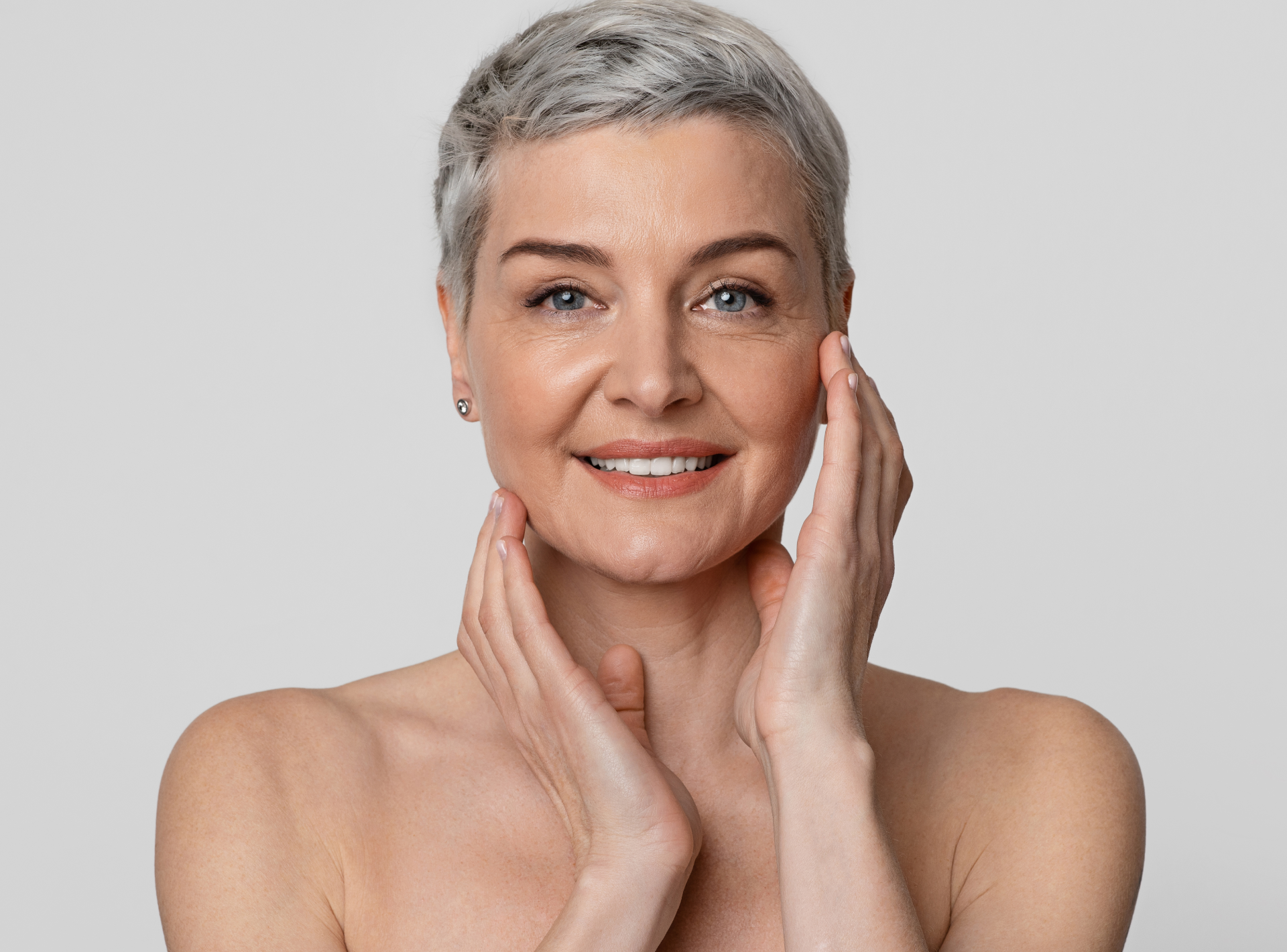
Many patients ask about thread lifts and other so-called “lunchtime procedures” for face rejuvenation. The gold standard procedure for addressing indications of aging on the face is a facelift.
Facelift In Dubai
Facelift in Dubai is a cosmetic surgical procedure designed to improve visible signs of aging in the face and neck by repositioning underlying tissues, tightening supportive structures, and removing or redraping excess skin. It may help address sagging cheeks, jowls, loose facial skin, deep folds, and reduced jawline definition. Different facelift techniques can be selected depending on facial anatomy, skin quality, degree of aging, and individual goals. The procedure is usually performed under anesthesia and requires a structured recovery period. Swelling, bruising, tightness, and temporary discomfort are common during early healing. A well-planned facelift aims to create a refreshed, balanced appearance while maintaining natural facial expressions and avoiding an overly tight or artificial-looking result.
Why is a facelift a significant surgery? The answer is based on the following:
1. General Anesthetic
The most common anesthetic used for a facelift is general anesthesia. This assures patient safety during the process. A board-certified anesthesiologist is available to closely monitor each patient from the moment you enter the operating room until you are stable and resting comfortably in the recovery area. The surgeon is then free to concentrate only on the technical performance of the surgery. Postoperative nausea is occasionally a concern for patients, but incidence has decreased with modern anesthetic procedures and anti-emetics. If you have had nausea after previous operations, it is crucial to tell the surgical and anesthetic team on the morning before surgery. The facelift in general anesthesia is the safest and most comfortable operation for the patient. This helps to keep blood pressure steady, limiting bleeding throughout the operation. Because of the sensitive nature of surgery and to reduce the risk of injury to the facial nerves and other structures, it is vital to be completely immobilized during a facelift. Considering that major surgery of a facelift involves the use of general anesthesia in an operating room environment as compared to less invasive procedures that may be performed under local anesthesia in an office visit.
2. Longer Recovery
A facelift is also considered major surgery because of the longer recovery time than after less invasive treatments. Swelling might last for months; however, the majority of swelling and bruising subsides in the first few weeks after surgery. Because the procedure is more involved, it is also vital to adjust your activity during recuperation to reduce risk of bruising or persistent swelling. May resume exercise one month post-operatively. In general, patients can return to work after a week of surgery, but it may be desirable to allow a longer period if keeping surgery a private matter.
3. Surgical Risks
The facelift carries more risk than less invasive procedures. Hazards of facelift surgery include bleeding and healing difficulties, and esthetic hazards. The early concerns include bleeding, infection, delayed wound healing, and possible harm to nearby structures, especially branches of the facial nerve. Esthetic hazards include overcorrection, undercorrection, and various wound tension-related problems such as scar migration (scar migrating down behind the ear over time) or a pixie ear deformity where the earlobe is pulled down at the location of wound tension. These linked risks pertain to a major surgery facelift. The results of a facelift are longer lasting than less intrusive procedures and treatments, but the dangers are larger.
4. Preparation Needed
Thinking about big surgery also has to do with essential preparation leading prior to surgery. Do not take any anti-inflammatories for a month before your procedure. These drugs (Advil, Aleve, Aspirin) may increase the risk of bleeding. It is also crucial to plan for a ride to and after surgery. Take time off work as needed to recover. It is also crucial to have a friend or relative stay with you for at least one day after the general anesthetic until the effects of the anesthetic have completely worn off. It is also advisable to prepare meals in advance, fill medicines, etc.
Before surgery, patients should also focus on creating a safe and comfortable recovery environment at home. Arrange frequently used items within easy reach, prepare loose and comfortable clothing, and organize a suitable sleeping area that allows the head to remain elevated. Prescribed medications should be collected in advance, and postoperative instructions should be reviewed carefully so there is no confusion after returning home. Patients should avoid smoking and alcohol as directed because both can interfere with healing and increase the risk of complications. Hydration and a balanced diet can also support recovery. It is equally important to inform the surgical team about all medications, vitamins, and supplements being taken. Proper preparation can reduce stress, improve comfort, and help patients follow recovery instructions more consistently after facelift surgery.
BOOK AN APPOINTMENT TODAY
5. Financial Investment
From a financial investment perspective, a facelift is also viewed as serious surgery. Surgical expenditures cover the surgical and anesthetic team, operating room and equipment charges, and an overnight stay in the surgical facility for monitoring. It is more pricey, but the results of a facelift are more long-lasting than less invasive procedures and may prove to be more cost-efficient than having to repeat lower invasive treatments such as facial fillers or thread lifts on a routine basis.
What Happens During a Facelift?
In order to access the underlying facial muscles and tissues, your surgeon will make meticulously planned incisions, typically around the hairline and behind the ears, during a traditional SMAS facelift. In order to establish a more youthful and smoother contour, they will elevate, reposition, and tighten these layers. This is where a skilled surgeon truly demonstrates their expertise, as their knowledge of the appropriate method for planning and contouring the skin can significantly reduce the likelihood of surgical complications. This results in a faster recovery and more natural-looking outcomes for the patient. The incisions are then closed with sutures, and any excess skin is removed.
Deep plane facelifts are slightly more intricate than SMAS facelifts; however, they are performed to achieve more natural, long-lasting results. Deep plane facelifts penetrate deeper into the skin’s layers, enabling the surgeon to reposition the SMAS layer and outer skin in tandem, resulting in a more comprehensive contour. Furthermore, the blood supply is less damaged, which facilitates faster healing, as less skin is mobilized. Nevertheless, the traditional SMAS procedure is less risky than deep plane facelifts, which necessitate deeper incisions.
Preparation: A Key Indicator of Major Surgery
It is important for patients to prepare for facelift surgery, despite the fact that they are generally safer than most other significant surgeries. In the weeks preceding surgery, your surgeon will likely recommend that you abstain from smoking, refrain from taking specific medications, and maintain a healthy lifestyle. To guarantee that you are an appropriate candidate, you will be required to undergo a thorough medical evaluation.
Furthermore, it is frequently imperative to reconcile expectations with the achievable in the context of cosmetic procedures. Pre-surgery consultations facilitate the alignment of patients’ and surgeons’ objectives to ensure that the outcome is mutually enjoyable.
Recovery: What to Expect After a Facelift
Recovery is one of the indicators of a surgery’s “major” status. What to anticipate during the recovery process of a facelift:
- Initial Recovery: Swelling, bruising, and tension may be present for several weeks following surgery. The majority of patients necessitate a minimum of one to two weeks of recuperation prior to resuming their regular routines. Although this is more rapid than the majority of other significant surgeries, it should still be taken into account during the planning process.
- Follow-Up Care: Appointments will be required to monitor healing and remove sutures. During the initial weeks, it is imperative to adhere to recovery guidelines, avoid strenuous activities, and provide proper wound care.
- Long-Term Recovery: The process of full recovery may require several months, with minor improvements persisting for up to a year. The final results become more apparent over time, as swelling progressively subsides. This extended recovery timeline is another factor that qualifies a facelift as a major surgery.
If you are considering face rejuvenation in the Dubai region, please contact us. Dr. Perfect Celebrity will assess if a facelift can help you meet your aesthetic goals.
MEET THE EXPERT DOCTOR
Best Plastic Surgeon In Dubai For Facelift
Best Plastic Surgeon in Dubai for a facelift offers personalized surgical planning to address visible signs of facial aging, including sagging skin, jowls, deep folds, and loss of definition. Dr. Perfect Celebrity carefully evaluates facial anatomy, skin elasticity, aging patterns, and individual aesthetic goals before recommending the most suitable facelift approach. At Perfect Doctors Clinic, treatment may be customized to improve the lower face, jawline, cheeks, and neck while preserving natural facial expression. Patients receive detailed guidance about anesthesia, incision placement, recovery expectations, possible risks, and long-term results. The goal is to create a refreshed, balanced, and naturally rejuvenated appearance rather than an overcorrected look. A detailed consultation also allows patients to discuss concerns, expected downtime, scar placement, and whether additional procedures may complement their facelift results.