





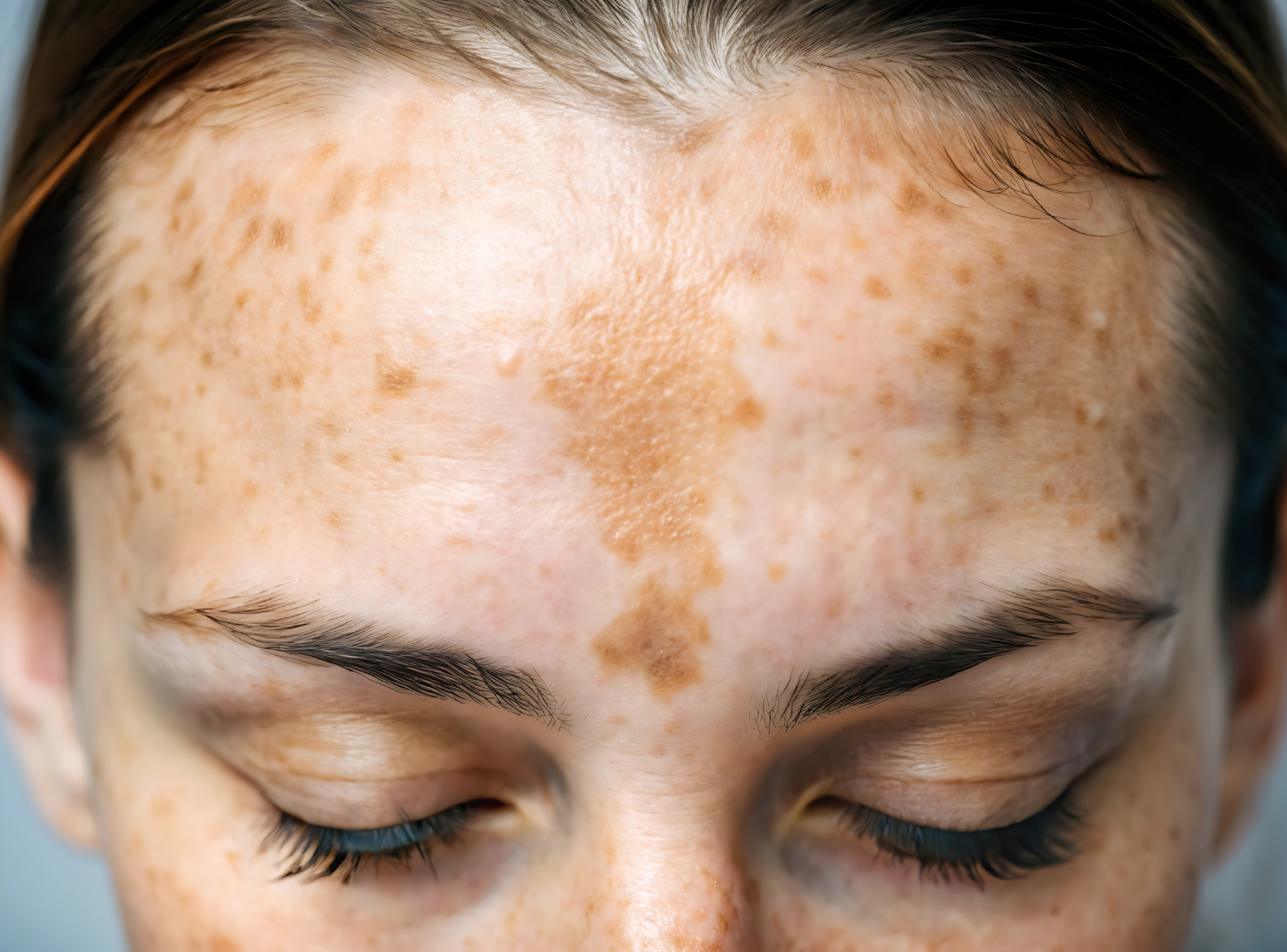
Humans have frequently experienced health problems that have impacted their current dermal appearance, either directly or indirectly. They have always attempted to treat these health problems in accordance with the knowledge and research available at the time. Considering the treatment options for melasma, even though there are numerous approaches. Which Facial in Dubai, Abu Dhabi, and Jumeirah Is Best for Melasma? is taken into account for the therapy. With the growing popularity of modern treatment techniques, people can now easily remove these skin discolorations that only affect a patient’s attractive appearance and do no harm to them.
Melasma Treatment In Dubai
Melasma Treatment in Dubai is a specialized dermatological procedure designed to reduce dark patches and uneven pigmentation on the skin, which is frequently caused by sun exposure, hormonal changes, or genetics. To address excess melanin production, the treatment typically combines advanced techniques such as chemical peels, laser therapy, topical lightening agents, and professional skincare regimens. Melasma treatment brightens the skin, evens out the tone, and prevents future pigmentation with continued care and sun protection. It is tailored to the patient’s skin type, level of pigmentation, and lifestyle, providing safe, effective, and long-term results while improving overall skin health and radiance.
What Is Melasma?
Melasma is a skin condition that primarily affects women and is characterized by skin discoloration, including patchy and dark spots. Rarely has the patient experienced irritation, swelling, or any other unpleasant event; however, the majority of the time, its presence has no effect on the patient and only gives the skin an unsightly appearance. The researchers claim that women, particularly pregnant women, are more affected than men. The dermal layer of the forehead, cheeks, chin, forearms, neck, and nose bridge appears to be affected by melasma.
Which Facial Is Considered For The Treatment Of Melasma?
Dermatologists and skin specialists claim that hydra facials can be used to treat melasma if its severity is not too severe. Putting aside the basic benefits and uses of a HydraFacial, the skin specialist reorganizes and customizes the current serum while treating melasma. The patient will be able to eliminate the dermal tissues that are causing the problems by adding salicylic acid to their body as needed in order to alter the minimal natural arrangement of pigments. However, the patient must follow the basic protocol, which consists of cleansing, exfoliating, and then hydrating, before starting the treatment.
What To Expect During The Facial Treatment?
During treatment, the patients are expected to undergo a few commonly used steps.
- Before starting treatment, the patient must meet with the specialist for a pre-session to go over realistic expectations, needs, and the anticipated course of treatment.
- In this pre-session, the patient informs the specialist of any anticipated or unforeseen medication allergies or sensitivity, as well as any other procedure-related issues.
- The skin is thoroughly cleansed before beginning the treatment.
- Additionally, to ensure that the skin is thoroughly cleaned, exfoliation is performed.
- Later, a serum containing glysal is used to rejuvenate the skin.
- The skin’s surface is treated with an additional salicylic acid serum.
- Another serum called Britenol Boost is also used, depending on the needs of the individual’s skin. It helps control and lessen the amount of hyperpigmentation that already exists.
Benefits Of The Treatments:
The patients listed several advantages of receiving treatment from Melasma Treatment in Dubai, some of which are listed below.
- This treatment can help patients who have recovered from or are currently experiencing epilepsy, infection, chronic skin conditions, pregnancy, or lactation.
- The patient is not required to adhere to any post-treatment or preventative measures.
- The patient can proceed with any treatment, such as laser therapy, if this procedure does not turn out as planned.
- The treatment lasts for a precise, brief amount of time and has no adverse effects on the skin.
- Additionally, the specialist can readily adapt the plan of action to the patient’s current state of health.
- Within a few sessions, the patient will be able to have a rejuvenated and improved outer dermal layer, even though the procedure is straightforward.
- By the end of the procedure, the patient’s skin will appear aesthetically beautiful and natural.
BOOK AN APPOINTMENT TODAY
What Causes Melasma?
The pigment pathway, also referred to as the melanogenesis pathway, is the biological process responsible for the production of skin coloration in the body. This process is predominantly mediated by a type of skin cell called a melanocyte, which synthesizes melanin, the principal pigment determining skin, hair, and eye coloration. Here is a streamlined overview of the typical functioning of this process:
- The process of melanogenesis initiates with the amino acid referred to as tyrosine.
- An enzyme called tyrosinase, found in melanocytes, facilitates the conversion of tyrosine into DOPA (dihydroxyphenylalanine), which is subsequently transformed into DOPAquinone.
- Additional chemical reactions result in the formation of two types of melanin: eumelanin (brown/black pigment) and pheomelanin (yellow/red pigment). The relative proportions of these melanins in the skin dictate its coloration.
In individuals with melasma, this pigmentation pathway is impaired, resulting in brown to gray-brown patches on the face. Although the precise causes of melasma remain uncertain, it is believed to result from an overproduction of melanin by melanocytes in specific regions of the skin.
The precise etiology of melasma remains incompletely understood, but it is thought to be associated with a combination of factors that may initiate or exacerbate the condition. These encompass hormonal fluctuations, ultraviolet radiation exposure, genetic factors, oxidative damage, lipid metabolic processes, and compromised barrier integrity.
- Hormonal changes: Melasma is frequently linked to hormonal variations, especially those involving estrogen and progesterone. This is the reason why melasma frequently occurs during pregnancy, commonly referred to as the “mask of pregnancy,” or in women using oral contraceptives or undergoing hormone replacement therapy (HRT).
- Sun exposure may also induce melasma, especially in individuals with lighter skin tones. Ultraviolet light from the sun can induce damage to skin cells by promoting the generation of reactive oxygen species (ROS) and activating melanogenesis. Melasma can also be aggravated by visible light at a wavelength of 414 nm. This is the reason why melasma frequently exacerbates during the summer months and diminishes in the winter.
- Genetics and family history also contribute to the etiology of melasma. Research indicates that individuals with a familial history of the condition are at a higher risk of developing it themselves.
- Gender and ethnicity. Melasma occurs more frequently in women than in men, especially during pregnancy or while using oral contraceptives. It is also more prevalent among individuals with darker skin tones, such as those of Hispanic, Asian, or African heritage.
- Skin irritation, including that caused by specific skincare products, can further exacerbate the condition, as skin injury or irritation prompts increased melanin production as a protective response.
- Additional risk factors that may contribute to the development of melasma encompass oxidative stress, lipid metabolism disturbances, compromised barrier function, a history of sun exposure or skin injury, and the use of specific medications.
Researchers continue to investigate the underlying molecular mechanisms responsible for the excessive production of melanin in melasma. Research indicates that it may entail the activation of specific signaling pathways in melanocytes that augment tyrosinase activity and melanin synthesis.
Current therapeutic approaches for melasma focus on decreasing melanin synthesis through the inhibition of tyrosinase and other enzymes integral to the pigmentation pathway. These treatments encompass topical agents such as hydroquinone, azelaic acid, and kojic acid, as well as chemical peels, laser therapy, and measures to prevent sun exposure.
Comprehending the fundamental causes of melasma and identifying individuals at risk can assist in implementing effective prevention and management strategies for the condition.
How Long Does It Take to See Results from Melasma Treatment?
The time it takes to see visible results from melasma treatment varies depending on the severity of pigmentation, skin type, and the method used. Some patients notice improvement after a few weeks with topical creams or chemical peels, while more stubborn cases treated with laser therapy may take several sessions over a few months. Consistent follow-up, adherence to prescribed skincare routines, and strict sun protection are essential. With patience and proper care, most patients experience significant lightening of dark patches and an overall more even skin tone.
MEET THE EXPERT DOCTOR
Best Aesthetic Clinic In Dubai For Melasma Treatment
Best Aesthetic Clinic in Dubai for melasma treatment offers advanced solutions to effectively reduce pigmentation, even out skin tone, and restore a radiant complexion. At Perfect Doctors Clinic, patients receive personalized melasma treatment plans tailored to their unique skin type and condition. The clinic uses a combination of proven techniques, including targeted light therapies, chemical peels, and medical‑grade topical agents, to safely address stubborn pigmentation. With experienced dermatology specialists and a focus on long‑term care and maintenance, melasma treatments deliver noticeable improvements, enhanced confidence, and healthier, more luminous skin.
Book A Free Consultation
I’m still unsure of how to get in touch with a specialist for a customized melasma procedure and treatment. Don’t worry; the skilled and amiable dermatologists at Perfect Doctors Clinic will be happy to advise you on which facial is best for melasma in Dubai, Abu Dhabi, and Jumeirah. while setting up a customized treatment as well. To book a free consultation during the discount season, contact us.