





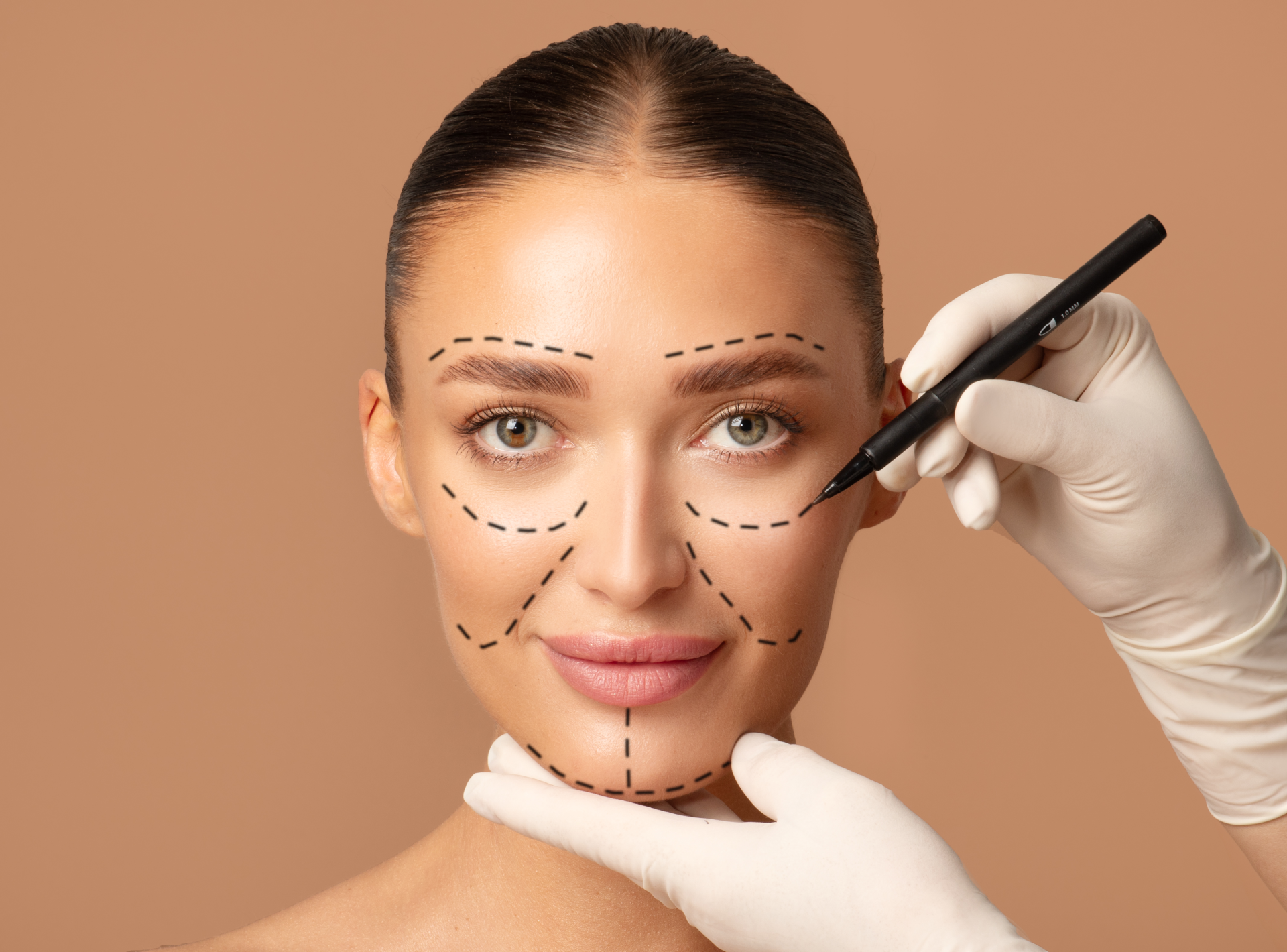
If you’re thinking about getting a facelift, you’ve probably wondered when it would be best to do this life-changing procedure. Patients between the ages of 36 and 56 now account for 33% of all procedures, up from just 27% in prior years, according to recent data that shows a significant shift in who gets facelifts and when. This demographic shift creates new opportunities for natural, long-lasting results and challenges conventional wisdom regarding the timing of facial rejuvenation. Dr. Perfect Celebrity has seen this development firsthand at Perfect Doctors Clinic, where they assist patients in making the difficult choice of when to pursue surgical facial rejuvenation.
Facelift In Dubai
Facelift in Dubai is a common cosmetic procedure that is performed to restore a youthful facial appearance by reducing sagging skin, improving facial contours, and creating a naturally refreshed appearance. The age at which a facelift is ideal is not predetermined by a specific number, but rather by the condition of the skin, the extent of facial aging, and personal aesthetic objectives. When early signs of aging become apparent, some individuals seek treatment, while others opt for surgery after more advanced skin laxity has developed. The most suitable timing is determined by a personalized consultation that takes into account the quality of the skin, facial anatomy, and overall health. By selecting the procedure at the appropriate stage, the results can be balanced and natural-looking, complementing the existing facial features without appearing overdone. When appropriate, a facelift can be combined with other facial rejuvenation treatments to achieve a comprehensive enhancement. Patients can experience better definition, longer-lasting confidence, and smoother contours through meticulous planning and the application of expert surgical techniques. The primary objective is to achieve subtle enhancements that maintain the integrity of natural expressions while simultaneously addressing visible signs of aging in a refined and harmonious manner. Ensuring refreshed facial harmony with lasting satisfaction and enhanced overall self-confidence.
The Changing Demographics Of Facelift Surgery: What Recent Data Reveals
The field of facial plastic surgery has changed dramatically. According to a 2025 survey by the American Academy of Facial Plastic and Reconstructive Surgery, 66% of facial plastic surgeons say that patients in their thirties and forties are increasingly undergoing facelifts. This change signifies a fundamental shift in our understanding of facial aging and rejuvenation, not just a passing fad.
2025 Statistics Show Younger Patients Seeking Facelifts
The numbers clearly depict this changing landscape. 80,058 facelifts were performed by surgeons in Dubai in 2025, with the 42–56 age range accounting for the majority of cosmetic surgery procedures. This data calls into question the long-held notion that patients in their sixties and older should get facelifts. Improved surgical methods, a greater comprehension of aging processes, and shifting societal perceptions of preventative cosmetic procedures are all contributing factors to the increase in younger patients.
What is causing this trend? Younger patients seeking surgery do so for various reasons. Modern surgical methods result in quicker recovery times and more natural outcomes. People are also more conscious of their appearance at younger ages due to the growth of social media and video conferencing. Most significantly, surgeons now understand that treating early indicators of aging can lead to better, more durable results than waiting until changes become more noticeable.
Why The Traditional 49-59 Age Range Is No Longer The Only Answer
In the past, plastic surgeons advised delaying facelift surgery until the late fifties or early sixties, when facial aging symptoms were clearly apparent. When surgical methods were less sophisticated and outcomes seemed more dramatic, this strategy made sense. Modern methods, however, enable subtle, natural-looking enhancements that successfully address early signs of aging without appearing overdone.
“Patients as young as 39 can get ahead of the aging process in a natural, low-impact way that allows them to bypass that middle-age filler phase completely,” says Dr. Perfect Celebrity. This preventative approach represents a fundamental rethinking of facial rejuvenation strategy, focusing on maintaining youthful contours rather than reversing advanced aging.
Scientific Evidence: How Age Impacts Facelift Results And Longevity
Research strongly supports the impact of patient age on surgical outcomes and satisfaction rates. Patients can choose the best time for their procedures by being aware of these age-related factors.
Patients Under 49: Higher Satisfaction Rates And Longer-Lasting Results
According to a seminal study that was published in the Plastic and Reconstructive Surgery Journal, patient age at surgery significantly affects outcomes. One year after surgery, patients who had facelifts before the age of fifty had an astounding 98.3% satisfaction rate. Even more remarkably, these younger patients outperformed older age groups in long-term satisfaction metrics, maintaining 69.1% satisfaction rates 12.5 years after their procedures.
Tissue quality and healing ability provide the biological foundation for these better results. Younger patients usually have more robust healing responses, stronger collagen networks, and more elastic skin. Smoother contouring and more consistent outcomes are possible because their facial tissues react better to surgical manipulation. Furthermore, younger patients frequently have less severe skeletal resorption and volume loss, which gives surgeons better structural support.
Understanding Result Duration Based On Your Age At Surgery
By decade of life at the time of surgery, the expected longevity of facelift results varies predictably:
- Thirties: Results usually last for 16 to 21 years, and during this time, very few extra procedures are required. Excellent tissue quality and a slow rate of aging are advantageous to patients.
- Forties: Many patients will only need minor touch-ups or non-surgical maintenance after 11 to 16 years of notable improvement.
- Fifties: Although some patients benefit from complementary procedures like eyelid surgery or fat grafting, results typically last for ten to twelve years.
- Sixties and beyond: Expect 6–11 years of improvement, depending on genetics, sun exposure history, and general health.
It’s a common misconception that getting a facelift “too early” wastes the procedure’s potential. Evidence, however, suggests the opposite: Early intervention frequently results in outcomes that age more gracefully with the patient, preserving a natural appearance over time.
BOOK AN APPOINTMENT TODAY
Signs You’re Ready For A Facelift: Age Is Just One Factor
The choice to have facelift surgery is more influenced by an individual’s anatomy, lifestyle, and personal objectives than by reaching a particular birthday, even though chronological age offers a broad framework.
Physical Indicators That Timing Is Right
Regardless of age, several anatomical changes indicate preparedness for surgical intervention:
- Jowl formation: Tissue descent beneath the jaw border results in a loss of jawline definition.
- Neck laxity: Excess skin, visible banding, or the appearance of “turkey neck”
- Deepening nasolabial folds: Pronounced lines from the corners of the mouth to the nose
- Marionette lines: Creases that run vertically from the corners of the mouth to the chin
- Midface descent: Cheek flattening and a decrease in volume
Different age groups exhibit these symptoms in different ways. While patients in their sixties frequently exhibit more noticeable changes in all areas, those in their forties may notice subtle jowling and early neck laxity. Instead of waiting for these changes to worsen, it’s important to identify when they start to impact your confidence and self-image.
When Non-Surgical Options Stop Delivering Results
Dermal fillers, neurotoxins, and energy-based devices are among the non-surgical treatments that many patients first use to address aging concerns. These choices have inherent limitations even though they offer worthwhile improvements. “You will get diminishing returns on minimally invasive procedures at some point in the aging process and with a certain degree of laxity and sagging,” says Dr. Perfect Celebrity. To achieve the desired effect at this point, you might think about getting a deep plane facelift.
Indicators that non-surgical treatments have reached their limits include requiring more frequent filler appointments, noticing that results last for shorter periods, feeling unnatural or overfilled, and finding that skin laxity overshadows any volumizing benefits. Surgical intervention frequently yields more natural, economical, and long-lasting results when these patterns appear.
Lifestyle And Recovery Considerations By Age Group
Age-related differences in recovery experiences and lifestyle effects are substantial:
- Thirties–Forties: Usually heal more quickly and with less swelling and bruises. return to work on average in ten to fourteen days. It might be necessary to arrange childcare and professional commitments.
- Fifties: Social recovery takes two to three weeks, with a moderate healing timeline. With established careers, they frequently have greater flexibility for recuperation time.
- Sixties and above: Often have fewer conflicting obligations but may need slightly longer recovery times. Prior to surgery, it is critical to optimize health conditions.
Younger patients frequently encounter particular scheduling difficulties, juggling surgery with demanding jobs and obligations to their families. However, compared to their older counterparts, they are frequently able to resume regular activities faster due to their superior healing capacity.
The Early Intervention Approach: Mini Facelifts In Your Thirties And Forties
Younger patients now have more options to address early signs of aging without committing to traditional facelift surgery, thanks to the growth of less invasive facial rejuvenation procedures.
Benefits Of Starting Earlier With Less Invasive Procedures
For younger patients, mini facelifts, also known as short-scar or limited-incision facelifts, offer several benefits. These procedures usually require less extensive tissue manipulation, concentrate on particular problem areas such as early jowling or neck laxity, and involve shorter incisions. Compared to two to three weeks for traditional facelifts, recovery times are typically seven to ten days.
Many younger patients who wish to preserve their appearance without making significant changes can relate to Dr. Perfect Celebrity’s observation regarding a “low-impact” approach. Early intervention enables more subtle changes that maintain character and natural facial expressions. Patients frequently report that rather than looking obviously surgical, friends and family notice that they appear “refreshed” or “well-rested.”
Avoiding the filler treadmill that many patients encounter in their forties and fifties, preserving better long-term skin quality through early tightening, and possibly postponing or avoiding the need for more involved surgery later are additional advantages. For patients thinking about early intervention, Dr. Perfect Celebrity’s personal facelift experience at Perfect Doctors Clinic offers insightful information about the decision-making process and recovery schedule.
Potential Drawbacks And Who Should Wait
Some patients actually benefit from waiting, despite the advantages of early intervention. For a few more years, non-surgical options may provide satisfactory results for those with minimal signs of aging. Prior to surgery, patients who experience significant weight fluctuations should stabilize their weight. Careful counseling is also necessary for people who have irrational expectations about totally halting the aging process.
The best timing is largely determined by genetic factors. Strong bones and healthy skin may help patients look younger for longer. On the other hand, early intervention may be beneficial for people who have a family history of early jowling or neck laxity. Determining whether early surgery is appropriate for a patient’s anatomy and objectives requires a comprehensive consultation with a skilled surgeon.
Safety Considerations And Risk Factors By Age
Patients are better able to schedule their procedures when they are aware of the safety profile of facelift surgery for various age groups.
Understanding The 1.7% Complication Rate
Major complications from facelift surgery occur in about 1.7% of patients within 1 month, according to extensive safety data from the National Institutes of Health. This low rate of complications is a result of improvements in post-operative care, anesthesia procedures, and surgical technique. The most frequent side effect, a hematoma (collection of blood beneath the skin), happens in 1–10% of cases and is usually treatable if caught early.
Infection (less than one percent), nerve damage (usually transient), and poor scarring are additional possible complications. When patients are carefully chosen and ready for surgery, these risks are comparatively constant across age groups. Selecting a skilled, board-certified plastic surgeon and closely adhering to all pre- and post-operative instructions are essential for reducing complications.
How Age And Health Status Impact Surgical Risk
Although facelift surgery is generally safe for all age groups, certain age-related factors influence risk profiles. Younger patients are less likely to have medical comorbidities, which lowers the risks and complications associated with anesthesia. Additionally, their superior healing ability results in a quicker resolution of bruising and swelling. Younger patients, however, might have less reasonable expectations regarding outcomes and the course of aging.
More thorough medical clearance may be necessary for older patients, especially if they have conditions like diabetes, hypertension, or cardiovascular disease. Blood thinners and other medications require careful administration. Despite these factors, healthy individuals in their sixties and seventies frequently have excellent results from facelift surgery. The key lies in thorough preoperative evaluation and optimization of any medical conditions.
MEET THE EXPERT DOCTOR
Making Your Personal Timeline Decision: A Framework
Creating a personalized timeline for facelift surgery requires careful consideration of multiple factors beyond chronological age.
Questions To Ask Yourself Before Scheduling
When determining whether you are prepared for surgery, take into account these self-assessment criteria:
- Aging patterns: How do your current concerns compare to your parents’ aging trajectory? Are things changing more quickly or steadily?
- Lifestyle factors: Can you allow for a recovery period of two to three weeks? Do you have support during healing?
- Financial readiness: Have you set aside money for potential future maintenance procedures as well as surgery?
- Emotional preparedness: Do you want surgery more for yourself than for other people’s approval? Have you considered the long-term effects of surgical modifications?
- Current satisfaction with non-surgical options: Do less invasive treatments continue to yield noticeable results?
You can determine whether you’re ready for surgery or would be better off waiting by providing honest answers to these questions. Keep in mind that the ideal time for surgery is when your physical preparedness is in line with real-world situations.
What To Discuss With Your Perfect Doctors Clinic Surgeon
When you see Dr. Perfect Celebrity at Perfect Doctors Clinic, be ready to talk about your specific concerns regarding the aging of your face, your aesthetic goals and how they relate to surgical options, your medical history, and any conditions that may affect healing. Inquire about options for combining procedures for complete rejuvenation, the expected longevity of results given your age and skin quality, and the recommended surgical approach based on your anatomy.
Request to view before-and-after pictures of patients with comparable anatomy and age. Talk about your particular concerns and the surgeon’s experience with your age group. You can make sure your expectations are in line with surgical realities by knowing how they achieve natural results. Local knowledge is important because Dubai’s active lifestyle and sun exposure produce distinct aging patterns that skilled local surgeons are familiar with.
The Bottom Line: There’s No Universal ‘Best Age’ But There Are Optimal Windows
The data unequivocally shows that individual factors are more important for successful facelift results than age alone. The 35% of patients now seeking surgery between the ages of 36 and 56 reflects sound, evidence-based reasoning, even though the traditional 49-59 age range is still prevalent. 98.1% of patients under 51 are satisfied, and their results last at least 13 to 16 years. When appropriate patient selection and surgical technique are used, the 1.9% major complication rate stays low across all age groups.
Understanding facial aging and surgical planning has evolved, as evidenced by the shift toward earlier intervention, which is supported by 69% of facial plastic surgeons noting younger patient trends. The secret is to match timing to your individual anatomy, lifestyle, and goals, whether you’re thinking about a minor facelift in your forties or a full procedure in your sixties.
The skilled staff at Perfect Doctors Clinic can offer tailored advice if you’re thinking about facial rejuvenation and are unsure of the best time for your circumstances. Dr. Perfect Celebrity combines a wealth of surgical knowledge with an understanding of how the distinct environment of Dubai impacts facial aging. To arrange a consultation and create a personalized plan that fits your unique requirements and schedule, get in touch with Perfect Doctors Clinic right now. The first step in achieving long-lasting, natural facial rejuvenation is knowing your options and choosing the right time.
Best Plastic Surgeon In Dubai For Facelift
Best Plastic Surgeon in Dubai for facelift is available at Perfect Doctors Clinic, where Dr. Perfect Celebrity provides personalized facial rejuvenation treatments designed to restore youthful contours while preserving each patient’s natural appearance. The initial step in any facelift procedure is a comprehensive consultation that assesses the individual’s aesthetic expectations, skin elasticity, areas of volume loss, and facial structure. The treatment plan is developed in accordance with the patient’s desired outcome, overall health, and facial changes, rather than solely based on age. The surgical approach emphasizes the lifting and repositioning of the underlying facial tissues, as opposed to merely tightening the skin. This technique creates a refreshed appearance that appears balanced and authentic, as well as improved jawline definition and smoother contours. Natural facial expressions are preserved while visible signs of aging are minimized with meticulous attention. Throughout each phase of treatment, patient safety, comfort, and satisfaction are central. Patients are provided with comprehensive guidance to guarantee a seamless experience and promote optimal healing, from the initial assessment to the postoperative follow-up. Detailed aftercare instructions are provided to facilitate a thorough recovery and the attainment of enduring results. Modern facilities and advanced surgical techniques are instrumental in the provision of consistent, high-quality care at Perfect Doctors Clinic. Each procedure is customized to accommodate the patient’s distinctive facial anatomy, guaranteeing that the enhancements enhance the patient’s natural features rather than distorting their personal identity. The objective is to achieve refined, elegant enhancements that restore confidence without generating an artificial appearance. One of the most critical factors in achieving successful results is selecting a facelift specialist who has extensive experience. Outcomes that are youthful, refreshed, and natural are the result of meticulous surgical planning, expert knowledge of facial anatomy, and an artistic understanding of facial balance. Throughout their aesthetic journey, patients seeking facial rejuvenation can anticipate professional support, individualized treatment planning, and compassionate care, which is why Perfect Doctors Clinic and Dr. Perfect Celebrity are a dependable choice for facelift procedures in Dubai.