





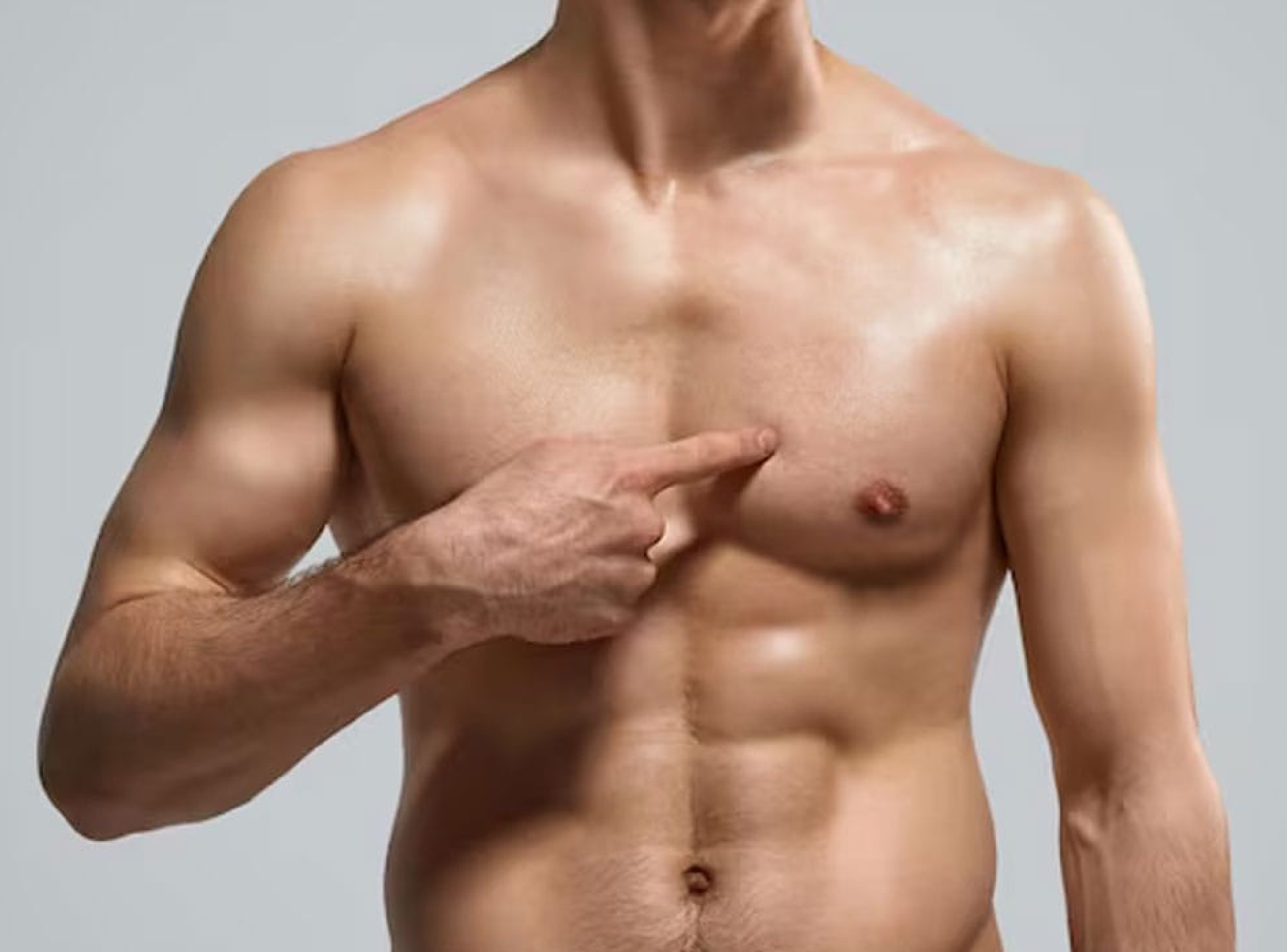
It’s a common misconception that only women have plastic surgery, but this is untrue. Men want to look their best, after all! To help men with enlarged and swollen breasts, gynecomastia surgery is growing in popularity. Learn more about this process and whether it might be a good fit for you by reading on!
Gynecomastia Surgery In Dubai
Gynecomastia surgery in Dubai is a surgical procedure designed to reduce excess breast tissue in men, creating a flatter, firmer, and more masculine chest appearance. It typically involves liposuction, excision of glandular tissue, or a combination of both to remove fat and glandular tissue. The procedure helps improve body proportions, boost self-confidence, and address discomfort caused by enlarged male breasts, with recovery usually involving temporary swelling, bruising, and a gradual return to normal activities.
What Is Gynecomastia?
A man with gynecomastia may have sagging, elongated breasts. Men of all ages may experience it, and either one or both breasts may exhibit it. In addition to being a genetic condition, obesity and even medical treatments like chemotherapy can cause it. Certain drugs, including heroin, marijuana, amphetamines, antibiotics, anabolic steroids, and anxiety medications, can cause it. Excessive alcohol consumption may also be the cause. Adolescent boys are more likely to experience gynecomastia due to hormonal fluctuations, though older men may also experience it for the same reason.
What Happens During Gynecomastia Surgery?
Gynecomastia is usually performed as an outpatient procedure using intravenous sedation or general anesthesia. Extra breast tissue and skin are removed following minor incisions. Excess fat can also be eliminated with liposuction.
What Happens After Gynecomastia Surgery?
You will be sore and swollen following the procedure. After a few days, you will be able to resume work and the majority of your regular activities. However, for at least two weeks, one should refrain from engaging in physically demanding activities like exercising. Unless your doctor instructs you otherwise, you can gradually resume exercises for your upper body or chest after about four weeks.
You may become self-conscious and lose confidence if you are dissatisfied with the size and shape of your breasts. It may prevent you from engaging in activities like swimming that you have loved for years. Intimacy may even be hampered by it. Gynecomastia surgery, on the other hand, can help you regain your self-esteem and resume enjoying life in all its facets. Call Perfect Doctors Clinic for a gynecomastia surgery consultation. Give us a call now!
Exercise After Gynecomastia Surgery – Recovery Timeline Week by Week
The First Week After Surgery
Immediately following your gynecomastia surgery, you will be discharged with compression garments and comprehensive care instructions provided by your surgeon. It is essential to wear these garments consistently, including during any form of physical activity.
During the first week, your main priority should be to prioritize rest. Refrain from engaging in any activities that may increase your heart rate or exert undue stress on your body. Nevertheless, gentle walking is recommended. Beginning the day following your surgery, brief walks of up to 35 minutes can facilitate blood circulation, which is vital for the healing process and the prevention of blood clots.
- Do: Participate in simple, brief walks lasting up to 35 minutes.
- Don’t: Overexert yourself to the extent of fatigue or breathlessness.
Week 2
During the second week, you may commence gradually escalating the intensity and length of your walks. You may also contemplate incorporating additional low-impact cardiovascular activities, such as stationary cycling or utilizing an elliptical trainer. Nevertheless, it remains essential to refrain from high-impact activities such as running, swimming, or any exercises that engage the upper body.
Light stretching may be incorporated; however, it should be kept minimal and gentle. Arm lifts or side stretches should be performed smoothly and with controlled movements.
- Do: Progressively incorporate low-impact cardiovascular activities into your routine.
- Don’t: Refrain from engaging in upper-body exercises or vigorous activities.
Weeks 3-4
Most patients should wait at least until the third week before contemplating any weight lifting, and only with the approval of your surgeon. Initially, concentrate on lower-body exercises utilizing light weights. Machines are favored because they provide superior control and reduce the likelihood of exerting excessive strain on the upper body.
Proceed to further improve your cardiovascular exercises, maintaining an emphasis on low-impact activities.
- Do: Proceed with initiating light resistance exercises targeting the lower extremities.
- Don’t: Perform chest and upper body exercises.
Weeks 4-6
By the conclusion of the first month, the majority of patients are typically prepared to engage in moderate-intensity activities such as jogging, jump rope, or brisk hiking. Until complete recovery, refrain from engaging in contact sports or any activities that pose a risk of chest impact.
Your surgeon may permit you to resume upper-body strength training approximately six weeks following the procedure. Please keep in mind that your muscles may not be as robust as they were prior to surgery. Begin with lighter weights and fewer repetitions, progressively restoring your strength to pre-surgery levels.
- Do: Please consult your surgeon prior to resuming your standard fitness regimen.
- Don’t: Assume you can promptly resume your pre-surgery level of exercise intensity. Begin with less intense exercises and progressively enhance your strength and endurance.
BOOK AN APPOINTMENT TODAY
Post-Surgery Top Tips for Working Out After Gynecomastia Surgery
Understanding the Importance of Post-Surgery Guidelines
Following gynecomastia surgery, it is essential to adhere to your surgeon’s post-operative guidelines, including recommendations regarding compression garments. These garments are intended to facilitate healing, minimize swelling, and preserve the newly contoured chest shape. Use them according to instructions, including during light exercises, as they are essential to your recovery. Additionally, gradually reintroduce physical activity, starting with gentle movements and avoiding heavy lifting or intense chest workouts for several weeks. Staying hydrated, maintaining a healthy diet, and monitoring your body for any unusual pain or swelling will further support safe and effective recovery.
Navigating the Initial Recovery Phase
During the initial six weeks following your surgery, it is essential to refrain from engaging in exercises that specifically focus on the chest, shoulders, and upper back. These regions are in the healing phase, and applying pressure to them may interfere with the recovery process, potentially resulting in complications or less favorable outcomes.
Listening to Your Body
An essential component of your recovery process is attentively monitoring your body’s signals. If you encounter any sudden pain or discomfort during an activity, it clearly indicates that you should cease the activity and rest. Enduring pain is not recommended, as it may worsen the condition and extend the duration of recovery.
Monitoring for Signs of Complications
Remain vigilant for any increased discomfort, atypical pain, or redness in the surgical site. These may indicate potential complications, such as infection or adverse reactions, and should be promptly reported to your surgeon. Prompt response: Timely intervention is essential to effectively resolve any potential issues that may occur.
Exercising Patience During Recovery
It is entirely natural to feel enthusiastic about resuming your regular gym routine, but patience remains essential. The body requires sufficient time to recover in order to minimize scarring and attain optimal results. Accelerating the process may not only impede recovery but also adversely affect the surgical outcome.
Gradual Resumption of Physical Activity
As you advance in your recovery, it is crucial to progressively reintroduce physical activity. Begin with low-impact activities such as walking or gentle cycling. These activities can improve circulation, promote more rapid healing, and lower the risk of blood clot formation. Gradually escalate the intensity and duration of your exercises, consistently respecting the boundaries established by your surgeon.
Long-Term Maintenance for Lasting Results
Once full recovery has been achieved, preserving your body weight through a balanced diet and regular exercise is essential for maintaining the outcomes of your surgery. Variations in weight may impact the appearance of your chest and could potentially reduce the advantages of the procedure. A combination of cardiovascular activities, resistance training, and a nutritious diet will assist in maintaining your physical condition and preserving the achieved results.
Incorporating a Holistic Approach to Recovery
Please remember that recovery encompasses not only physical healing but also mental and emotional well-being. Engaging in meditation, gentle yoga, or other relaxation methods can be advantageous during this time. They can assist in alleviating any stress or anxiety associated with your recovery and foster an overall sense of well-being.
Regular Check-ups and Follow-up Care
Consistent follow-up appointments with your surgeon are crucial for monitoring your progress and ensuring appropriate healing. These examinations provide an opportunity to address any concerns, monitor your recovery, and receive personalized guidance regarding your exercise routine and lifestyle modifications.
MEET THE EXPERT DOCTOR
Best Plastic Surgeon In Dubai For Gynecomastia Surgery
Best Plastic Surgeon In Dubai for Gynecomastia surgery offers expert care for reducing excess male breast tissue and creating a firmer, more masculine chest contour. Many patients seek out Dr. Perfect Celebrity, a highly regarded aesthetic surgeon known for his meticulous technique and natural-looking results. He provides comprehensive consultations, precise surgical techniques, and personalized aftercare to ensure a smooth recovery and long-term results that restore confidence and improve overall body proportions.