





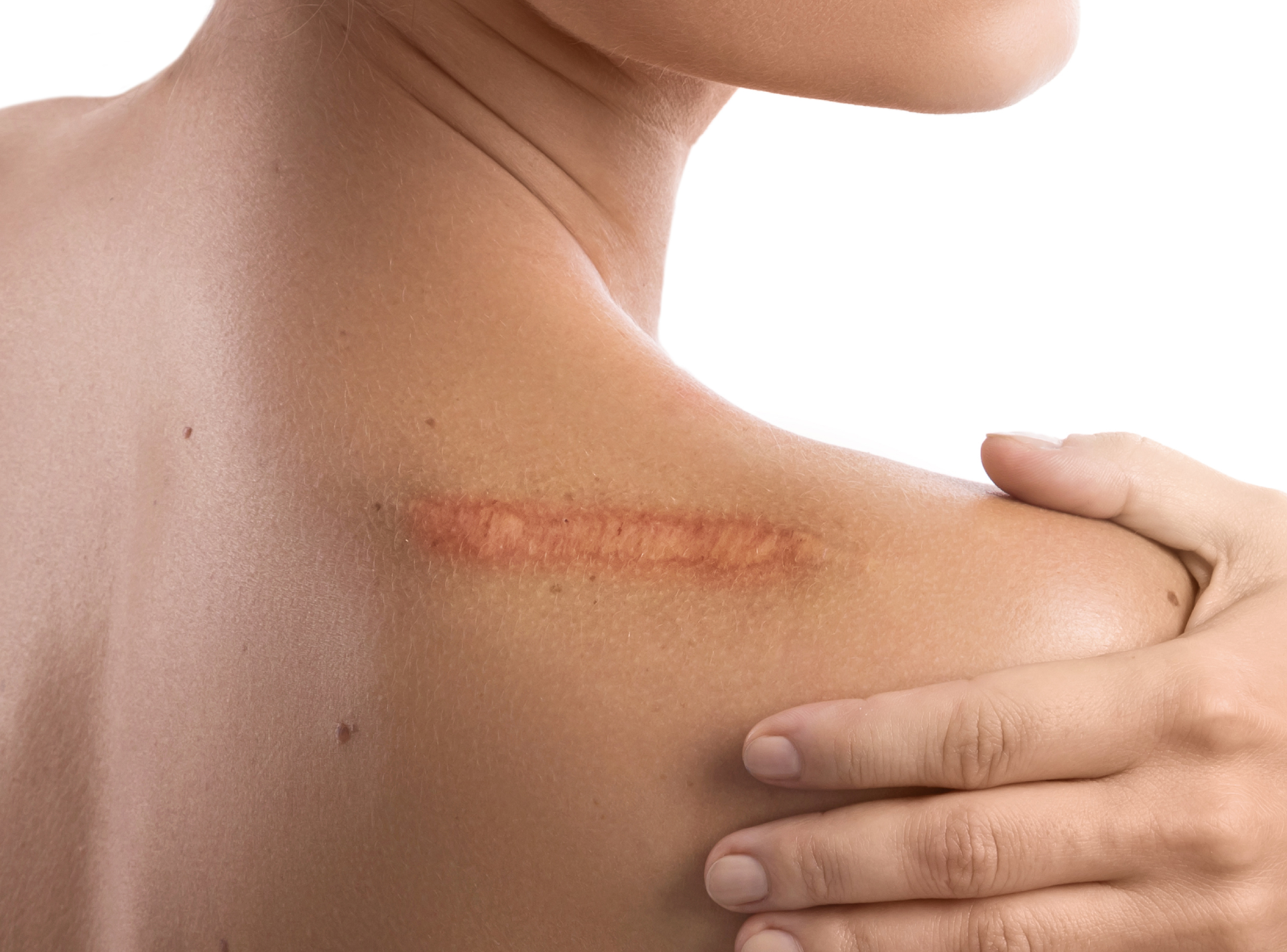
It depends on what kind of scar we are fixing, how long it is, and where on the face it is.
Most of the time, the scar revision is done in the office with local anesthetic or light sedation with Xanax. Usually, patients wear a bandage over the scar and go back to school or work within one to two days.
Patients may need to take additional time off if the scar is bigger or in a part of the body that moves a lot, like the belly or limbs. As a general rule, patients can drive as long as they are not using any narcotic painkillers. You can go back to your normal activities if all you require is Tylenol or ibuprofen.
Scar Revision In Dubai
Scar Revision in Dubai is a widely chosen procedure for individuals looking to improve the appearance of scars caused by surgery, injury, or acne. In many recovery-focused cases, patients are primarily concerned about how the healing process will unfold after treatment. Recovery from scar revision depends on the type, size, and location of the scar, as well as the technique used, such as laser treatment, surgical excision, or dermabrasion. Most patients experience mild redness, swelling, or sensitivity in the treated area during the initial days, which gradually improves over time. Proper aftercare plays a key role in achieving the best results, including keeping the area clean, avoiding sun exposure, and following the surgeon’s instructions carefully. In some cases, silicone gels or dressings may be recommended to support healing and minimize scar visibility. Patients are usually able to return to normal daily activities within a short period, although complete healing and final results may take several weeks or months. In Dubai, advanced techniques are used to ensure smoother skin texture and less noticeable scarring, making recovery an important part of the overall improvement process.
Who Is A Good Candidate For Scar Revision
If you live in Dubai or Abu Dhabi, you might want to think about getting scar revision if you:
- Have a scar that is at least 1-1.5 years old
- Have a scar that is elevated, depressed, extended, or a different color
- Be embarrassed about a scar on your face or body
- Feel pain, itchiness, or limited movement
- Are generally healthy
- Know that the goal is to get better, not to get rid of it.
During your consultation, your surgeon looks at the scar, goes over your medical history, and talks about the best options for you based on your skin type and what you want.
Benefits Of Scar Revision
- A smoother, more uniform skin texture
- Edges or elevated portions that are less obvious
- Get rid of redness or dark spots.
- Loosening of tight scars and better movement
- More confidence and comfort
Risks & Precautions
It is safe to have scar repair done by a plastic surgeon who has done it before. Some possible risks are:
- Redness or swelling that doesn’t last long
- Changes in pigmentation
- Infection or slow healing (rare)
- There is a chance that scars will come back, especially keloids.
Perfect Doctors Clinic surgeons tell you what to do to help your healing go smoothly.
What About Exercising And Using Makeup?
If you want to do something like exercise or swim, it’s advisable to ask your doctor.
Depending on what you had done, it will take you different amounts of time to heal from scar revision. You can also use makeup and other creams and lotions on your skin, but it will depend on what you had done, the type of closure, and the type of suture.
How Long Do The Sutures Stay In?
Depending on how tight the incision is, sutures usually come out between 4 and 9 days. There have been situations when we left sutures in for 2 weeks because the closures were tight and we needed more strength.
Even when the stitches are taken out, the cuts always seem red, elevated, and uneven. That’s normal. It takes a few weeks to calm down and half a year to one year to acquire the ultimate outcome.
I hope that helps you make plans for your scar correction surgery. Email our team at our email address if you have any other inquiries concerning scar correction surgery.
BOOK AN APPOINTMENT TODAY
Average Recovery Time For A Scar Revision
The average recovery time after scar revision surgery varies depending on the size and location of the scar, but most patients start healing within a few weeks. Swelling, redness, and mild discomfort are common in the early phase. Full healing may take a few months as the skin continues to remodel. Stitches, if used, are usually removed within one to two weeks. Patients are advised to avoid sun exposure to protect healing skin. Following proper wound care instructions helps improve final results. Over time, scars gradually become lighter and smoother in appearance.
Your First 24 Hours Of Scar Revision Recovery
During the first day, patients may experience mild pain, swelling, and redness around the treated area. This is a normal response as the skin begins healing. Rest is very important, and the area should be kept clean and protected. Doctors may recommend pain relief medication to manage discomfort. The wound may be covered with a dressing to prevent infection. Patients should avoid touching or putting pressure on the area. Proper care during this stage helps ensure safe early healing. Keeping the body hydrated also supports faster tissue repair. Light rest with minimal movement is encouraged to avoid stress on the treated site. It is also important to follow all aftercare instructions carefully to reduce the risk of complications. Most symptoms start improving gradually within the first day as healing begins.
Stages Of Healing After Scar Revision
Healing after scar revision happens in multiple stages over time. In the early stage, swelling and redness are more noticeable as the skin begins to repair. Within a few weeks, stitches are removed and the area starts to settle. Over the next few months, the scar gradually becomes flatter and lighter in color. Skin remodeling continues slowly, improving texture and appearance. Final results may take several months to fully develop. Consistent care and patience are important for best outcomes. Keeping the area protected from sunlight also helps prevent the scar from darkening. Regular follow-ups ensure proper healing progress and early management of any concerns. Avoiding pressure or trauma to the area supports smoother recovery and better cosmetic results.
Swelling, Bruising, And Scarring After Scar Revision
After Scar Revision treatment, mild swelling, bruising, and temporary redness are common parts of the healing process. Swelling is usually most noticeable during the first few days and gradually improves as the skin begins to heal. Bruising may appear around the treated area depending on the depth of the procedure and the skin’s sensitivity, but it usually fades within a short time. Slight tightness, tenderness, or itching can also occur during recovery. Scarring after scar revision is generally minimal because the goal of the procedure is to improve the appearance of an existing scar. With proper aftercare, sun protection, and following your surgeon’s instructions, healing becomes smoother and the treated area continues to improve over time.
Scar Revision Recovery Tips For Better And Faster Results
Following proper aftercare instructions is essential for good healing. Keep the wound clean and follow dressing changes as advised by your doctor. Avoid sun exposure to prevent pigmentation changes in the scar. Maintain a healthy diet rich in vitamins to support skin repair. Stay hydrated to improve overall healing. Avoid smoking and alcohol as they slow recovery. Attend follow-up visits regularly for proper monitoring. Gentle care helps achieve smoother and more refined results. Using recommended scar care creams or silicone sheets can further improve the final appearance. Avoid stress on the treated area to prevent delayed healing. Light movement is fine, but avoid stretching the skin too much during early recovery.
Scar Revision Recovery Dos and Don’ts
Do keep the treated area clean and protected at all times. Do follow all medication and dressing instructions carefully. Do use sun protection to avoid scar darkening. Don’t pick or scratch the healing area, as it can worsen scarring. Avoid heavy physical activity that may strain the skin. Don’t expose the scar to direct sunlight during early healing. Avoid ignoring signs of infection such as redness or discharge. Following these guidelines helps ensure safe recovery and improved scar appearance. Do wear loose clothing to prevent irritation on the healing skin. Don’t skip follow-up appointments as they are important for monitoring progress. Avoid applying unapproved products on the scar without medical advice.
MEET THE EXPERT DOCTOR
Best Plastic Surgeon In Dubai For Scar Revision
Best Plastic Surgeon in Dubai for Scar Revision is crucial for achieving safe, effective results and a smooth recovery experience. Dr. Perfect Celebrity is well known for his expertise in treating various types of scars with a personalized approach that focuses on both aesthetics and healing. What’s Recovery Like For Scar Revision? It typically involves a gradual process where the treated area improves over time with proper care and monitoring. Patients are guided through detailed aftercare instructions, including wound care, sun protection, and the use of recommended topical treatments to support healing. Mild swelling or redness is common in the early stages but subsides as the skin recovers. Regular follow-up visits help track progress and ensure that the scar is healing as expected. With expert techniques and a structured recovery plan, patients can expect a noticeable reduction in scar visibility, smoother skin texture, and long-lasting improvements that enhance overall appearance and confidence.