





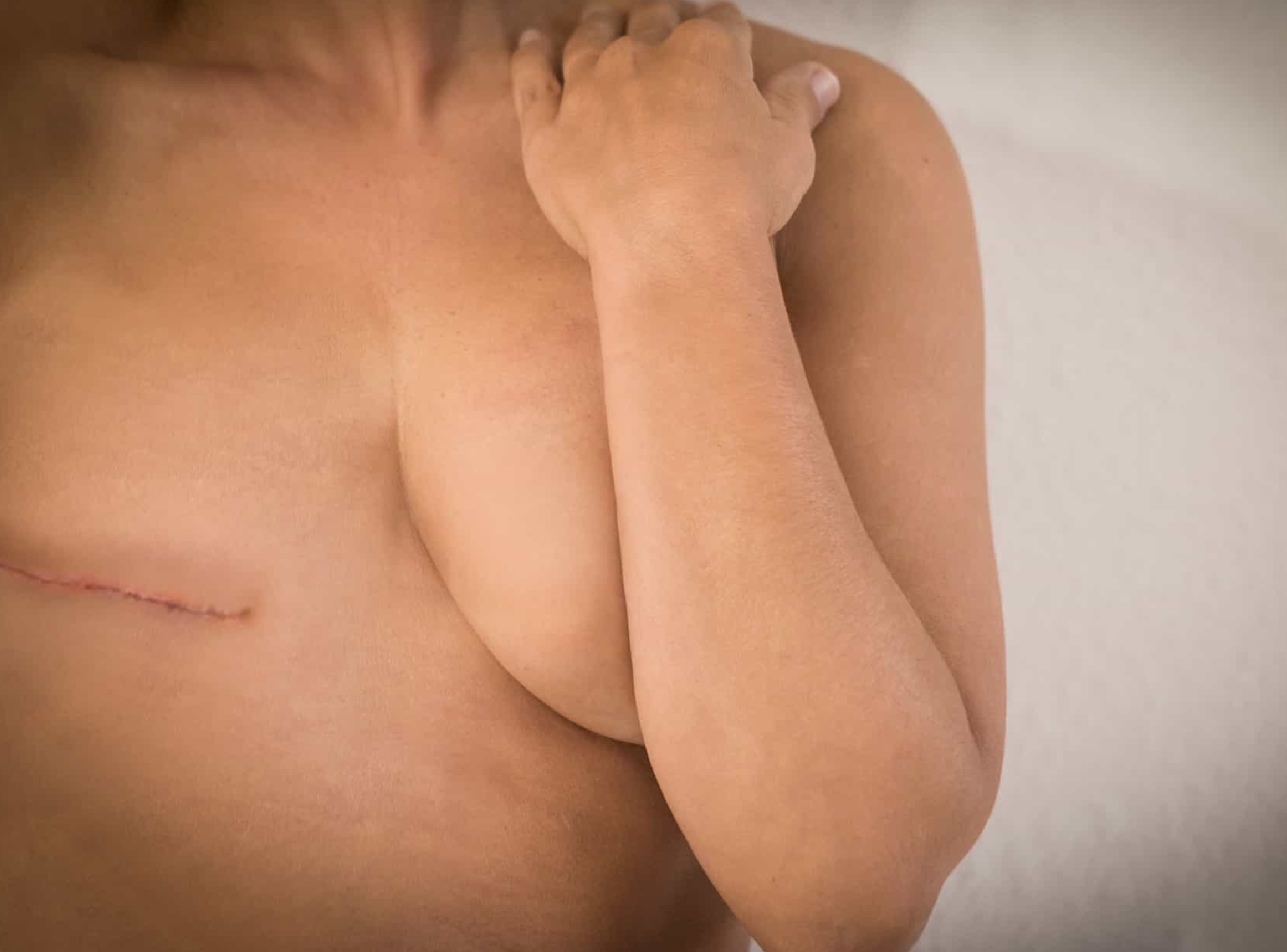
Autologous fat transfer, another name for fat grafting, is a breast augmentation technique that is frequently used in conjunction with breast reconstruction.
In order to shape the breast, a surgeon will take fat from a donor site, liquefy it, and then inject it back into it. Compared to other reconstruction options, this procedure can have a shorter, less demanding recovery period and eliminates the need for artificial implants.
The benefits, risks, expenses, and expected outcomes of fat grafting for breast reconstruction will all be covered in this article.
Breast Reconstruction In Dubai
Breast Reconstruction in Dubai is a specialized surgical procedure used to restore the natural shape, symmetry, and appearance of the breast after mastectomy, trauma, or congenital deformities. This procedure is becoming increasingly popular as more women prioritize not only their health, but also their confidence and body image following breast cancer or other breast-related conditions. To achieve natural and personalized results, Dubai’s top plastic surgeons use advanced techniques such as implant-based reconstruction, autologous tissue reconstruction (which uses the patient’s own tissue), or a combination of the two. The procedure is meticulously tailored to each patient’s anatomy, aesthetic goals, and medical requirements, resulting in optimal symmetry, proportion, and comfort. Breast reconstruction in Dubai offers a safe and effective solution for women who want to regain their femininity and self-esteem, thanks to world-class facilities, experienced surgical teams, and modern post-operative care. Beyond cosmetic restoration, the procedure has a significant impact on psychological and emotional healing, allowing patients to feel whole again while improving their overall quality of life and confidence.
Preparation
The procedure, the risks, and how to prepare for it should all be discussed with a physician.
Before surgery, doctors may occasionally advise breast tissue expansion. Using an internal inflation device is one choice. Internal spacing devices have been demonstrated to produce favorable outcomes in fat grafting, despite the fact that their implantation necessitates an invasive procedure.
Procedure
Relocating fat from other areas of the body to the breast region is known as fat grafting. Often, a surgeon will use general anesthesia to accomplish this.
At intervals of four to seven months, several fat grafting procedures may be necessary to achieve a natural breast shape. The reason for this is that the body absorbs 15–95% of the fat that was transferred.
The surgeon may inject the fat during the initial procedure into the:
- Flaps for mastectomy
- Lateral thoracic fascia
- Pectoralis major muscle
Surgical assistants dress the donor and placement sites with compression garments following the procedure.
Aftercare And Recovery
Following the procedure, a surgeon will give precise instructions on what to do.
Stitches may be visible at the donor sites, where the fat was removed, and the recipient sites, where the fat was inserted into the breast. The stitches might be covered with gauze and tape.
Additionally, people might encounter:
- Scabbing
- Swelling
- Bruises at the donor
- Recipient locations
discharge at the incision sites that is pink or reddish
People should try to avoid getting their wounds wet by taking showers rather than baths.
In addition to the drugs the surgeon has prescribed, people can take over-the-counter pain relievers to help with their pain.
Results
One safe and efficient technique for breast augmentation or reconstruction is fat grafting. It usually has a shorter recovery period than invasive implant procedures because it is a minimally invasive procedure. Compared to breasts restored with implants, breasts restored through fat grafting may feel softer and more natural.
A person may need multiple fat grafting procedures to get the desired appearance, so results could take some time.
Is It Permanent?
The body frequently loses volume over time as a result of reabsorption of some of the fat. People will need several procedures as a result, and a surgeon may initially use more fat than is necessary.
Benefits
The following are some advantages of fat grafting for breast reconstruction:
- Instead of introducing a foreign object, like an implant, into the body, it makes use of the patient’s own tissue.
- It gets rid of fat from places where people might not want it.
- Fat-grafted breasts may feel more natural and have some sensations.
BOOK AN APPOINTMENT TODAY
Risks And Considerations
Like any surgery, far grafting carries some risks, such as:
- Infection
- The development of cysts
- Calcium deposits or microcalcification
- Microcalcification can cause fat cells to migrate from the injection site outside of the breast region
- Increasing the risk of necrosis
- the death of some of the fat.
Necrosis
Necrosis, the breakdown and death of some of the injected fatty tissue, is a risk associated with fat grafting.
Necrosis is more likely to occur in patients who have had a lot of tissue injected into their breasts.
Scar tissue accumulation brought on by fat necrosis can result in nodules, or lumps, that could be mistaken for breast cancer. Necrosis in injected tissue, however, does not raise a person’s risk of developing breast cancer.
Through aspiration or excision, doctors can frequently remove scar tissue from necrosis.
Additionally, there’s a chance that the body will eventually begin to reabsorb the fat deposits, which would decrease their volume.
Cost And Financial Aid
The Cancer and Women’s Health Rights Act A federal law mandates that the majority of group insurance plans pay for breast reconstruction and mastectomies.
Breast reconstruction is also covered by Medicare. Medicaid might be a viable option for people without insurance. Its coverage differs by state, though.
If the surgeon’s office offers patient financial plans, people should inquire about it. A person may be able to pay for it over time thanks to this.
For those who cannot afford the cost of reconstructive surgery, the Alliance in Reconstructive Surgery foundation offers grants.
FAQs
What Is Fat Grafting For Breast Reconstruction, And How Does It Work?
Fat grafting, also known as autologous fat transfer, is a technique that involves collecting a patient’s own fat from areas such as the abdomen, thighs, or flanks, processing it to remove impurities, and carefully injecting it into the breast. This method is widely used for breast reconstruction following mastectomy, lumpectomy, or other breast procedures. The transferred fat helps to restore breast volume, shape, and correct minor asymmetries. Using the patient’s own tissue reduces the likelihood of complications, and it can be combined with implants or flap reconstruction to achieve natural, harmonious results.
Who Is A Suitable Candidate For Fat Grafting In Breast Reconstruction?
Individuals who want to restore breast volume, improve contours, or correct minor irregularities after breast surgery are ideal candidates. Patients should have enough donor fat for harvesting and be in good general health. Fat grafting is especially useful for women who prefer a more natural approach to reconstruction or want to improve the outcomes of previous breast surgeries. Patients with certain medical conditions or a history of radiation therapy, on the other hand, may require a more in-depth evaluation, as tissue quality can affect fat survival and overall outcomes.
What Is The Recovery Process And Expected Results After Fat Grafting?
Fat grafting recovery is less severe than that of traditional breast reconstruction surgeries. Patients may feel temporary swelling, bruising, or tenderness at both the donor and recipient sites. Most people can resume normal activities within a week or two, but strenuous exercise should be avoided for a few weeks. The transferred fat gradually integrates into the breast tissue, and the final results may take several months to appear. Multiple sessions may be required to achieve the desired volume and symmetry. With proper care, fat grafting provides a natural-looking, long-lasting enhancement that boosts confidence and improves breast appearance.
MEET THE EXPERT DOCTOR
Best Plastic Surgeon In Dubai For Breast Reconstruction
Best Plastic Surgeon In Dubai for breast reconstruction is available at Perfect Doctors Clinic, which provides unrivaled expertise, cutting-edge techniques, and compassionate care. The clinic is led by Dr. Perfect Celebrity plastic surgeon who is known for his precision, aesthetic artistry, and ability to deliver natural-looking, transformative results. Women choose Perfect Doctors Clinic for breast reconstruction because of their personalized approach, cutting-edge facilities, and dedication to safety and comfort. Dr. Perfect Celebrity carefully considers each patient’s medical history, body anatomy, and aesthetic goals before creating a personalized surgical plan that may include implant-based reconstruction, autologous tissue techniques, or a combination of the two. His expertise ensures that patients’ breasts have optimal symmetry, proportion, and a natural appearance, allowing them to regain confidence and their sense of femininity following mastectomy or breast trauma. The clinic offers comprehensive pre- and post-operative care, advanced surgical technology, and a discreet environment, ensuring a smooth and comfortable recovery process. Dr. Perfect Celebrity reputation ensures that patients receive exceptional results, emotional support, and a renewed sense of self, making Perfect Doctors Clinic the top choice for breast reconstruction in Dubai.
Summary
Taking fat from one part of the body, usually the stomach, thighs, or buttocks and injecting it into the breast is known as fat grafting for breast reconstruction.
Fat grafting has been employed by surgeons as an adjunct to other breast reconstruction techniques. Although it is uncommon, surgeons have recently begun reconstructing the entire breast using fat grafting as a stand-alone procedure.
It’s crucial to remember that not enough long-term studies have been conducted to ascertain how long the effects of this procedure will last.
To decide which breast reconstruction procedure is best for them, a person should discuss the procedure’s advantages and disadvantages with a medical expert.