





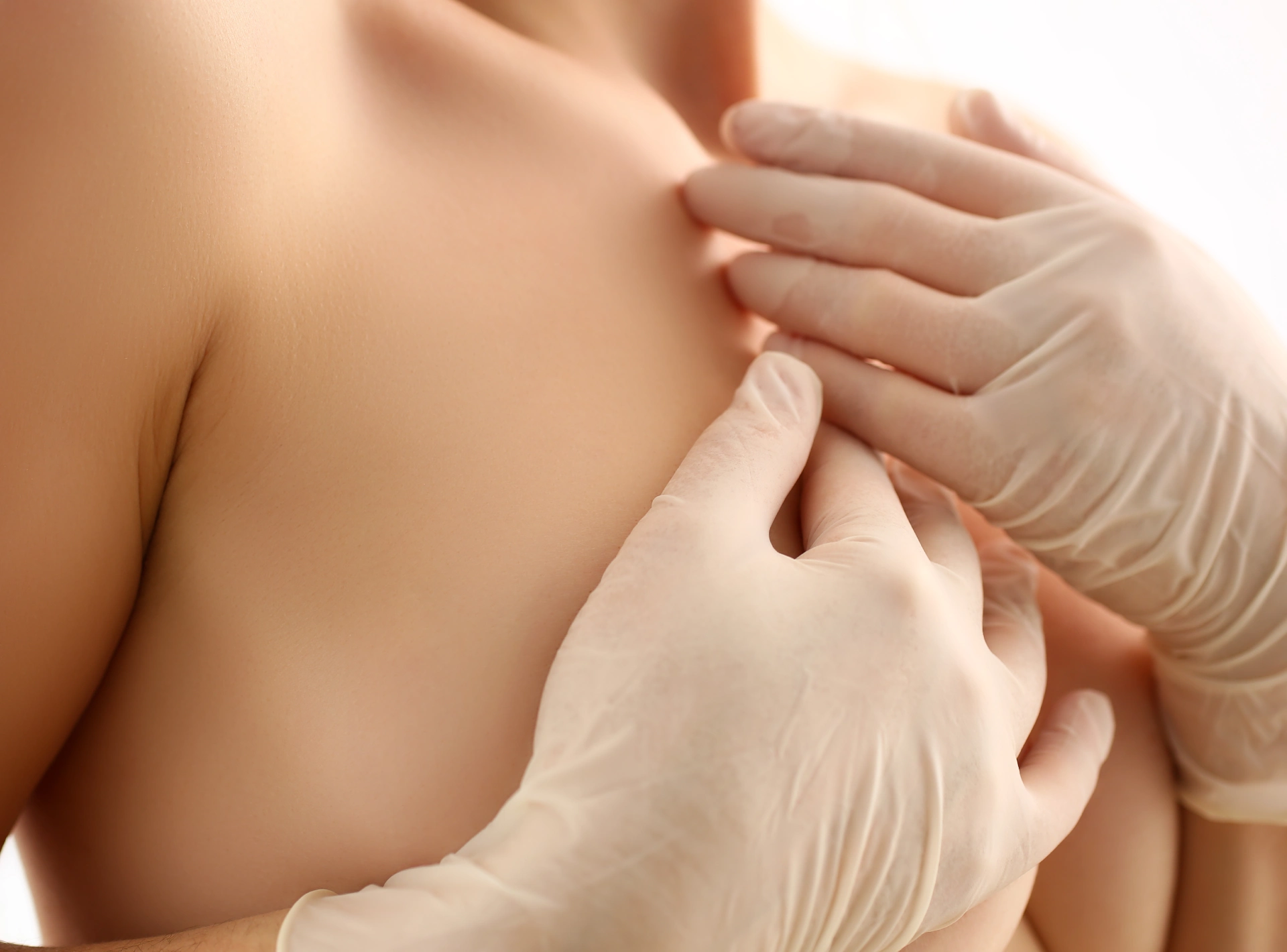
Going into breast reconstruction surgery might make you feel a lot of different things. It’s normal to be a bit nervous about the healing process, even if you’re hopeful about the results. Knowing what to expect in the days and weeks after your surgery will help you feel more ready and in charge of your healing process.
We at Perfect Doctors Clinic know that your rehabilitation is just as essential as the surgery itself. Our team will be there for you every step of the journey, giving you the competent, caring care you need to heal comfortably. We are here to help you through this process with care and understanding. We encourage you to make an appointment with us if you have questions about getting ready for surgery.
Breast Reconstruction Surgery In Dubai
Breast Reconstruction Surgery in Dubai is a specialized procedure designed to restore the shape, size, and appearance of the breast after mastectomy or injury. It can be performed using implants or the patient’s own tissue, depending on individual needs and medical advice. Understanding what to expect in the first few weeks after surgery is essential for a smooth recovery. Immediately after the procedure, patients may experience swelling, bruising, tightness, and mild to moderate discomfort, which is normal and managed with prescribed medication. Surgical dressings and drains may be placed temporarily to support healing and prevent fluid buildup. During the first one to two weeks, rest is very important, and patients are advised to avoid heavy lifting, sudden movements, or strenuous activities. Wearing a supportive surgical bra helps maintain shape and reduce swelling. Gradually, discomfort decreases, and mobility improves over time. Follow-up appointments are necessary to monitor healing and remove any stitches or drains if required. Full recovery may take several weeks to months, but visible improvements continue as swelling subsides. Following proper aftercare ensures better healing, reduced complications, and more natural-looking reconstruction results.
Let’s talk about what you may usually expect throughout the first few weeks of healing.
Your First Few Days After Surgery
Rest is the most important thing to do in the first 1-3 days after your breast reconstruction. When you wake up from surgery, you will be in a recovery room with a team of nurses who will keep a careful eye on you. Your hospital stay could be anywhere from one to several days, depending on the type of breast surgery you had. For example, if you had an implant treatment, you would stay for a day or two. If you had a natural tissue reconstruction like a DIEP flap, you might stay for a week or more.
- Discomfort Management: You will probably be hurting and exhausted. This is a natural aspect of getting better. Your doctors will give you pain medicine to help you feel better. It’s vital to take it exactly as directed, especially in the first few days, to keep the pain from getting worse.
- Surgical Drains: You will probably have one or more surgical drains in place. These are small tubes that help get rid of extra fluid from the area where the surgery took place. This helps the area heal faster and lessens edema. The nurses will show you or a caretaker how to take care of them.
- Mobility: Even on the first day following surgery, it’s crucial to get up and move around. A nurse will help you take your first few brief walks. This mild exercise helps keep blood from clotting and gets you on the path to recovery.
Your major responsibility during this time is to rest, drink a lot of water, and let your body start to mend.
Week One: Settling In At Home
After you leave the hospital, your healing continues at home. It’s vital to take it easy during the first week, which is a very important time for recuperation.
- Activity Restrictions: Your surgeon will tell you exactly what you can and can’t do, but you can anticipate to have certain constraints on your activity. You shouldn’t lift anything. You will also be told not to raise your arms over your shoulders to keep your cuts safe.
- Rest and Sleep: It’s important to get enough sleep. You will probably be told to sleep on your back with pillows under your head. This position helps keep the swelling down and stops you from placing pressure on your new breasts.
- Incision and Drain Care: It is vitally crucial to follow your surgeon’s recommendations for keeping your cuts clean and dry. At home, you will still take care of your surgical drains by emptying them and keeping track of how much they hold. At their initial follow-up consultation, a lot of patients have their drains taken out. This is frequently a huge step forward.
This week is all about paying attention to your body. It’s normal to feel fatigued. Don’t try to accomplish too much. Getting help from friends and family with meals, chores, and taking care of kids can make a big difference.
BOOK AN APPOINTMENT TODAY
Week Two: Finding A New Normal
By the second week after your breast reconstruction, you should start to feel more like yourself again. You are still very much in the healing process, although you might start to feel more energetic.
- Increased Mobility: You can typically start moving around more, such taking small walks around your area. Walking is a great, moderate way to get some exercise and improve your circulation. You still need to stay away from heavy lifting and hard work, though.
- Managing Swelling and Bruising: It’s normal to have swelling and bruising, and they should start to get better this week. Wearing the surgical bra or compression garment that your doctor gave you helps keep swelling down and gives you support.
This time is like a “breast reconstruction recovery week by week” trip, with little changes happening every day.
Weeks Three And Four: Gaining Independence
You will probably feel more independent as you progress into the third and fourth weeks. Around this time, a lot of women are given the okay to go back to work, especially if they work at a desk.
- Resuming Light Activities: You might be able to start doing some light chores around the house. You can usually drive again when you stop using prescription painkillers and feel safe behind the wheel.
- Gentle Stretching: Your doctor may suggest some gentle stretching activities to help you move more freely. Always do what they say to do when it comes to safe moves.
- Scar Care: Your cuts will be healing, and your doctor may give you advice on how to do this. This could mean using silicone strips or lotions to help scars look less noticeable over time.
It may seem like a long time until you feel better after breast surgery, but by the end of the first month, you will have made a lot of progress.
Tips For A Smoother Recovery
Everyone’s path to healing is different, but here are some things you can do to help yourself recover:
- Prepare Your Home: Before your operation, make a comfortable place for you to recover with pillows, blankets, and whatever else you could need close by.
- Eat Nutritious Foods: Eating meals that are high in protein and vitamins will help your body repair.
- Stay Hydrated: It’s crucial to drink a lot of water to get better.
- Accept Help: Don’t be scared to ask for and accept help from the people who care about you.
- Be patient: It takes time to heal. Celebrate the little things along the way and be kind to yourself.
Let Us Guide You On Your Journey
Knowing what to expect in the first few weeks following breast reconstruction will help you feel more ready and sure of yourself as you start to recuperate. Every day is a step forward, from dealing with pain to slowly getting back to your normal routines.
Perfect Doctors Clinic is dedicated to guiding you through every stage of your rehabilitation. Call us today to set up a meeting. Our team will be there to answer your questions and help you find your way back to feeling complete again.
Average Recovery Time Breast Reconstruction Surgery
The average recovery time after breast reconstruction surgery varies depending on the technique used, but most patients need about 1-1.5 months for initial healing. Full recovery may take several months as the body adjusts and tissues settle. Swelling, tightness, and mild discomfort are common in the early weeks but gradually improve.
Your First 24 Hours Of Breast Reconstruction Surgery Recovery
During the first day, patients are usually under close medical supervision. You may feel soreness, swelling, and fatigue as the anesthesia wears off. Dressings and drains may be in place to support healing. Rest is essential, and movement should be limited to avoid strain on the surgical area.
MEET THE EXPERT DOCTOR
Stages Of Healing After Breast Reconstruction Surgery
Healing occurs in stages. In the first week, swelling and discomfort are most noticeable. Over the next few weeks, bruising fades and tissues begin to settle. By 1-1.5 months, most daily activities can resume. Final results, including shape and softness, continue improving over several months.
Downtime For Desk Jobs After Breast Reconstruction Surgery
Most patients can return to their desk jobs within 14–28 days, depending on their recovery progress and the type of surgery performed. Light activities are usually manageable earlier, but it is important to avoid heavy lifting, stretching, or strenuous tasks until your surgeon gives approval.
Breast Reconstruction Surgery Recovery Dos And Don’ts
Do follow all post-operative instructions, take medications as prescribed, and attend follow-up visits. Do wear supportive garments if recommended and rest properly. Don’t lift heavy objects, sleep on your stomach, or engage in intense physical activity too soon. Avoid smoking and alcohol to support proper healing.
Best Plastic Surgeon In Dubai For Breast Reconstruction Surgery
Best Plastic Surgeon in Dubai for Breast Reconstruction Surgery should offer advanced surgical expertise, personalized treatment planning, and a strong focus on patient safety to achieve natural and balanced results. A trusted option like Dr. Perfect Celebrity at Perfect Doctors Clinic is known for delivering high-quality reconstructive procedures with attention to detail and patient comfort. Patients receive a comprehensive consultation to determine the most suitable reconstruction method based on their condition and goals. During the recovery phase, detailed guidance is provided on wound care, managing discomfort, and gradually returning to normal activities. Specialists recommend maintaining a healthy diet, proper hydration, and adequate rest to support healing. Follow-up care is essential to track recovery progress and ensure optimal outcomes. Choosing an experienced surgeon plays a key role in minimizing risks and achieving successful results. With expert care and proper aftercare, patients can regain confidence and achieve a natural breast appearance over time.