





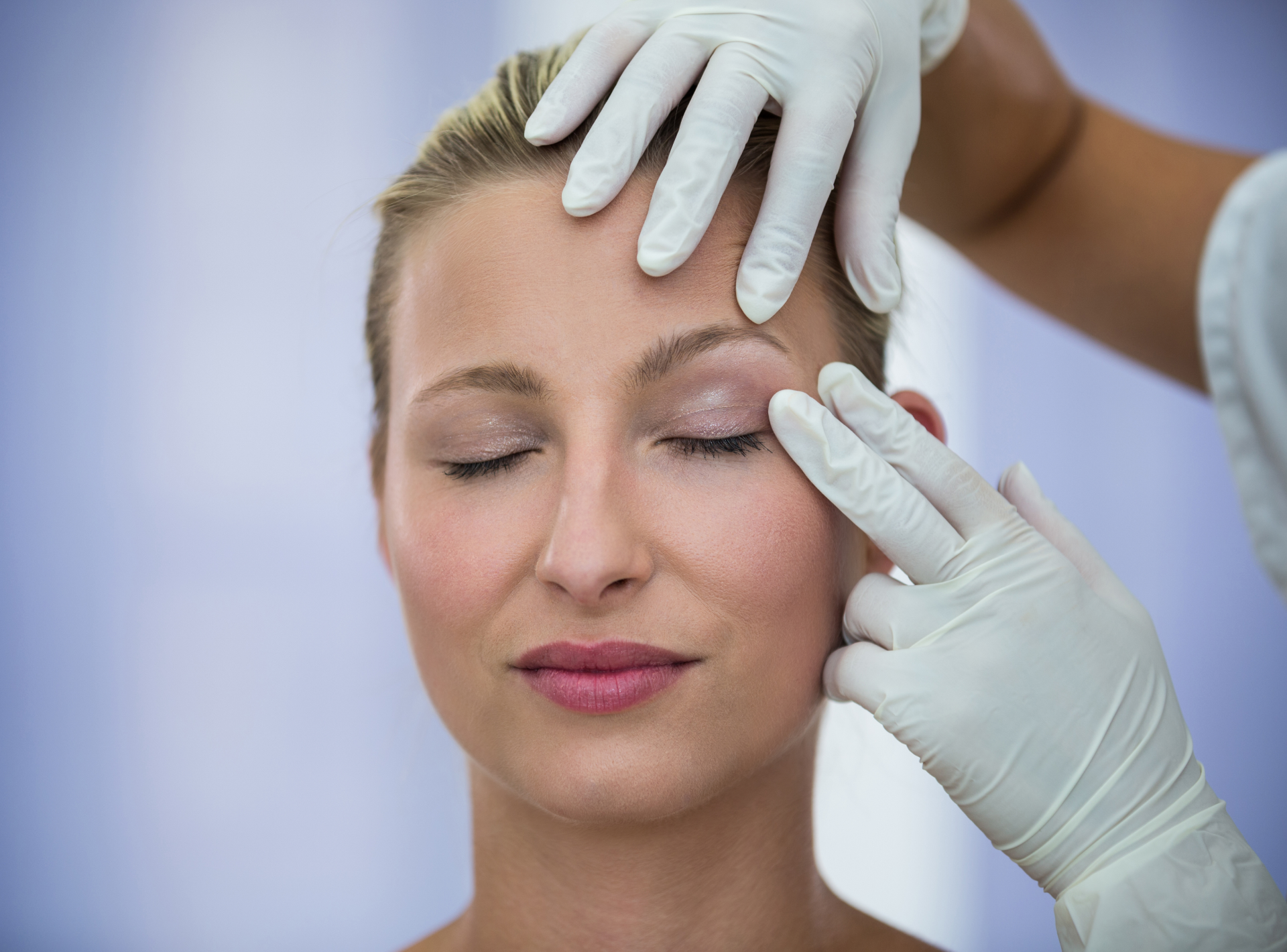
People over the age of 17 can get eyelid surgery. But the best people to get eyelid surgery in Dubai are usually healthy adults over 29, since the aging process starts to show more in the eyelids around this age.
As we get older, the skin on our eyelids gets loose and limp, and fat builds up under our eyes. This can make our eyes look tired and puffy, and it can even make it hard to see. Eyelid surgery can make you look younger and more awake by removing extra skin and fat and tightening the skin that is left.
Eyelid Surgery In Dubai
Eyelid surgery in Dubai, also known as blepharoplasty, is a cosmetic and functional procedure designed to improve the appearance and function of the upper and/or lower eyelids. The surgery removes excess skin, fat, and sometimes muscle to correct droopy lids, under-eye bags, puffiness, and wrinkles. It can enhance vision in cases where sagging eyelids obstruct sight, while also creating a more youthful, refreshed, and alert appearance. The procedure is customized based on individual anatomy, skin quality, and aesthetic goals, and can be performed alone or in combination with other facial rejuvenation treatments. Proper evaluation and surgical planning ensure safe, natural-looking results that improve both appearance and confidence.
Best Age for Eyelid Surgery
There is no set age limit for eyelid surgery, but the best age for it in Dubai depends on a number of things.
Excess Skin: The skin around our eyes loses its elasticity as we get older, which makes it sag or droop. Too much skin not only makes us look older, but in some cases, it can also make it hard to see. This extra skin can be taken off with eyelid surgery, which will make your eyes look younger and more open.
Eyebags: Bags under the eyes can happen for a number of reasons, such as genetics, lifestyle, and getting older. These bags can make someone look tired and old. Blepharoplasty can get rid of or move the fat that causes these bags, making your face look smoother and younger.
Hooded Eyelids: Some people have eyelids that naturally hang down, and this can happen early. Hooded eyelids can make you look tired and heavy, which can lower your confidence. This problem can be fixed with eyelid surgery, which will make you look brighter and more awake.
Functional Issues: Eyelid surgery can fix problems with how your eyes work, in addition to making them look better. Too much skin on the eyelids can block vision, which can be dangerous, especially when driving or reading. In these cases, blepharoplasty can improve both appearance and image.
Is It Ever Too Early for Eyelid Surgery?
Before contemplating blepharoplasty, it is generally suggested to wait until you are at least 17 years old. This ensures that your facial bones, muscles, and surrounding tissues have fully developed, which is essential for achieving long-lasting, stable, and natural-looking results. Performing surgery too early may increase the risk of complications or the need for additional procedures as you age, so waiting helps guarantee proportionate and enduring outcomes.
Younger adults may qualify as candidates if they possess the following:
- Genetic puffiness or drooping that is clearly discernible
- Functional issues, including vision obstruction
- They have substantial self-esteem concerns regarding the appearance of their eyelids.
In these instances, early intervention can offer both functional and cosmetic advantages. Correcting drooping or puffy eyelids can improve vision, enhance comfort, and provide a more aesthetically balanced appearance. However, it is imperative to undergo an exhaustive consultation with a qualified plastic surgeon to carefully evaluate growth, anatomy, and overall suitability. Proper planning ensures safe, effective, and long-lasting results that meet both functional and aesthetic goals.
Can It Be Too Late for Blepharoplasty?
Eyelid surgery, or blepharoplasty, does not have a strict upper age limit. The procedure can be safely performed on healthy patients in their 60s or even 70s, as long as they are nonsmokers and have realistic expectations about the outcomes. Age alone is not a contraindication, and many older adults achieve significant aesthetic and functional improvements, including a more youthful, refreshed appearance and relief from eyelid drooping that may interfere with vision.
When older adults are considering blepharoplasty, it is important to evaluate two primary factors carefully:
- General Health: Chronic medical conditions such as uncontrolled hypertension, diabetes, heart disease, or bleeding disorders can increase surgical risks. A thorough medical assessment is essential to ensure the patient is fit for anesthesia and the procedure itself. Managing these conditions before surgery can minimize complications and support optimal healing.
- Skin Elasticity: As we age, skin naturally loses elasticity and firmness. This can affect how dramatic the results of eyelid surgery appear. While an upper or lower eyelid lift can still provide noticeable improvements, the rejuvenation may not be as striking as in younger patients with more resilient skin. Additional procedures, such as laser resurfacing or non-surgical skin tightening, may be recommended to enhance results.
Regardless of age, it is crucial to undergo a comprehensive consultation with a qualified plastic surgeon. This discussion should cover medical history, desired outcomes, and potential limitations. Proper planning and realistic expectations ensure patient safety, satisfaction, and results that enhance both appearance and quality of life, even later in life.
With careful evaluation and expert technique, blepharoplasty can provide functional and aesthetic benefits at virtually any age, helping patients look more alert, youthful, and confident.
BOOK AN APPOINTMENT TODAY
Factors That Influence the Best Timing
Determining the optimal timing for eyelid surgery is a highly individual decision and depends on a combination of several important factors.
- Genetics: Family history plays a significant role in how and when eyelid changes occur. Individuals with a genetic predisposition to droopy or puffy eyelids may notice these changes earlier in life, making them potential candidates for earlier intervention. Understanding your family history can help set realistic expectations for timing and results.
- Lifestyle: Daily habits can accelerate aging around the eyes. Excessive sun exposure, smoking, and chronic sleep deprivation can lead to early skin laxity, puffiness, and wrinkles. Maintaining a healthy lifestyle, including proper skincare and sun protection, can slow these changes, potentially delaying the need for surgery.
- Health: Overall health status significantly affects recovery and surgical outcomes. Patients in good physical condition typically experience faster healing, lower complication risks, and more predictable results. Chronic conditions should be evaluated and managed before surgery to ensure safety.
- Goals: Personal goals are paramount when deciding on timing. Some patients seek functional correction, such as improving vision obstructed by droopy lids, while others focus on cosmetic enhancement to achieve a youthful, refreshed appearance. Many pursue both. Aligning the procedure with your specific goals ensures satisfaction with both the results and the timing of surgery.
Medical Considerations
Eyelid surgery, or blepharoplasty, is generally safe for most patients, but certain medical conditions may either contraindicate the procedure or require special precautions to ensure safety and optimal results. It is essential to carefully evaluate a patient’s overall health before proceeding with surgery.
Some health conditions that may impact eyelid surgery include:
- Cardiovascular Disease or Uncontrolled Hypertension: Patients with heart conditions or high blood pressure that is not well-managed may face increased risks during anesthesia and surgery. Proper evaluation and control of these conditions are critical before the procedure.
- Diabetes: Uncontrolled diabetes can affect wound healing and increase the risk of infection or other complications after surgery. Blood sugar levels should be stabilized prior to undergoing blepharoplasty.
- Graves’ Disease and Other Thyroid Disorders: Thyroid imbalances can influence eye health, tissue healing, and overall surgical outcomes. Patients with active thyroid disease require careful assessment and management before surgery.
- Dry Eyes or Glaucoma: Pre-existing eye conditions may increase discomfort or risk during and after surgery. Special precautions or modifications to the surgical technique may be necessary.
To mitigate risks and ensure the best possible outcomes, a thorough preoperative assessment is crucial. This includes a detailed medical history, physical examination, and sometimes additional tests. Proper planning allows the surgeon to tailor the procedure to the patient’s health needs, enhancing safety, recovery, and overall results.
MEET THE EXPERT DOCTOR
Best Plastic Surgeon In Dubai For Eyelid Surgery
Best Plastic Surgeon in Dubai for Eyelid Surgery provides expert, personalized care to rejuvenate the eye area with natural-looking results and minimal scarring. Dr. Perfect Celebrity, a renowned and highly skilled surgeon, performs eyelid surgery with precision and artistry. He carefully removes or repositions excess skin and fat through discreet incisions that follow the natural contours of the eyelids, addressing drooping lids, under-eye bags, and fine wrinkles. Using advanced surgical techniques, he ensures smooth, refreshed, and balanced results while maintaining facial harmony. Patients benefit from thorough consultations, tailored treatment plans, and attentive pre- and post-operative care in a safe, comfortable, and discreet clinical environment, helping them achieve long-lasting, natural-looking results and enhanced self-confidence.
Conclusion!
The best age for eyelid surgery in DUBAi depends on the person and a number of other things. Eyelid surgery can be a very good way to make your eyes look better and boost your self-esteem. It is very important to see a board-certified plastic surgeon to find out if you are a good candidate and make a treatment plan just for you.