





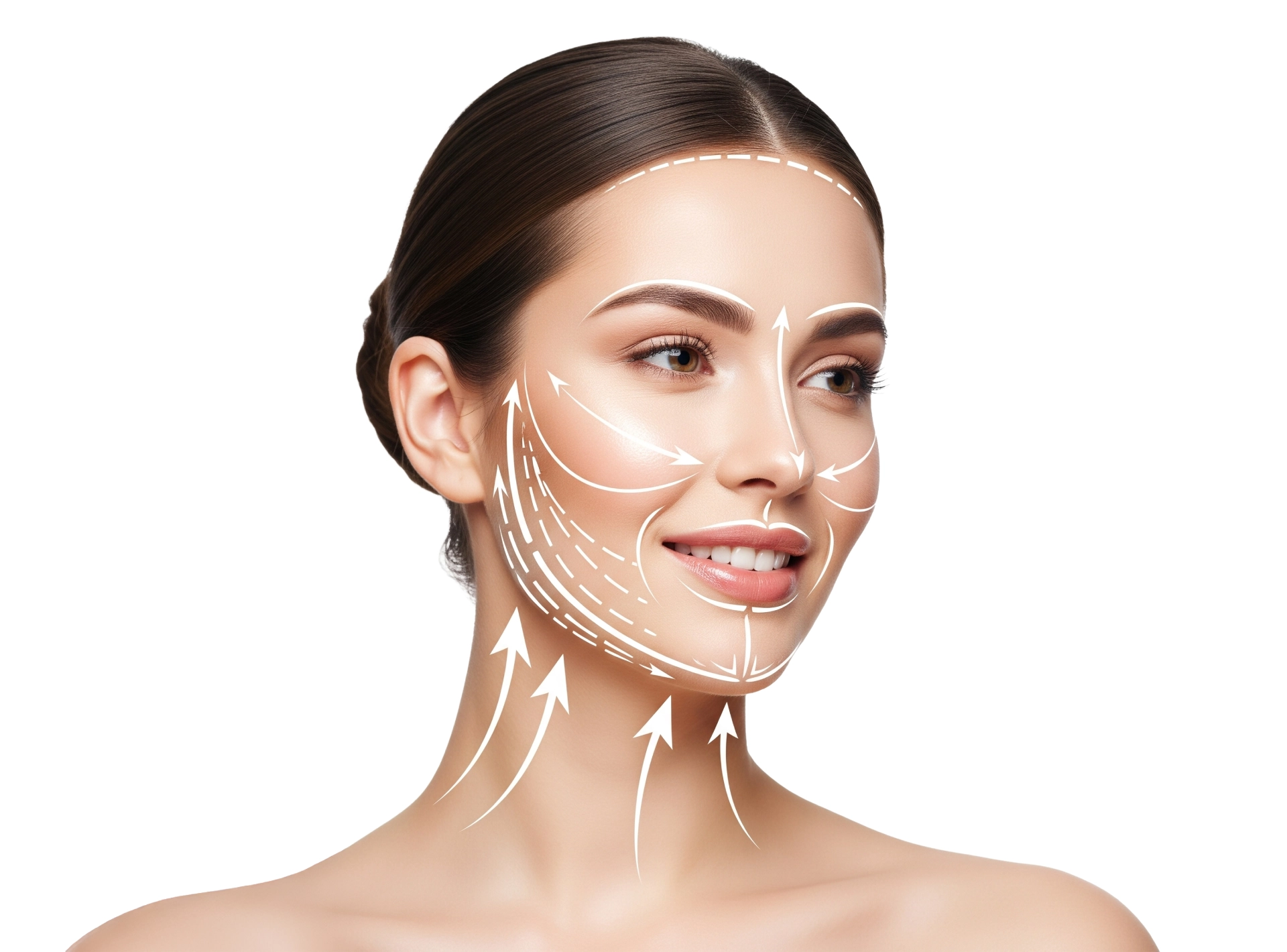
Facelift surgery is the gold standard for treating the indications of aging in the face. The operation is performed under general anesthetic, and patients usually spend the night in the post-operative recovery suite where they receive rapid post-operative care. This guarantees that pain is well controlled by the time of discharge and that patients are moving well. Small drains to minimize fluid under the skin flaps are also removed before discharge home. You will also receive instructions on how to shower and care for your wounds after surgery. Facelift aftercare is required following release home for a lower chance of problems, notably infection, edema, bleeding, and delayed wound healing.
Facelift In Dubai
A facelift in Dubai is a cosmetic surgical procedure designed to improve visible signs of aging in the face and jawline. It can address concerns such as sagging facial skin, jowls, deep folds, loose tissues, and reduced definition along the lower face. During the procedure, the surgeon carefully repositions underlying facial tissues and removes or redrapes excess skin to create smoother, firmer, and more youthful-looking contours. A facelift does not stop the natural aging process, but its results can provide long-lasting facial rejuvenation. The procedure may also be combined with a neck lift, eyelid surgery, fat transfer, or other treatments when appropriate. Recovery usually involves temporary swelling, bruising, tightness, and incision healing.
More post-facelift care tips are:
Facelift Aftercare To Lower Risk Of Infection
One of the most essential criteria in reducing the risk of post-operative infection and other healing issues is smoking cessation. It is important to avoid smoking for at least one month before and after the surgery. Dr. Perfect Celebrity avoids doing facelift surgery on individuals who are currently smoking since there is an elevated risk of problems. Other recommendations to reduce the risk of infection include a brief postoperative course of antibiotics, especially if drains are left in place. Daily showers are also important to reduce the risk of infection. Cleaning the incisions gently with soap and running water helps to reduce the bacterial load on the surgical site. Polysporin is not suggested, as many individuals will develop contact dermatitis on continuous use that may mimic a wound infection. Apply a thin layer of Vaseline twice daily until sutures are removed. Usually stitches in front of the ear are removed six to seven days post-operatively. Stitches behind the ear are removed about ten days after facelift surgery.
BOOK AN APPOINTMENT TODAY
Facelift Aftercare To Reduce Swelling
Maximal swelling is around two days post-operatively. Cold compresses should be used to minimize edema at this time. You might want to place a small towel between the cold compress and your skin to minimize the danger of cold harm. Sleeping on two to three pillows in a semi-upright position may also help minimize swelling. It is recommended not to bend over for one month after facelift surgery. If you need to, you can lower yourself by bending at the knees instead of bending over with your head first. There are crucial activity changes to follow during the first month after facelift surgery. Avoid exercise, hard activity, or heavy lifting above 4.9 lbs during this time period to decrease further swelling.
Ways To Reduce Risk Of Bleeding During Facelift Aftercare
Recommendations to reduce the risk of bleeding and swelling have much in common. Cold compresses constrict blood vessels and decrease the risk of bleeding during early healing. They may be useful beyond two days post-operatively. If you have existing high blood pressure, you must take your prescribed blood pressure medication as directed. High blood pressure also increases the risk of bleeding after a facelift surgery, resulting in a hematoma. This is a collection of blood or bleeding underneath the skin flap. A hematoma can be identified by increased firmness, bruising, and swelling on one side. If a hematoma develops after facelift surgery, then surgery may be required to remove the collection of blood and to stop any continued bleeding if found. Limiting your activity level not only helps to reduce swelling after facelift surgery, but it also reduces the risk of bleeding. Don’t take Advil, Aleve and other anti-inflammatories (NSAIDs) until your surgeon says it’s okay during facelift aftercare. If you feel pain, take your prescribed pain medication as directed; this also lowers your heart rate and risk of bleeding. If you have mild pain, Tylenol plain or extra-strength can be effective in reducing the pain without increasing the risk of bleeding.
Facelift Aftercare To Lower Risk Of Delayed Wound Healing
It is also vital to adapt your activities to help reduce the risk of delayed wound healing. Any activities or head and neck positions that generate additional tension on your incisions should be avoided. It is vital to avoid flexing your neck for prolonged durations during facelift healing. Maintain your neck in a neutral or slightly extended position to avoid exerting additional pressure on your neck tissues during recuperation. Meticulous wound care will also minimize the chance of wound healing issues, as well as smoking cessation, as previously indicated. Certain medical problems, for example, diabetes mellitus and vascular disease, may increase one’s risk of wound healing issues. As suggested by other medical concerns, Dr. Perfect Celebrity may recommend consulting with other doctors pre-operatively to examine whether any conditions require optimization before performing elective facelift surgery.
Managing Swelling and Bruising
It is common to experience edema and bruising following a facelift surgery, as these are common components of the healing process. Your recuperation period can be significantly enhanced by effectively managing these symptoms. There are specific methods that can be employed to alleviate these adverse effects and promote optimal healing.
The primary strategies consist of refraining from engaging in physically demanding activities, maintaining an elevated head position, and applying cold compresses. These strategies are essential for reducing swelling and bruising, thereby facilitating a more comfortable recovery.
Cold Compresses
A method that has been demonstrated to reduce swelling and bruising following surgery is the use of cold compresses. The application of cold compresses reduces swelling and discomfort, thereby enhancing the comfort of the recovery process. Wrap ice in a towel and apply it to the affected areas for ten to fifteen minutes, taking breaks to prevent ice burns and excessive pressure on incision sites.
This treatment facilitates a quicker and more efficient healing process by reducing inflammation and redness. Cold compresses are a straightforward yet effective method for reducing post-surgery edema and bruising and promoting healing.
Elevate Your Head
Resting with your head elevated reduces swelling and expedites the healing process following a facelift. The healing process is considerably improved, and swelling is reduced when the head is elevated while sleeping on one’s back.
Avoid Strenuous Activities
Increased edema and an increased likelihood of bleeding may result from engaging in strenuous activities subsequent to a facelift. It is imperative that you ensure your body receives adequate rest and refrain from engaging in strenuous exercise or heavy lifting until your surgeon authorizes it during the initial phase of recovery. This will aid in the prevention of edema and the promotion of proper healing.
By limiting daily responsibilities and avoiding physically taxing activities, you provide your body with the best possible chance to recover, thereby reducing the probability of complications. It is imperative to adhere to the instructions of your surgeon and exercise caution in order to optimize the results of your facelift surgery and guarantee a seamless recovery.
Pain Management Strategies
A smooth recovery following a facelift necessitates effective pain management. It guarantees patient comfort throughout the recuperating process. Although discomfort is prevalent, it can be effectively mitigated through the implementation of appropriate strategies. Comprehending pain management facilitates recovery and guarantees optimal healing.
Effective pain management strategies encompass the use of prescribed medications, natural pain relief, and the monitoring of pain levels. Each method provides distinctive advantages and can be customized to meet the specific requirements of each patient to facilitate a swift recovery.
Prescribed Medications
It is imperative to comply with the instructions provided by your surgeon regarding the prescribed medications for postoperative pain management. These medications are intended to alleviate discomfort and facilitate recovery; therefore, it is crucial that you adhere to the prescribed dosage and consult with your surgeon if you have any questions or concerns.
Natural Pain Relief
The healing process following surgery can be facilitated by the use of herbal teas and relaxation techniques, which offer natural pain relief. These techniques, which include stress-reducing techniques like meditation and controlled breathing, as well as the comforting effects of herbal infusions, alleviate physical discomfort and enhance emotional well-being.
The integration of these natural remedies with medications prescribed by a healthcare provider provides a comprehensive approach to managing post-surgical pain. This comprehensive approach facilitates a smooth transition to comfort during convalescence and promotes a more enjoyable recovery journey.
Monitoring Pain Levels
It is imperative to closely monitor your pain levels and promptly notify your surgeon of any unusual symptoms in order to ensure proper postoperative care. This vigilant surveillance facilitates a seamless recovery and optimal healing by assisting in the swift resolution of issues.
Please contact us to book a consultation to determine whether you are a candidate for facelift surgery.
MEET THE EXPERT DOCTOR
Best Plastic Surgeon In Dubai For Facelift
Best Plastic Surgeon in Dubai for Facelift offers personalized facial rejuvenation procedures designed to address sagging skin, jowls, deep facial folds, and age-related changes while maintaining natural-looking facial proportions. Dr. Perfect Celebrity at Perfect Doctors Clinic carefully evaluates each patient’s facial anatomy, skin quality, degree of laxity, and aesthetic goals before developing an individualized surgical plan. Using advanced facelift techniques, Dr. Perfect Celebrity focuses on repositioning underlying tissues, removing excess skin, and restoring smoother, more youthful facial contours without creating an overly tight appearance. Patients also receive detailed guidance regarding preparation, recovery, incision care, swelling management, and long-term maintenance. At Perfect Doctors Clinic in Dubai, the emphasis remains on patient safety, precise surgical planning, natural-looking rejuvenation, and comprehensive follow-up throughout the facelift journey.