





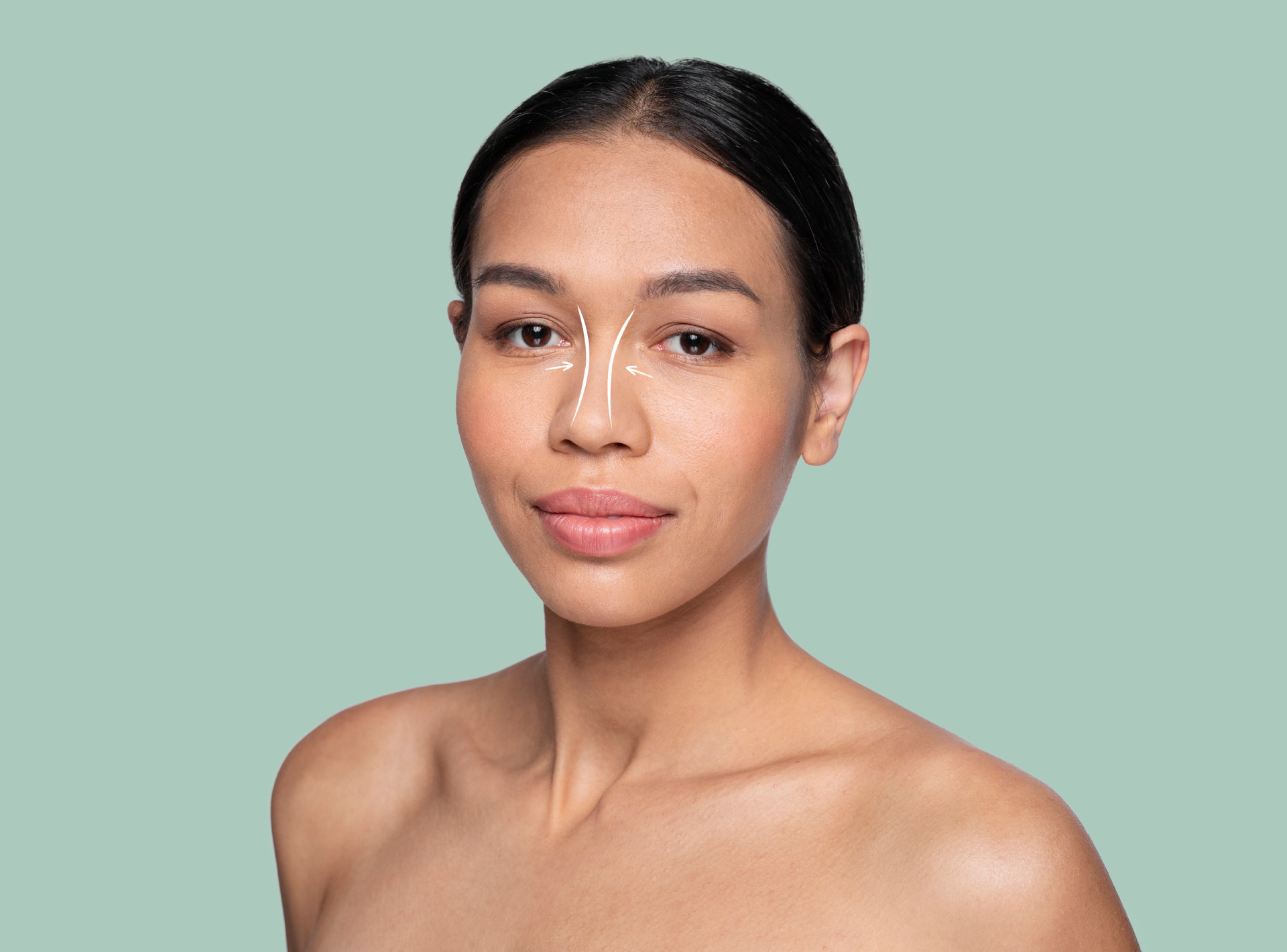
A rhinoplasty, also known as a nose job, is a surgery that changes the shape of the nose or makes it work better. The purpose of a rhinoplasty is to:
- Fix problems with breathing through the nose
- Fix flaws that happened because of an injury
- Change the shape and look of the nose for cosmetic reasons
A cosmetic rhinoplasty can change the shape of the nose so that it fits better with the rest of the face. A nose job can also fix any bumps or kinks.
Dr. Perfect Celebrity, a top facial plastic surgeon, will explain what happens during a rhinoplasty in this blog.
Rhinoplasty In Dubai
Rhinoplasty in Dubai is a surgical procedure designed to reshape or reconstruct the nose for cosmetic or functional purposes. It can correct issues such as a hump, a wide or bulbous tip, asymmetry, or breathing difficulties caused by structural problems. The surgery involves precise adjustments to the bone, cartilage, and soft tissue to achieve a balanced and natural-looking nose that complements the facial features. Recovery typically includes swelling and bruising that gradually subside over several weeks, revealing the final results. Rhinoplasty not only improves the appearance of the nose but can also enhance nasal function, boost self-confidence, and provide long-lasting aesthetic and functional benefits.
Is a Rhinoplasty Right For You?
If you want to change the size, shape, or profile of your nose, a rhinoplasty is the best option. People often get rhinoplasty because their natural noses are too thick, too thin, have nostrils that are too wide, or the tip of their nose is too upturned or pointed. Another common reason is an uneven nose or bumps.
People usually get nose jobs for medical reasons, like fixing a broken nose, fixing a previously broken nose, or fixing a birth defect.
What is Involved in the Evaluation?
Your plastic surgeon will look at your nose and talk to you about what changes can be made to make your face look better. Dr. Perfect Celebrity is a plastic surgeon who is certified by two boards and has a lot of experience doing both cosmetic and reconstructive rhinoplasties. He is one of the most sought-after surgeons in the Dubai area because he has done surgery for many years and pays close attention to every detail.
The Rhinoplasty Process
Most of the time, a nose job is an outpatient procedure, which means you can go home the same day. You will get either local or general anesthesia. You’ll be asleep during the surgery if you get general anesthesia. Your surgeon will give you local anesthesia, which will calm you down and numb your nose so you don’t feel any pain.
The surgeon cuts inside the nostrils during the procedure. The surgeon may also need to make cuts across the bottom of the nose. Then, the inner bone and cartilage are changed to make them look better.
What Can You Expect During the Recovery?
After a nose job, you usually have to wear a nasal splint for about seven days. You might have some swelling and bruising around your eyes.
You might have to take time off work for 9 to 13 days, but most people can go back to work about a week after the procedure.
What Happens Before a Rhinoplasty Procedure?
Before your rhinoplasty procedure, you will have an initial consultation with your surgeon. This meeting offers you the chance to ask questions and provide an explanation of the results you anticipate. Your healthcare provider will conduct an examination and measurement of your face, as well as take photographs. The two of you have the opportunity to deliberate on the risks, outcomes, and alternatives of surgery.
It is recommended that you bring the following:
- A compilation of the most recent medications and supplements, along with their respective dosages.
- Photographs (if available) of the desired appearance of your nose following the surgery.
What Happens During a Rhinoplasty Procedure?
Rhinoplasty is typically performed as an outpatient procedure, which means that you can return home the same day. Someone must transport you home and provide overnight accommodations. General anesthesia may be administered to induce sleep. Local anesthesia (which numbs the nose) and intravenous sedation (which induces a state of relaxation but does not induce sleep) are alternative options. The procedure may be conducted at an outpatient medical facility or hospital.
Your surgeon will perform the following procedures during your rhinoplasty:
- Closed rhinoplasty involves the creation of an incision on the inside of the nostrils. If you undergo an open rhinoplasty, you may also require an incision across the base of your nose.
- Elevates the skin that envelops the nasal bones and cartilage.
- A new shape is created, or a deviated septum is repaired by reducing, adding to, or rearranging the underlying bone and cartilage.
- Replaces the skin that envelops the nasal bones and cartilage.
- Secures your skin in place with the use of small stitches.
The duration of your rhinoplasty surgery may range from one to three hours.
BOOK AN APPOINTMENT TODAY
What Happens After A Rhinoplasty Procedure?
Following rhinoplasty surgery, you may experience:
- A small plastic splint that is designed to reduce swelling and preserve the new shape of your nose during the healing process. The splint will be worn for a period of one to two weeks.
- Your nose may be stuffed with cotton gauze (packing). In general, the packing can be removed within 1 to 2 days of the surgery, as per the instructions of your surgeon.
- It may take several weeks for swelling and bruising to subside in the vicinity of your nose and eyes. Mild facial swelling, particularly in the morning, may be present for a period of up to one year following the surgery.
What Are The Stages of Swelling After Rhinoplasty?
You will experience swelling immediately following rhinoplasty surgery. Fluid accumulates within and beneath the skin, resulting in swelling when the nose is larger than it typically is. The following are the stages of swelling that occur following rhinoplasty surgery:
- Four to six weeks after surgery: Your nose will be swollen for a period of four to six weeks following the surgery. It will appear and feel larger than usual. Bruising or changes in the color of the skin surrounding your nose may occur during the healing process.
- Three months following the surgery: The swelling will gradually diminish over the course of one to three months. The swelling will subside to approximately 91% of its original extent after three months.
- One year following the surgery: Up to one year following your surgery, you may continue to experience minor swelling in your nose. The full results of the procedure will not be visible until the swelling has completely subsided.
The healing process following rhinoplasty surgery is unique to each individual. Your results may vary in terms of the extent of swelling and the timeline for its appearance. After surgery, adhere to your provider’s treatment plan and attend follow-up appointments to ensure that your nose is healing appropriately.
What Is Asymmetrical Healing After Rhinoplasty?
Your body may respond to the surgery in a variety of ways, such as asymmetrical healing. Asymmetrical healing is characterized by swelling that affects only one side of the nose and not the other. This can be alarming and causes your nose to appear crooked. This is not an error. Asymmetrical healing is a method by which the body recovers following surgery. You may encounter this within the initial weeks following your surgery.
Will I Experience Pain After Rhinoplasty?
At the conclusion of your rhinoplasty surgery, your surgeon may administer a long-acting numbing agent. You should experience only mild to moderate pain or discomfort. The pain should subside or disappear within a few days to a week of the surgery. Take over-the-counter pain relievers as prescribed by your healthcare provider during this period to alleviate your discomfort.
What Is The Recovery Time For Rhinoplasty?
After undergoing rhinoplasty surgery, it may require up to one year to achieve complete recovery. Swelling will be present for approximately four to six weeks following the surgery, and it will gradually subside over the course of three months. Your nose may continue to heal and you may experience swelling for a period of three months to one year. Your nose will begin to exhibit its full potential after it has healed completely, which typically occurs within one year. Each individual experiences a distinct recovery timeline.
Want to Find the Best Rhinoplasty Surgeon In Dubai?
Dr. Perfect Celebrity is a very qualified nose surgeon because he is double board-certified in both facial plastic surgery and otolaryngology (ear, nose, and throat). Dr. Perfect Celebrity will give you the personalized care and attention you need when you want to change the shape or look of your nose. He will also give you the most natural-looking and flattering results.
Most people have surgery at the modern and well-equipped Perfect Doctors Clinic. From the first consultation to the follow-up after the procedure, you will get careful care every step of the way.
Please call our office today if you want to find one of the best facial plastic surgeons in Dubai. To find out more about rhinoplasty, please call our office. You can also start by filling out the form on this page to request an appointment.
MEET THE EXPERT DOCTOR
Best Plastic Surgeon In Dubai For Rhinoplasty
Best Plastic Surgeon in Dubai for Rhinoplasty offers expert solutions to enhance the shape, size, and symmetry of the nose while maintaining natural facial harmony. Dr. Perfect Celebrity is recognized for delivering precise, personalized results that cater to each patient’s unique features and aesthetic goals. Rhinoplasty can address cosmetic concerns such as a hump, bulbous tip, or asymmetry, as well as functional issues like breathing difficulties. Using advanced surgical techniques, patients can expect minimal scarring, faster recovery, and long-lasting results. With thorough pre-operative planning and attentive post-operative care, the procedure ensures both aesthetic improvement and improved nasal function, enhancing confidence and facial balance.