





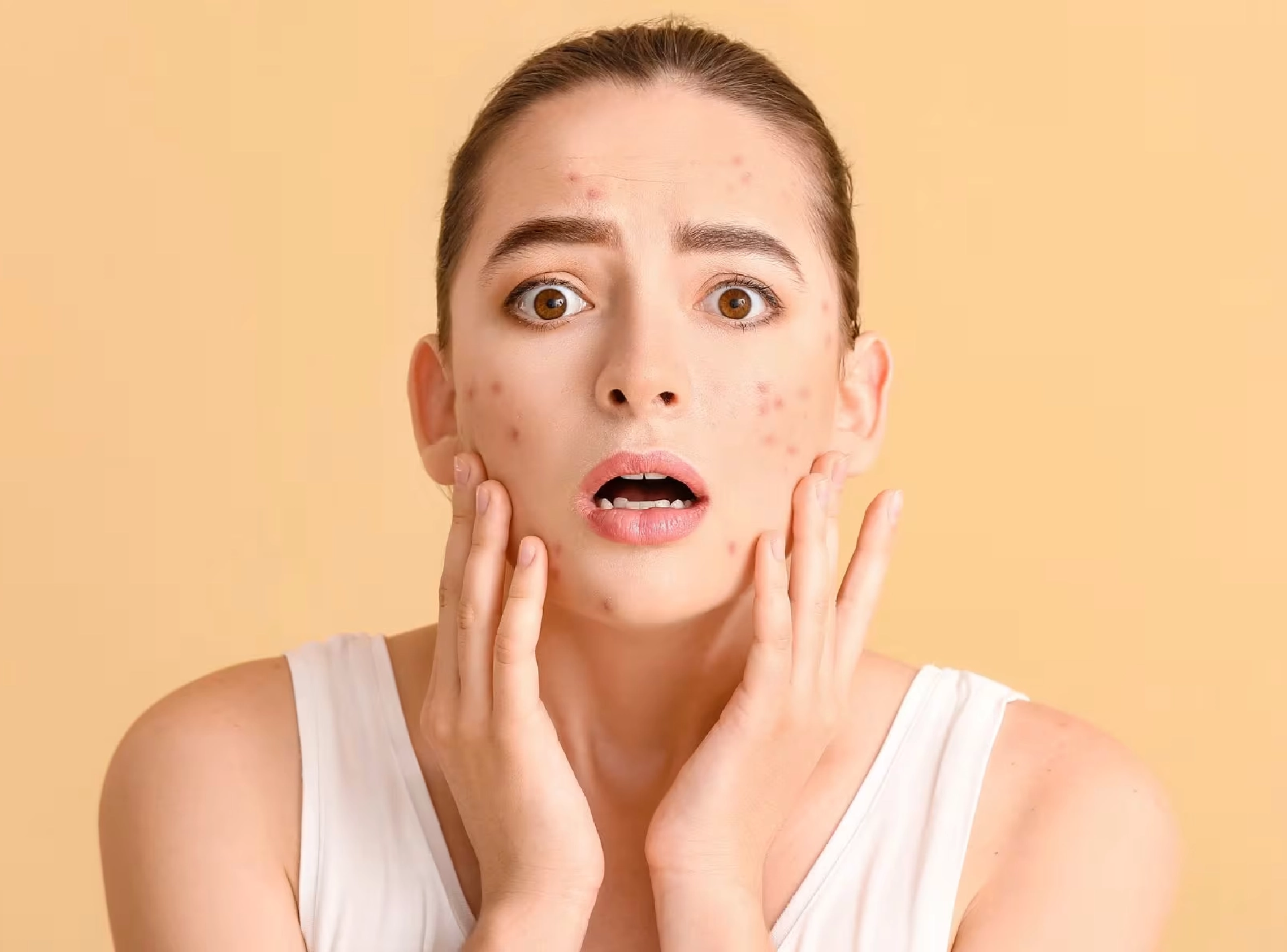
Although many adults continue to have breakouts well into their twenties, thirties, and beyond, acne is frequently assumed to be a problem that only affects adolescents. Adult acne frequently affects self-esteem and quality of life, and it can be just as annoying as teenage acne. To achieve clear, healthy skin, it is essential to comprehend the causes of adult acne and learn effective management techniques.
Acne Treatment In Dubai
Acne Treatment In Dubai are formulated to effectively address adult acne resulting from hormonal fluctuations, stress, pore congestion, excess sebum production, and lifestyle influences. Advanced options encompass chemical peels, laser therapy, medical facials, microneedling, oral medications, and prescription topical treatments. These procedures assist in diminishing active breakouts, regulating sebum production, reducing inflammation, and enhancing skin texture. Treatment plans are tailored according to skin type and acne severity to guarantee safe and enduring outcomes. With access to advanced dermatological technology and specialized care, patients in Dubai can attain clearer skin, diminished scarring, and enhanced overall skin health through regular treatment.
Understanding Adult Acne
Teenage acne and adult acne present differently. Adult acne is more frequently found on the lower face, including the jawline, chin, and neck, whereas teens frequently have oily skin and acne that is concentrated on the forehead and nose. Adult acne is frequently associated with chronic problems rather than the temporary hormonal changes of puberty and can present as inflammatory lesions, cysts, blackheads, or whiteheads.
BOOK AN APPOINTMENT TODAY
Causes Of Adult Acne
Adult acne rarely results from a single problem; instead, it is caused by a number of factors. The most frequent offenders are listed below:
1. Hormonal Fluctuations
The development of acne is significantly influenced by hormones. Clogged pores can result from androgens, like testosterone, stimulating the sebaceous glands to produce more oil. For this reason, during menstruation, pregnancy, or menopause, women frequently experience flare-ups of acne. Conditions such as polycystic ovarian syndrome (PCOS) can also trigger hormonal acne.
2. Stress
The hormone cortisol, which is produced by stress, can worsen acne by increasing oil production. Stress can also hinder the skin’s ability to heal, exacerbating pre-existing acne and delaying healing. Extended emotional or psychological stress can disturb hormonal equilibrium, compromise the skin barrier, and lead to more frequent, persistent, and challenging breakouts that require consistent skincare and lifestyle modifications to manage effectively.
3. Diet
By raising insulin levels and causing inflammation, some foods, especially those heavy in sugar and refined carbohydrates, can aggravate acne. Dairy products are frequently implicated in acne, although the precise mechanism remains up for debate. Unhealthy dietary habits may further induce hormonal imbalances, elevate sebaceous gland activity, and adversely impact gut health, all of which can contribute to chronic adult acne.
4. Skincare Products
The incorrect skincare products can cause breakouts by clogging pores. Oil-free, non-comedogenic products are essential for skin prone to acne. Excessive use of some products, particularly exfoliants, can aggravate acne and irritate the skin. Heavy makeup, scented products, and abrasive cleansers can further compromise the skin barrier, resulting in increased sensitivity, inflammation, and a deterioration of acne conditions over time.
5. Environmental Factors
Sweat, oil, and debris can build up on the skin due to pollution and humidity, clogging pores and causing breakouts. Prolonged exposure to dust, heat, and environmental toxins may also promote bacterial proliferation on the skin. Without adequate cleansing and safeguarding, environmental stressors may hasten irritation, dullness, and recurrent acne outbreaks.
6. Genetics
There is a greater chance that you will develop adult acne if your parents did. Skin type and the way your body reacts to inflammation are two examples of things that are influenced by genetics. Genetic factors can also influence pore size, sebaceous gland activity, and skin sensitivity, rendering certain individuals inherently more susceptible to recurrent and persistent acne.
7. Medications
Acne can develop as a side effect of some medications, including lithium, corticosteroids, and some antidepressants. These medications may interfere with hormonal equilibrium or activate sebaceous glands, resulting in acne. Prolonged use of specific medications may exacerbate acne management challenges and typically necessitates medical supervision to ensure safe symptom control.
8. Medical Conditions
Acne may be caused by underlying medical conditions, such as thyroid problems or digestive imbalances. Medical care and a customized treatment plan are frequently necessary for these conditions. Hormonal imbalances, including PCOS, may also induce chronic acne, underscoring the importance of professional assessment to identify and address the underlying cause rather than merely treating superficial symptoms.
How To Manage Adult Acne Effectively
A combination of good skincare practices, lifestyle modifications, and, occasionally, medical intervention is needed to manage adult acne. Here is a thorough guide:
1. Establish A Consistent Skincare Routine
The cornerstone of managing acne is a proper skincare regimen. Pay attention to skin-type-appropriate products that are gentle and effective:
- Cleanser: To get rid of makeup, oil, and grime, use a gentle cleanser twice a day. To treat acne, look for ingredients like benzoyl peroxide or salicylic acid.
- Moisturizer: Hydration is essential for even oily skin. To avoid dryness and irritation, apply a light, non-comedogenic moisturizer.
- Sunscreen: Wear broad-spectrum sunscreen at all times during the day. UV rays can cause hyperpigmentation and exacerbate acne.
2. Avoid Over-Cleansing Or Scrubbing
Excessive scrubbing can deplete the skin’s natural oils, causing your sebaceous glands to overproduce oil in order to compensate. To prevent more irritation, be gentle.
3. Choose Acne-Fighting Ingredients
Some ingredients work especially well to treat acne. When necessary, incorporate these into your routine:
- Salicylic Acid: Removes accumulation and lowers inflammation by exfoliating the pores.
- Benzoyl Peroxide: Reduces redness and eliminates bacteria that cause acne.
- Retinoids: Unclog pores and encourage cell turnover. For severe acne, prescription-strength retinoids such as tretinoin may be required.
- Niacinamide: Balances oil production and lowers inflammation.
4. Monitor Your Diet
A low-glycemic diet rich in fruits, vegetables, whole grains, and lean proteins can reduce the severity of acne. Reduce your intake of dairy and sugary foods to reduce inflammation and insulin spikes.
5. Manage Stress
Include stress-reduction methods in your daily routine, such as yoga, meditation, or consistent exercise. Relaxation and restful sleep can lower cortisol levels and enhance skin health.
6. Be Cautious With Makeup
Select “non-comedogenic” or “oil-free” products if you wear makeup. Steer clear of thick foundations that can clog pores, and always take off makeup before going to bed.
7. Treat Underlying Conditions
See a healthcare professional if PCOS, hormonal imbalances, or other illnesses are causing your acne. Hormonal treatments, such as anti-androgen drugs or birth control pills, might work.
8. Consider Professional Acne Treatments
Professional treatments can yield notable outcomes for severe or persistent acne:
- Chemical peels: Enhance texture and exfoliate the skin.
- Radiofrequency microneedling: Promotes collagen synthesis and lessens acne scars.
- Laser therapy: Lowers inflammation and targets bacteria that cause acne.
- Corticosteroid Injections: Rapidly diminish sizable, painful cysts.
9. Seek Medical Advice When Necessary
See a dermatologist if over-the-counter remedies don’t work. It might be necessary to take prescription drugs such as hormonal therapies, isotretinoin, or oral antibiotics.
MEET THE EXPERT DOCTOR
Debunking Common Myths About Adult Acne
Many false beliefs about acne can result in harmful or ineffective treatments. Let’s talk about a few:
- “Dirty skin is the cause of acne.” Although cleanliness is crucial, dirt is not the only cause of acne. Inflammation, bacteria, and hormones are important factors.
- “Pimples heal more quickly when they are popped.” Pimples that pop can spread bacteria, exacerbate inflammation, and raise the chance of scarring.
- “You’ll eventually outgrow acne.” Without the right care, many adults battle acne for years. Asking for assistance can help your skin and self-esteem.
The Effects Of Adult Acne On Emotions
Adult acne frequently has an impact on mental health in addition to its physical symptoms. Research indicates a strong correlation between anxiety and depression and acne. In addition to physical treatments, it’s critical to address these emotional issues. It can be beneficial to join a support group or speak with a therapist.
Best Aesthetic Clinic In Dubai For Acne Treatment
Best Aesthetic Clinic in Dubai for Acne Treatment is Perfect Doctors Clinic, where Dr. Perfect Celebrity provides advanced, individualized acne therapies customized to each patient’s skin type and concerns. The clinic offers thorough skin evaluations to determine the underlying causes of adult acne, including hormonal imbalances, clogged pores, or lifestyle-related factors. Treatment options encompass medical-grade chemical peels, laser therapy, tailored facials, microneedling, and prescription skincare to manage breakouts and avert future flare-ups. Each treatment plan is meticulously formulated to diminish inflammation, control sebum production, and enhance overall skin texture. Patients receive expert guidance, rigorous safety protocols, and continuous skin monitoring to guarantee steady progress. With expert care and state-of-the-art technology, Perfect Doctors Clinic assists patients in attaining clearer, healthier skin and enduring confidence.
Conclusion
Hormones, lifestyle choices, and genetics all play a role in the complicated condition of adult acne. The path to clear skin is attainable, even though it might take some time and effort to pinpoint the triggers and develop a successful management strategy. Professional advice, healthy lifestyle choices, and a regular skincare regimen can make all the difference. Recall that support for your skin and mental health is available and that you are not alone.