





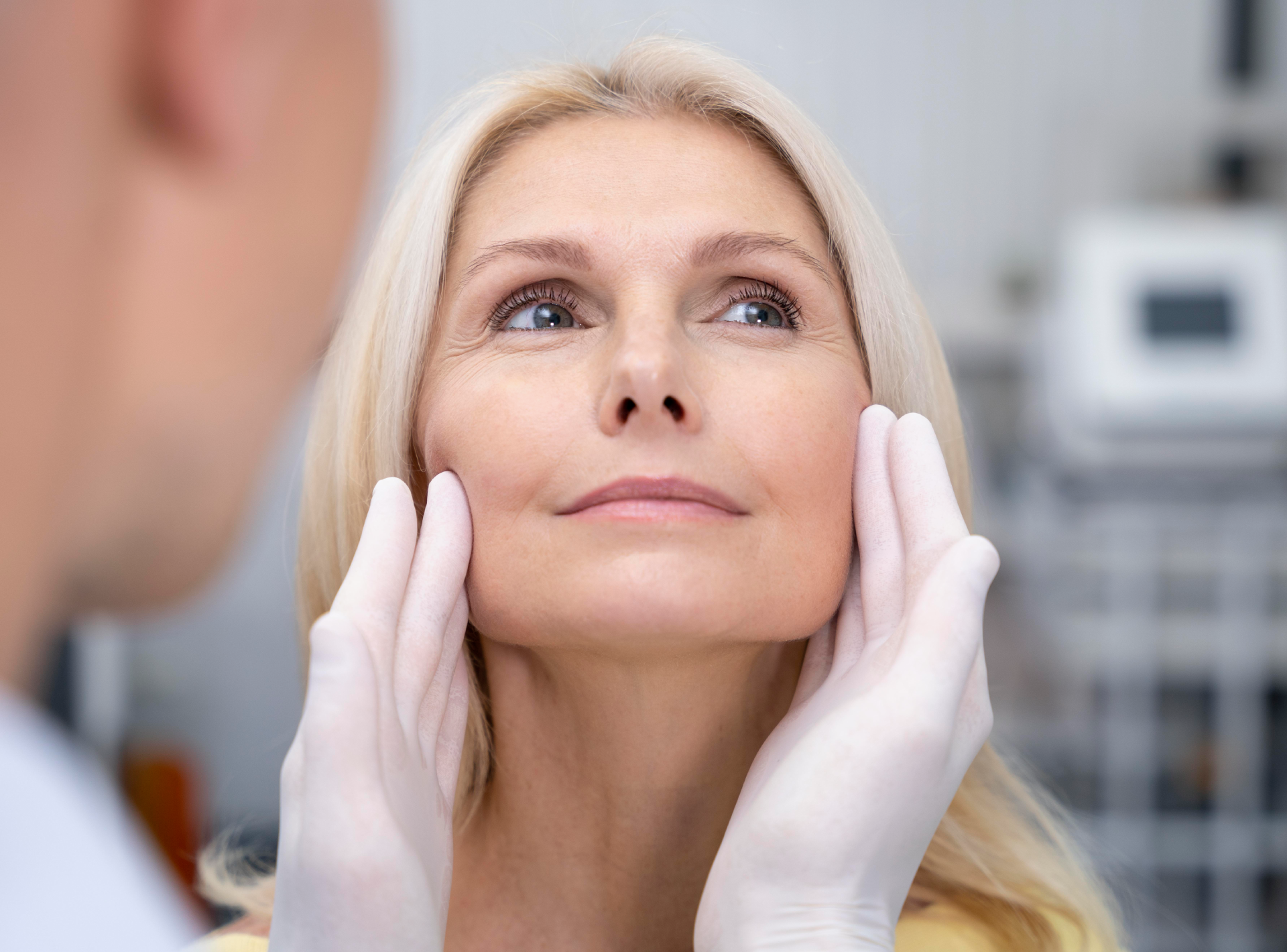
Making an informed choice when thinking about facial plastic surgery requires knowing the possible risks and complications of facelift surgery. Facelifts, one of the most common cosmetic surgery procedures, can produce amazing results in reversing signs of aging, but like any surgical procedure, they have risks that patients need to carefully consider.
Before beginning treatment, patients should talk to their facial plastic surgeon about the different risks and complications associated with facelift surgery. This information will assist you in making an informed choice regarding your care, whether you’re thinking about your first cosmetic surgery procedure or investigating options for facial rejuvenation.
Facelift Surgery In Dubai
Facelift Surgery in Dubai is a popular cosmetic procedure designed to improve facial definition, tighten loose skin, and reduce visible signs of aging. The treatment is designed to preserve the natural expressions of the face while achieving smoother contours in the cheeks, jawline, and neck. This procedure is frequently selected by patients to achieve a refined, youthful, and long-lasting aesthetic enhancement through personalized surgical planning and attentive care. Skilled specialists employ advanced techniques to ensure that the recovery process is supported by balanced results, comfort, and facial harmony. Numerous individuals greatly appreciate the refreshed appearance and renewed confidence that healing brings. For patients who are seeking a noticeable yet sophisticated facial improvement and overall enhancement after surgery, a professionally performed facelift can provide elegant rejuvenation while preserving softness, attractiveness, and natural beauty. We achieve a successful outcome.
What Is Facelift Surgery?
A facial plastic surgery procedure called facelift surgery, sometimes referred to as “rhytidectomy,” is intended to treat obvious signs of aging in the face and neck. To create a more youthful, refreshed appearance, this cosmetic procedure entails removing extra skin while lifting and tightening the underlying facial muscles and tissues.
To access the deeper facial structures, a skilled facial plastic surgeon makes strategic incisions, usually behind the ears and around the hairline. Surgery can treat age-related sagging skin, deep wrinkles, jowls, and loose neck skin.
Deep plane facelifts, mini facelifts, and traditional facelifts are just a few of the options available to patients thanks to the substantial advancements in modern facelift techniques. You should have a thorough conversation with your cosmetic surgeon about the advantages and potential risks of each approach.
Common Facelift Surgery Risks And Complications
Immediate Post-Operative Risks
Bleeding And Hematoma Formation
Hematomas are one of the biggest immediate risks after facelift surgery. When blood gathers beneath the skin, it can cause swelling and jeopardize the outcome of surgery. This is known as a hematoma. About 1-2% of patients experience this complication, which may necessitate emergency surgery to remove the accumulated blood.
During the initial period of recovery, your facial plastic surgeon will monitor you for any signs of excessive bleeding or the formation of a hematoma. Skin discoloration, increasing pain, and significant facial swelling on one side are among the symptoms.
Infection
Infection is still a possible risk after facelift surgery, despite being comparatively rare in facial plastic surgery. Compared to other body parts, the face’s superior blood supply typically lowers infection rates; however, patients must still adhere to post-operative care guidelines to reduce this risk.
Increased redness, warmth, swelling, pus formation, and fever are indicators of infection. To lower the risk of infection, your cosmetic surgeon may recommend prophylactic antibiotics in addition to providing comprehensive aftercare instructions.
Nerve-Related Complications
Temporary Nerve Dysfunction
Temporary nerve dysfunction, which can impair facial sensation and movement, is a common risk and complication of facelift surgery. The facial nerves control both sensation and muscle movement, and surgical manipulation may momentarily impair normal function.
After their procedure, the majority of patients have some degree of transient numbness or altered sensation. Usually, this condition goes away in a few weeks to months as the nerves heal and regenerate.
Permanent Nerve Damage
Permanent nerve damage is one of the most dangerous possible side effects of facelift surgery, though it is uncommon. While damage to sensory nerves can result in permanent numbness in affected areas, damage to motor nerves can cause facial weakness or paralysis.
Understanding the intricate anatomy of the facial nerves, a skilled facial plastic surgeon takes exceptional care to preserve these structures throughout the procedure. Patients should be aware that even though this risk is small, it cannot be totally eliminated.
Aesthetic Complications
Asymmetry
After facelift surgery, variations in healing, tissue response, or surgical technique can result in facial asymmetry. Although everyone has some degree of natural facial asymmetry, a surgeon may need to correct significant post-surgical asymmetry with revision surgery.
Although your cosmetic surgeon will strive for the most symmetrical outcome, patients should be aware that minor asymmetries are typically undetectable to others and that perfect symmetry is rarely attainable.
Scarring Issues
Some patients may have troublesome scars even though facial plastic surgeons carefully place incisions to reduce visible scarring. Patients who are genetically predisposed to abnormal scar formation may develop hypertrophic scars or keloids.
When appropriate postoperative care is provided, the majority of facelift scars heal well and eventually become hardly noticeable. Patients with darker skin tones or a history of poor scarring, however, should talk to their surgeon about these issues.
Healing And Recovery Complications
Poor Wound Healing
Smoking, diabetes, poor nutrition, and some medications can all hinder the healing of wounds after facelift surgery. Smokers are much more likely to experience complications, such as poor scarring, delayed healing, and skin necrosis.
To maximize healing, your facial plastic surgeon will assess your general health and give you precise preoperative instructions. This could entail giving up some drugs, eating better, and completely abstaining from tobacco products.
Skin Necrosis
When the blood supply to the skin is disrupted during surgery, skin necrosis, or tissue death, may result. Patients with certain medical conditions that affect circulation and smokers are more likely to experience this complication.
Skin necrosis can cause increased scarring, delayed healing, and the need for additional procedures, though it is uncommon in skilled hands. Careful surgical technique and appropriate patient selection are key components of prevention.
Long-Term Considerations
Variations In Expressions On The Face
After facelift surgery, some patients may notice minor changes in their facial expressions. Some people may feel that their expressions seem different or less natural, even though the majority of people accept and adjust to these changes.
To guarantee reasonable expectations and satisfaction with the outcome, talk to your cosmetic surgeon about your expectations and worries regarding changes in facial expression prior to the procedure.
Need For Revision Surgery
Revision surgery may be necessary for 6–9% of facelift patients to address complications or enhance aesthetic outcomes. This could involve more complex procedures, scar revisions, or small adjustments.
Patients are better able to plan for future expenses and make educated decisions about their initial procedure when they are aware that revision surgery may occasionally be required.
Risk Factors That Increase Complications
Patient-Related Factors
Age And Overall Health
Although age is not a barrier to facelift surgery, older patients may be at higher risk because of slower healing, medical comorbidities, and changes in skin quality. To decide if you are a suitable candidate for surgery, your facial plastic surgeon will assess your general health.
Smoking And Tobacco Use
Smoking greatly increases the risks and complications of facelift surgery. Nicotine significantly increases the risk of skin necrosis, delayed healing, and poor scarring by constricting blood vessels, which lowers oxygen delivery to healing tissues.
To reduce these risks, the majority of cosmetic surgeons require patients to abstain from smoking for a few weeks before and after surgery.
Medical Conditions
Certain medical conditions can increase surgical risks, such as:
- Diabetes
- Heart conditions
- Disorders of blood clotting
- Immune system disorders
- The keloid formation’s past
Surgical Factors
Surgeon Experience And Training
Selecting a board-certified facial plastic surgeon with a great deal of experience performing facelifts greatly decreases your risk of complications. Surgeons with expertise in facial plastic surgery are aware of the intricate anatomy and have developed risk-reduction strategies.
Surgical Technique
The risk profiles of various facelift techniques vary. Your surgeon should explain the precise method and the reasons it is best for your particular situation.
Minimizing Risks And Optimizing Outcomes
Pre-Operative Preparation
Comprehensive Medical Evaluation
By identifying potential risk factors, a comprehensive medical evaluation enables your facial plastic surgeon to adjust the surgical plan. Blood tests, cardiac clearance, and assessment of drugs that may impact healing are some examples of this.
Lifestyle Modifications
Making short-term lifestyle adjustments to maximize healing is a common part of getting ready for surgery:
- Giving up tobacco products
- Steer clear of specific drugs and supplements
- Enhancing dietary habits
- Keeping up a healthy general state
Choosing The Right Surgeon
Board Certification
Choosing a board-certified plastic surgeon or facial plastic surgeon guarantees that your physician has undergone extensive training and upholds high standards of practice. Board certification guarantees proficiency and dedication to patient safety.
Experience And Specialization
Seek a cosmetic surgeon with a lot of experience performing facelifts and who specializes in facial procedures. Discuss the surgeon’s complication rates and request to view before-and-after pictures of prior patients.
Post-Operative Care
Following Instructions
Following your surgeon’s post-operative instructions is essential to reducing complications and getting the best outcomes. This comprises:
- Taking prescription drugs as directed
- Keeping all follow-up appointments
- Steer clear of physically demanding activities
- Shielding cuts from the sun
Recognizing Warning Signs
Knowing the warning signs of possible complications enables timely treatment in the event that problems occur. Contact your surgeon immediately if you experience:
- Pain that is severe or getting worse
- Infection-related symptoms
- Unusual bruising or swelling
- Variations in skin tone or body temperature
Advantages Of Facelift Surgery You Should Know
For those who are experiencing facial aging, facelift surgery provides both emotional and aesthetic benefits. The procedure has the potential to enhance skin firmness, refine facial contours, and soften deep folds while preserving natural expressions. Numerous patients appreciate the revitalized appearance, as it establishes a more youthful and healthier impression. Additionally, personalized surgical planning facilitates long-lasting facial rejuvenation that is elegant, balanced, and naturally attractive.
BOOK AN APPOINTMENT TODAY
Why Facelift Surgery Is The Best Solution
A customized surgical approach is employed to address multiple signs of facial aging through facelift surgery, which is regarded as an effective solution. The procedure is designed to address sagging skin, weakened contours, and facial laxity while preserving the balance of facial features. Comprehensive rejuvenation with refined and natural-looking results is the hallmark of facelift surgery, in contrast to temporary cosmetic treatments. This procedure is preferred by a significant number of individuals due to its ability to improve their appearance.
How Facelift Surgery Restores Confidence And Appearance
By restoring smoother facial contours and a more refreshed appearance, facelift surgery can significantly enhance confidence. After achieving rejuvenated features, individuals frequently experience a sense of ease during professional interactions, social gatherings, and personal experiences. The process preserves the individuality and natural charm of the individual while improving the overall appearance. The elegant and naturally balanced surgical results that many patients experience provide them with a renewed sense of self-assurance.
Making An Informed Decision
Making an informed choice regarding facial plastic surgery requires an understanding of the risks and complications associated with facelift surgery. Even though complications are possible, they are comparatively uncommon when a skilled facial plastic surgeon performs the procedure using the right methods and safety precautions.
Selecting a skilled cosmetic surgeon, adhering to all pre- and post-operative instructions, and keeping reasonable expectations regarding the procedure and recuperation period are all crucial to reducing risks. The majority of patients who have facelift surgery are very happy with the outcome and have few side effects.
Make an appointment for a thorough consultation with a board-certified facial plastic surgeon before beginning any cosmetic surgery procedure. They can assess your unique case, talk about your objectives, and give you comprehensive information about the particular risks and advantages that apply to your circumstances.
Keep in mind that facelift surgery is a major procedure that needs careful thought and preparation. Make sure you’re comfortable with your surgeon and the choice to move forward with facial plastic surgery by taking the time to consider your options and ask questions.
Moving Forward With Confidence
You’ll be better equipped to make an informed choice regarding facial plastic surgery if you have a thorough understanding of the risks and complications associated with facelift surgery. Although there are risks associated with every surgical procedure, the chance of complications is greatly decreased by working with a skilled facial plastic surgeon and adhering to the right procedures.
When you approach the journey toward facial rejuvenation through cosmetic surgery with appropriate planning, reasonable expectations, and dedication to the healing process, it can be transformative. You can proceed with confidence in your choice and work toward safely and successfully accomplishing your aesthetic goals if you are aware of the advantages and possible risks of facelift surgery.
Make sure facelift surgery is in line with your lifestyle and personal objectives by taking the time to carefully consider your options and speak with experts. Facelift surgery can produce stunning, natural-looking results that improve your confidence and quality of life for years to come with careful planning and professional care.
Frequently Asked Questions
Q: What Is The Most Common Complication After Facelift Surgery?
A: The most frequent side effects include numbness, bruising, and transient swelling. About 1-2% of cases result in more serious complications, such as hematoma formation. When working with a skilled facial plastic surgeon, the majority of patients have a speedy recovery.
Q: How Long Do Facelift Surgery Risks Persist After The Procedure?
A: The first few days to weeks following surgery are when the majority of immediate risks arise. However, during the healing process, which usually takes several months, certain risks, such as infection, may arise. When proper healing takes place, long-term risks are usually negligible.
Q: Can Facelift Complications Be Prevented?
A: Proper patient selection, skilled surgical technique, and careful adherence to pre- and post-operative instructions can reduce many risks, even though not all complications can be totally avoided. The most crucial element in lowering risks is selecting a skilled facial plastic surgeon.
Q: What Should I Do If I Suspect A Complication After My Facelift?
A: If you notice any unusual symptoms or are concerned about your recovery, contact your cosmetic surgeon immediately. Early intervention can frequently stop minor problems from developing into serious complications.
Q: Are Facelift Risks Higher For Certain Age Groups?
A patient’s age does not automatically rule them out of surgery, even though they may have slightly higher risks because of slower healing and possible medical comorbidities. Rather than concentrating only on your age, your surgeon will assess your personal health.
Q: How Do I Know If My Surgeon Is Qualified To Perform Facelift Surgery?
A: Seek out board certification in plastic surgery or facial plastic surgery, a wealth of experience performing facial procedures, and positive patient feedback. Request to see before and after pictures of prior patients and inquire about their training and complication rates.
MEET THE EXPERT DOCTOR
Best Plastic Surgeon In Dubai For Facelift Surgery
Best Plastic Surgeon in Dubai for Facelift Surgery is available at Perfect Doctors Clinic, where Dr. Perfect Celebrity provides personalized care focused on safety, precision, and natural-looking facial enhancement. The initial step in any facelift procedure is a comprehensive consultation to ascertain the desired outcomes, aesthetic concerns, and facial structure. The treatment plan is meticulously tailored to achieve a harmonious rejuvenation while preserving the natural harmony and expressions of the face. Throughout the entire process, patients appreciate the attentive guidance, professional environment, and dedication to comfort. Refined results are achieved by employing advanced surgical techniques to enhance skin firmness, redefine facial contours, and reduce visible signs of aging. We meticulously provide recovery support and aftercare instructions to facilitate a more efficient healing process and sustain enduring improvement. Perfect Doctors Clinic is the preferred choice of numerous individuals due to its reputation for providing high-quality care, achieving elegant aesthetic results, and prioritizing patient care. Throughout the entire treatment and recovery process, Dr. Perfect Celebrity is committed to providing clients with rejuvenated appearances that bolster their confidence, sophistication, and naturally youthful beauty. Individualized planning, professional standards, and supportive communication are the clinic’s top priorities to guarantee patient satisfaction and comfort at all times.