





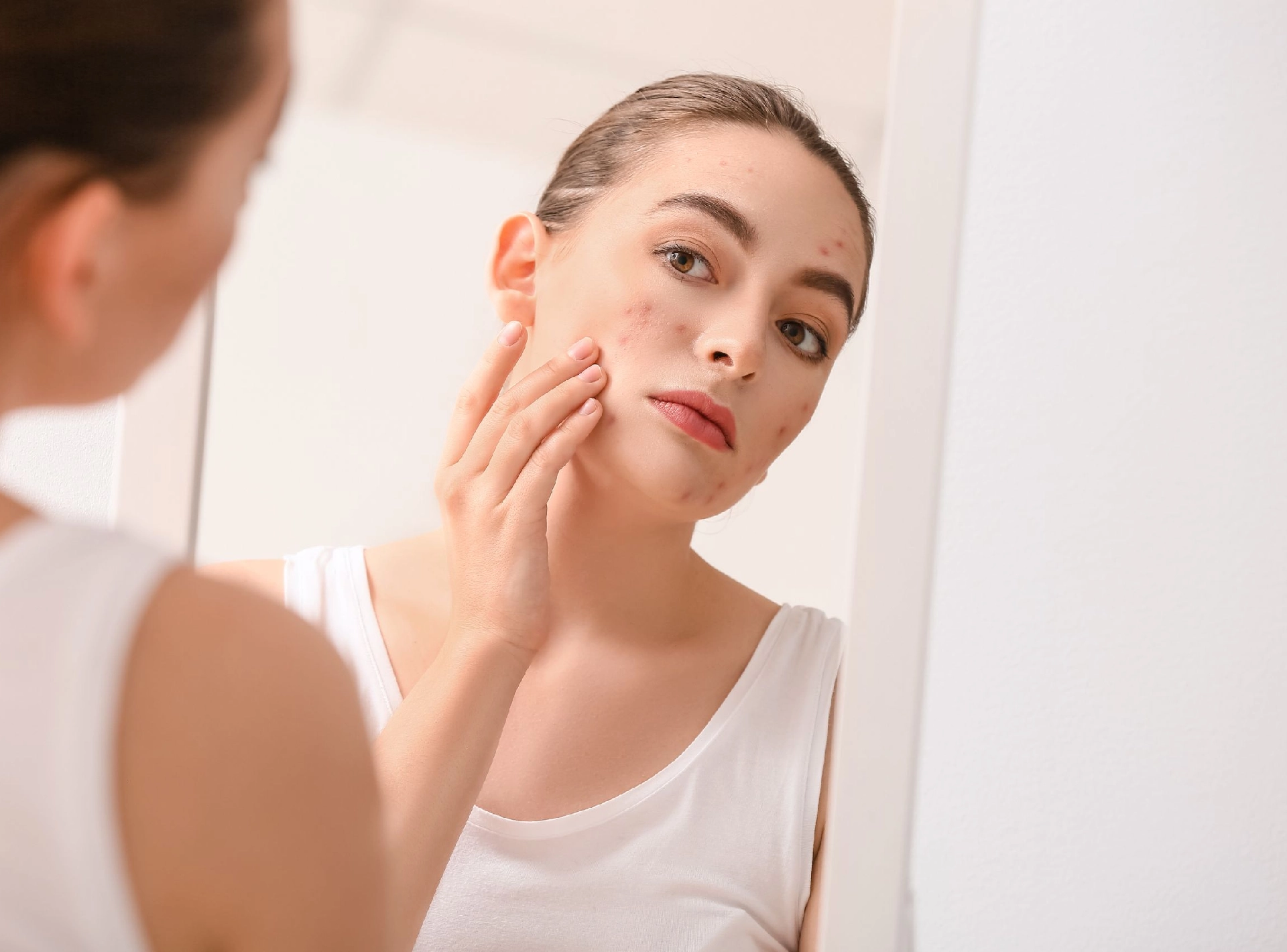
Acne is a common skin condition that typically first appears during puberty or adolescence, though some people have it well into adulthood. It typically affects the shoulders, neck, back, chest, buttocks, and face (primarily the forehead and cheeks).
Scars, patchy areas, and in certain cases, itchy and irritating skin are the results of acne, which arises when oil and dead skin cells clog hair follicles.
You should be aware that Perfect Doctors Clinic provides efficient acne treatment options to help you heal your skin and lessen the likelihood that blemishes will recur.
Acne Treatment In Dubai
Acne Treatment In Dubai are formulated to address different types of acne, such as blackheads, whiteheads, cystic, and inflammatory acne. Advanced dermatological treatments, including chemical peels, laser therapy, and microneedling, assist in minimizing breakouts, inflammation, and scarring. Treatments are customized based on skin type, the severity of acne, and the patient’s lifestyle. In addition to in-clinic procedures, dermatologists may suggest the use of topical or oral medications to manage bacterial proliferation and modulate sebum secretion. Patients gain from a thorough, individualized strategy that encourages clearer, healthier skin while reducing recovery time and ensuring enduring results.
Acne Types And Treatments
Whiteheads
When hair follicles become clogged, whiteheads, tiny, flesh-colored imperfections, form beneath the skin’s surface. Since all of the debris inside the pore is covered by a thin layer of skin cells, giving them a yellowish-white appearance, they are commonly referred to as “Closed Comedones.”
Treatment for Whiteheads: Before administering the proper acne medication, Perfect Doctors Clinic’s licensed dermatologists will assess your skin. To target the P. Acne bacteria that cause breakouts, your doctor may advise using over-the-counter acne treatments like serums and creams containing benzoyl peroxide, adapalene, or salicylic acid.
Blackheads
Because they are not skin-covered, blackheads are known as open comedones. Rather, the pore’s trapped oil seeps through the skin’s outer layer and is exposed to the elements, eventually turning dark or black. Hormonal fluctuations, oily skin, irritated hair follicles, and certain skin care products can all lead to blackheads.
Treatment for Blackheads: The best way to get rid of blackheads is to wash your skin with a beta-hydroxy acid (BHA), like salicylic acid, which reaches your pores and exfoliates them. Retinol, a form of vitamin A, is another recommendation from our Perfect Doctors Clinic skin specialists because it disintegrates clogged skin cells and prevents them from retaining oil in the future.
Pustules
Large white spots called pustules are covered in red, irritated skin and contain pus, which is a mixture of bacteria, dead skin cells, and oil. Pustules are painful to touch and typically result from an inflammatory reaction to blocked follicles.
Treatment for Pustules: Topical benzoyl peroxide or sulfur-based face cleansers can be used to treat larger pustules, while smaller pustules may resolve on their own. Both of these therapies can lessen skin irritation and stop skin and follicle infections.
Papules
Often called pimples, these swollen, reddish lumps are the hallmark of this type of acne and typically appear in groups on the forehead, cheeks, or chin. Although the pimples don’t contain pus, they do develop when bacteria, clogged pores, and excess oil become trapped deeper in the skin, resulting in inflammation.
Treatment for Papules: You may utilize the same over-the-counter medications that are effective in treating comedones. However, if your acne is highly sensitive, alpha-hydroxy acids such as glycolic or lactic acids, or azelaic acid (commonly employed in rosacea treatment), can aid in alleviating inflamed skin.
Nodules
When the skin’s pore walls deteriorate, bacteria and oil are released into other pores, clogging them and causing nodules, a severe form of acne. Nodules are uncomfortable, and if they get bigger and turn into a nodular cyst, they can leave permanent scars.
Treatment for Nodules: It is best to seek professional assistance at Perfect Doctors Clinic because nodular acne is a severe condition. Your dermatologist may recommend a combination of topical therapies and oral drugs, such as hormonal pills or edible retinol. Your doctor will go over several cosmetic options, including chemical peels, microneedling, and laser treatment, if your nodular acne leaves a scar.
Cysts
Like nodules, cystic acne develops when a pore beneath the skin ruptures, allowing bacteria, oil, or dead skin cells to spread throughout the surrounding tissue. They occasionally develop a whitehead and are filled with fluid or pus. Acne scars or discoloration may occur during the healing process of cysts, which are frequently painful and irritating.
Treatment for Cysts: Your doctor may prescribe cortisone injections to reduce inflammation, photodynamic therapy to eradicate bacteria, or surgical draining and extraction to remove large cysts in addition to the medication used to treat nodular acne.
BOOK AN APPOINTMENT TODAY
Treating Acne Scars With Laser Therapy
One frequent side effect that can significantly affect a patient’s skin and appearance is acne scarring. Perfect Doctors Clinic offers the best non-invasive and cosmetic treatments for acne scars, such as laser therapy, microdermabrasion, and dermal fillers.
By removing your skin’s outermost layers, our cutting-edge laser treatment breaks up scar tissue and promotes the production of collagen, which promotes skin cell renewal and lessens discoloration.
How Severe Is Each Type Of Acne?
Blackheads and whiteheads represent the mildest manifestations of acne. These may occasionally be resolved with over-the-counter topical medications, such as salicylic acid-based toners or benzoyl peroxide spot treatments. If they do not respond to over-the-counter medications, comedones can be effectively managed with topical retinoids. There is even a type of retinoid, called adapalene, that is now accessible over the counter. It is highly effective in eliminating blackheads and whiteheads.
Pustules and papules represent more moderate manifestations of acne. These may or may not resolve with over-the-counter medications. Extensive moderate acne may necessitate a prescription for oral or topical medication from a dermatologist.
Nodules and cysts represent the most severe manifestations of acne. It is advisable to consult a dermatologist to effectively treat severe acne. Manipulating or bursting nodules and cysts may result in scarring.
What You Can Do Now
It is essential to exercise patience during your acne treatment. Although certain treatments may produce immediate results, significant improvements may not be apparent for several months. You should also exercise caution when using multiple acne treatments simultaneously, as the result may lead to dry skin. In response, your pores may produce increased sebum, potentially resulting in more acne problems.
You should also verify whether any bumps or swelling are genuinely attributable to acne. There are numerous skin conditions that produce symptoms resembling those of acne, although they are fundamentally different. These comprise:
- Folliculitis.
- Keratosis pilaris.
- Milia Rosacea.
- Sebaceous filaments.
- Sebaceous hyperplasia.
Consulting a dermatologist is the sole means of obtaining a comprehensive and precise diagnosis. In certain instances, specialized medical intervention may be the sole method to eradicate and manage your acne.
What Can I Expect If I Have Acne?
Acne frequently diminishes in early adulthood; however, certain individuals may persist in experiencing acne throughout their adult years. Your healthcare provider or a board-certified dermatologist can assist you in managing this condition. Different medications and therapeutic interventions are effective approaches to treatment. They address the fundamental factors that contribute to the development of acne. You and your healthcare provider may need to try multiple types of treatment before identifying the most effective option for your skin. The skincare products that are effective for you may not necessarily be suitable for others experiencing similar symptoms.
MEET THE EXPERT DOCTOR
Can Acne Cause Scars?
Yes, at times, acne may result in the formation of scars. This occurs when acne breaches the outer layer of the skin and causes damage to the underlying deeper skin tissues. Inflammation causes your acne pores to enlarge and the integrity of the pore walls to deteriorate, resulting in skin damage. Scarring may be a source of concern, which is entirely understandable. Multiple treatment modalities are available for the management of acne scars.
Are you interested in learning more about acne and its remedies? To get the best medical and laser acne treatment services in the United Arab Emirates, schedule a consultation with Perfect Doctors Clinic’s top dermatologists and skin specialists!
Best Aesthetic Clinic In Dubai For Acne Treatment
Best Aesthetic Clinic in Dubai for Acne Treatment is Perfect Doctors Clinic, where Dr. Perfect Celebrity personally supervises each procedure. The clinic provides sophisticated acne treatment options customized according to the patient’s skin type, severity of acne, and medical history. The procedures include chemical peels, laser therapy, microneedling, and prescription treatments that help reduce breakouts and swelling. Through accurate diagnostic evaluations, Dr. Celebrity guarantees tailored treatment strategies to achieve optimal outcomes. The clinic prioritizes patient comfort, safety, and thorough aftercare, enabling patients to attain more even, healthier skin while sustaining long-term acne management and prevention strategies under expert supervision in Dubai. Patients are also provided with comprehensive guidance on at-home skincare regimens and lifestyle modifications to enhance treatment results. Regular follow-up appointments are arranged to assess progress and implement any necessary adjustments, thereby ensuring ongoing improvement and confidence in their skin.