





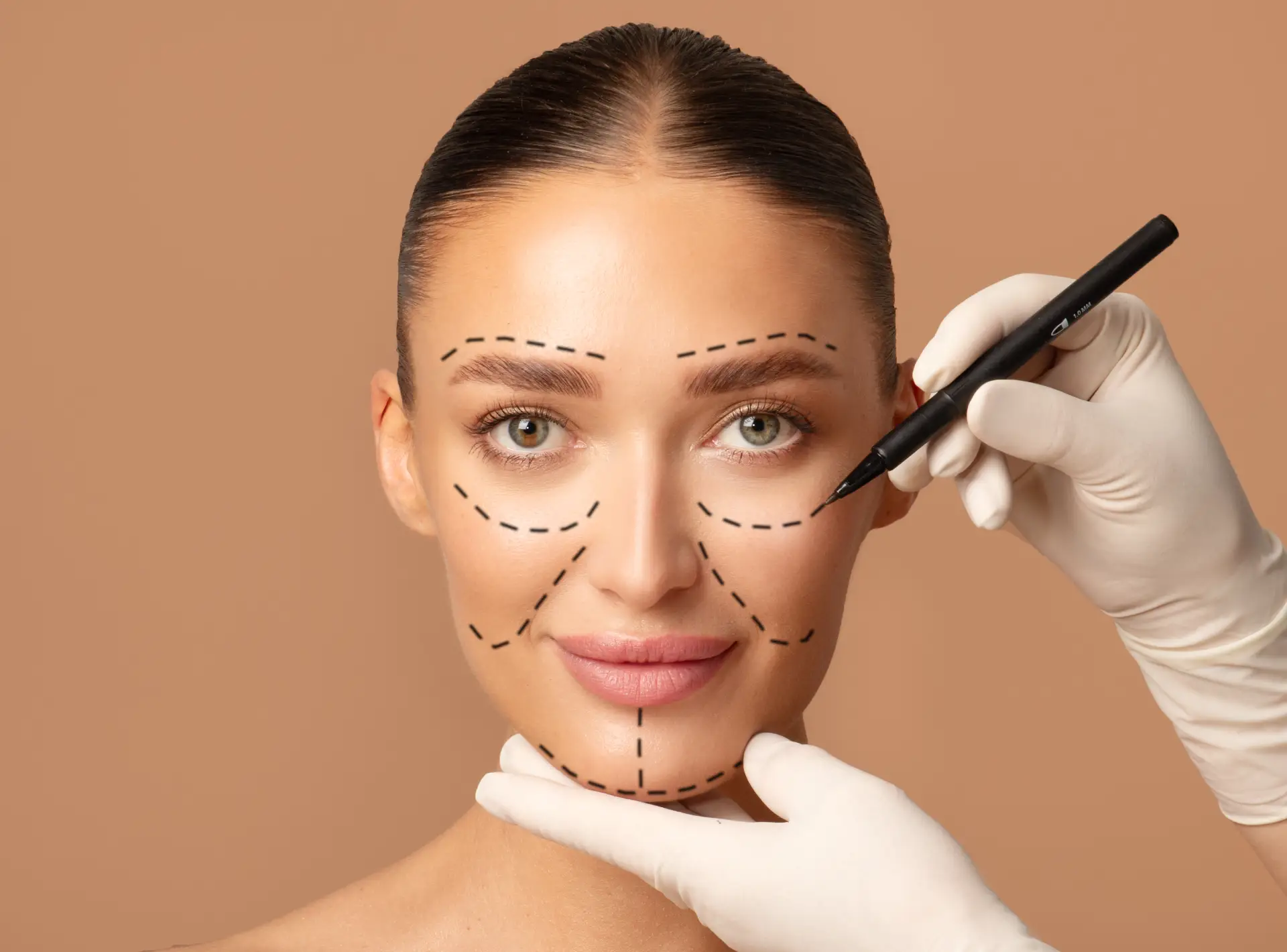
Patients often ask how to reduce facelift swelling so they can get back to normal life sooner. Facelifts are not as easy to hide as other types of cosmetic surgery.
Facelift In Dubai
Facelift in Dubai is a cosmetic surgery that helps to reduce the visible signs of aging on the face by tightening the underlying tissues, repositioning the facial structures and improving skin laxity. Facelift surgery can achieve long-lasting, rejuvenating results, but swelling is a normal part of the recovery process. Learning how to deal with the swelling can help patients recover more comfortably and have the best possible results. One of the best ways to reduce the swelling of a facelift is to keep the head elevated, particularly when sleeping. Keeping the head elevated reduces the collection of fluid in the treated areas. Cold compresses early in the healing process may also help reduce swelling and ease pain. Keeping hydrated and eating a healthy diet low in sodium can aid the body’s natural healing process. Gentle walking is frequently recommended as it helps to improve circulation and reduce fluid retention without placing too much stress on healing tissues. Most importantly, it is crucial to follow all post-operative instructions provided by the surgeon, including wearing the compression garments prescribed and attending follow-up appointments. It can take several weeks for swelling to subside after surgery, and the final results will take several months, so patience is necessary. When facelift patients follow the proper recovery protocols, they can anticipate an easy healing period and nicely renewed facial contours.
5 ways to reduce swelling after a facelift:
Sleep With Head Elevated
One of the best ways to reduce facelift swelling is to keep your head elevated during the recovery period. After facelift surgery, fluid naturally collects in the tissues being treated as a part of the healing response. Sleeping with your head elevated helps reduce this fluid build-up and encourage good drainage, which can greatly reduce swelling and discomfort. Most surgeons recommend sleeping with your head elevated on two to three pillows for the first month at least after surgery. Some patients find additional comfort and support in the early stages of recovery by sleeping in a recliner or an adjustable bed.
It is especially important to keep your head elevated above heart level while sleeping. Lying flat can increase blood flow and fluid retention in the face, which can cause more noticeable swelling when you wake up. Patients often report that swelling is worsened when they sleep in a flat position accidentally. Elevation can lessen swelling, and it can also help decrease pressure on healing tissues and enhance overall comfort. Following this advice consistently during the first few weeks can help you to recover more smoothly and may also help to reveal your facelift results sooner as swelling resolves more efficiently.
Arnica May Help Reduce Facelift Swelling
Arnica is a natural plant-based medicine that is often used in homeopathic medicine to help with reducing swelling, bruising and inflammation after cosmetic procedures. While scientific studies on its efficacy are mixed, many patients and surgeons report positive experiences with Arnica during facelift recovery. It is a popular complementary option for post-surgical care as it is available in oral tablets, as well as creams, gels and ointments.
The possible benefit of Arnica is that it may support the body’s natural healing processes and possibly reduce the appearance of bruising and swelling more quickly. Some patients may be told by their surgeon to start taking Arnica before surgery and continue taking it during the early recovery period. However, it’s important to remember that you should only use Arnica if your surgeon has approved it. Patients should not take Arnica with drugs that increase the risk of bleeding, such as blood thinners or some anti-inflammatory drugs. Because these drugs are not usually used prior to or following a facelift, many patients are excellent candidates for Arnica. Arnica is not a substitute for appropriate recovery care but when used appropriately it can be a helpful addition to a comprehensive healing plan.
BOOK AN APPOINTMENT TODAY
Avoid Exercise For One Month
Physical activity is important for overall health but after facelift surgery rest and controlled movement is important for proper healing. During the early recovery period, exercise can increase heart rate and blood pressure, which can contribute to increased swelling and bruising and even bleeding. Therefore, patients are usually advised to refrain from strenuous exercise, heavy lifting and vigorous physical activity for approximately one month after surgery.
In the first few days after a face lift gentle walking is usually encouraged as this helps to promote healthy circulation and decrease the risk of blood clots without increasing the blood pressure significantly. However, activities such as running, weightlifting, aerobics, cycling, swimming and high intensity workouts should wait until your surgeon determines that healing is progressing appropriately. Too much exercise too soon can stress the tissues that are healing and prolong the recovery time.
As they begin to feel better patients are often keen to get back to their normal fitness routines but patience is key. This gives your body some time to heal, allows the surgical tissues to stabilize, and decreases the likelihood of complications. Gradually resuming exercise according to your surgeon’s schedule can protect your facelift results and promote proper healing.
Reduce Salt Intake
Diet can play a surprisingly important role in managing swelling post facelift surgery. One of the simplest, most effective dietary changes to make during recovery is to cut down on sodium. It can cause the body to retain water which can make any post operative swelling worse and make the face appear more puffy during the healing process. Limiting sodium intake can help patients’ bodies excrete excess fluid more effectively.
Many processed and packaged foods contain high amounts of hidden sodium. Processed meats, canned soups, fast food, frozen meals, chips, sauces, and snack foods are common sources. During recovery, patients should eat fresh fruits, vegetables, lean proteins, whole grains and other nutrient-dense foods that support healing. Staying well hydrated is also important since proper hydration helps regulate fluid balance and encourages the body to flush out excess sodium.
Cutting down on salt is good for your overall cardiovascular health and for facelift recovery. Lowering your sodium intake can help control your blood pressure and ease the strain on your body’s circulatory system. Eating a healthy, low sodium diet during the first few weeks after your surgery can help you minimize swelling and have a better recovery experience.
Cold Compresses
The use of cold compresses is one of the most commonly recommended methods of controlling swelling and bruising in the first two days after a facelift surgery. Cold therapy helps constrict blood vessels to reduce inflammation, limit fluid build-up and relieve pain. Correct use of cold compresses can greatly decrease the amount of early swelling and increase overall comfort of the recovery.
Most surgeons recommend frequent use of cold compresses during the first two days after surgery, usually at a rate of 20 minutes on and 20 minutes off. Used regularly during this important time helps control peak swelling and reduces bruising around the face and neck. However, ice or cold packs should be used with extreme care after facelift. After surgery, the skin and tissues may have less sensation and be more susceptible to cold-related injury.
Do not apply ice packs directly to the face as this may damage the healing skin. Instead, wrap in a soft cloth or towel and put on. Patients should also avoid applying excessive pressure when using cold compresses on treated areas. Cold compresses can be a helpful part of a comfortable and successful facelift recovery when used with proper elevation, rest, hydration, and following post-operative instructions to minimize swelling.
When the swelling of the facelift diminishes, your early aesthetic results start to emerge. After a few weeks most of the swelling from a face lift will usually go down. There can be some slight swelling for a few months, even a year, until the scar is fully mature.
MEET THE EXPERT DOCTOR
Best Plastic Surgeon In Dubai For Facelift
Best Plastic Surgeon in Dubai for facelift is one of the most important factors in ensuring both successful surgery and a smooth recovery. Not only will an experienced plastic surgeon perform the procedure with precision, but will also offer complete advice on managing common post operative symptoms like swelling. Swelling is a normal part of the healing process following surgery, but your surgeon can provide expert guidance on how to reduce the length and severity of swelling with tailored aftercare advice. Patients are often advised to keep the head elevated, avoid strenuous activities, stay hydrated and eat a nutritious diet to help with recovery. Regular visits for follow-up allow the surgeon to monitor the healing process and deal with any concerns that may arise. Facelift specialists also educate the patients on what to realistically expect. The first few weeks will show noticeable improvements but subtle swelling may last for several months before the full results are seen. At Perfect Doctors Clinic patients should review qualifications, board certifications, patient testimonials, and before-and-after photographs. Top quality surgeons focus on patient safety, and tailor treatments to the individual to achieve natural results that enhance the unique facial features of each individual. Their surgical skills, combined with attentive post-operative care, help patients to achieve refreshed, youthful results while ensuring a comfortable and successful recovery experience.