





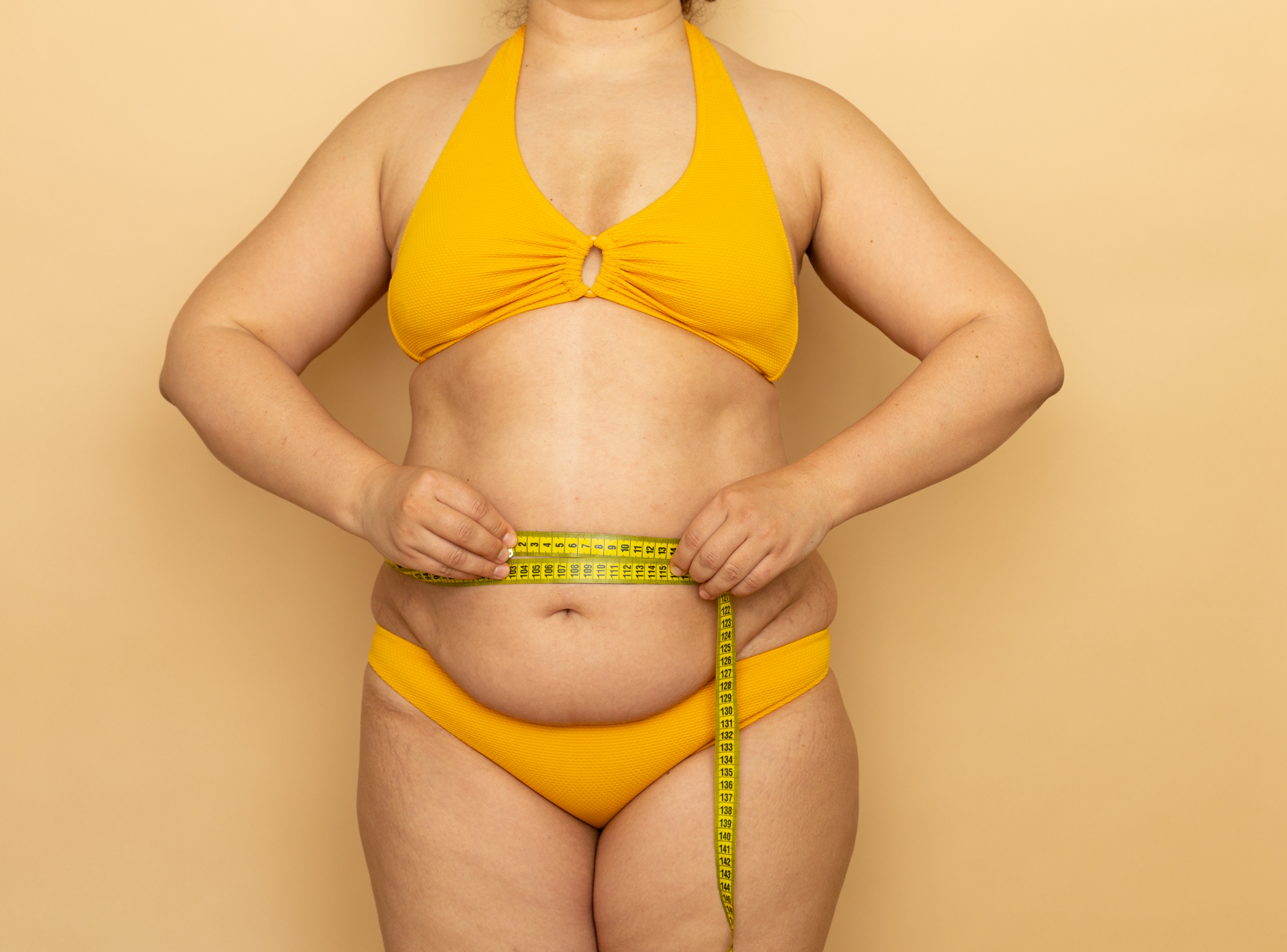
Since Italian and French doctors first utilized suction to remove fat in 1975, liposuction has come a long way. Liposuction has always been about removing fat through a cannula (hollow tube) with the use of an aspirator (suction device) to make the body seem better. This has been true even as technology and techniques have improved over time. But liposuction surgery is much safer and more effective now because of new techniques and technologies.
Liposuction In Dubai
Liposuction in Dubai has advanced significantly over the years, evolving from traditional fat removal methods into highly precise body-contouring procedures. Modern techniques now focus not only on removing excess fat but also on sculpting natural body proportions with improved safety and faster recovery. Innovations such as power-assisted, ultrasound-assisted, and laser-assisted liposuction allow surgeons to target fat more accurately while minimizing tissue trauma. Patients today benefit from smoother contours, reduced downtime, and more predictable aesthetic outcomes thanks to continuous technological progress. With expert surgeons and state-of-the-art technology, achieving your ideal body shape in Dubai has never been easier.
Early Liposuction Techniques
At first, liposuction surgery was done with large bore cannulas and general anesthesia. Sadly, these early treatments were not perfect; they had problems like abnormalities, asymmetry, blood loss, and even infections at times.
Dr. Yves-Gerar Ilouz came up with the “llouz Method” in 1984. This method used suction-assisted liposuction after putting fluid into the tissue. The method has a low rate of complications and consistently satisfactory results.
Surgeon Pierre Fournier built on these improvements by changing the incision, using lidocaine as a local anesthetic, and adding the use of compression devices following the surgery.
Tumescent Liposuction
Dr. Jeffrey A. Klein, a dermatologist from Southern California, made a big improvement to liposuction in 1986. His tumescent technique (Tumescent Liposuction) made it possible to execute liposuction on broad areas using local anesthesia (called tumescent anesthesia). This made the surgery safer and more successful. Before Dr. Klein’s method, people had to have liposuction surgery under general anesthesia, which took a long time to heal and caused a lot of blood loss during the treatment.
Tumescent liposuction is now the best way to do liposuction since it has a number of advantages over older methods:
- Patients can handle tumescent liposuction better, and it has a considerably lower risk of complications.
- Patients had less pain and a shorter recovery time after surgery.
- There is less bleeding and bruising with tumescent liposuction.
- Tumescent liposuction is usually cheaper because the anesthetic costs less.
- Surgeons can shape the body to any angle they want during tumescent liposuction, which makes the surgery better.
Advancements In Instrumentation And Technology
Plastic surgeons from all over the world have worked to improve the tools and technologies used during liposuction surgery, in addition to making the procedure itself better. This has led to the creation of many tools that can help surgeons in the procedure:
- Cannula: Continuous innovation has made today’s cannula smaller and less painful than older ones, which leads to smoother outcomes and less scars.
- Ultrasound Assisted Liposuction (UAL): This method uses a specific cannula that sends out ultrasound waves. These vibrations turn the fat into a liquid, which makes it simpler to suck out. However, the technique has a lot of possible problems, such as skin necrosis and seromas (pockets of yellow fluid that need to be drained with a needle).
- Power Assisted Liposuction (PAL): Power-assisted devices use a cannula that moves back and forth on its own, so the surgeon doesn’t have to do it manually. Power-assisted liposuction can be useful for tissue that is more fibrous, such as scars. Power-assisted tools also help the surgeon stay awake longer, which could lead to better results.
- Laser Assisted Liposuction (SmartLipo): SmartLipo is a type of laser-assisted liposuction that uses a tiny cannula with a laser fiber. The fiber sends laser energy into the fat layer, which melts the fat cells and makes it simpler to suck them out. The best thing about laser-assisted liposuction is that the laser can tighten skin. The laser’s wavelengths heat the tissue to a certain temperature, which makes the body produce more collagen. This makes the skin thicker and tighter. The newest SmartLipo device offers more energy for better outcomes and can also control the temperature to keep you safe.
Patient Safety And Improved Outcomes
Safety is still the most important part of every liposuction improvement. The operation is now a lot safer than it was in the past because of new technologies and methods. But every stage still needs competence and careful watching of the patient.
Enhanced Safety Features
Several key safety improvements have been made to modern procedures:
- Local vs. General Anesthesia: Local anesthesia is used for most surgeries these days since it lowers the risks that come with general anesthesia.
- Microcannulas and Smaller Incisions: Small, dull cannulas do less damage to tissue and speed up healing.
- Better Hemostasis: Adding epinephrine to tumescent liquids makes blood vessels smaller, which stops bleeding and bruising.
- Advanced Monitoring: During the surgery, our staff keeps an eye on the patient’s vital signs and fluid balance to make sure they can respond quickly to any changes.
Patients get better, more predictable results when there are fewer problems.
Ongoing Challenges
Liposuction is still not without risk, even with recent improvements. Some such worries are:
- Infection
- Changes in the shape or feel of the skin
- Unbalanced fluids
- Deep vein thrombosis (rare but very dangerous)
Our surgeon at Perfect Doctors Clinic carefully evaluates applicants, look over their medical history, and make tailored treatment regimens to lower the risk of complications.
Changing Social Attitudes And Cultural Impact
Liposuction and other cosmetic surgeries show how people’s self-image and culture are changing. What began as a specialized procedure has evolved into a significant aspect of global medical aesthetics.
Early Stigma And Gradual Acceptance
At first, a lot of doctors and people in Dubai and the UAE were unsure about surgery to improve look. Liposuction and other procedures like it brought up questions about ethics and vanity. As patient pleasure became more obvious and complication rates went down, public perceptions became more relaxed over time.
A lot of different people want body contouring these days. People of all ages, both men and women, want cosmetic surgery to make small or big modifications to their bodies.
The Influence Of Media And Technology
Television, publications, and eventually social media made more people aware of plastic surgery. TV shows that showed “makeovers” made people want liposuction more since they saw what it could do. Patients were able to make better decisions about their own health care since they had access to precise information and digital tools online.
Even though ideals of beauty change all the time, more and more people are getting liposuction with clear, realistic goals for their bodies. This change has led to better outcomes for patients since individuals who choose the operation tend to have steady expectations and better planning before the surgery.
Liposuction’s Role In Medical And Reconstructive Surgery
Liposuction is most often done for cosmetic reasons, although it is also used in reconstructive medicine and therapeutic treatment.
Beyond Aesthetics: Treating Medical Conditions
Sometimes, our surgeons do liposuction on people who have certain health problems, such as:
- Lymphedema: Getting rid of fat and fluid helps reduce swelling in the affected limbs.
- Gynecomastia: Male breast reduction commonly employs liposuction to get rid of extra tissue with less scarring.
- Lipomas: Fatty tumors that aren’t cancerous can be easily removed with liposuction.
Therapeutic liposuction is a meticulous method to safeguard nearby structures and speed up healing. We carefully consider the pros and cons for each patient.
BOOK AN APPOINTMENT TODAY
Fat Transfer And Regenerative Potential
Surgeon now take fat from one part of the body and move it to another for cosmetic or reconstructive reasons during liposuction. For instance, fat grafting can help reshape the face or breasts after cancer surgery or an injury. Scientists are still looking on ways to use extracted fat for regeneration, specifically concentrated stem cells that can help tissue recover or repair itself.
MEET THE EXPERT DOCTOR
Best Plastic Surgeon In Dubai For Liposuction
Best Plastic Surgeon in Dubai for Liposuction focuses on using advanced techniques that improve both safety and precision during body contouring procedures. Over the years, liposuction has evolved significantly with the introduction of modern technologies that allow surgeons to remove fat more accurately while reducing recovery time. Dr. Perfect Celebrity is known for staying updated with these advancements and applying innovative liposuction methods that help achieve smoother and more natural body contours. Earlier liposuction techniques mainly relied on traditional suction methods, but modern procedures now include technologies that assist with fat removal while protecting surrounding tissues. These developments have made liposuction more efficient and comfortable for patients. With continuous improvements in surgical tools and techniques, patients can benefit from enhanced body sculpting results, improved safety, and a more refined overall appearance.
My Preference
For most of my liposuction patients, I use a mix of tumescent liposuction and SmartLipo, and the outcomes are great. But the ideal way to get liposuction for you will depend on a lot of things, such as your body type, your goals, and your medical history. Get in touch with us today for a consultation.