





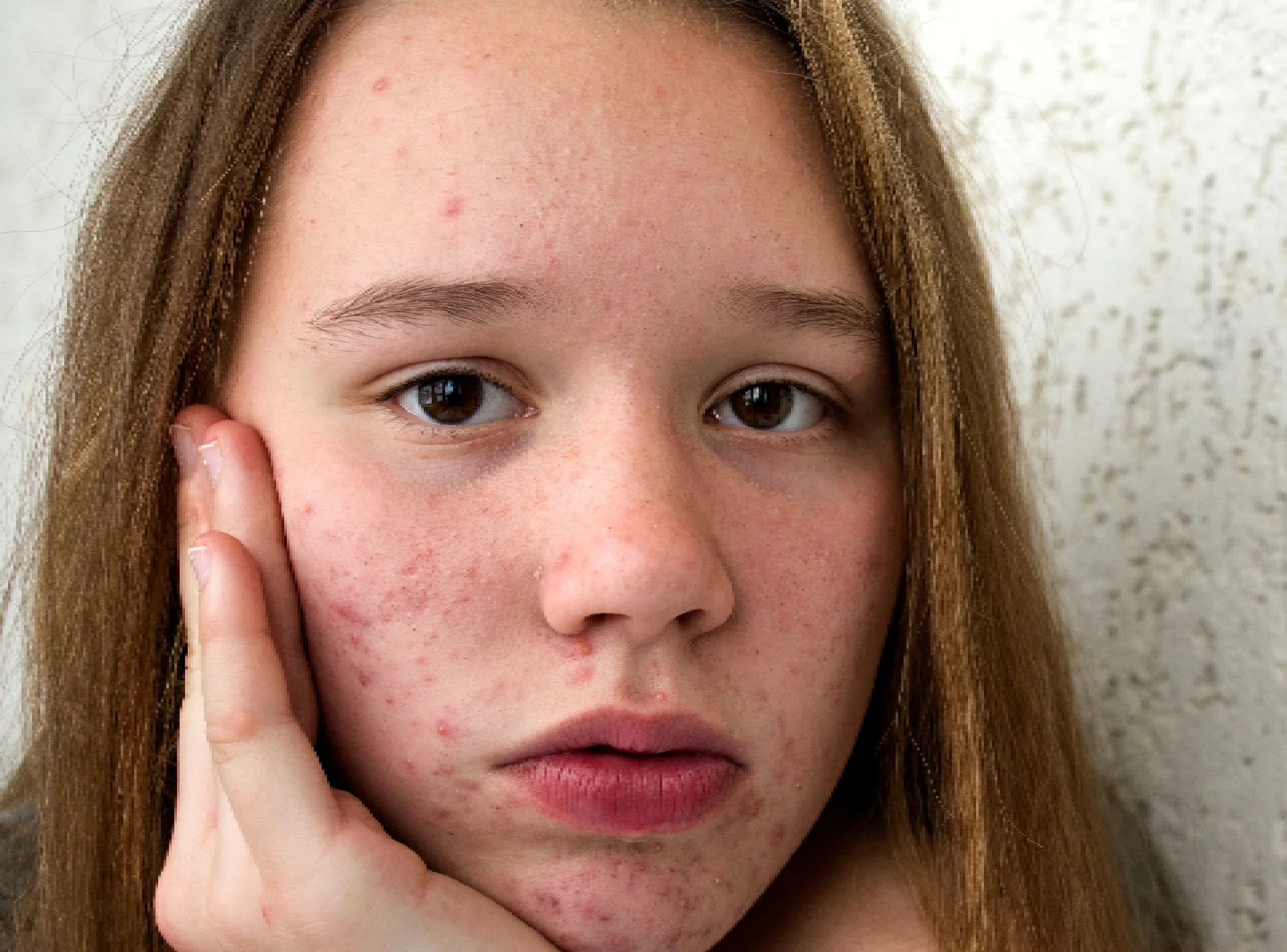
Adolescence can be a very perplexing period of life. The body is undergoing numerous physical and emotional changes. Acne is one of these obvious and noticeable physical changes. Puberty’s abrupt hormonal shifts frequently cause an increase in the production of oil, or sebum. Acne is a common issue among teenagers because sebum creates a mixture of dead skin cells, clogs pores, and traps bacteria within the skin, resulting in acne or pimples.
Acne Treatment In Dubai
Acne Treatment In Dubai are designed to target various types of acne, including hormonal, cystic, and mild-to-moderate breakouts. These treatments frequently integrate topical medications, chemical peels, laser therapy, and individualized skincare regimens to decrease inflammation, clear pores, and diminish scarring. Dermatologists in Dubai develop personalized acne treatment strategies based on each patient’s skin type, severity of acne, and lifestyle. Regular check-ins and professional guidance ensure the best results, lower the chances of acne coming back, and help teenagers regain their confidence while keeping their skin clear and healthy for a long time.
Acne Can Affect More Than Just A Teenager’s Skin.
Some teens are lucky to have only minor acne or blemishes, but others aren’t. They have severe acne, which leaves them emotionally and physically damaged. An increased risk of anxiety and depression is associated with acne, according to a study published in the Journal of the American Academy of Dermatology. The British Journal of Dermatology confirmed this, stating that people with acne are 65% more likely to experience depression than people without acne.
Depression and acne can coexist in a vicious cycle. Feelings of inadequacy brought on by acne can result in social anxiety. Acne may worsen as a result of the subsequent rise in stress hormones. Social stigma is another factor that connects depression and acne. Acne is the root cause of many bullying incidents and has a major negative impact on a person’s self-esteem.
How Can You Help Your Son Treat His Acne?
Teenagers with acne may find it extremely difficult to “fit in” and gain social acceptance. It’s critical to recognize your teen’s acne-related anxiety. Saying “it’ll go away” to allay their concerns will only make their already precarious mental state worse. Here are some strategies you can use as parents of a teen who is dealing with acne and the psychological distress it causes.
Help Them Cope Emotionally:
Adolescence is a time when self-awareness peaks, and for the vast majority of people, support from friends and family can help them cope with this skin condition. As a parent, watch for indications that your teen is experiencing emotional distress. They may stop participating in their favorite extracurricular activities, withdraw, avoid social situations, and so forth. When someone is going through a particularly trying time, try your best to be the person they can trust.
Consult A Dermatologist:
Parents should be aware that prompt dermatologist visits can significantly lower the chance of long-term harm, including psychological (like social anxiety) and physical (like scarring). From mild to severe acne, a dermatologist can help determine the severity of the condition and recommend the right drugs and treatments to control outbreaks. Additionally, they can determine if your teen is susceptible to scarring. The dermatologist will also give advice on how to maintain healthy skin and how to choose the best skincare products.
Ensuring Physical Health:
Exercise encourages perspiration, which keeps pores clear and somewhat lessens breakouts. Another crucial element in acne management is diet. Your kids’ mental and physical health will improve if they eat a diet high in fruits, vegetables, and whole grains. Some studies have linked dairy products and acne. Therefore, to find out which foods to avoid to avoid severe flare-ups of acne, it is best to consult a dermatologist.
Encourage Them To Develop Healthy Skincare Habits:
Ignoring skin that is prone to acne is a common error. Teens should refrain from picking, popping, or squeezing pimples. In general, they ought to quit picking at their faces. Squeezing pimples, particularly deep ones, can cause scarring and serious skin damage. In any case, make sure your kids consistently take their medications and products as directed. Additionally, if your kids wear makeup, have them find the best products for their skin type by consulting a dermatologist. Emphasize to them the value of taking off makeup before bed because it can clog pores and result in breakouts.
Help Them Distinguish Fact From Fiction:
It is easy to be misled by misconceptions about acne due to the abundance of information available. There are numerous misconceptions about acne, such as the idea that fast food is to blame. This assertion is not at all accurate. Fast food does not cause acne; however, it can exacerbate it. Chocolate is no different. However, it is true that consuming certain food groups in moderation is beneficial for general health. The idea that acne is communicable is another misconception that many people hold. This myth is untrue once more. Hormone surges and increased sebum production are the causes of acne. To debunk these myths, it’s crucial to take the time to comprehend and discuss them with your teenagers and a physician.
BOOK AN APPOINTMENT TODAY
How Severe Can Acne Get?
Dermatologists categorize acne according to its severity:
- Grade 1 (mild): Predominantly whiteheads and blackheads, accompanied by a few papules and pustules.
- Grade 2 (moderate or pustular acne): Numerous papules and pustules predominantly located on the face.
- Grade 3 (moderately severe or nodulocystic acne): Numerous papules and pustules, occasionally accompanied by inflamed nodules. The condition may also affect your back and chest.
- Grade 4 (severe nodulocystic acne): Multiple extensive, painful, and inflamed pustules and nodules.
Can I Prevent Acne?
There is no definitive method to prevent acne. However, these suggestions may assist in decreasing the frequency and severity of your breakouts:
- Cleansing your skin is the most essential action you can undertake. It assists in eliminating surplus surface oils and dead skin cells that have the potential to obstruct your pores. However, excessive washing can lead to skin damage by making it overly dry or aggravating existing acne.
- Remember to cleanse your skin after exercising, as sweat can obstruct your pores and exacerbate acne. If you are exposed to greasy foods or oils, or if you have been sweating due to heat or strenuous activity, promptly cleanse your face and other areas prone to acne.
- If you utilize skin care products, such as lotions or cosmetics, select those that are non-comedogenic or non-acnegenic, indicating that they do not obstruct pores.
- If you utilize hair spray or styling gel, endeavor to minimize their contact with your face as much as possible. Numerous hair products include oils that have the potential to exacerbate acne. Please consider utilizing water-based products.
- If you develop acne on regions such as your chest or back, refrain from wearing tight clothing, as it can cause friction and irritation.
What To Keep In Mind About Acne Treatment
- Acne typically requires a minimum of two months to show improvement following the initiation of treatment; therefore, patience is essential. The red and brown marks remaining from pimples may require an extended period to diminish.
- Numerous effective over-the-counter products are available for acne treatment; however, it is advisable to introduce them gradually and sequentially to prevent skin irritation.
- If your acne is more severe or results in scarring, effective medications are available from your physician or dermatologist to manage the condition.
- Most of these treatments do not completely eliminate the condition, and consistent use is necessary to prevent the recurrence of acne.
- Many of these options may result in dryness and slight skin peeling; therefore, applying an oil-free moisturizer daily is beneficial.
- Sun protection is essential for reducing the appearance of red and brown marks and safeguarding against increased sensitivity linked to certain treatments. Some moisturizers containing sunscreens may serve as an effective all-in-one solution.
MEET THE EXPERT DOCTOR
Best Aesthetic Clinic In Dubai For Teenage Acne
Best Aesthetic Clinic in Dubai for Teenage Acne is Perfect Doctors Clinic, where Dr. Perfect Celebrity offers advanced and personalized acne care. The clinic performs thorough consultations to assess skin type, the severity of acne, and underlying factors prior to recommending tailored treatment strategies. The clinic uses modern methods like laser therapy, chemical peels, and special skin products to reduce acne, stop scars, and improve skin quality. Patients are additionally provided with comprehensive post-treatment instructions, continuous support, and expert supervision to guarantee safe, effective, and enduring outcomes. The clinic’s methodology prioritizes both clinical effectiveness and patient comfort, supporting teenagers and young adults in attaining clear, healthy skin while regaining confidence in their appearance. Focusing on long-term skin health, patients are provided with guidance on appropriate daily skincare routines and lifestyle modifications to prevent future breakouts, thereby ensuring lasting clarity and radiance.
Timely Intervention Is Important
Consult with a dermatologist if you have severe or cystic acne. Over-the-counter drugs cannot be used to treat these kinds of acne. Severe scarring can result from postponing acne treatment, which can also lower self-esteem.
It is possible to effectively treat acne with prompt consultation, treatment, and follow-up.