





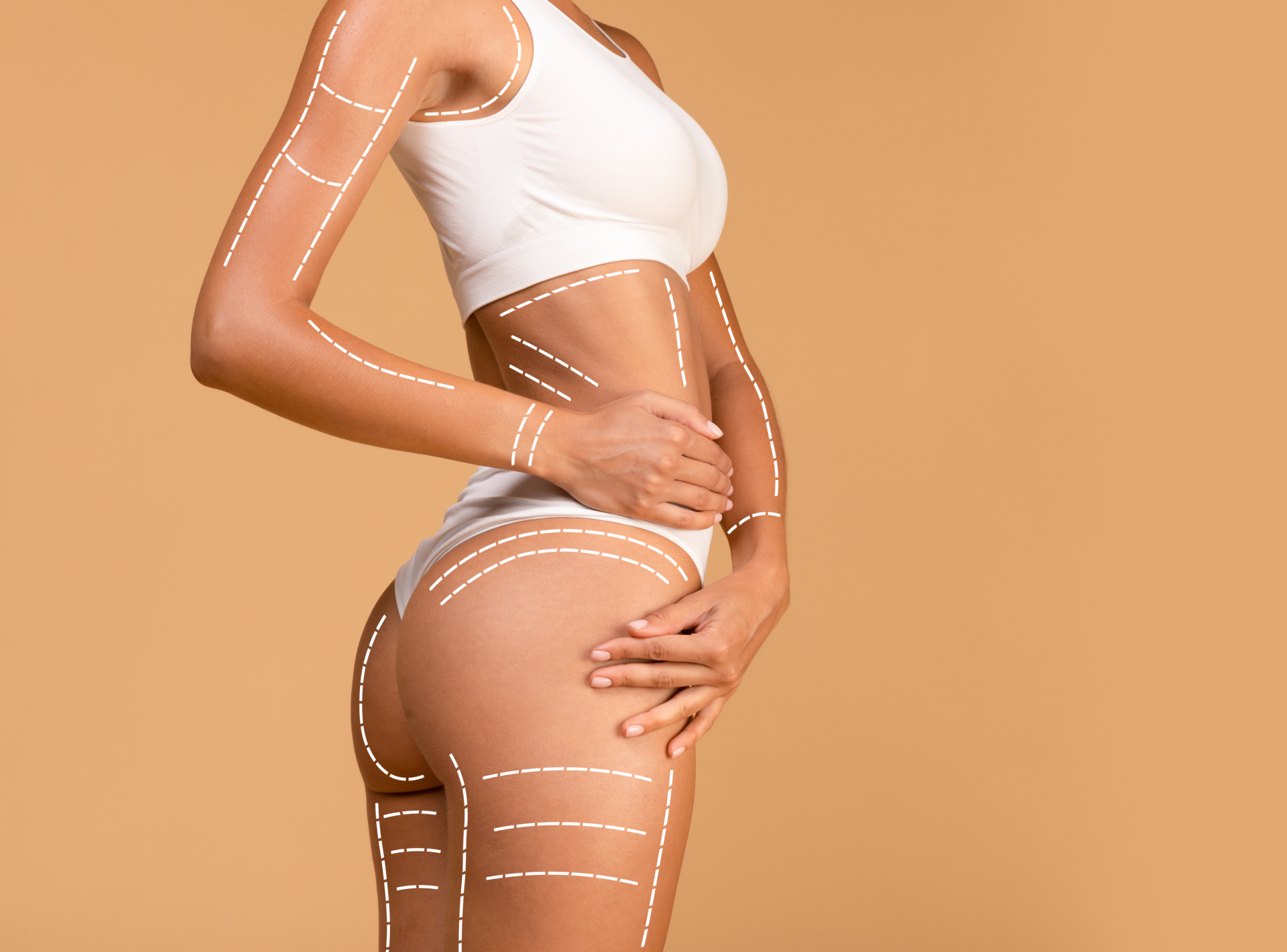
After submental liposuction, patients are usually advised to wear a compression chin strap as directed to reduce swelling and support proper healing. Mild bruising, tightness, and numbness in the treated area are common and typically improve within a few weeks. Keeping your head elevated while resting and avoiding strenuous activities for at least 7 to 14 days can help speed up recovery. Always follow your surgeon’s aftercare instructions and attend scheduled follow-up appointments to ensure optimal results.
Submental Liposuction In Dubai
Submental Liposuction in Dubai is a targeted procedure designed to remove excess fat beneath the chin, enhancing jawline definition and facial profile. Following surgery, patients must carefully follow post-operative instructions to support proper healing. Wearing compression garments, maintaining head elevation, and avoiding strenuous activity help minimize swelling and bruising. With proper aftercare and medical guidance, patients achieve smoother recovery, refined contours, and long-lasting facial rejuvenation results.
Liposuction In Dubai
Liposuction in Dubai is a cosmetic procedure that removes excess fat from targeted areas to improve body contours and proportions. One common area is the submental region (under the chin), which can accumulate fat leading to a double chin or loss of jawline definition. Submental liposuction requires careful post-operative care to ensure optimal results and smooth healing. Patients are advised to follow their surgeon’s instructions closely, including wearing compression garments, avoiding strenuous activities, and keeping the treated area clean and supported during recovery.
Post Operative Instructions For Submental Liposuction
Night Of Surgery
- Antibiotic: Take your antibiotics the night before your procedure. Keep taking your antibiotics until they are all gone.
- Movement is Important: After your surgery, be sure to get up and move around right away. Make sure to move your legs and ankles whether you’re resting down on the couch or in bed. Breathe deeply often to keep your lungs clear.
- Sleep: Lie on your back with your head raised 35 to 45 degrees (3 to 4 pillows). Don’t sleep on your side. Keeping your body more upright will help reduce swelling. Keep doing this for one to two weeks.
- Dressing: You will have a bandage over your chin and head over the surgery site. This will put pressure on the area and lower the danger of fluid buildup. The first night, DO NOT take off the dressing or get it wet. Unless your doctor tells you otherwise, they will take off the dressing on the first day after your surgery. You will get a compression wrap to wear after the dressing has been taken off.
- Compresses: After you take off your dressing, use ice compresses made of gauze sponges that have been immersed in cold water. You can also use frozen peas wrapped in a towel as a chilly compress. For the first 2 to 3 days, put the cool compresses on your chin and neck for at least half an hour at a time, with rests in between.
Medications
- Antibiotic: Start taking your antibiotic the night of your surgery and keep taking all of the tablets until they are all gone.
- Pain Medication: After your surgery, you will be given pain medication to help with the pain. You can use Tylenol instead of the prescribed medicine if your pain isn’t too bad after surgery. Do not take Tylenol with the pain medicine; the medicine you are given will usually include Tylenol in it. You should not take more than 4,050 mg of Tylenol in a day period. Take your medicine with food to lower the chance of feeling sick.
- Constipation: If you take narcotic painkillers, you will get constipated. It is best to use MiraLAX or any laxative that you may get without a prescription. Don’t wait till you’re constipated to take it. Start treatment by using narcotics.
- Nausea: If you feel sick, which is frequent following general anesthesia and a recognized side effect of some harsher pain drugs, you should take your nausea medication.
- Medications to Avoid: Don’t take any medications that your surgeon hasn’t approved or prescribed. Do not take any medications that contain aspirin or ibuprofen (Advil, Motrin, Naproxen, and others) for two weeks before and after surgery. Taking these drugs could make you bleed more.
- Substances to Avoid: Alcohol, nicotine, and caffeine are all things you should stay away from because they will slow down the healing process a lot.
Nutrition
- Diet: After surgery, you should eat a light, low-fat diet. If you don’t feel sick or throw up following your surgery, you can resume eating normally again.
- Hydration: Stay hydrated by consuming 10 to 12 glasses of water every day. Don’t drink alcohol while you’re still on painkillers.
Bathing
- Showering: You can take off your compression wrap the next day after your surgery and wash your hair and face like you normally would. After you shower, take off the wrap right away. Don’t put your neck in water.
- Hot Tubs/Baths/Swimming Pools: No hot tubs, baths, or swimming pools until your cuts have healed and your doctor says it’s okay, which is normally about two weeks. Hot tubs carry more bacteria than conventional chlorinated swimming pools; therefore, it’s recommended to wait a month.
How To Take Care Of Your Incisions
- Cleaning your incisions: After your procedure, tape will be put on the little incision line. Wear this until your appointment one week after surgery. You can put an antibiotic ointment (such as Bacitracin or Neosporin) on the area to help it recover if the tape falls off by itself.
- Crusting: Sometimes, crusting will happen around the stitches. This is natural and will go away. Don’t try to take off any crusts. Taking a shower every day will help keep crusting to a minimum. To keep the incision sites wet, use your bacitracin ointment every day.
- Sutures: At your one-week post-op visit, your doctor will take out all the sutures that need to be taken out. All the other stitches will dissolve. After the treatment, the stitches are normally taken out a week later.
BOOK AN APPOINTMENT TODAY
What To Expect
- Mild Bleeding/Drainage: After liposuction, it’s normal to see a little bit of blood coming from the access sites for the first few days.
- Bruising: Bruising is a relatively common side effect of submental liposuction. You can have bruises under your chin that go down your neck and even down your chest. Most bruises will go away in two to three weeks. The bruise will change from purple to yellow or green as it heals.
- Swelling: Swelling is normal and might last for weeks or even months. Taking breaks from activity can help the swelling go down. Exercise and physical exercise may temporarily exacerbate swelling but are recommended. It can take up to three to six months for the edema and skin shrinking to go away completely.
- Itching: It’s typical for the incision areas to itch for a few days. Benadryl may help with this.
- Pain: After surgery, it’s typical to feel stiffness, pressure, shooting pain, soreness, and tiredness for a few days to weeks as your body heals.
- Sensory Changes in Skin: After liposuction, there is frequently a numb spot under the chin. This will go away on its own over time.
Activity
- Physical Activity: After a few days, you can start doing normal everyday activities again. For the first week after surgery, you shouldn’t bend over, strain, or lift more than 6 pounds. If you wear any “pull-over the head” clothes, be very careful.
- Compression Wrap: You must wear the compression wrap for the first week after the submental liposuction treatment. After that, you should wear it on and off for the next few weeks as your surgeon tells you to. It is very important to make sure that the wrap is putting even and smooth pressure on the neck. The wrap should not curl or clump up.
- Shaving: After a submental liposuction, it’s normal to feel numb and irritated under the chin. Because of this, you shouldn’t shave for at least the first five days after your surgery.
- Driving: Do not drive or make significant decisions until you have been off painkillers for a day. Make smart choices.
- Return to work: Most patients need between a week and two off work, depending on what their job duties are and how much physical contact they have with other people.
- Exercise: You can start exercising again about three weeks following surgery, but you should start slowly and work your way back up to your old levels. Just remember that exercising may make the edema worse for a short time.
- Travel: You can start driving again right away, but you need to take breaks every two hours to keep blood from accumulating in your legs and forming clots. You can’t fly until a week after your surgery. You may notice more swelling when you fly, and this can happen even 1.5 to 2 months later because of the changes in pressure.
Do Not’s
- DO NOT put ice on the skin; before doing so, make sure it is wrapped in a gauze pad or towel. DO NOT put anything frozen straight on the skin.
- DO NOT until all of your cuts have healed; do not soak in baths, jacuzzis, or hot tubs; and do not put your face in water.
- DO NOT until your surgeon tells you it’s safe, don’t use Aspirin, Ibuprofen, Naproxen, or any other blood thinners.
- DO NOT rub or massage your neck until a doctor has looked at it and told you it’s okay to do so.
Emergency Situations
When To Call us Or Go To The Hospital
- Signs of Infection: Signs of infection include redness that spreads, swelling that gets worse, drainage that gets worse or pus that drains, pain that gets worse, warmth at the incision site, and a temperature over 100 degrees Fahrenheit.
- Excessive Bleeding: If the dressings are soaked with bright red blood and you have to change them too often.
- Other Emergency Situations: Other emergencies include shortness of breath or trouble breathing, chest pain, feeling lightheaded that doesn’t go away fast, severe vomiting, and pain or swelling in your legs that isn’t even.
MEET THE EXPERT DOCTOR
Best Plastic Surgeon In Dubai For Submental Liposuction
Best Plastic Surgeon in Dubai for Submental Liposuction provides comprehensive post-operative guidance to ensure safe and effective healing. During recovery, Dr. Perfect Celebrity closely monitors progress, manages discomfort, and adjusts care plans as needed. Patients receive clear instructions on hygiene, activity restrictions, and follow-up schedules. With expert supervision and structured aftercare, individuals experience faster recovery, minimal complications, and beautifully defined chin and jawline contours.