





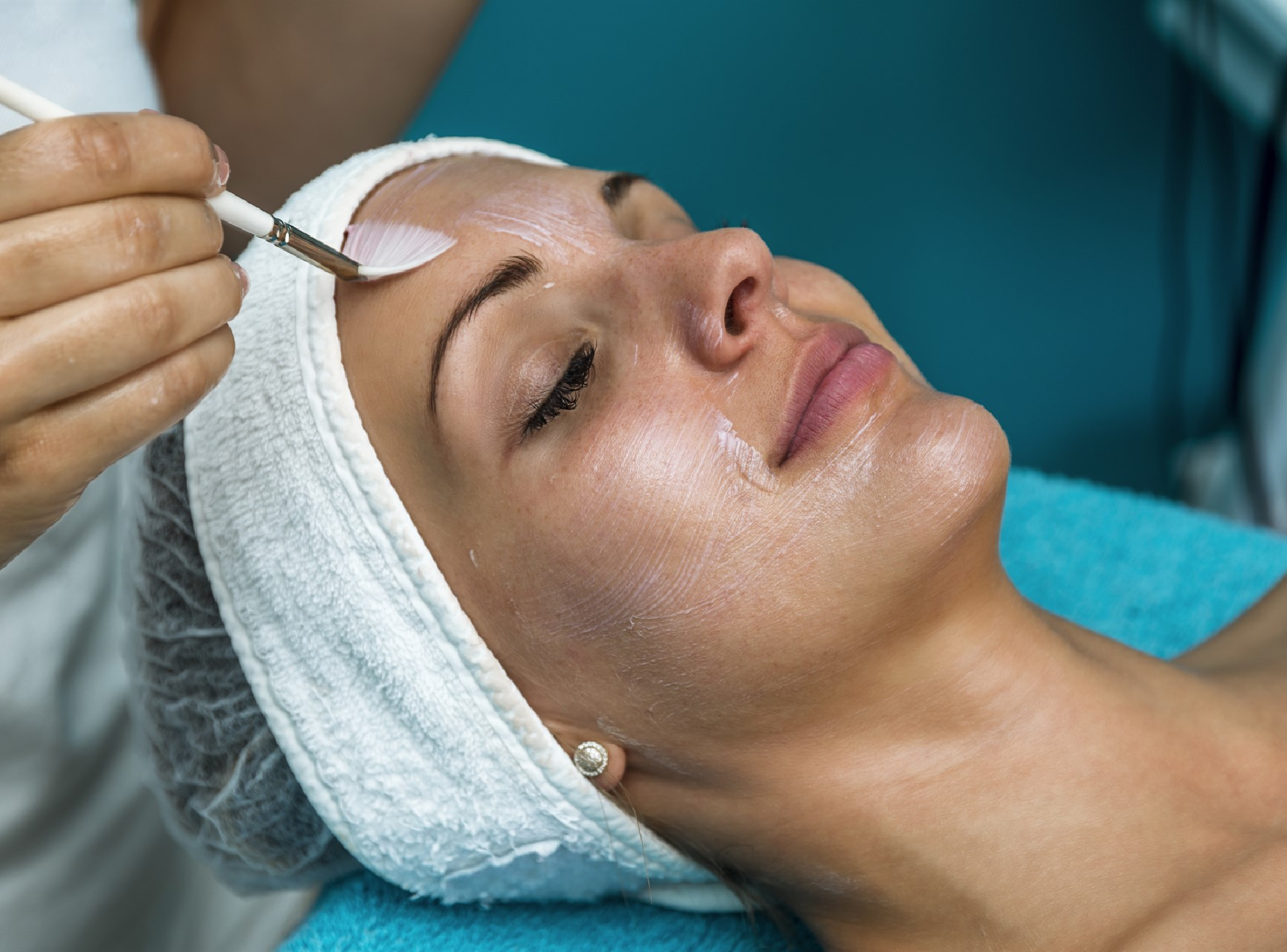
Chemical Peels In Dubai
Chemical peels in Dubai are non-surgical skin rejuvenation treatments that use specially formulated solutions to exfoliate and remove damaged outer layers of the skin. They help improve skin texture, tone, and clarity by reducing acne, pigmentation, fine lines, sun damage, and uneven complexion. By stimulating cell renewal and collagen production, chemical peels reveal smoother, brighter, and healthier-looking skin with minimal downtime, depending on the peel strength.
From Targeting Dryness To Improving Skin Texture, Chemical Peels Are A Winter Skin Saviour
In order for us to close out the year on a positive note, the arrival of winter promises holiday cheer for the remaining months. However, the cold weather can be harsh on our skin because it causes it to lose moisture and hydration, which will eventually result in dry, patchy, and irritated skin. An effective skincare routine that includes hydration and exfoliation is essential to preventing our skin from acting up at this time of year. Given this, we present to you a comprehensive overview of a skincare procedure that has unintentionally gained popularity—and for good reason. A chemical peel, sometimes referred to as derma peeling or chemical exfoliation, is a professional procedure that uses mild acids to remove the top, damaged layers of skin to resurface it. By dissolving the material that holds these cells together and severing their bond, the chemical solution “peels” away the dead skin layers. This eventually leads to the removal of the debris on the epidermis’ outermost layer, revealing smoother, renewed skin right away. Due to the complete lack of physical force in their operation, chemical exfoliators are kinder than mechanical ones, despite their name. Of course, it can be frightening to hear the word “chemical” used to describe a skincare procedure. However, chemical peels are a very popular procedure; in fact, dermatologists all over the world prefer chemical peels for skincare because of their effectiveness and simplicity of use. Chemical peels are also known as lunchtime facials because the procedure takes 30 to 35 minutes. Now let’s examine the various kinds of chemical peels and their advantages.
What Are The Types Of Chemical Peels?
There are three levels of potency for chemical peels. Different chemical solutions are used for different types of peel. The answer is decided based on your particular skin type and concern. The longer the recovery period and the more significant the results, the deeper the peel.
- Light, superficial, or mild peel: Only the epidermis is penetrated by a mild acid. This helps remove dead skin cells only from the outermost layer (the epidermis) and has little downtime. For up to six weeks, a gentle peel can be applied once a week.
- Medium peel: Medium peels have a far higher content level than mild peels, despite using mild acids as well. Deeper skin penetration and the elimination of dead skin cells deeper into the epidermis are guaranteed by a higher acid percentage. You can do this peel once every two to three weeks.
- Deep peel: As the name implies, these peels target the innermost layers of the epidermis and are more resurfacing. Strong acids, such as phenol, are used to treat skin that has been severely damaged by the environment or other factors. The results of a monthly deep peel can last for up to eight weeks.
What Are The Types Of Chemical Solutions Used In Chemical Peels?
Chemical solutions come in a variety of forms, ranging from weak to potent. However, the following are the most popular chemical peel solutions:
- AHA (alpha hydroxy acids): Alpha hydroxy acids, or AHAs, are water-soluble and exfoliate the skin’s surface while retaining moisture to keep it hydrated. They are excellent for encouraging cell turnover and giving the skin a youthful, glowing, and healthy appearance. They are available in several forms, including lactic, mandelic, glycolic, and tartaric acid. For dry skin, lactic acid works particularly well. AHAs are derived from natural sources and are used to treat acne, dryness, uneven skin tone, and fine wrinkles.
- BHA (beta hydroxy acids): BHAs are oil-soluble and can be used to treat zits, blackheads, and whiteheads by unclogging oil-clogged pores. Additionally, they have anti-inflammatory properties, which are beneficial if the exfoliation process irritates the skin. Salicylic acid, a longtime favorite for treating acne spots, is one of the most widely used BHAs. It dissolves impurities by penetrating deeply into pores.
- Trichloroacetic acid, or TCA: Medium peels use TCAs higher than 24 percent. These medium-to-strong acids are perfect for treating long-standing skin conditions like wrinkles, hyperpigmentation, and acne scarring.
- Jessner’s Peel: The Jessner Peel, developed by German-American dermatologist Dr. Max Jessner, combines 15% lactic acid, salicylic acid, and resorcinol, a mild disinfectant and antiseptic. More powerful than AHA and BHA peels, this one is excellent for sun spots, freckles, hyperpigmentation, fine lines and wrinkles, and advanced acne scarring. It also helps to promote the production of collagen.
What Are The Benefits Of Chemical Peels?
There is more to chemical peels than just exfoliation. They are the perfect way to revitalize winter skin and make it soft, healthy, and radiant because of their advantages. The following are the main advantages of chemical peels:
- Increased synthesis of collagen, which helps to make skin firmer.
- Reduction of blemishes and scars from acne.
- A minimally invasive approach to skin improvement that shows results.
- Decrease in wrinkles and fine lines.
- Improved texture of the skin.
- Decrease in redness and discoloration (including liver spots, age, and freckles).
- Reversal of environmental harm.
- Youthful, glowing, and healthy glow.
Give us a call to schedule a chemical peel appoin
BOOK AN APPOINTMENT TODAY
A Chemical Peel Good For All Skin Types?
Generally, superficial chemical peels are suitable for all skin types. However, individuals with darker skin tones face a higher risk of skin darkening following treatment. This condition is known as post-inflammatory hyperpigmentation. If you possess a naturally darker skin tone, it is advisable to consult your dermatologist regarding alternative, less aggressive treatments to minimize the risk of hyperpigmentation.
Chemical peeling may also be contraindicated if you:
- Possess a history of atypical skin scarring.
- Possess additional pigmentation within your scars.
- Possess skin conditions or be on medications that increase skin sensitivity.
- It is not advisable to remain outdoors in the sun during the healing period.
What Should I Expect After The Chemical Peel?
The expectations vary according to the depth of your chemical peel.
If you have undergone a mild chemical peel:
- Anticipate a reaction resembling a sunburn following your peel, characterized by redness accompanied by peeling that persists for a duration of three to seven days.
- Apply the lotion or cream according to the instructions until your skin has fully healed. Once your skin has healed, ensure the application of daily sunscreen.
- You may apply makeup immediately following the treatment or on the following day.
- Additional peels may be repeated at intervals of two to five weeks until the desired results are attained. Typically, three to five peels are required to attain your objective.
If you have undergone a medium-depth chemical peel:
- Anticipate some redness, swelling, stinging, and peeling of your skin. Swelling may persist and/or intensify for up to 2 days. Blisters may form and subsequently rupture. The skin will form a crust and subsequently peel off within a period of seven to fourteen days.
- Conduct daily soaks in accordance with your healthcare provider’s instructions. Apply the ointment following each soak. Apply lotion or cream on a daily basis. Avoid exposing your skin to sunlight until full recovery is achieved.
- Antiviral treatment must be administered for a duration of 9 to 15 days.
- Makeup may be applied after five to seven days.
- Additional medium-depth peels may be performed at intervals of six to twelve months, as necessary, to sustain the achieved results.
If you have undergone a deep chemical peel:
- The affected area will be covered with a bandage. Your dressings will be removed in a few days. Anticipate a recovery period of 15 to 20 days.
- Conduct daily soaks in accordance with your healthcare provider’s instructions. Apply the ointment following each soak. After a period of 15 days, gently apply moisturizer in accordance with the instructions provided. Refrain from exposing your skin to sunlight for a period of three to six months.
- Antiviral treatment must be administered for a duration of 9 to 15 days.
- Allow a minimum of 15 days before applying any makeup.
- A single deep facial peel may be performed on your face.
To achieve optimal results, regardless of the depth of your peel, adhere to these recommendations:
- Avoid using tanning beds or any other form of indoor or outdoor tanning during the healing process.
- Once your skin has healed, it is essential to consistently apply a daily sunscreen.
- Apply a daily moisturizer as directed to maintain skin hydration and prevent scarring.
Your new skin is delicate and more prone to complications. Your physician will furnish you with post-treatment guidelines to minimize the risk of developing abnormal skin pigmentation following your peel and to prevent other potential complications.
If you experience itching, swelling, or burning sensations on your skin, please contact your physician. Scratching the skin may result in an infection.
MEET THE EXPERT DOCTOR
Best Aesthetic Clinic In Dubai For Chemical Peels
Best Aesthetic Clinic in Dubai for Chemical Peels offers advanced, customized peel treatments designed to improve skin tone, texture, and overall radiance while addressing concerns such as acne, pigmentation, and fine lines. At Perfect Doctors Clinic, expert practitioners use medical-grade chemical peels and personalized protocols to ensure safe, effective, and natural-looking skin rejuvenation with minimal downtime and long-lasting results.
Schedule An Appointment
The professionals at Perfect Doctors Clinic Dubai are prepared to advise and assist you.