





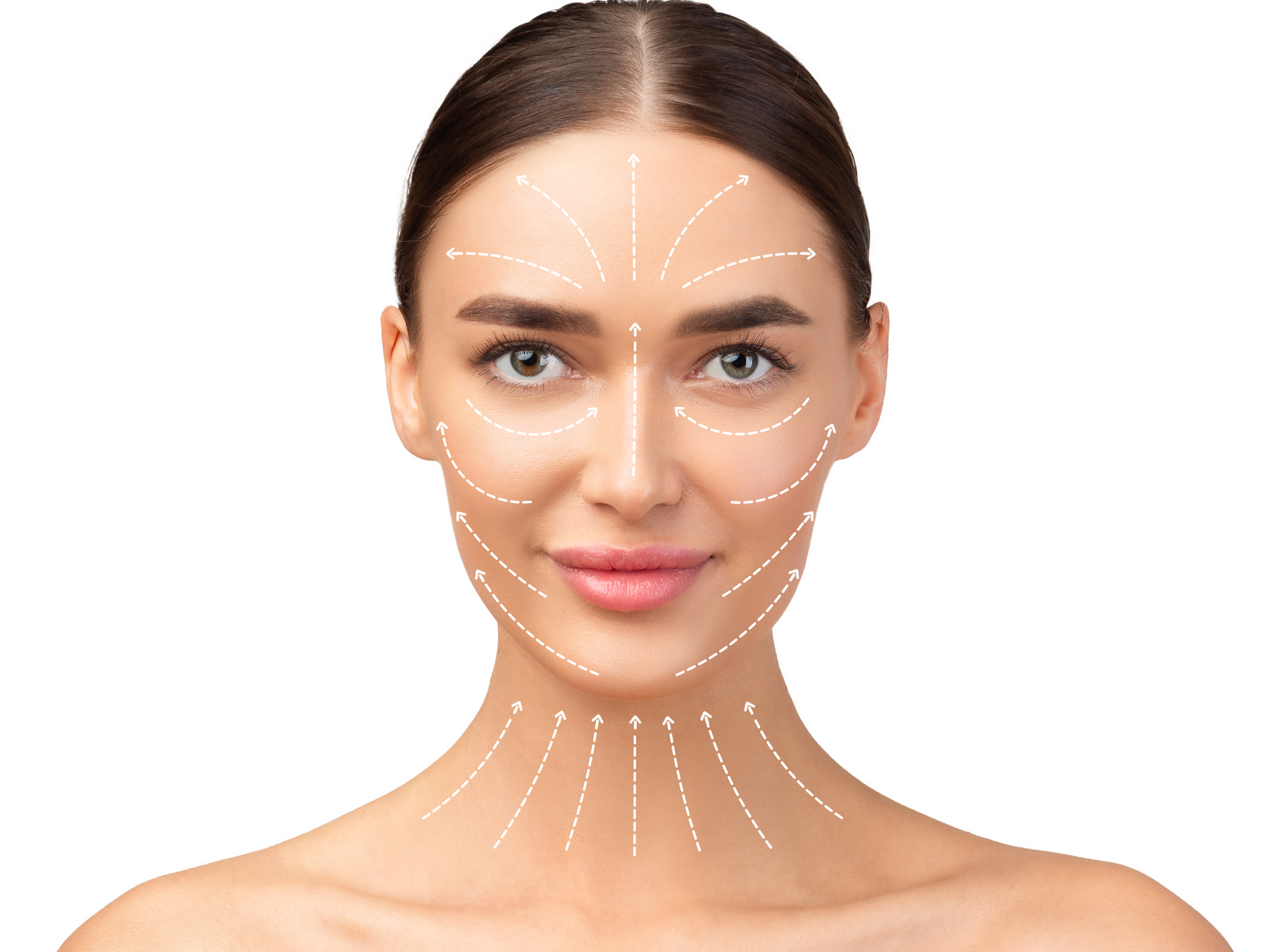
Rhytidectomy, another name for facelift surgery, is actual surgery. For the right patient, it can result in significant improvement, but it carries the same risks as any surgery: Recovery time, potential complications, and individualized outcomes. Prior to giving consent, it is more important to comprehend the risks than the method. Patients who are well-prepared for surgery typically make a better recovery than those who are not.
The common expected recovery effects, the less frequent but more serious complications, and the variables that could raise or lower risk are all explained in this guide. As a specialist plastic surgeon working in Dubai, the focus remains on delivering advanced cosmetic procedures with personalized care, patient safety, and natural-looking results. You can find the written account of that discussion on the page below. If you are already thinking about getting surgery, the facelift procedure page covers the surgical details and consultation process.
In short: Bruising, swelling, tightness, and transient numbness are common side effects of facelift recoveries. These are not complications, but rather anticipated outcomes. Hematoma, infection, skin compromise, nerve damage, fluid collections, asymmetry, DVT/PE, anesthetic risk, and discontent with the outcome are among the complications that are important to comprehend. Patient characteristics, surgical technique, combined procedures, and postoperative care all affect risk.
Facelift Surgery In Dubai
Facelift Surgery in Dubai is a popular cosmetic procedure designed to reduce visible signs of aging, tighten loose skin, and improve facial contours. Numerous individuals opt for this procedure to attain a more youthful, firmer, and smoother appearance. Patients should be aware of the potential risks and complications associated with surgery, such as infection, scarring, temporary numbness, swelling, and uneven healing, despite the benefits. You can reduce complications and facilitate a safe recovery by selecting a qualified surgeon, adhering to aftercare instructions, and attending routine consultations. Facelift procedures have been rendered safer, more comfortable, and more effective for the purpose of long-term facial rejuvenation through the implementation of contemporary techniques and advanced technology.
Normal Recovery Effects Vs Complications
There are two reasons this distinction is important. In the first place, it prevents patients from worrying about typical healing. Secondly, it ensures that we report real issues as soon as possible.
Expected recovery effects include visible incision lines that develop over months, bruising, swelling, tightness, mild asymmetry as swelling resolves at different rates on each side, transient numbness across the cheeks and ears, and varying tingling, pulling, or pressure sensations. These typically reach their peak during the first week or two and then gradually get better. For six to twelve months, scars continue to mature. Typically, these reach their peak in the first week or two, after which they gradually improve. For six to twelve months, scars continue to mature.
Complications are not the same. A complication may require additional care, medication, drainage, closer observation, return to the operating room, or revision surgery. Facelift risks include bleeding, facial nerve damage, fluid buildup, infection, numbness, poor wound healing, skin loss, prolonged swelling, skin irregularities, hair loss, unfavorable scarring, and unsatisfactory results.
Get in touch with the practice if something seems off. Early reassurance is preferable to postponing reporting an issue that required immediate attention.
Haematoma And Bleeding
A collection of blood beneath the skin is called a hemorrhage. It is the most significant early facelift complication and the most frequent cause of patients’ postoperative return to the operating room. Larger hemorrhages may result in abrupt swelling, pressure, pain, bruises, and decreased skin blood flow. Sometimes urgent drainage is needed.
A 2026 systematic review and meta-analysis of deep-plane facelift pooled data revealed a major hematoma rate of 0.96% and an overall hematoma rate of 2.6%. Expanding hemorrhage rates between 1.7% and 1.96% have been reported in cited analyses of previous surgical literature. Technique, patient selection, definitions, and the use of combined procedures all influence rates.
Elevated blood pressure, male sex, aspirin or NSAID use, smoking, and drugs or supplements that affect bleeding are significant risk factors for hemorrhages. Some ways to reduce risk include careful blood pressure control, stopping certain blood-thinning drugs or supplements when medically safe, ensuring careful surgical hemostasis, limiting postoperative activity, and providing close early follow-up. Additionally, some surgeons treat certain patients with adjuncts like tissue sealants, tranexamic acid, or hemostatic nets. These are personal choices, not assurances.
Bruising And Swelling
Swelling and bruises are normal, not problems. They differ from patient to patient and are impacted by the degree of surgery, whether a neck lift or other procedure is carried out, medication history, blood pressure, and personal healing. Although minor residual swelling, firmness, or tightness may take longer to go away, swelling usually goes away gradually.
If the swelling is sudden, painful, mostly on one side, or rapidly getting worse, get in touch with the practice right away. These symptoms could indicate a hemorrhage or another early complication.
Scarring And Hairline Changes
To minimize scarring, facelift incisions are typically made around the ear, hairline, and natural skin creases. Every surgical procedure leaves scars. Genetics, skin type, tension on the closure, wound healing, smoking or nicotine use, infection, sun exposure, and prior surgery all influence the quality of scars.
Thickened, widened, raised, red, itchy, or noticeable scars are examples of unfavorable scarring. Hair thinning around incision sites may also happen temporarily or permanently. Individuals who have a history of hypertrophic or keloid scarring are more at risk and should bring these issues up during consultation.
Are you thinking about getting a facelift? The facelift procedure page covers the surgical details and consultation steps. Get in touch with the practice to schedule an evaluation in Dubai.
Numbness And Altered Sensation
Following facelift surgery, patients frequently experience temporary numbness, tingling, tightness, or altered sensation. During surgery, the surgeon momentarily disrupts small sensory nerves by lifting and repositioning the skin and soft tissues. Sensory changes usually improve gradually as swelling decreases and nerves heal, although some altered sensations may persist for a long time.
Temporary numbness from tissue elevation is far more common than sensory nerve injury, which occurs when a nerve is actually cut or damaged rather than just disrupted. A 2026 systematic review and meta-analysis estimated pooled sensory nerve injury at 0.40% and permanent sensory nerve injury at roughly 0.04%.
Facial Nerve Weakness
The facial nerve controls the forehead, eyelids, cheeks, mouth, and neck. Following facelift surgery, traction, swelling, bruising, or neuropraxia (a transient nerve disruption that heals without permanent damage) may cause temporary facial weakness. These factors may all impact smiling, lower lip movement, brow movement, and neck muscle activity.
Pooled motor nerve injury was estimated at 0.67% and permanent motor nerve injury at roughly 0.04% in a 2026 systematic review and meta-analysis. A different 2026 systematic review found that the incidence of facial nerve injuries ranged from 0.4% to 4%, with neuropraxia accounting for the majority of cases and about 75% of affected patients recovering completely within six months.
Although it is uncommon, permanent facial weakness can be very dangerous. Careful patient selection, accurate understanding of the anatomy of the facial nerves, suitable dissection planes, gentle tissue handling, and cautious handling of revision or scarred tissue are all necessary to reduce risk. This complication is one of the reasons I advise picking a surgeon with extensive experience in facial surgery rather than one who occasionally performs facelifts as part of a larger practice.
Infection
Following facelift surgery, infection is rare. In contemporary series, reported rates are usually less than 0.9%. Increasing redness, warmth, swelling, pain, discharge, odor, fever, or feeling ill are some symptoms. Depending on the severity, treatment may include drainage, wound care, antibiotics, or additional evaluation.
Following wound-care instructions, abstaining from smoking and vaping, keeping incisions clean as instructed, attending follow-up appointments, and promptly reporting any concerning symptoms are all ways to reduce the risk of infection.
Skin Compromise And Skin Necrosis
Skin necrosis is the result of an area of skin becoming damaged or non-viable due to a lack of sufficient blood flow. Although rare, it may result in wider scarring, pigmentation changes, longer dressing care, delayed healing, or revision therapy.
Smoking, vaping, nicotine exposure, vascular disease, poorly managed diabetes, prior radiation, surgery, excessive wound tension, and untreated hemorrhage are risk factors. Nicotine and smoking are the most important factors. Nicotine decreases blood flow to healing tissues by narrowing tiny blood vessels. Because smokers and vapers have a much higher risk of skin loss, I mandate that patients abstain from smoking and vaping for at least six weeks prior to and following facelift surgery.
Seroma, Sialocele, And Fluid Collections
A collection of transparent fluid beneath the skin is called a seroma. With observation, small seromas may go away. Drainage may be necessary for larger or uncomfortable collections.
A sialocele is a collection of saliva that results from damage to salivary tissue, typically in the area of the parotid gland. After facelift surgery, sialocele and parotid fistula are uncommon. There are only a few dozen documented cases in the literature. Depending on the severity, management may involve medication, drainage, compression, observation, or other therapies.
Asymmetry, Contour Irregularity, And Unsatisfactory Result
Prior to surgery, all faces were naturally asymmetrical. Temporary asymmetry may also develop following facelift surgery because bruising and swelling may heal differently on each side. Occasionally, there may be persistent asymmetry, irregular contours, skin pleating, scar tethering, or visible deformity that requires non-surgical treatment, time, or revision surgery.
No surgeon can promise a certain outcome. Anatomy, skin quality, facial volume, bone structure, prior procedures, healing, lifestyle factors, and surgical complexity all affect the results. The Dubai Health Authority guidelines for cosmetic surgery place strong emphasis on the fact that results differ from person to person and that advertising should not create unrealistic expectations.
DVT, Pulmonary Embolism, And Anaesthetic Risks
A blood clot in a deep vein, typically in the leg, is known as deep vein thrombosis (DVT). When a clot reaches the lungs, it can cause a pulmonary embolism (PE). Although they are uncommon following facelift surgery, these incidents can be dangerous or even fatal. Facelift risks include pulmonary, cardiac, and DVT complications, according to the American Society of Plastic Surgeons.
Preoperative evaluation, cutting down on needless surgical time, mechanical compression devices, early mobilization, hydration, and, when necessary, selective medication-based prevention are some ways to reduce risk. Because lowering the risk of clots must be weighed against the risk of bleeding and hemorrhages during facial surgery, chemoprophylaxis is customized.
There are risks associated with anesthesia. These include breathing or airway issues, nausea, vomiting, medication reactions, cardiovascular stress, and infrequent, severe complications. Before surgery, your surgeon and anesthetist will go over your past anesthesia experiences, medications, allergies, and medical history.
Psychological Adjustment And Decision-Making
Recovering from a facelift can be emotionally taxing. Even in cases where healing is normal, anxiety can be brought on by bruising, swelling, tightness, temporary asymmetry, and waiting for the outcome. Typically, the first few weeks are the most difficult. At week two, patients frequently feel worse about their appearance than they did prior to surgery.
It does pass this well-known portion of the recovery curve. Your face at week two will not be the same as your face at month six. Setting reasonable expectations is beneficial. Making the choice based on personal factors rather than peer pressure, partner expectations, or social media influence is also beneficial.
Do you want to talk about if you should have a facelift? You should be able to comprehend your options, your unique risk profile, what recovery might entail, and which options might be reasonable with the aid of a consultation. Make an appointment at the Bondi Junction or Manly clinic to schedule an evaluation.
Risk Factors That May Increase Complications
Prior to surgery, you can change certain risk factors. When planning, you must take others into account.
Nicotine, smoking, and vaping. Nicotine narrows tiny blood vessels and raises the risk of poor scarring, infection, skin loss, and delayed healing. Facelift surgery requires cessation; it is not an option.
elevated blood pressure. One of the most significant modifiable risk factors for hemorrhage following facelift surgery is elevated blood pressure. Optimizing blood pressure prior to surgery is important.
supplements and drugs that thin blood. Supplements that raise the risk of bleeding, such as aspirin, NSAIDs, anticoagulants, antiplatelet drugs, fish oil, ginkgo, garlic, ginseng, vitamin E, and others, should be evaluated prior to surgery.
Vascular disease and diabetes affect health. Poorly managed diabetes and circulatory issues may increase the risk of infection and slow wound healing.
prior surgical or non-surgical procedures. Prior facelift surgery, thread lifts, aggressive energy-based devices, permanent fillers, or significant scarring can alter tissue planes and increase surgical complexity.
combined methods. When a facelift is combined with other procedures, the risk profile, recovery burden, swelling, and operating time may all increase.
surgery for revision. Because of scar tissue, altered anatomy, and prior dissection, revision facelift surgery is more complicated. For more information on this, see revision facelift signs.
Does Facelift Technique Change The Risk?
Different facelift techniques use different tissue planes, vectors, incision designs, and recovery profiles. The procedures of mini facelift, SMAS facelift, deep-plane facelift, vertical facelift, neck lift, and revision facelift are not interchangeable.
The patient’s anatomy, goals, skin quality, age of the neck, prior treatment history, medical risk, and recovery tolerance all influence the safest and most suitable technique. What is safer for a given patient cannot be determined solely by marketing labels.
Hematoma rates were 2% for deep-plane facelifts and 1% for SMAS facelifts, with low infection rates and comparable nerve injury rates, according to a 2026 systematic review comparing the two methods. The authors pointed out that it is difficult to draw firm conclusions about relative risk due to the lack of direct comparative data. The choice of technique should be personalized rather than influenced by the latest trends in social media discourse.
Combined Procedures And Skin Resurfacing
Some patients undergo eyelid surgery, brow lifts, fat grafting, neck lifts, laser resurfacing, or other procedures in addition to facelift surgery. For some patients, combined procedures may be suitable, but they alter the risk profile, recovery period, swelling, and operating time.
When combined with facelift surgery, laser resurfacing in particular necessitates meticulous planning. When technique was optimized, a 2026 systematic review of simultaneous rhytidectomy and laser resurfacing revealed low complications and high pooled satisfaction. Higher skin slough rates were linked to laser-undermined facelift flaps at the same energy density as non-dissected areas, according to the same review. Translation: Energy settings and treatment zones are important, and combining them calls for careful planning rather than handling each part separately.
How Risks Are Reduced
Risks associated with facelifts cannot be completely eliminated. Careful planning and follow-up can help lower them. The following are examples of practical risk reduction:
- Selecting a specialist plastic surgeon in Dubai with extensive knowledge of facelift surgery and detailed understanding of facial anatomy is essential for achieving safe procedures and natural-looking results.
- Thorough medical evaluation prior to surgery
- Blood pressure management prior to, during, and following surgery
- Stopping smoking, vaping, and nicotine for at least six weeks before and after surgery
- Examining drugs and supplements that could worsen bleeding
- Steer clear of demanding activities in the early stages of recovery
- Observing wound care, sleeping position, clothing, and activity guidelines
- Keeping all planned follow-up appointments
- Early reporting of worrisome symptoms instead of waiting
BOOK AN APPOINTMENT TODAY
Advantages Of Facelift Surgery You Should Know
Facelift surgery enhances facial definition, diminishes sagging skin, softens deep wrinkles, and generates a revitalized appearance. The procedure can provide patients with a natural-looking rejuvenation that also ensures they appear younger and healthier. Modern surgical techniques also offer enhanced precision, a smoother recovery, a longer-lasting enhancement, and customized treatment plans that are tailored to the patient’s aesthetic objectives.
Why Facelift Surgery Is The Best Solution
For those who are interested in long-term facial rejuvenation and enhanced skin tightness, facelift surgery is a viable option. The procedure simultaneously addresses a variety of aging concerns, such as weakened contours, deep folds, and loose skin. Personalized surgical techniques are capable of achieving balanced, natural outcomes, as well as enhancing the overall harmony, elegance, and youthful definition of the face in a beautiful manner.
How Facelift Surgery Restores Confidence And Appearance
The creation of a more youthful, smoother, and fresher facial appearance can significantly enhance self-confidence through facelift surgery. Numerous patients experience an emotional boost subsequent to the observation of tighter skin and refined contours. The procedure naturally promotes positive self-perception and assists individuals in feeling more at ease during social interactions, in professional environments, and during everyday activities.
When To Seek Urgent Medical Advice
Seek emergency care or get in touch with the practice right away if you encounter the following:
- Abrupt edema, particularly on one side
- Increasing discomfort, constriction, or pressure that is not managed by prescription drugs
- Increasing bruising quickly
- Palpitations, fainting, shortness of breath, or chest pain
- Chills, fever, or a severe illness
- An increase in the incision’s redness, warmth, discharge, or smell
- Blistering, darkening, or unsettling skin color changes
- Fresh facial weakness or trouble shutting your eyes
- Noticeable alteration in facial expression
- Leg swelling, calf pain, or signs of a blood clot
Don’t wait to see if the symptoms go away on their own. One of the best strategies to lessen serious consequences is to report alarming symptoms as soon as possible.
Making An Informed Decision
For carefully chosen patients, facelift surgery may be a viable option. It is still a real surgery with real risks. You should consult to learn about your options, whether surgery is right for you, what recovery might entail, which risks are most relevant, and what reasonable alternatives exist.
A minimum of two pre-operative consultations, including one in person with the operating surgeon; a cooling-off period of at least seven days following the two consultations and informed consent before surgery can be scheduled or a deposit paid; and psychological screening for suitability are among the current medical board and AHPRA requirements for cosmetic surgery in Dubai. Before surgery, a referral for an independent evaluation may be necessary if screening raises concerns.
I provide professional advice from clinics in Dubai for individuals considering facelift or neck-lift procedures. The facelift procedure page offers more information, and you can schedule a consultation by contacting the clinic.
Frequently Asked Questions
1. What Is The Most Common Serious Complication After Facelift Surgery?
After facelift surgery, hemorrhage is typically regarded as the most significant early complication that needs to be treated. A 2026 systematic review and meta-analysis of deep-plane facelift pooled data revealed a major hematoma rate of 0.96% and an overall hematoma rate of 2.6%. Technique, patient characteristics, and the definition of hemorrhage in various studies all affect the rate. Blood pressure control, careful surgical hemostasis, quitting smoking, stopping certain blood-thinning drugs and supplements prior to surgery, and careful early postoperative monitoring are all necessary for risk reduction.
2. Can A Facelift Cause Permanent Nerve Damage?
Although uncommon, permanent facial nerve damage is a possibility. Permanent motor nerve damage and permanent sensory nerve damage were estimated at approximately 0.04% and 0.04%, respectively, in a 2026 systematic review and meta-analysis. According to a different 2026 review, neuropraxia, in which the nerve is disrupted but not cut, accounts for the majority of transient nerve weakness following a facelift. Approximately 75% of affected patients fully recover within six months. A surgeon’s familiarity with facial anatomy, meticulous surgical planning, and the use of the right technique for the patient’s unique anatomy all play a major role in lowering the risk.
3. Is Deep-Plane Facelift Riskier Than SMAS Facelift?
A straightforward “yes” or “no” for each patient is not supported by the comparative data currently available. Hematoma rates were found to be 2% for deep-plane facelifts and 1% for SMAS facelifts, with comparable rates of nerve damage, according to a 2026 systematic review. The authors pointed out that there is a lack of direct comparative data, making it difficult to draw firm conclusions about which technique is generally safer. When choosing a technique, you should consider the patient’s anatomy, aging pattern, skin quality, and objectives, not what is currently trending on social media.
4. How Can I Reduce My Risk Before Facelift Surgery?
The most crucial actions include quitting smoking, vaping, and nicotine for at least six weeks prior to and following surgery; managing blood pressure; reviewing all medications and supplements that could increase bleeding; adhering to all pre-operative instructions; selecting a specialist plastic surgeon with extensive experience performing facial surgeries; and regularly attending post-operative follow-ups. In the literature on facelifts, elevated blood pressure, the use of aspirin or NSAIDs, smoking, and male sex have all been linked to an increased risk of hemorrhage. Prior to surgery, it is worthwhile to optimize a few of these variables.
5. How Do I Tell The Difference Between Normal Recovery And A Complication?
Bruising, swelling, tightness, temporary numbness, visible incision lines, and mild asymmetry as swelling settles unevenly are all typical signs of recovery. These typically reach their peak during the first week or two and then gradually get better. Complications typically exhibit distinct behaviors. Urgent contact with the practice should be made in the event of sudden one-sided swelling, increasing rather than improving pain, fever, discharge or odor from incisions, darkening or concerning color change of the skin, new facial weakness, or any rapidly worsening symptom. Generally speaking, things that progressively get better are typically a normal recovery; items that abruptly get worse, start exhibiting new symptoms, or don’t get better within anticipated timeframes need to be reviewed right away.
MEET THE EXPERT DOCTOR
Best Plastic Surgeon In Dubai For Facelift Surgery
Best Plastic Surgeon in Dubai for facelift surgery is available at Perfect Doctors Clinic, where Dr. Perfect Celebrity provides personalized treatments focused on facial rejuvenation and natural-looking enhancement. The clinic is renowned for providing state-of-the-art facelift procedures that are performed using contemporary surgical techniques and patient-centered care. After conducting a thorough consultation, each treatment plan is meticulously crafted to ensure that patients comprehend the procedure, recovery process, potential risks, and anticipated results. Throughout each phase of treatment, the professional team places a high value on privacy, safety, comfort, and long-term satisfaction. Customized facelift solutions that are tailored to the aesthetic objectives of patients who desire smoother skin, tighter facial contours, and a refreshed appearance can be advantageous. Experience, advanced technology, and supportive aftercare services are combined at Perfect Doctors Clinic to provide safe procedures and refined results in a comfortable and welcoming environment for all patients. With professional guidance, compassionate care, and exceptional patient support, the clinic consistently achieves elegant facial enhancement.