





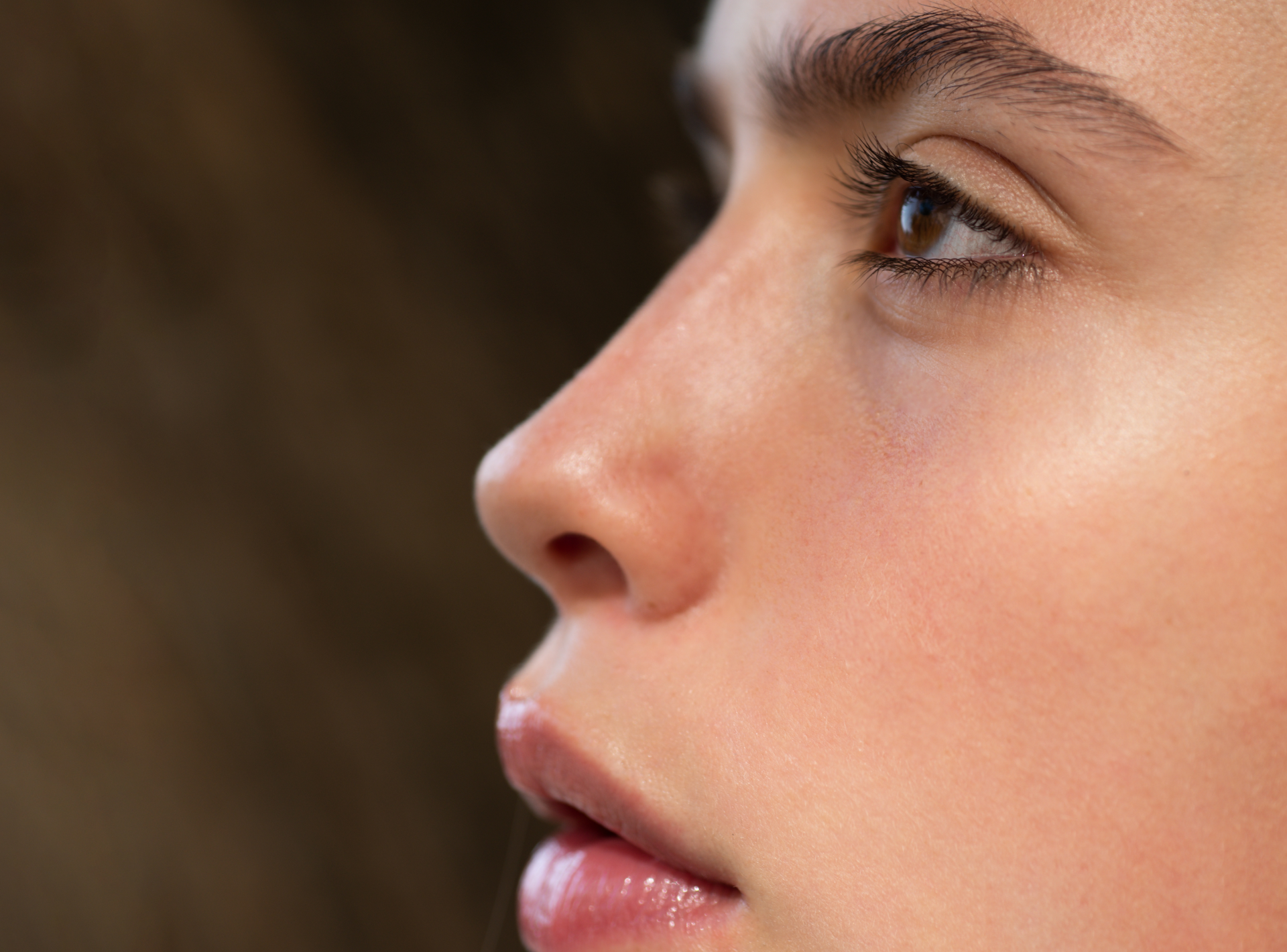
Rhinoplasty is one of the most popular cosmetic surgeries in the world. This surgery is often done for cosmetic reasons, but it can also be done to fix breathing problems. Center for Beauty People often get nose jobs from Dubai. Every day, our expert Dr. Perfect Celebrity sees men and women who are thinking about getting a nose job.
There are often a lot of questions that come up when someone decides to get a nose job. We have put together a list of the ten most common questions people have about nose jobs and their answers. After reading this, do you still have questions?
Rhinoplasty In Dubai
Rhinoplasty in Dubai is a popular procedure that frequently prompts concerns about the recovery process. Patients frequently inquire about medications, with most surgeons recommending that antibiotics and steroids be administered the evening of the operation to reduce infection risk and swelling. Many people wonder how long to sleep with your head elevated, which is usually recommended for the first three days to reduce swelling. Sinus pressure is normal for about a week and disappears after internal splints are removed. Light activity, such as walking, can typically begin on the day of surgery or the following day if comfortable. Nasal saline sprays and antibiotic ointments should be applied from the start to keep nasal passages moist and prevent infection. Mild bleeding is common, and showering is permitted the day after surgery, but with caution to keep the splint dry. Patients may experience bruising under the eyes for 8-11 days, so having someone present for at least 48 hours is advised. Finally, any concerns or unusual symptoms should be reported promptly to the surgeon’s office to ensure a safe and smooth recovery.
The Top Ten FAQ’s After Rhinoplasty (Week #1)
The following information will help you understand the basics of the rhinoplasty recovery process.
When Do I Start My Medications?
Antibiotics: Begin taking your prescribed antibiotics the evening of your surgery. This helps to prevent infections in the nasal tissues and surgical sites. It is critical to continue taking the antibiotic as directed by your surgeon, even if you feel fine, to ensure that bacteria are completely eliminated. Skipping doses can increase the risk of infection, jeopardizing healing and affecting the final outcome.
Steroids: Steroid medication should be started on the evening of your surgery. Follow the schedule prescribed by your surgeon. Typically, you will take a single dose on the final day of the initial course, that night. Then, starting the next day, you begin the taper schedule labeled “day #1.” Steroids reduce inflammation and swelling in the nasal tissues, which is essential for both comfort and a smooth final contour. Follow the tapering instructions exactly to avoid complications or side effects.
How Long Should I Sleep In A Head-Elevated Position?
Sleeping with your head elevated for the first few days following surgery is critical. You should elevate your head for at least three days following your surgery. This position reduces swelling, lowers the risk of bleeding, and promotes proper drainage of fluid from the nasal tissues. A slight incline with additional pillows or a wedge pillow can make this more comfortable. Avoid lying flat during the initial recovery period because it can cause swelling in the face and nose.
How Long Will I Experience Sinus Pressure?
It is normal to feel sinus pressure for about a week after surgery. This pressure is caused by swelling in the nasal passages and the presence of internal nasal splints, that support the healing tissues. The discomfort usually improves gradually and goes away completely once your surgeon removes the internal splints. It is critical to avoid forcefully sneezing or blowing your nose during this period, as this can increase pressure and jeopardize your healing.
When Should I Start Light Activity Such As Walking?
If you feel comfortable, light activity can begin on the day of your operation or as late as the next day. Walking improves circulation, lowers the risk of blood clots, and aids overall recovery. However, avoid strenuous activities, bending over, or lifting heavy objects for the first few weeks because they can cause swelling and pressure in the nasal area. Gentle walking around the house is safe and recommended to maintain mobility and prevent stiffness.
When Do I Start Nasal Saline Spray And Antibiotic Ointment?
You should begin using your nasal saline spray and antibiotic ointment the day of your surgery.
Saline Spray: Spray the saline solution into each nostril four times per day. This keeps the nasal passages moist, reduces crusting, and aids in clearing mucus or debris. Proper saline spray application can significantly improve comfort while reducing the risk of irritation or infection.
Antibiotic Ointment: Using a cotton swab, apply a small amount of bacitracin or other prescribed antibiotic ointment twice daily to the inner rim of the nostrils. This prevents infection at the incision sites, keeps the area lubricated, and promotes proper healing of the delicate tissues within the nostrils. To avoid contamination, clean your hands before applying the ointment.
Is It Normal To Have Some Bleeding?
Mild bleeding or spotting is normal in the first few days following rhinoplasty. A small amount of blood-tinged mucus may appear, which is typically not cause for concern. Do not pick, rub, or forcefully wipe your nose. If you notice excessive bleeding that does not stop with gentle pressure, contact your surgeon right away.
When Can I Shower?
You may shower the day after surgery, but make sure to keep your nasal splint dry. To avoid loosening the splint, do not wash your hair or face directly in the shower. It is recommended to use lukewarm water because hot water can cause sweating and steam, which can interfere with the splint’s adherence. Consider sponge baths or gentle washing methods until your splint is removed. Proper hygiene is important, but protecting the surgical site is critical to healing.
BOOK AN APPOINTMENT TODAY
How Long Do I Need Someone Around To Help?
You should have someone available to help you for at least 48 hours following surgery. Even if you feel generally well, it is recommended that you avoid driving or performing tasks that require full alertness for up to seven days. Assistance with mobility, meal preparation, and monitoring for potential complications is especially important on the first day. Having support also ensures that your medications are taken on time and that you can rest comfortably without exerting yourself.
If I Have Bruising Under My Eyes How Long Will It Be Present?
Bruising around the eyes is common following rhinoplasty and usually lasts 8-11 days. The severity varies depending on the individual’s healing process and surgical technique used. After consulting with your surgeon, consider using natural supplements such as Arnica Montana and Bromelain to help reduce bruising and speed up its resolution. Cold compresses, when applied gently over the first 48-72 hours, can also help to reduce swelling and discoloration. Remember that bruising fades over time, and the underlying tissues continue to heal.
MEET THE EXPERT DOCTOR
Best Plastic Surgeon In Dubai For Rhinoplasty
Best Plastic Surgeon in Dubai for rhinoplasty is available at the Perfect Doctors Clinic, where Dr. Perfect Celebrity provides expert guidance and care for patients undergoing rhinoplasty, as well as answers to the most frequently asked recovery questions. Patients frequently inquire about when to begin medications, and Dr. Perfect Celebrity recommends starting antibiotics and steroids the evening of surgery to reduce the risk of infection and control swelling. Sleeping with your head elevated for the first three days reduces swelling, and mild sinus pressure is normal for about a week until the internal splints are removed. Light activity, such as walking, can usually begin on the day of surgery or the next day if comfortable. Nasal saline sprays and antibiotic ointments should be used from the beginning to keep nasal passages clean and moist. Mild bleeding is common, and you can shower the day after surgery as long as the nasal splint is dry. Bruising under the eyes usually resolves in 8-11 days, and patients should have someone available for at least 48 hours. Any concerns during recovery should be addressed immediately by contacting the clinic to ensure a safe and smooth healing process.
Conclusion
Rhinoplasty is a delicate procedure that necessitates meticulous post-operative care to ensure the best aesthetic and functional results. Starting medications as prescribed, keeping your head elevated, using nasal sprays and ointments, and avoiding strenuous activity are all important parts of a smooth recovery. Mild bleeding, bruising, and sinus pressure are common and expected, but these symptoms usually go away within a few days or weeks. Having someone available to assist you, adhering to hygiene recommendations, and communicating with your surgeon if you have any concerns ensures a safe recovery. By following these detailed guidelines, patients can protect their surgical results, reduce complications, and reap the long-term benefits of rhinoplasty, such as improved facial balance, nasal function, and self-confidence. Following your surgeon’s instructions carefully is essential for a successful and rewarding recovery.