





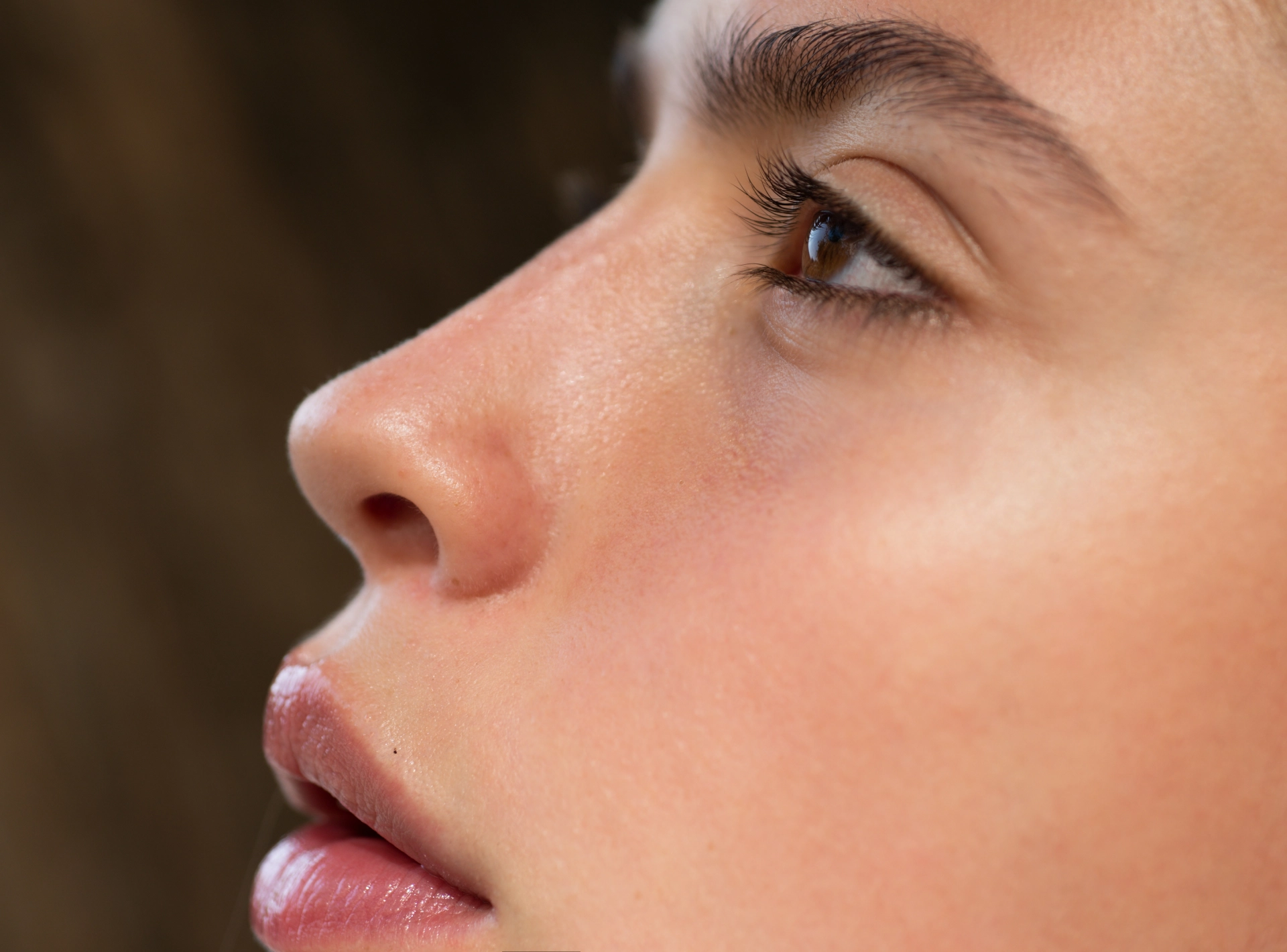
Revision rhinoplasty is a second surgery that fixes problems that happened during the first rhinoplasty. Many people who want revision rhinoplasty think that the results they got are too unnatural, don’t match their other facial features, or aren’t as noticeable as they wanted. A lot of people also have new or not fully fixed nasal blockage following primary rhinoplasty.
Revision Rhinoplasty In Dubai
Revision Rhinoplasty in Dubai is a cosmetic surgical procedure performed to improve or correct the results of a previous rhinoplasty. It addresses issues such as asymmetry, breathing difficulties, or unsatisfactory cosmetic outcomes from the initial surgery. The procedure reshapes the nasal structure, corrects deformities, and enhances both function and appearance. Revision rhinoplasty is more complex than a primary rhinoplasty due to scar tissue or altered anatomy from the first surgery. Patients receive a personalized surgical plan to achieve natural-looking results and restore nasal harmony. With careful surgical execution and proper post-operative care, revision rhinoplasty helps patients regain confidence, improve nasal function, and achieve a balanced, aesthetically pleasing nose.
Rhinoplasty In Dubai
Rhinoplasty in Dubai is a surgical procedure designed to reshape and enhance the nose for aesthetic or functional purposes. It can reduce or increase the size of the nose, refine the tip, straighten the bridge, or correct breathing problems caused by structural issues. The procedure is customized to each patient’s facial features and desired outcome, aiming for a natural and harmonious appearance. Rhinoplasty may involve altering bone, cartilage, or skin, depending on the patient’s needs. Recovery typically requires a few weeks of rest, with follow-up care to ensure optimal results. The procedure provides long-lasting improvements, enhancing both facial balance and nasal function. With expert surgical techniques, the procedure provides long-lasting outcomes that restore confidence, balance facial features, and improve both the look and function of the nose.
What Is Revision Rhinoplasty?
Revision rhinoplasty, sometimes called secondary rhinoplasty, is a surgery that fixes a problem that comes up or stays the same after the first nose surgery. After a first rhinoplasty, this treatment is done to fix either the look or the function of the nose.
Less experienced surgeons have a far higher rate of revisions. But it’s vital to know that all rhinoplasty surgeons, no matter how experienced or skilled they are, will have some revision rate. This is because the procedure is complicated, and problems that weren’t expected typically show up after the surgery has started. There can also be problems during the healing phase.
BOOK AN APPOINTMENT TODAY
How Common Is Revision Rhinoplasty
The Aesthetic Surgery Journal released a study that indicated that the average rate of rhinoplasty revision is 9.7%. In another study that employed a questionnaire to ask surgeons about their revision rates, most of the self-reported rates were between 0% and 4.9%. However, about 31% of the respondents had rates between 7% and 11%.
Any rhinoplasty patient should know how to read revision statistics. But it’s also crucial to know what revision rhinoplasty is and why it could be needed. This is a short summary of revision rhinoplasty, along with some advice on how to prevent needing one.
Why Patients Seek Revision Rhinoplasty?
A lot of people who want revision rhinoplasty only want it for cosmetic reasons. Some of these patients may think that the results they got are too fake or don’t match their other facial features. Some people wanted their surgeon to do more than what they did. Some people still have additional lumps, deviations, or other anomalies on their tips that happened while they were mending. They want more treatment to improve the way they look.
Some patients want revision surgery for a functional reason. After the operation, patients can have new or not fully repaired nasal blockage. These patients may require functional nasal surgery, which may encompass septoplasty, nasal valve repair, or inferior turbinate reductions.
The Challenges Of Revision Rhinoplasty
Revision rhinoplasty can be hard; thus, many doctors don’t want to do it. Here are several things that make revision rhinoplasty hard:
Scar Tissue
One of the hardest things for revision rhinoplasty surgeons to deal with is the amount of scarring that happens after the first surgery. The operation takes longer and is harder the more scar tissue there is. The surgeon will need to make very precise cuts to get to the nose and fix it without causing any more scarring. If the revision rhinoplasty surgeon doesn’t make the nose strong enough, scarring can change the way it settles and heals after surgery in ways that can’t be predicted.
Nose Strength
After the first rhinoplasty surgery, the structure of the nose often needs to be strengthened to keep its form. The best technique to make the nose stronger is usually to use septal cartilage grafts. In revision cases, the first surgery often takes away a lot of it. Because of this, revision rhinoplasty surgeons may need to use cartilage from the rib or ear.
Septal cartilage is the greatest first choice; it is better than grafting cartilage from the ear or rib. Ear cartilage is employed if the area is just somewhat weak or if camouflage grafting is going to be used. The ear is occasionally used with skin when there is scarring or loss of the interior lining, which makes the airway smaller or the nostrils pull back. These grafts, known as “composite grafts,” restore both the structure and the lining at the same time. In very bad cases where the nose is badly bent, scarred, or otherwise weakened, cartilage from the rib is needed. Some doctors don’t want to use rib grafts because they think the result will be too big or rigid. However, most skilled revision rhinoplasty surgeons know how to shape the rib so that it looks natural while still taking advantage of its qualities.
The Unknown
Revision rhinoplasty providers often run into unknown problems during the revision process, even when they have access to medical records that show the first rhinoplasty surgery. The surgeon needs to do everything they can to plan for these unknowns, but they also need to be able to make quick decisions during the treatment when complications come up.
This is why patients should pick a surgeon who has done revision rhinoplasty before. Surgeons who do revision surgeries are often better at predicting difficulties that can come up during the treatment and have a lot more alternatives for how to handle the unexpected during the surgery. The skilled revision rhinoplasty surgeon knows how to lower the risk of complications following revision rhinoplasty by choosing the proper graft, putting it in the right spot, and employing the right technique throughout the surgery.
MEET THE EXPERT DOCTOR
Tips: Ways To Avoid Needing Revision Rhinoplasty
Clearly, both the patient and the surgeon want to avoid having to do any revision surgery. Here are some things you can do to lower your odds of needing a revision:
- Choose a surgeon who is certified by either the American Board of Facial Plastic & Reconstructive Surgery (ABFPRS) or the American Board of Plastic Surgery (ABPS).
- Check to see if your surgeon has a lot of experience with rhinoplasty.
- Make sure your surgeon takes their time looking at your nose and that you know what the strategy is. It is necessary to check the nasal airway to make sure there are no land mines that could affect function after surgery.
- Ask what problems might come up during surgery and what their backup plan is.
- Find out how often the surgeon has to make changes. If a revision is needed, ask if there will be extra fees.
- Be sure to give your full medical history, including any problems you’ve had with your nose. Quality of Life evaluation surveys are available now to assist you in figuring out how much your nasal blockage affects your life.
- Talk to your selected surgeon about what results are and aren’t attainable with rhinoplasty. A lot of competent rhinoplasty surgeons employ photo imaging software to help them guess what kind of result is attainable and wanted.
- During your rehabilitation, be sure to follow all of the post-operative instructions. Keep in mind that it takes at least a year for the ultimate results of rhinoplasty to show.
Best Plastic Surgeon In Dubai For Revision Rhinoplasty
Best Plastic Surgeon in Dubai for Revision Rhinoplasty provides specialized surgical treatments to correct or improve the results of a previous rhinoplasty. Dr. Perfect Celebrity is highly skilled in performing revision rhinoplasty, focusing on both functional and aesthetic improvements to restore facial harmony and nasal function. The procedure addresses issues such as asymmetry, breathing difficulties, or unsatisfactory cosmetic results from prior surgeries. Each patient receives a personalized consultation to assess their unique needs and develop a precise surgical plan. Using advanced techniques and modern surgical facilities, the surgeon ensures careful execution, minimal scarring, and natural-looking results. Comprehensive pre- and post-operative care is provided to ensure safe recovery and long-lasting improvement in both appearance and function.