





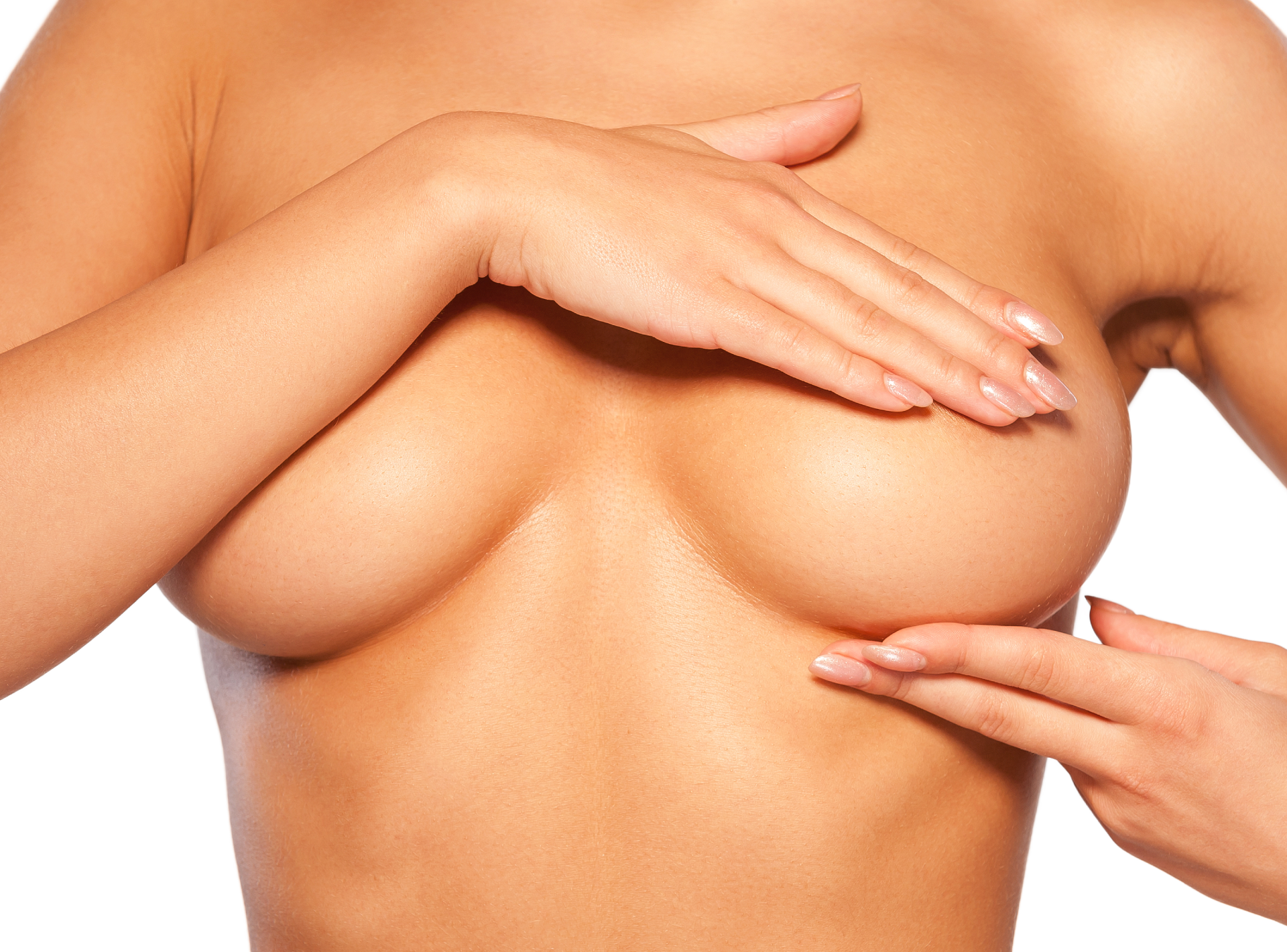
Reduction mammoplasty, or breast reduction surgery, is a highly effective procedure that seeks to alleviate the physical discomfort caused by overly large breasts, while improving proportion, posture and overall quality of life.
Knowing what recovery will look like helps patients feel prepared, confident and supported during the healing process.
In this guide we will cover what to expect during your recovery from reduction mammoplasty including timelines, restrictions on activity, pain management and long term healing. Dr. Perfect Celebrity always customizes recovery details based on the surgical technique, how much tissue was removed and the individual’s healing factors.
Reduction Mammoplasty In Dubai
Reduction Mammoplasty in Dubai is a popular procedure for reducing breast size, alleviating discomfort, and improving body proportion. The first few days of recovery are marked by mild swelling, bruising, and soreness. Most patients can resume light activities within two to three weeks, but full recovery takes several weeks. Wearing a supportive surgical bra, following aftercare instructions, and avoiding strenuous activities are critical for a quick recovery and comfortable, long-lasting results.
What Affects Reduction Mammoplasty Recovery Time
Everyone heals at their own speed. There are a number of factors that affect how fast and easy you recover from breast reduction surgery.
- Procedure type: How much tissue is removed, how much the skin is tightened and reshaped. Smaller volume reductions generally require a shorter recovery period than larger reductions or more complex reshaping.
- Health and lifestyle: Patients with a healthy body mass index and those who don’t smoke tend to heal more efficiently and have fewer complications. Good nutrition and fluids also help the body repair tissue.
- Postoperative compliance: Wearing your support bra as directed, appropriate rest and not doing early exercise and attending all follow up appointments all help to make your recovery better.
- Skin quality and age: Skin elasticity and skin thickness may affect the rate of healing. Younger skin and thicker skin heals more quickly but with proper care patients of any age have excellent results.
Understanding these factors helps to set realistic expectations and allows patients to actively support the healing process.
Tips To Support A Smooth Recovery
Having the right daily habits to support your recovery can make healing more comfortable and help results settle smoothly and predictably.
- Wear your surgical/support bra as directed
- Sleep on your back with your chest elevated for a week to a fortnight
- Do gentle walking every day to help circulation
- No lifting stretching or anything chest specific till cleared
- Eat nutrient rich foods that support tissue repair and stay hydrated
- Don’t expose your scars to the sun until they are fully healed.
- Keep all follow up appointments as scheduled
Though small, these important habits can play a meaningful role in how smoothly and efficiently reduction mammoplasty recovery goes.
Reduction Mammoplasty Recovery Timeline
Recovery from reduction mammoplasty is a gradual, predictable progression. Each patient heals differently, but most improve steadily over the first few weeks, with continued refinement over the next few months.
The timeline below is a general overview of recovery milestones following breast reduction surgery. Recovery guidance is customized by Dr. Perfect Celebrity to surgical technique, tissue removal and individual healing factors.
The First Three Days After Surgery
After surgery, patients are monitored in recovery as they awaken from anesthesia and are sent home with detailed aftercare instructions.
During this early phase, patients can expect:
- Breasts become swollen and firm
- Pressure or discomfort that is mild to moderate
- Surgical dressings Surgical bra, supportive
- Potential drains, as per the surgical plan
Pain is normally well controlled with prescribed medication and improves during the first few days. It is good to have gentle walking to help circulation, but arm movement should be very little.
Week One Of Recovery
The first week is about rest, protection and gentle mobilisation.
Common experiences during week one include:
- Swelling and bruising that peaks, then slowly gets better
- Fatigue as the body pulls energy into healing
- Feeling more comfortable every day
Patients are encouraged to:
- Wear the surgical bra all the time unless otherwise directed.
- Do not pull, push or lift
- Ensure cuts are clean and dry
- Sleep with your upper body slightly elevated on your back.
Most patients are able to shower in the first few days as directed by the surgeon.
Weeks Two And Four
By weeks two and four many patients are feeling much better and starting to return to light daily activities.
During this stage:
- The swelling is still decreasing.
- Bruises disappear
- Incisions start to strengthen
- Energy levels increase
Many patients with desk or sedentary jobs will be cleared to return to work during this time as long as their duties do not involve physical exertion. You may also be able to start driving again when you are off pain medication and feel comfortable moving your arm.
Weeks Five To Seven
This phase is a significant milestone in reduction mammoplasty recovery.
Most patients experience:
- Breasts feel softer. Feel a softness.
- Enhanced mobility and comfort
- More confidence moving around every day
Light exercise can be gradually re-introduced with approval, but high impact activities, heavy lifting and chest focused workouts should still be avoided until cleared by Dr. Perfect Celebrity.
Supportive bras remain an essential piece for shape and comfort at this point.
Long Term Healing And Final Results
Most patients feel pretty good at seven weeks, although internal healing continues for several months.
Between four and seven months after surgery:
- Breast shape continues to settle
- Scars gradually mature and fade
- Residual swelling decreases
- Sensation still normalizes
Once the tissues have fully settled, you will notice the final size and shape of your breasts. With proper care and sun protection, the scar looks better over time.
Supporting Optimal Healing
Thoughtful recovery planning is an important part of achieving excellent breast reduction results. Dr. Perfect Celebrity stresses the importance of individualized surgical technique, gentle tissue management and organized post operative care for consistent healing and lasting outcomes.
Perfect Doctors Clinic may incorporate advanced healing support into its recovery protocols, including Photobiomodulation Therapy.
This treatment is formulated to assist in reducing swelling, bruising and discomfort, while supporting tissue repair. These techniques will improve the recovery experience without putting an added strain on the body.
Pain Management And Swelling Control
Recovery from a reduction mammoplasty generally involves pain that is more manageable than severe. Most discomfort occurs in the first week and improves gradually as swelling reduces and healing progresses.
Supportive therapies such as photobiomodulation may be employed in addition to standard post operative care to assist in controlling inflammation and overall comfort during early recovery.
Common recovery recommendations include:
- Take pain medication as prescribed or over the counter as directed
- Permanent use of a surgical or support bra
- Proper hydration and nutritious diet
- Gentle movement to encourage circulation
- Avoidance of smoking, nicotine products
Adherence to post operative instructions is an important factor in pain control, healing quality and overall recovery experience.
A Personalized Recovery Experience
No two breast reduction recoveries are the same. Healing times and comfort will be affected by amount of tissue removed, skin quality, overall health and compliance with post operative care.
Dr. Perfect Celebrity works with each patient to ensure their recovery is safe, supported and aligned with long-term goals. Clear communication and regular follow-up appointments are essential for guiding patients through each stage of recovery from reduction mammoplasty.
Reduction Mammoplasty Recovery Tips For Better And Faster Results
To recover faster from reduction mammoplasty, carefully follow your surgeon’s instructions, wear a supportive surgical bra, and get plenty of rest. Maintain a healthy diet, stay hydrated, and don’t smoke. Gentle movement boosts circulation, while proper wound care and follow-up visits ensure complete healing.
Reduction Mammoplasty Recovery Dos And Donts
Wear your compression bra, take your medications as prescribed, and keep your incisions clean. Sleep on your back and attend follow-ups. Avoid lifting heavy objects, strenuous activity, and smoking. To avoid complications and promote proper healing, avoid wearing underwire bras or making sudden movements.
BOOK AN APPOINTMENT TODAY
Reduction Mammoplasty Recovery FAQs
How Long Is Reduction Mammoplasty Recovery?
Most patients see a marked improvement in the first weeks and the improvement continues over time. Research on returning to work after breast reduction suggests that four weeks may be a reasonable healing time for many patients, but timelines can vary depending on the healing process, the demands of one’s job, and individual factors.
When Can I Return To Work After Breast Reduction Surgery?
Patients with desk-based or sedentary jobs can often return to work in about three to four weeks, if pain is controlled and physical strain is avoided. Some studies of sick leave after breast reduction surgery report that it may be longer for those in physically demanding jobs or for those with more complex surgery or complications.
When Can I Drive Again After Breast Reduction?
In general, you should be able to drive once you are no longer taking narcotic pain medication and can comfortably wear a seat belt and safely control the steering wheel without hesitation or pain. Surgeon guidance varies, but many patients are back to driving within the first few weeks when they feel comfortable and mobile.
When Can I Exercise After Breast Reduction Surgery?
No strenuous exercise or upper body workouts until your surgeon says it’s ok. Most patients gradually return to activity over weeks, beginning with walking and advancing to more demanding exercise once incisions are healed and swelling has improved.
How Long Does Swelling Last After Breast Reduction?
Swelling is most pronounced in the early recovery period and improves gradually over the first several weeks. Mild residual swelling and firmness can continue to resolve over the next few months as the breasts soften and settle into their longer term shape.
What Helps Reduce Pain, Bruising, And Swelling During Recovery?
Standard recovery strategies include taking pain medication as directed, wearing a supportive bra, staying well hydrated, eating nutrient rich foods, and walking gently to promote circulation. Avoiding nicotine is especially important, as smoking is associated with a higher risk of complications and infection during wound healing.
At Perfect Doctors Clinic, photobiomodulation therapy can also be used as part of recovery support. This light therapy decreases inflammation and helps to heal cells and may improve comfort in the early recovery phase.
How Long Do I Need To Wear A Surgical Or Support Bra?
A surgical or support bra aids in managing swelling, supporting healing tissues, and enhancing comfort. The period of use is normally several weeks, determined by the surgical technique and the progress made in healing.
What Are The Most Common Recovery Risks Or Complications?
Most patients heal without issue, but potential risks include delayed wound healing, infection, seroma, hematoma, concerns about scarring, and temporary or permanent changes in nipple sensation. Studies have shown that complication rates are higher for smoking, obesity and the extent of tissue removal.
Does Smoking Or Nicotine Affect Breast Reduction Healing?
Yes. Reduction mammoplasty has a high rate of wound complications, which has been shown to increase with smoking and nicotine exposure. Nicotine reduces blood flow to healing tissue and interferes with normal wound repair.
Will I Lose Nipple Sensation After Breast Reduction?
During early healing, temporary changes in nipple sensation are common as the nerves recover. Sensation often improves over time but some patients may have long term changes depending on anatomy, surgical technique and the amount of tissue that is repositioned.
Can I Breastfeed After Breast Reduction Surgery?
Breastfeeding is possible after reduction mammoplasty, though your ability to produce a full milk supply may be affected. Research reviews show a success rate of about 60% for breastfeeding after breast reduction surgery. Outcomes are related to surgical technique and individual anatomy.
Patients considering future pregnancies should discuss breastfeeding goals with their surgeon at the time of consultation.
How Can Opioid Use Be Minimized During Recovery?
Modern recovery protocols have increasingly turned to multimodal pain management to reduce the need for opioid medication. These approaches can include non opioid medications, targeted anesthetic techniques, supportive therapies, and careful progression of activities all tailored to individual needs.
MEET THE EXPERT DOCTOR
Best Plastic Surgeon In Dubai For Reduction Mammoplasty
Best Plastic Surgeon in Dubai for reduction mammoplasty is available at the Perfect Doctors Clinic, where Dr. Perfect Celebrity focuses on safety, comfort, and natural-looking results. Reduction mammoplasty, also known as breast reduction surgery, relieves physical pain in the back, neck, and shoulders while improving body proportions and confidence. Recovery is a gradual process, with most patients experiencing swelling, mild pain, and tightness in the initial days. Wearing a supportive surgical bra is essential for reducing swelling and supporting healing tissues.