





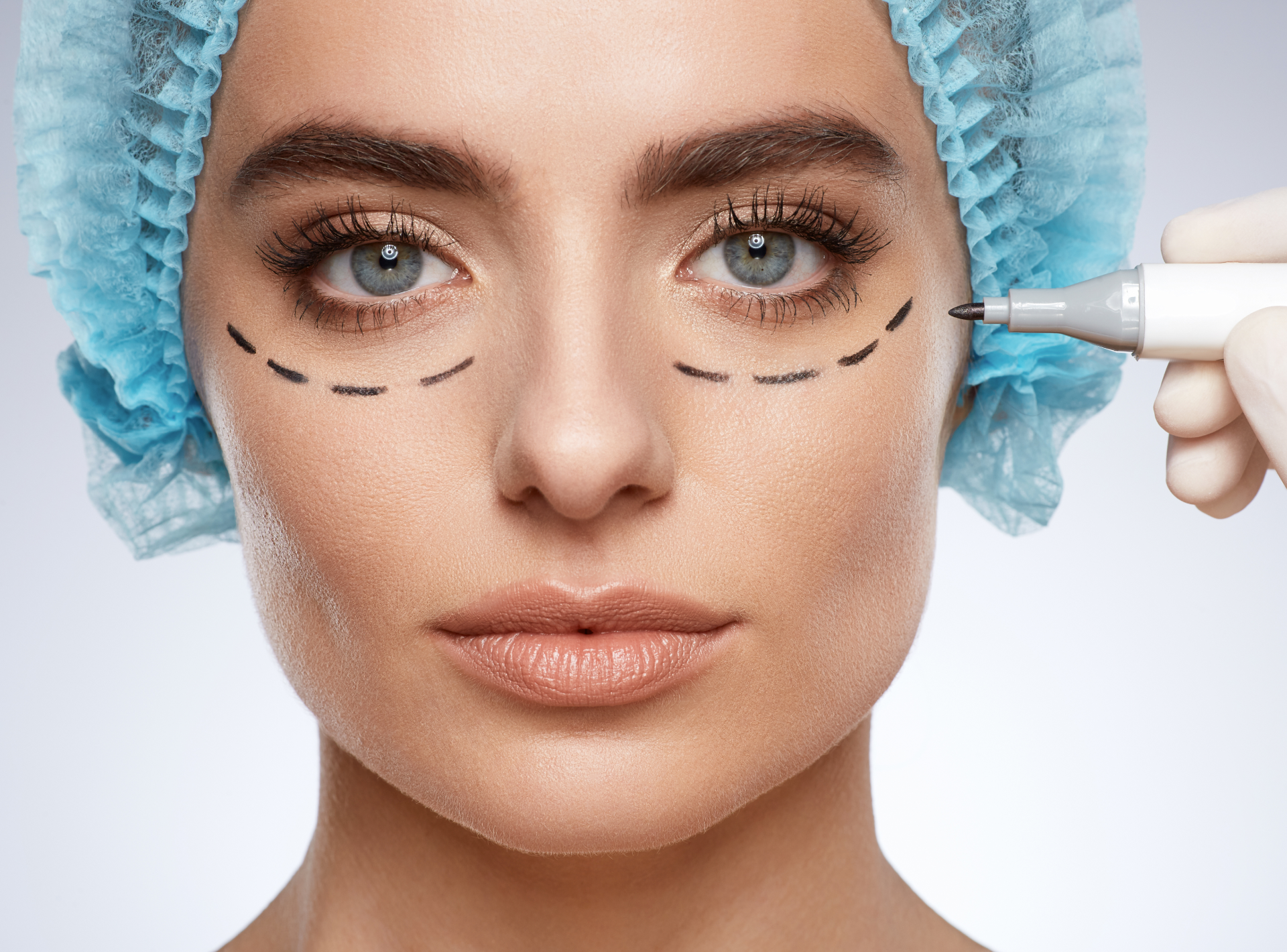
There are numerous reasons to think about blepharoplasty, or eyelid surgery, and it’s helpful to understand what the process involves. For aesthetic purposes, such as to combat aging or genetics, some people decide to have their eyelids revitalized in this manner. Others might wish to treat eye disorders or enhance their vision.
Surgeons remove any extra skin, fat, or other troublesome tissue from the upper or lower eyelids that causes drooping or puffiness during the procedure. Your eyes may appear brighter and younger as a result. Select Perfect Doctors Clinic’s skilled facial plastic surgeons for your eyelid surgery procedure for an exceptional experience.
Eyelid Surgery In Dubai
Eyelid Surgery in Dubai is a surgical procedure that removes excess skin, fat, and puffiness from the upper or lower eyelids to create a more youthful and refreshed appearance. It helps improve sagging eyelids, under-eye bags, and tired-looking eyes. The procedure enhances overall facial harmony and can even improve vision in cases where drooping skin obstructs sight.
1. Follow Your Surgeon’s Instructions
First and foremost, you should always adhere to the recovery instructions provided by your surgeon for eyelid surgery. These ought to serve as your roadmap for a speedy and complete recovery.
Cleaning and taking care of your eyelids will be part of these suggestions. Additionally, our surgeons will advise you of anything to watch out for that might necessitate calling them for a follow-up examination. Following these post-operative instructions will enable you to recover more quickly and start enjoying your refreshed appearance right away.
2. Schedule Adequate Time Off Work
After eyelid surgery, you will need time to recuperate, so plan on taking a lot of time off from work. It might be wise to enlist the help of a friend or relative or hire a professional minder if you have kids to look after. One to two weeks of rest and recuperation are part of the recovery period following blepharoplasty, and the healing process may take several months to finish. Since it can enhance your overall outcomes, we advise you to give this healing phase top priority.
3. Manage Swelling and Bruising
After eyelid surgery, you can use a cold compress or cold pack to lessen swelling. Apply the cold pack for 14 to 19 minutes, take it off for the same length of time, and then do it again after wrapping it in a soft cloth.
If you don’t overdo it, you can shorten the recovery period after eyelid surgery. In order to sleep with your head fully elevated, always make sure you get enough sleep and use additional pillows. Maintaining an elevated head is beneficial for managing bruises and draining fluid. Get help from your surgeon if you think something might be wrong or if the swelling hasn’t significantly decreased after a few weeks.
4. Stay Hydrated and Eat Healthy
Following eyelid surgery, a nutritious diet can aid in recovery. Consuming foods high in vitamins and minerals can shorten the duration of bruises and promote tissue repair. Maintaining hydration following surgery is also crucial. In order to enjoy your refreshed eyes sooner, drinking lots of water helps flush out excess fluids and toxins and reduces swelling.
BOOK AN APPOINTMENT TODAY
5. Avoid Certain Activities and Substances
Restrictions following surgery are intended to aid in the healing process, and investing your recuperation will pay off in the long run. During your recuperation, it’s acceptable to wear glasses, but avoid contact lenses (at least until your surgeon gives the all-clear). You will need to stop smoking, drinking alcohol, and taking any medications that haven’t been approved by your surgeon first. Additionally, it’s advisable to refrain from strenuous exercise during the first week or two following eyelid surgery.
6. Attend Follow-Up Appointments
After your Dubai blepharoplasty, be sure to show up for all of the post-operative examinations that your surgeon has scheduled. The goal of this post-operative care is to keep an eye on your recuperation and give you the best treatment and guidance available. Following eyelid surgery is crucial because everyone heals differently, and your surgeon might have specific advice and treatments that will help you achieve better results.
FAQs
What Should I Expect After Surgery?
Most patients can be discharged on the same day. Your eye may be covered with a bandage overnight. If so, you may remove the bandage yourself the following day.
Following the procedure, your eyelids are expected to be swollen and bruised for a period of two to three weeks. The extent of swelling and bruising varies among individuals and is influenced by the specific procedure performed. It is anticipated that the swelling will escalate during the initial three days before beginning to diminish.
The wound may exhibit mild soreness but should not cause significant pain. You may utilize basic analgesics such as paracetamol for pain relief. It is typical to experience a minimal amount of oozing during the initial 2 days. Any oozing or crusting may be carefully removed using a cotton pad moistened with cooled, boiled water.
You will be required to return to the clinic within one to four weeks to monitor the healing progress of your eyelids. If necessary, the stitches will be removed at the clinic. This is not discomforting.
How do I Take Care Of The Wound At Home?
After removing the bandage, commence applying the ointment in accordance with your nurse’s instructions. It is safe for the ointment to come into contact with your eye — in fact, this can aid in lubricating both the eye and the surrounding skin. It is common to experience blurred vision following the application of the ointment. The blurred vision may persist for more than an hour after each application.
- Maintain the wound’s dryness for the initial week and avoid exposure to contaminated environments.
- You may shower or bathe; however, avoid getting water around the eyes during the first week.
- If your surgeon has advised using an ice pack on the wound, apply it in 25-minute intervals (25 minutes on, 25 minutes off) during the initial two days. Position a clean cloth between the ice pack and the skin. Refrain from applying ice directly to the skin and avoid using ice if you have undergone skin graft surgery.
- To reduce swelling, it is recommended that you sleep with your head elevated on two or three pillows.Following surgical procedures, it is advisable to refrain from:Following surgical procedures, it is advisable to refrain from:
Following surgical procedures, it is advisable to refrain from:
- Applying pressure to the eyes
- Applying eye makeup for a duration of two weeks
- Wearing contact lenses for a duration of two weeks
- Bending forward (with the head positioned below waist level), exerting significant effort, or lifting objects exceeding 6.9kg during the initial two weeks
- Intensive physical activity over a two-week period (e.g., treadmill, cycling, weight training, yoga). Walking is acceptable.
- Engaging in swimming activities over a period of four weeks.
When Can I Go Back to Work?
Consult your surgeon to determine when it is safe for you to resume work. This will be contingent upon the nature of your occupation and the medical procedures you have undergone.
Can I Drive After the Surgery?
Refrain from operating a vehicle when you have ointment in your eyes, as this may impair your vision. It is generally safe to resume driving three to five days following surgery; however, avoid driving if you experience any visual impairment.
How Is The Procedure Done?
Your surgeon will explain the particular procedure you need prior to confirming whether you wish to proceed with the surgery.
Typically, the majority of procedures last between 29 and 59 minutes and are conducted following administration of a local anesthetic to the affected eyelid. The local anesthetic anesthetizes the eyelid, ensuring that no discomfort is experienced during the procedure. Certain patients may experience only a mild pressure or pulling sensation.
How Can I Reduce Swelling After My Eyelid Surgery?
Swelling is very common after eyelid surgery, especially during the first few days. To reduce it, keep your head elevated even while sleeping, as this helps fluid drain away from the eyes. Applying cold compresses during the first few hours also minimizes swelling and discomfort. Avoid strenuous activity, bending, and lifting heavy objects, as these can increase pressure around the eyes. Staying hydrated and limiting salty foods can help control fluid retention. Following your surgeon’s instructions closely will ensure the swelling improves steadily and your results heal beautifully.
MEET THE EXPERT DOCTOR
Best Plastic Surgeon In Dubai For Eyelid Surgery
Best Plastic Surgeon In Dubai for Eyelid surgery offers advanced techniques to rejuvenate the upper and lower eyelids, reduce puffiness, and create a more youthful, refreshed appearance. Dr. Perfect Celebrity is renowned for delivering precise, natural-looking results tailored to each patient’s unique facial structure. With expert skills and a focus on safety and aesthetics, patients can expect brighter, more lifted eyes and a smoother overall facial appearance.
Contact Perfect Doctors Clinic Today to Begin Your Eyelid Surgery Journey
You are positioning yourself for success if you adhere to these post-operative guidelines! Make an appointment for a consultation with Perfect Doctors Clinic to arrange your blepharoplasty procedure with a skilled facial plastic surgeon. We can walk you through every step of the process so you know exactly what to anticipate and can unwind while enjoying your new appearance.