





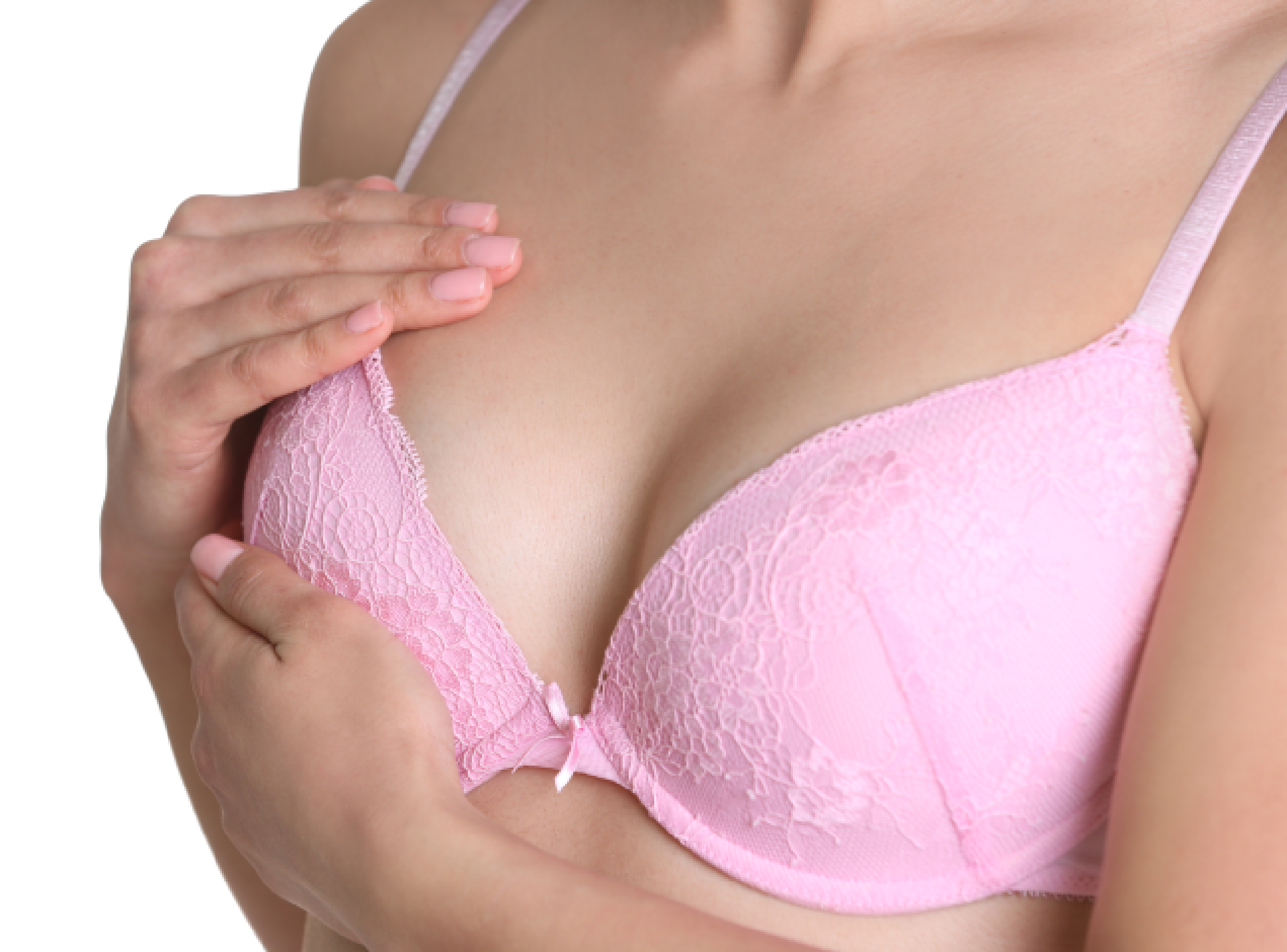
Losing a significant amount of weight is an amazing accomplishment that improves confidence and health. Many people, however, discover that even though their bodies have undergone significant changes, their breasts have lost volume and shape, making them feel disconnected from their new silhouette. Breast augmentation after weight loss provides a means of regaining proportion and finishing your transformation process.
Breast Augmentation In Dubai
Breast Augmentation in Dubai is a surgical cosmetic procedure designed to enhance the size, shape, and overall contour of the breasts. It involves the placement of breast implants, either silicone or saline, or sometimes fat transfer, to achieve a fuller and more proportionate appearance. This procedure can correct asymmetry, restore volume lost due to pregnancy, weight fluctuations, or aging, and improve self-confidence. Breast augmentation is tailored to each patient’s body type and aesthetic goals, ensuring natural-looking results. Modern techniques focus on precise implant placement, minimal scarring, and safe recovery for long-lasting, aesthetically pleasing outcomes.
Understanding Breast Changes After Weight Loss
Your entire body composition changes when you lose a significant amount of weight. This change is especially noticeable in the breasts, which are mostly made of fatty tissue.
Why Breasts Change With Weight Loss
- Loss of fatty tissue. The main components of breasts are fat and glandular tissue. Losing weight causes your body’s fat reserves, including those in your breasts, to diminish. Your breast composition and the amount of weight you’ve lost will determine how much volume you’ve lost.
- Skin elasticity issues. It is possible for stretched skin not fully retract after losing weight, especially if the loss was quick or substantial. Excess skin may result from this.
- Changes in breast shape. Losing weight frequently results in a complete change in the shape of the breasts, not just a size reduction. The breasts may lose their fullness, grow longer, or appear flattened.
- Individual variation. After losing weight, some people keep their breasts larger than others. Your breasts’ reaction to changes in weight depends on several factors, including age, genetics, skin quality, and the proportion of glandular tissue to fat.
Setting reasonable expectations for what breast augmentation can accomplish in terms of restoring your desired appearance is made easier when you are aware of these changes.
How Post-Weight Loss Breasts Differ From Standard Cases
When compared to standard breast augmentation procedures, there are special considerations for breast augmentation following significant weight loss. By acknowledging these variations, you can be sure that the treatment recommendations you receive are appropriate.
Key Differences
- Excess skin. Breast skin naturally loses some of its elasticity after losing a lot of weight. Although the body’s reaction to weight fluctuations is normal, this suggests that the skin might benefit from more support than just implants.
- Tissue quality. The way implants sit and the overall aesthetic result, may be impacted by the remaining breast tissue, which may be less dense and appear more deflated.
- Positional changes. It’s possible that the breasts lowered onto the chest wall, with the nipples pointing down instead of forward. This positional problem is not addressed by standard augmentation.
- Skin stretch marks. Stretch marks on the breast skin are frequently caused by weight fluctuations and cannot be eliminated by augmentation alone.
- Different aesthetic goals. Rather than merely increasing their current breast size, post-weight loss patients usually aim to regain lost volume and shape.
Due to these variations, many people who have experienced substantial weight loss find that combination procedures are more beneficial than augmentation alone.
Breast Augmentation Alone vs. Combination Procedures
The precise changes your breasts have experienced during weight loss will determine whether you require breast augmentation alone or a combination procedure.
When Augmentation Alone May Be Sufficient
Breast augmentation on its own may be beneficial if you have:
- Good elasticity of the skin with little extra skin
- Breasts that are positioned appropriately on the chest wall
- Nipples pointing upward instead of downward
- Sufficient breast tissue left over to cover implants
- Reasonable expectations regarding the capabilities of implants alone
Implants can successfully restore volume in these situations, giving the appearance of fuller, more proportionate breasts.
When Combination Procedures Are Recommended
When breast augmentation and breast lift (mastopexy) are combined, many post-weight-loss patients experience better outcomes. Both positional changes and volume loss are addressed by this combination.
Augmentation With Mastopexy Benefits Include:
- Elimination of extra skin for a firmer look
- Breast repositioning on the chest to a more youthful position
- Nipples moving to the point forward
- Improved breast contour and shape
- A more thorough makeover that complements your new body
During the consultation, your surgeon will evaluate your unique anatomy to suggest the best course of action for reaching your aesthetic objectives.
Timing Your Breast Augmentation After Weight Loss
When to get a breast augmentation after losing weight is one of the most frequently asked questions. Both surgical safety and your outcomes are greatly impacted by timing.
Weight Stability Requirements
For six to twelve months, stick to your target weight. Waiting until you’ve kept your weight steady for at least six months—many prefer a full year—is usually advised by surgeons. This guarantees that your body has completed acclimating to your new weight.
Why stability is important:
- After surgery, additional weight loss may have an impact on outcomes and possibly lead to new deflation.
- Gaining weight can change the appearance and placement of implants.
- A stable weight is a sign that your body has found its new balance.
- After the adjustment period, nutritional status is more stable.
BMI Considerations
Before undergoing breast augmentation, the majority of surgeons prefer that patients have achieved a healthy BMI. Although there are other factors taken into account, BMI offers a general guideline for surgical safety and the best possible results.
A steady, healthful range of weight:
- Lowers the risks and complications of surgery
- Increases the ability to heal
- Improves long-term outcomes
- Reduces the risks of anesthesia
After Bariatric Surgery
There are extra factors to take into account if you have had weight loss surgery, like a sleeve gastrectomy or gastric bypass. Coordination between your plastic surgeon and bariatric surgeon is necessary to guarantee:
- You’ve had enough time since your weight loss surgery, which usually takes 17 to 23 months.
- Deficits in nutrition have been found and fixed.
- At your target weight, your weight has stabilized.
- Your medical clearance for elective surgery has been granted.
Safety and outcomes are maximized by taking the time to make sure your body is prepared.
Choosing The Right Implant Size After Weight Loss
Compared to standard breast augmentation, choosing an implant size after weight loss requires different considerations. The decision is influenced by both the state of your breast tissue and your new body proportions.
Factors Affecting Size Selection
- Your new frame size. Your overall body proportions have changed as a result of your weight loss. Instead of matching your former body size, the implant size should fit your current frame.
- Existing breast tissue. The appearance of various implant sizes depends on the quantity and condition of the remaining tissue. Implants may be more palpable or visible if there is less tissue left.
- Chest wall measurements. The right implant width and profile are chosen based on your chest measurements to produce results that are proportionate.
- Aesthetic goals. Think about achieving a different breast size that fits your new body, getting back to your previous size, or striking a balance between the two.
- Lifestyle considerations. Consider how different sizes will impact your activities, wardrobe selections, and comfort level.
The Sizing Consultation Process
Your surgeon will schedule a sizing consultation with you at Perfect Doctors Clinic. By using sizing implants placed in a surgical bra, you can experiment with different implant shapes and sizes. You can see how various options will appear with your new body proportions by using this practical method.
Additionally, your surgeon will recommend sizes based on measurements and experience that will:
- Considering the quality of your tissue, provide enough coverage.
- Use your frame to create proportions that look natural.
- Reach your aesthetic objectives
- Reduce the possibility of issues like implant visibility or rippling
- Considerations for implant type in patients who have lost weight
- After losing weight, silicone and saline implants can both function effectively, but some features might make one option better suited to your circumstances.
Silicone Implants
Benefits for patients who have lost weight:
- A more natural feel is especially crucial when there is less natural tissue left.
- Thinner tissue is less likely to ripple or display obvious edges.
- More closely resembling the consistency of natural breast tissue
- Frequently yields more aesthetically pleasing outcomes when tissue coverage is restricted.
Considerations:
- Needs to be regularly checked for silent ruptures.
- A little more costly than saline implants
- Requires a longer incision to be placed.
Saline Implants
Advantages:
- When the breast deflates, ruptures are immediately noticeable.
- Adjustable for fine-tuning size after insertion
- requires fewer incisions.
- In general, less costly
Considerations:
- More likely to ripple, particularly when thin tissue is involved
- Might not feel as natural, especially in the upper breast.
- Compromised tissue may make edges more palpable or visible.
Shaped vs. Round Implants
Round implants are less impacted by rotation and give the breast fullness throughout. For the majority of post-weight-loss patients looking to regain volume, they are effective.
Although they require exact placement, shaped (teardrop) implants offer a more naturally tapered slope. Patients looking for a very specific breast shape might benefit from them.
Considering your anatomy, tissue quality, and desired aesthetics, your surgeon will suggest the best course of action.
The Surgical Procedure
Knowing what breast augmentation entails will help you both practically and psychologically get ready for the procedure.
Before Surgery
Pre-operative planning consists of:
- Last consultation to confirm your surgical strategy
- Pre-operative photos for your medical records
- Obtaining a medical clearance guarantees that you are surgically fit.
- Guidelines for avoiding certain medications
- Guidelines for fasting on the day of surgery
- Transportation and post-operative care arrangements
During The Procedure
Under general anesthesia, breast augmentation usually takes one to two hours. The procedure entails:
- Incision placement. Incisions will be made by your surgeon in predetermined areas, usually:
- In the inframammary, or crease beneath the breast
- Periareolar, or surrounding the areola
- In the transaxillary region of the armpit
The inframammary technique is frequently chosen for patients who have lost weight because it offers superior access for accurate implant placement and can be integrated into lift incisions if necessary.
- Creating the pocket. Either beneath the breast tissue (subglandular) or beneath the chest muscle (submuscular), the surgeon makes a pocket for the implant. When natural tissue is scarce, submuscular placement offers superior coverage for many post-weight-loss patients.
- Implant insertion and positioning. To achieve the best possible symmetry and appearance, the selected implants are carefully positioned and inserted.
- Closing incisions. In order to minimize visible scarring, the surgeon sutures the incisions shut.
Combining With A Breast Lift
There are extra steps involved in the process when augmentation and mastopexy are combined:
- Elimination of extra skin in accordance with the selected lift pattern
- Restructuring of the breast tissue that remains
- Shifting the nipple-areola complex into a position that faces forward
- Implant placement
- Closing carefully while paying attention to getting the right breast shape
Depending on their complexity, combined procedures usually take two to four hours.
BOOK AN APPOINTMENT TODAY
Recovery After Post-Weight Loss Breast Augmentation
There is a gradual recovery period following breast augmentation, with special considerations for people who have experienced significant weight loss.
Week One: Initial Recovery
The most rest and attention are needed during the first week. You’ll encounter:
- Painkillers are prescribed to treat moderate discomfort
- Bruising and swelling surrounding the breasts
- Constriction in the chest
- Anaesthesia and surgical fatigue
- Compression garments or surgical dressings
During this period:
- When you’re at rest, keep your head and upper body raised.
- Steer clear of any pulling, pushing, or lifting.
- As directed, take prescription drugs as prescribed.
- Show up for your initial follow-up appointment.
- Have a helper on hand to assist with everyday duties.
Weeks Two to Four: Increasing Mobility
There is a noticeable decrease in discomfort during this time. You can anticipate:
- Swelling has decreased, but some still exists.
- Increased levels of comfort
- Drains (if any) should be removed.
- Make the switch to a supportive surgical bra.
- Gradual return to light-duty tasks
Around one to two weeks after surgery, most people feel comfortable going back to desk-based work; however, this varies depending on your own healing and whether you had a combination procedure.
Weeks Four to Eight: Returning to Normality
Throughout this stage, you make significant progress toward recovery. During this period:
- Most edema goes away.
- Implants start to become settled in their final location.
- You can progressively start doing more things.
- With the surgeon’s approval, light exercise may be allowed.
- As healing progresses, results become more noticeable.
Months Three to Six: Final Results Emerge
This time frame shows your ultimate result. You will observe:
- Implants have completely positioned themselves in their natural state.
- The final shape of the breasts is revealed.
- Scars keep getting older and fading.
- Complete resumption of all activities, including strenuous exercise
- Total gratitude for your change
With more initial swelling and a longer settling period, recovery from combined augmentation and lift procedures usually takes longer at each stage.
Managing Expectations and Potential Complications
Making informed decisions and knowing when to seek medical attention are made easier when you are aware of potential complications and realistic outcomes.
Realistic Expectations
What can be accomplished with breast augmentation:
- Replenishment of lost breast volume
- Enhanced fullness and projection of the breasts
- Improved proportion for your new body type
- Increased self-assurance in your looks
- Clothes that fit more proportionately
What it is unable to do:
- Get rid of all stretch marks (though some might be gone during a lift).
- Restore your breasts to their pre-weight loss appearance.
- Prevent your breasts from naturally aging.
- Assure perfect symmetry (asymmetry is normal to some extent).
- Last forever without the possibility of revisions in the future
Potential Complications
The risks of breast augmentation are the same as those of any surgical procedure. It is especially crucial for patients who have lost weight to be aware of potential complications.
Typical issues include:
- Scar tissue tightening around the implant is known as capsular contracture.
- Rotation or displacement of the implant
- Wrinkles or ripples are more frequent when tissue is compromised.
- Modifications in breast or nipple sensation
- Breast asymmetry
- Problems with wound healing, especially when using combination procedures
Serious but uncommon side effects include:
- Infection that necessitates the removal of implants or antibiotics
- Blood collection hematoma that needs to be drained
- Deflation or implant rupture
- Anesthesia-related side effects
- Anaplastic large cell lymphoma (BIA-ALCL), a very uncommon cancer, is linked to breast implants.
During consultations, our surgeons at Perfect Doctors Clinic go over these risks in detail and take all necessary steps to reduce them. Following your surgeon’s instructions for proper aftercare greatly lowers your risk of complications.
When To Contact Your Surgeon
While some edema and discomfort are normal, some symptoms call for prompt medical intervention:
- One side of severe pain that is not relieved by medicine
- Notable variation in breast size
- Infection-related symptoms (redness, warmth, discharge, fever over 37°C)
- Excessive incisional bleeding or discharge
- Chest pain or breathing difficulties
- Abrupt changes in the appearance of the breasts
Long-term Considerations
Breast implants don’t last a lifetime. Planning for the future is made easier when you are aware of long-term factors.
Implant Longevity
Although contemporary breast implants are long-lasting, their lifespan is limited. While some last longer, most implants stay in place for ten to twenty years. You should be ready for:
- Possible revision surgery in the future
- Self-examinations for routine monitoring
- If your surgeon recommends it, get an MRI (especially for silicone implants).
- The potential for implant replacement or removal in the future
Weight Stability Importance
For your breast augmentation results to last, you must maintain your weight. Considerable variations in weight can:
- Change the size and shape of your breasts
- Impact the placement of implants
- Restore the suppleness of your skin
- Give up the aesthetic result you’ve produced
Breast Health Monitoring
After augmentation, keep up your routine breast health monitoring:
- Do self-examinations every month to become acquainted with your breasts.
- As advised by your age, get regular mammograms.
- Tell radiologists about your implants so they can use the right imaging methods.
- Notify your surgeon or general practitioner right away of any changes or concerns.
Emotional Aspects of Breast Augmentation Following Weight Loss
In addition to physical factors, emotional factors play a role in the decision to have breast augmentation following weight loss.
Body Image Transformation
Significant weight loss causes significant changes in your self-perception. Even though they are thrilled with their overall transformation and health gains, many people discover that certain parts of their bodies, like their breasts, don’t fit with their new self-image.
Typical emotions include:
- An annoyance that some of your weight loss success seems to be undermined by breast changes
- Unhappiness with the way clothes fit, especially around the bust
- Being cut off from your new body
- Want to finish your journey of transformation?
- Nervousness and anticipation regarding additional surgery
Many people who have lost a lot of weight have felt the same way, and these emotions are entirely legitimate.
Managing Expectations Emotionally
Breast Augmentation Is Most Successful When:
- You have reasonable expectations for the results.
- You want the procedure for yourself, not for other people’s approval.
- You are aware that surgery is just one aspect of your continuous journey.
- You’re ready for the healing process.
- Before making any more adjustments, you’ve given yourself time to get used to your new body.
The Role Of Support
Making decisions and recovering with support enhances your experience and results. This could consist of:
- Talking about your plans with dependable relatives or friends
- Making connections with people who have experienced comparable procedures
- Working together with your surgeon to make sure that goals are communicated clearly
- If you’re having issues with your body image, you should seek counseling.
Financial Considerations
You can make more informed plans for your procedure if you are aware of the financial implications of breast augmentation.
Cost Factors
A number of variables affect the price of breast augmentation after weight loss:
- Whether you require combined procedures or augmentation alone
- The chosen implant size and type
- Fees for surgical facilities
- The cost of anesthesia
- Experience and expertise of a surgeon
- Geographical location
- Post-operative clothing and drugs
Due to increased surgical complexity and time, combined procedures (augmentation with lift) inherently cost more than augmentation alone.
Planning For Future Expenses
Think about possible future expenses:
- Monitoring and follow-up appointments
- Future possibilities for revision surgery
- If necessary, replace the implant
- Taking care of any issues
Insurance Considerations
Since cosmetic breast augmentation is regarded as an elective aesthetic procedure rather than a medically necessary surgery, it is usually not covered by insurance or the NHS. Usually, the entire cost must be covered out of pocket.
Choosing Your Surgeon
A safe, successful outcome depends on choosing a skilled, experienced surgeon, especially after substantial weight loss when the anatomy of the breasts may be more complicated.
What To Look For
Crucial requirements:
- Plastic surgery specialist training and GMC registration
- Participation in pertinent professional associations
- extensive knowledge of breast augmentation, especially in cases involving weight loss
- Availability of approved surgical facilities
- Thorough aftercare procedures
The Consultation Process
A comprehensive consultation ought to comprise:
- A thorough analysis of your medical background and weight loss experience
- Physical assessment of the quality of your skin and breast tissue
- Talking about your expectations and aesthetic goals
- An explanation of the suggested practices and their rationale
- Examination of comparable cases’ before and after pictures
- A thorough explanation of the dangers and difficulties
- Explicit details regarding prices and inclusions
- The chance to voice concerns and ask questions
Take your time making this choice. Spend some time making sure you are comfortable with the suggested course of treatment and that you have faith in your surgeon.
Your Transformation Complete
Significant weight loss calls for a great deal of commitment, tenacity, and lifestyle adjustments. After losing weight, breast augmentation is often seen as the last stage of a life-changing process that gives you the self-assured look that complements your hard-won new way of living.
Knowing the specific factors involved in post-weight-loss breast augmentation, such as implant selection, timing, reasonable expectations, and long-term care, enables you to make well-informed decisions that enhance your outstanding accomplishment.
Our skilled GMC-registered surgeons at Perfect Doctors Clinic are experts in body contouring following weight loss, including breast augmentation and combination procedures. We provide individualized care aimed at assisting you in finishing your journey because we recognize the special needs of patients who have changed their bodies through weight loss. Visit Perfect Doctors Clinic to learn more about breast augmentation and schedule a free consultation during the discount season with our staff to talk about how we can assist you in reaching your aesthetic objectives.
MEET THE EXPERT DOCTOR
Best Plastic Surgeon In Dubai For Breast Augmentation
Best Plastic Surgeon In Dubai for Breast Augmentation provides expert cosmetic breast enhancement using advanced surgical techniques and high-quality implants to achieve natural, symmetrical, and aesthetically pleasing results. Under the guidance of Dr. Perfect Celebrity, patients receive personalized consultations to determine the ideal implant type, size, and placement based on their body shape and goals. The procedure is performed in modern, fully equipped facilities with strict safety protocols and meticulous attention to detail. Post-operative care and follow-up ensure smooth recovery, minimal scarring, and long-lasting results. Patients benefit from improved breast volume, enhanced contour, and increased confidence with safe, professional, and tailored breast augmentation services.
Start Your Journey With Perfect Doctors Clinic
Make an appointment with your surgeon and patient care coordinator for a free consultation during the discount season.