





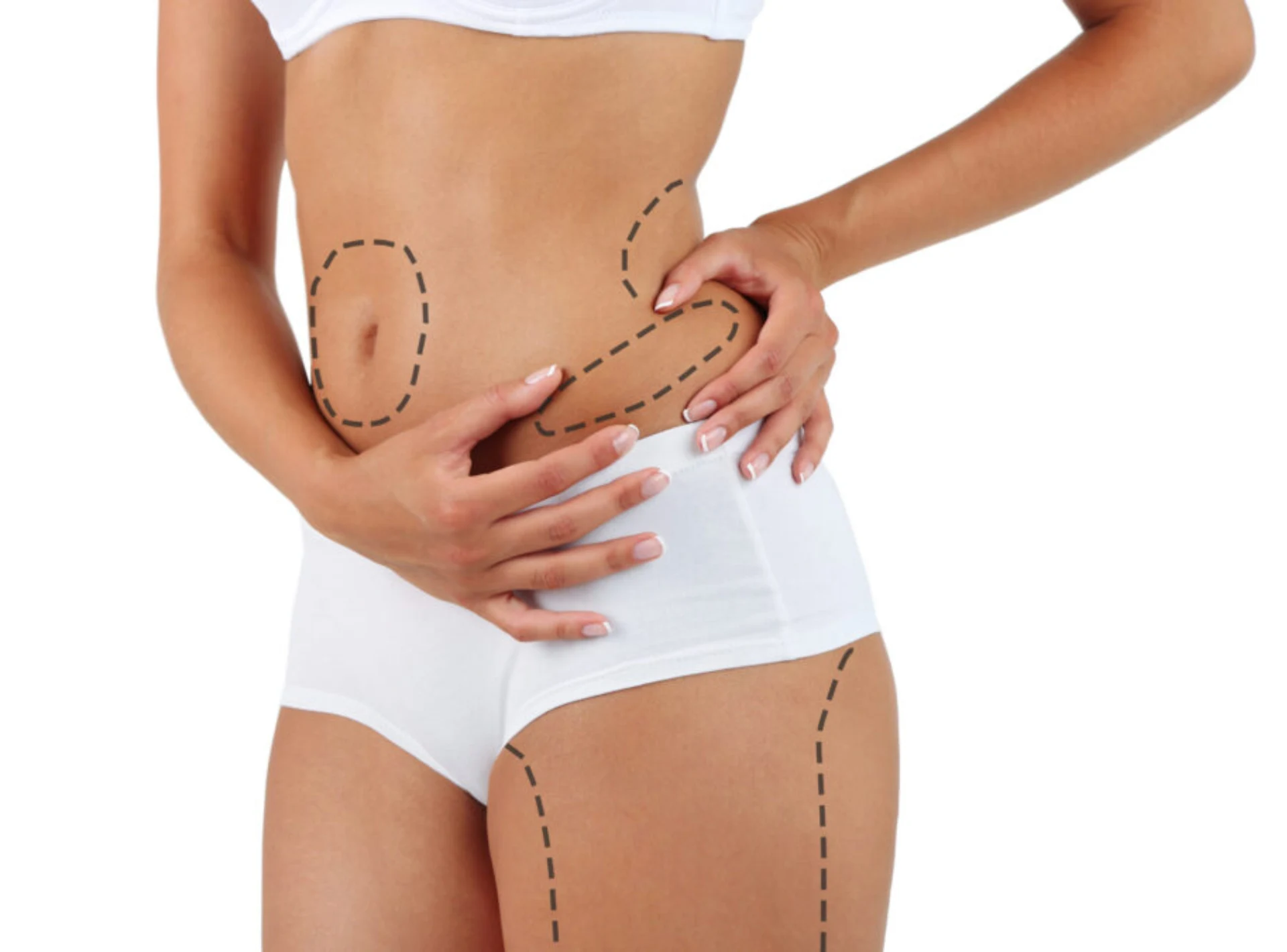
“Does the fat go somewhere else on my body after liposuction?” is this week’s patient query. “No” is the simplest response.
However, we suppose you might prefer a bit more detail. Liposuction is not a method for losing weight. It is possible to remove fat cells from trouble spots with liposuction. Adorable names like “love handles” are given to these places. Additionally, they are given less adorable nicknames like “beer belly,” “saddlebags,” and “buffalo hump.” Each of us has one or more of these troublesome, seemingly unavoidable areas of fat accumulation. The lower or upper back, the roll beneath a brassiere, the neck, the abdomen, the inner or outer thighs, the knees, and the flanks are some examples of these regions.
Fat cells are removed from these areas by liposuction. There are no more fat cells. Fat cells enlarge as you gain weight. Those cells shrink as you lose weight. Because liposuction actually eliminates cells, those cells can no longer proliferate. Therefore, “no,” the fat does not move, but other cells may enlarge if you put on weight.
Having said that, liposuction is a great way to enhance the appearance of trouble spots and achieve the desired appearance.
Naturally, a healthy diet and regular exercise will significantly improve the appearance of your liposuction procedure.
“We believed we had the answers; we were mistaken about the question.” Dr. Perfect Celebrity.
Liposuction In Dubai
Liposuction in Dubai is a cosmetic surgical procedure designed to remove excess fat from specific areas of the body, such as the abdomen, thighs, hips, arms, or neck. It helps improve body contours and proportions by targeting stubborn fat that is resistant to diet and exercise. While it is not a weight-loss method, liposuction can enhance the shape of treated areas, and results are long-lasting when combined with a healthy lifestyle.
Liposuction Procedure
Through liposuction, the physician extracts fat deposits from targeted areas where fat appears resistant to loss despite adherence to optimal diet and exercise regimens. Some individuals assign informal labels to these problematic areas, such as “love handles.” Others refer to them with unflattering terms such as “buffalo hump,” “saddlebags,” or “beer belly.” These adipose deposits are primarily located in the outer and inner thighs, upper and lower back, abdomen, neck, knees, and various other regions.
Liposuction can be performed under either general or local anesthesia. The procedure is contingent upon the factors discussed with your physician during the consultation; however, Dr. Perfect Celebrity recommends administering local anesthesia. Under local anesthesia, you may undergo liposuction as an outpatient procedure and be discharged on the same day as the operation.
The procedure commences with the creation of minor incisions surrounding the affected region. The physician can insert a cannula, ultrasound device, or laser fiber through the incisions and subsequently aspirate the adipose tissue from the targeted region. Following the removal of fat deposits through suction, the incisions are closed using sutures. Following the procedure, your healthcare team will escort you to a recovery area for observation. Once stabilized, the physician transfers the patient’s care to a responsible family member or guardian.
Recovery from the Procedure
Prior to discharge, you will be fitted with bandages and a compression garment, and you will receive instructions on how to change the dressings. The compression garment assists in minimizing post-operative swelling and enhances the overall results; it is typically worn for a period of three to four weeks following surgery.
The side effects of liposuction include edema surrounding the incision sites and minor bruising. The patient may experience postoperative discomfort; however, this can be managed effectively with over-the-counter medications and prescriptions from your healthcare provider. Within a maximum of two weeks, the patient is expected to have achieved complete recovery. Recovery duration is contingent upon the extent of fat deposits extracted and the specific technique employed.
BOOK AN APPOINTMENT TODAY
6 Tips to Keep Your Liposuction Results
Liposuction can provide the body contour you have long desired, but preserving those results requires dedication. Here are some essential strategies to assist you in maintaining your new physique over the long term:
- Maintain a Healthy, Balanced Diet: Maintaining a nutritious diet supports weight stability and helps prevent the excessive accumulation of fat in areas that were not treated. Prioritize whole foods such as vegetables, lean proteins, and healthy fats, while minimizing the intake of processed foods and added sugars.
- Stay Active: Strive to engage in a minimum of 2.5 hours of moderate-intensity exercise weekly. Engaging in regular activity will support the maintenance of a high metabolism and help keep the body well-toned.
- Keep Your Weight Stable: The essential factor in sustaining the outcomes of your liposuction procedure is to keep your weight consistent. Although weight gain does not affect the treated regions, it can lead to the expansion of residual fat cells in untreated areas. Maintaining your weight within a healthy range is essential for preserving overall body proportions.
- Stay Hydrated: Consuming sufficient water supports fat metabolism and enhances overall skin elasticity. It also promotes healthy circulation, which may enhance a more youthful and toned appearance.
- Get Enough Sleep: Adequate rest is essential for recovery and effective weight management. Strive for 6 to 8 hours of sleep each night to ensure your metabolism functions optimally.
- Follow Your Surgeon’s Aftercare Instructions: Your surgeon will offer tailored recommendations for recovery and preserving the outcomes. This may involve the use of compression garments, refraining from specific activities during the recovery period, and arranging follow-up appointments to monitor your progress.
FAQS
Is Liposuction Painful?
Liposuction is generally performed under local, regional, or general anesthesia, so patients typically do not feel significant pain during the procedure itself. However, some discomfort, soreness, and mild pain are normal in the days and weeks following surgery. This is due to swelling, bruising, and the body’s natural healing process. Most patients describe the sensation as manageable, often controlled with prescribed pain medication. Wearing compression garments, following post-operative care instructions, and resting adequately can help reduce discomfort. By the second or third week, pain usually diminishes significantly, allowing patients to resume light activities comfortably.
Can Fat Return to Body Areas Treated by Liposuction?
No, many individuals opt for liposuction to eliminate unwanted fat from targeted regions. Although fat removal is permanent, liposuction does not serve as a comprehensive weight-loss solution for the entire body, and subsequent fat accumulation in other regions remains possible.
What Happens to the Removed Fat After Liposuction?
Some individuals believe that eliminating fat cells from one region results in their enlargement elsewhere; however, this is not supported by evidence. Although the treated area may appear more slender, the eliminated fat cells are unable to regenerate or reaccumulate in your body.
What Happens to Your Body Years After Liposuction?
Years after liposuction, the areas treated generally maintain a slimmer, more contoured appearance, especially if you follow a healthy lifestyle with balanced nutrition and regular exercise. However, natural aging processes, including decreased skin elasticity, muscle tone changes, and gradual fat redistribution, can subtly alter the results over time. Significant weight gain after the procedure can also affect body shape and contour. While liposuction removes fat cells permanently, maintaining long-term results depends on consistent self-care and fitness habits. Periodic follow-ups with your surgeon can help monitor changes and guide adjustments if needed.
How Long Does the Recovery Take After Liposuction?
Recovery duration varies according to the extent of the procedure and individual physiology. Typically, you may resume light activities within a few days; however, more vigorous exercise should be deferred for a minimum of 3 to 5 weeks. Complete recovery may require several months before the final results become evident.
Am I a Good Candidate for Liposuction?
Ideal candidates for liposuction are healthy individuals who are within 31% of their ideal weight, possess firm and elastic skin, maintain strong muscle tone, and have fat deposits that have not responded to diet and exercise. It is not advisable for individuals with specific health conditions; therefore, consulting a qualified surgeon is essential to assess its suitability for you. Preference is also given to individuals who do not smoke or vape.
MEET THE EXPERT DOCTOR
Best Plastic Surgeon In Dubai For Liposuction
Best Plastic Surgeon In Dubai for Liposuction offers expert body-contouring solutions tailored to each patient’s unique needs. With advanced techniques and a focus on natural-looking results, patients benefit from personalized care, state-of-the-art facilities, and comprehensive post-operative support. Dr. Perfect Celebrity ensures safety, comfort, and long-lasting aesthetic improvements, helping you achieve a sculpted, balanced, and confident appearance.
Achieve Your Desired Body Shape with Liposuction
At Perfect Doctors Clinic, we are dedicated to assisting you in achieving confidence and comfort in your own skin. If persistent fat deposits are impacting your self-confidence and you are contemplating liposuction, contact Dr. Perfect Celebrity to arrange a personalized and confidential consultation. During your visit, we will provide comprehensive guidance throughout the entire process and develop a personalized treatment plan to assist you in reaching your body goals and sustaining enduring results.