





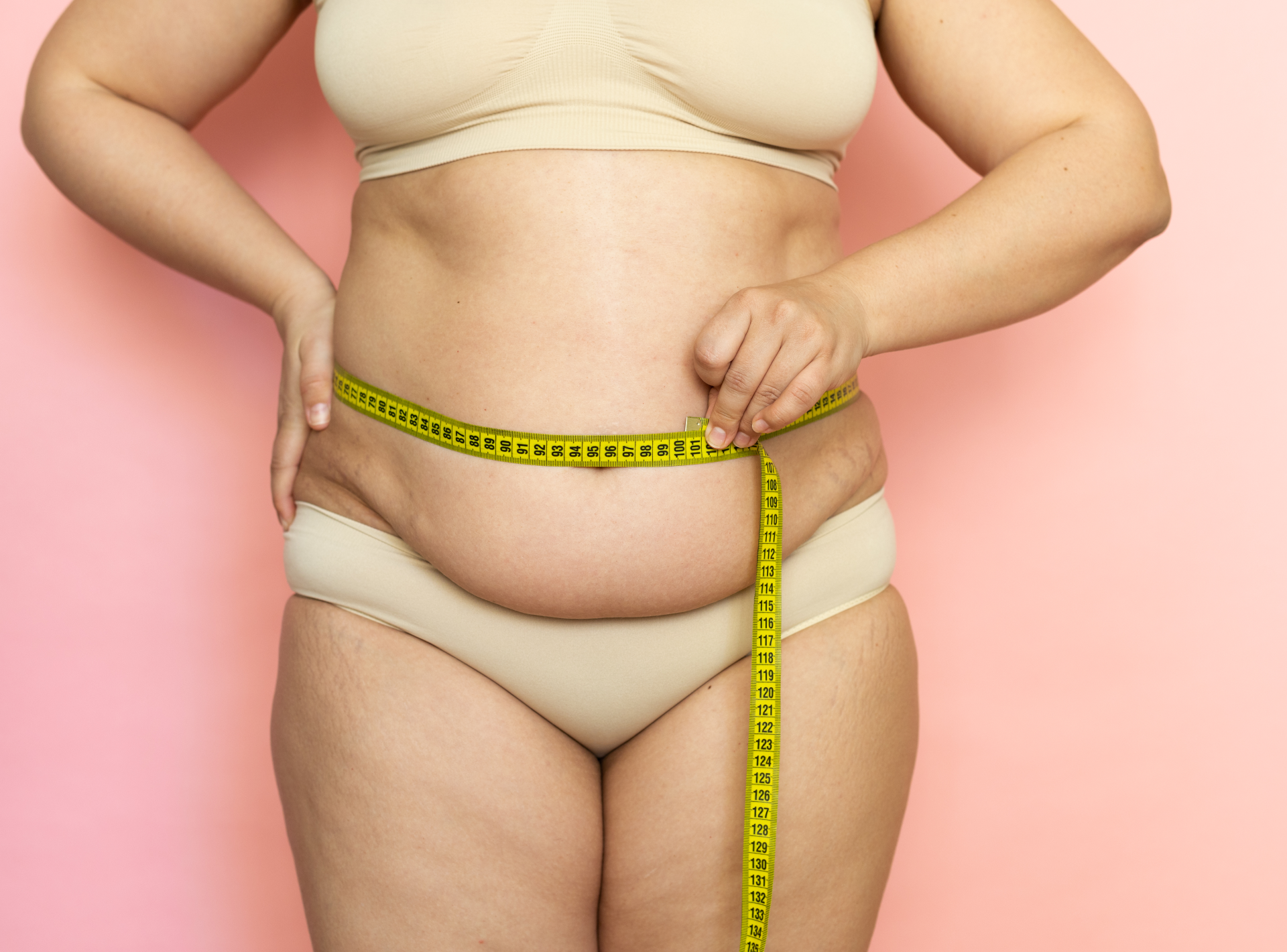
Liposuction is a popular cosmetic procedure that aims to remove stubborn fat deposits and reshape the body. It targets the abdomen, thighs, and arms, allowing patients to achieve a more contoured appearance. Liposuction, when performed by a skilled surgeon, is both safe and effective for improving confidence and body proportion.
Liposuction In Dubai
Liposuction in Dubai is a popular body contouring procedure that targets stubborn fat deposits that do not respond to diet or exercise. It is commonly used on the abdomen, thighs, arms, back, and flanks to achieve a slimmer, more sculpted appearance. Liposuction in Dubai uses advanced surgical techniques and cutting-edge technology to achieve precise fat removal with smoother, more natural-looking results. The procedure is ideal for people who are close to their goal weight and want to refine their body shape, improve proportions, and achieve long-term improvements in confidence and overall silhouette.
What Is Liposuction?
Liposuction is a type of surgery that removes extra fat and shapes the body. It is not very invasive. Liposuction is most often done on the abdomen, hips, thighs, butt, arms, or neck. Your plastic surgeon makes small cuts and puts in a thin tube called a cannula. Then, he or she sucks out the fat.
Depending on the area(s) being treated, the procedure can take anywhere from one to five hours. Most patients see results after one procedure. People often get liposuction along with other cosmetic surgeries, like a tummy tuck or breast lift, as part of a “mommy makeover.” You can use the fat that is taken out during most types of liposuction to graft fat back into other parts of the body, like the buttocks, hips, face, and so on.
Who Is A Good Candidate For Liposuction?
People who don’t smoke and have a body mass index (BMI) of 35 or lower are usually good candidates for liposuction. But liposuction isn’t a good way to lose weight or get rid of cellulite. For a good result, the skin needs to have good color and elasticity so that it can snap back into the body’s new shape after the fat is removed. People who have lost a lot of weight, have kids, or have skin that is getting older may not get great results from liposuction unless they also get a procedure to fix the sagging skin.
Recovery
After the procedure, there will be swelling, bruising, and inflammation, as well as some numbness and nerve pain. The swelling might make the area feel hard. In five to seven weeks, all of this should be better. After the swelling goes down, some people notice lumpy spots. A compression garment will help with the swelling and healing, but your surgeon will tell you what to do next.
You can usually go back to work in a few days, depending on the pain level and the medications you are taking. It will take a few months for the whole healing process to be over.
Results
Results may happen right away, but it’s not always easy to tell what’s going on. The swelling should go down in seven weeks and keep going down for the next seven months. If you think you might need another liposuction procedure to get the results you want, wait at least seven months for the swelling to go down and then talk to your surgeon about it. It could take up to a year to see the full effects of the results and healing. You and your surgeon can talk about whether your results are what you want or if you need to have another procedure or make changes.
If you keep your weight after liposuction, the results should last for years. If you gain weight, the remaining fat cells will get bigger, which will make the results less effective. If you gain a lot of weight, new fat cells may form, but the area will still look better than if you never had liposuction.
You will need to start working out again as soon as you feel better to keep your results. To get the most out of the results, a liposuction patient should try to live a healthier life after the surgery.
Risks
Liposuction, like any other surgery, is not without risks. These risks include bleeding and anesthesia-related reactions. Other risks related to liposuction include:
- Contour irregularities. Uneven fat removal, poor skin elasticity, and scarring can all cause your skin to appear bumpy, wavy, or withered. These changes may be permanent.
- Fluid buildup. Seromas are temporary pockets of fluid that can form under the skin. They may require draining with a needle.
- Numbness. You may experience either temporary or permanent numbness in the treated areas. The nerves in the area may also feel irritated.
- Infection. Skin infections are uncommon but possible. A severe skin infection can be life-threatening.
- Internal puncture. Rarely, a thin tube used during surgery can puncture an internal organ. This may necessitate emergency surgery to repair the organ.
- Fat embolism. Pieces of fat may break off and become lodged in a blood vessel. They may then congregate in the lungs or spread to the brain. A fat embolism constitutes a medical emergency.
- Kidney and heart issues. When large volumes of liposuction are performed, the fluid moves. This can result in potentially life-threatening kidney, heart, and lung issues.
- Lidocaine toxicity. Lidocaine is a medication that is used to relieve pain. It is frequently administered with fluids injected during liposuction. Although lidocaine is generally safe, it can occasionally cause serious heart and central nervous system problems.
The risk of complications increases if the surgeon works on larger body surfaces or performs multiple procedures during the same operation. Consult the surgeon about how these risks apply to you.
BOOK AN APPOINTMENT TODAY
How You Prepare
Before the procedure, discuss with your surgeon what you can expect from it. Your surgeon will examine your medical history and inquire about any medical conditions you may have. Inform the surgeon of any medications, supplements, or herbs you are taking.
Your surgeon will advise you to stop taking certain medications, such as blood thinners or nonsteroidal anti-inflammatory drugs (NSAIDs), at least a week before the surgery. You may also need to have certain lab tests before your procedure.
If only a small amount of fat needs to be removed, the surgery can be performed in a clinic or medical office. If a large amount of fat is to be removed or if other procedures are being performed concurrently, the surgery may be performed in a hospital setting. In either case, find someone to drive you home and accompany you for at least the first night following the procedure.
What You Can Expect
Before the liposuction procedure, the surgeon may draw circles and lines on the areas of your body that will be treated. Photographs may also be taken to compare before and after images.
Your liposuction procedure will be performed according to the technique used. Your surgeon will choose a technique based on your treatment goals, the area of your body to be treated, and whether you have had previous liposuction procedures.
- Suction-assisted liposuction: This is the most popular type of liposuction. The surgeon injects a solution of salt water and two medications into the area being treated. Salt water aids in fat removal. One medicine alleviates pain. The other medication constricts the blood vessels.
The surgeon then makes small cuts in the skin and inserts a thin tube underneath it. The tube is connected to a vacuum, which removes fat and fluids from the body.
- Ultrasound-assisted liposuction (UAL): This method of liposuction is sometimes used in conjunction with traditional liposuction. During UAL, the surgeon inserts a metal rod that delivers a specific type of energy beneath the skin. This energy opens the fat-cell walls and causes the fat to break down, making it easier to remove. A new type of UAL, vibration amplification of sound energy at resonance (VASER)-assisted liposuction, employs a machine that can improve skin shaping.
- Laser-assisted liposuction (LAL): During LAL, the surgeon inserts a laser fiber through a small incision in the skin to break down fat deposits. The fat is then removed through a thin tube.
Power-assisted liposuction (PAL): This type of liposuction employs a thin tube that moves back and forth quickly. The vibration allows the surgeon to remove tough fat more easily and quickly. PAL may sometimes reduce pain and swelling. It also enables the surgeon to remove fat more precisely. If a large amount of fat needs to be removed or if you have previously undergone liposuction, the surgeon may opt for this technique.
MEET THE EXPERT DOCTOR
Best Plastic Surgeon In Dubai For Liposuction
Best Plastic Surgeon in Dubai for liposuction is available at the Perfect Doctors Clinic, where Dr. Perfect Celebrity provides advanced body contouring treatments tailored to each patient’s specific goals. Dr. Perfect Celebrity, who has extensive experience in cosmetic surgery, focuses on producing results that are natural-looking, smooth, and balanced. Perfect Doctors Clinic performs liposuction procedures with modern techniques that ensure precision, safety, and minimal downtime. From consultation to post-operative care, patients receive personalized attention and expert guidance to help them achieve a slimmer, more sculpted appearance with long-term results and increased confidence.
Conclusion
If you want to know if liposuction is right for you, make an appointment with our board-certified plastic surgeon. He can tell you what results to expect and how much the procedure will cost in a realistic way.