





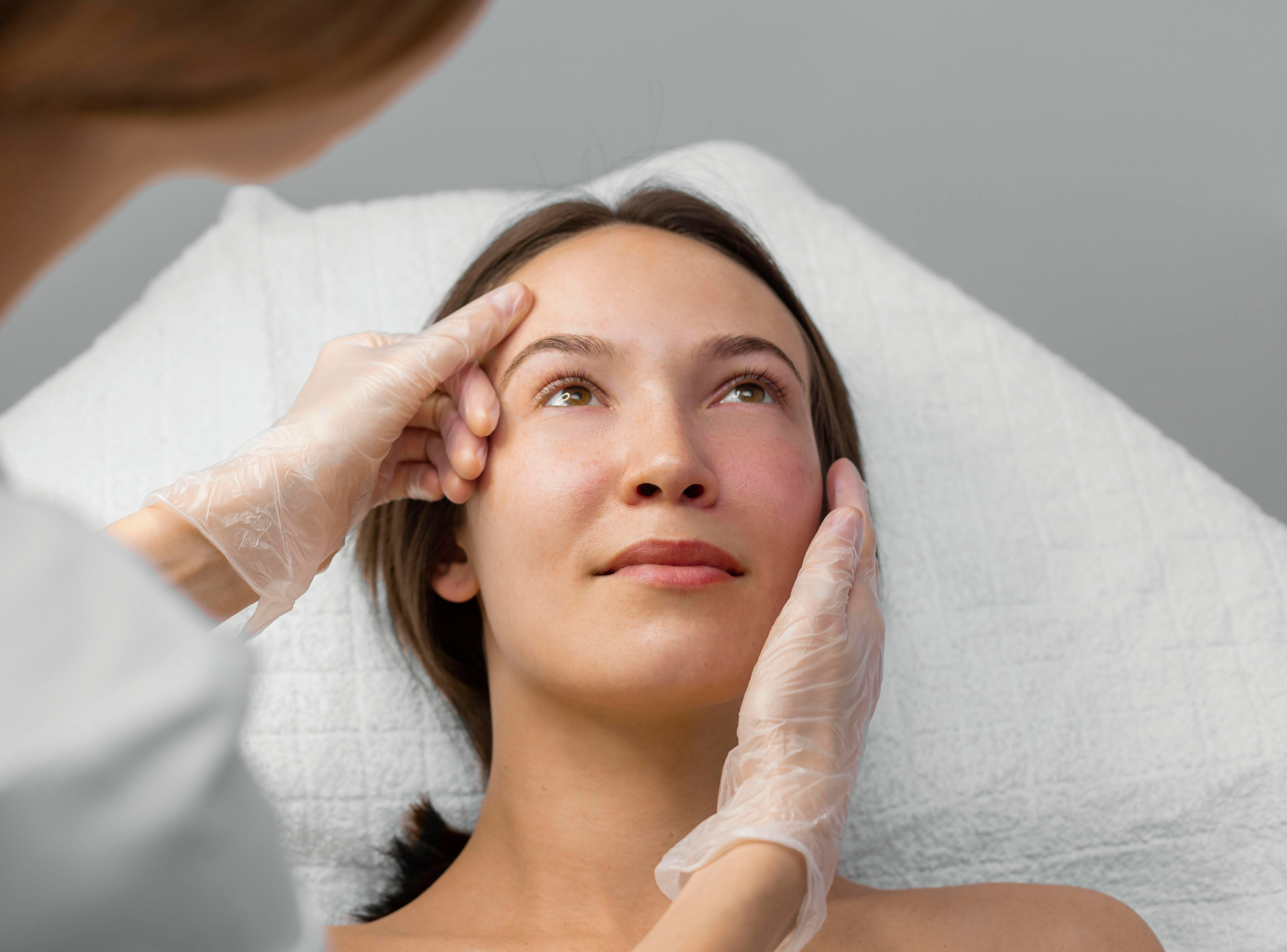
When my Dubai practice’s facelift patients inquire about the recovery process, many are worried about how uncomfortable it will be. They are pleasantly surprised when I tell them that most people find it to be relatively painless. The timing of their procedures is, in my opinion, more crucial, particularly if they intend to attend a social gathering.
The quality of a person’s skin prior to surgery is the most significant factor affecting the recovery period after a facelift, which varies from patient to patient. The scope of the process is also crucial. Not every facelift is made equally. I adapt the procedure to the patient’s needs using a variety of strategies.
Among these methods are:
Mini facelift: Younger patients who are worried about cheek skin laxity might benefit from a mini facelift. Jowls and sagging neck skin are not really addressed by this method.
Similar incisions: As a mini facelift is made for a short scar facelift, but this procedure also involves lifting the fat and muscles that support the skin and securing them in a more youthful position. A short scar facelift not only smoothes the cheeks but also enhances the neck and jowls.
Full incision technique: This technique, which tightens and elevates the neck and jowl muscles, is beneficial for both men and women getting their first facelift in their fifties. In order to achieve results that look natural, I also remove extra neck fat and finish the procedure by re-draping skin with the least amount of tension.
As one might anticipate, the degree of invasiveness of the surgery is linked to the type of recovery that occurs after one of these procedures. On the first day following the procedure, most patients feel a little dazed or unsteady, regardless of the technique used.
Facelift In Dubai
Facelift in Dubai is a popular cosmetic procedure that restores a youthful, rejuvenated appearance by correcting sagging skin, deep wrinkles, and loss of facial volume caused by aging. This procedure, also known as rhytidectomy, involves tightening the underlying facial muscles, removing excess skin, and repositioning tissues to create a smoother, more lifted contour. Dubai provides world-class facilities and highly experienced plastic surgeons who use cutting-edge techniques to achieve natural-looking results with minimal scarring. Patients frequently choose a facelift to improve overall facial harmony, define the jawline, and reduce the appearance of jowls or deep nasolabial folds. Depending on the individual’s needs, the procedure can be tailored to focus on specific areas such as the mid-face, lower face, or neck. Swelling and bruising are common during the recovery period, with most patients returning to normal activities within two to three weeks. With Dubai’s cutting-edge medical technology, strict safety standards, and expert surgeons, a facelift not only improves appearance but also boosts self-confidence and emotional well-being.
Stages Of Recovery
It’s useful to consider both the social and physical aspects of facelift recovery. Put another way, even though the majority of patients are physically able to resume work a week following the procedure, you might want to take a little more time off if you’re worried that coworkers might inquire about swelling or bruises.
The healing process usually peaks in the first week, and by day four post-op, the majority of patients no longer require pain medication, if they ever did. You will probably continue to experience tingling, numbness, or tightness along with swelling and bruises during the second week of recuperation. Even though there may be some residual swelling, most patients feel normal during weeks three and four. After a complete facelift, it may actually take months for the swelling to go away completely. For this reason, I previously stated that patients should schedule their facelift at least six months in advance if they intend to attend a wedding, class reunion, or other important social event.
The outcomes of a facelift carried out by a skilled, board-certified plastic surgeon are superior to those of nonsurgical facial rejuvenation procedures, despite the fact that these procedures are common and involve little to no recovery time. My gallery of before-and-after pictures shows the advantages of facial plastic surgery.
If you’re thinking about getting a facelift, give us a call to make an appointment or use the online form to request a consultation.
Your Facelift Recovery Explained From Day 1 To Day 30
A facelift, also known as a rhytidectomy, can help combat the signs of aging in the face and neck. People with unwanted wrinkles, jowls, and sagging skin frequently choose this procedure to achieve a more youthful, natural appearance.
If you are thinking about having a facelift, you should understand not only the surgical procedure but also the post-operative protocol. Although it may take a few months to see the final results of a facelift, the recovery time is much shorter.
It is difficult to provide an absolute number for recovery times because they vary depending on age, health status, and type of procedure performed. However, understanding what to expect and adhering to your surgeon’s postoperative care instructions will make a significant difference in the outcome of your facelift.
Here’s a one month facelift recovery guide so you know what to expect during a typical recovery period.
BOOK AN APPOINTMENT TODAY
Facelift Recovery Week 1
To avoid infection, you must follow postoperative incision care instructions and keep them clean.
Day One. After surgery you may feel unsteady and sleepy. You should have arranged for family and friends to drive you home and care for you on your first night home. The first day is usually when you need the most pain medication to keep the discomfort at bay.
Day Two. Your surgeon will plan a follow-up visit around this time. They will remove or replace your surgical dressings and assess your incisions and swelling. If everything looks normal, the surgeon will redress the area, go over postoperative care again, and send you on your way.
Day Three. Rest is recommended for today, but you should feel better and want to move around. Bruising and swelling usually peak around days three to four, but they will likely last for several weeks. If you are experiencing discomfort, continue to take your medication.
Days Four to Six. By this point, most people no longer require prescription pain medication. The swelling should start to go down. You should also gain confidence in your ability to move around. If you feel well enough, you can usually do some light housework.
Facelift Recovery Week 2
Days Seven to Fourteen. During this week, you should expect some swelling and bruising around the affected areas. Swelling and bruising can also cause some people to feel numb, tingly, or tight. These are all common occurrences following a facelift and should not cause concern. By the end of the second week after surgery, many people are feeling more like themselves and ready to return to work and begin doing light activities like walking.
Facelift Recovery Weeks 3 And 4
Days Fifteen to Thirty. Suture removal can take place anywhere between the end of week one and week three, depending on your procedure and the healing process. At weeks three and four, you may still have some swelling and tightness, but you will generally look and feel much better. This is where patients often notice significant improvements in their facial contour. By this point, you can resume exercising and enjoying activities with few, if any, visible signs of your procedure. Incision sites will appear pinkish-red, but this should fade over time.
What To Expect After Day 30
After one month of recovery, you should be able to resume normal activities and enjoy your new look. It can take up to a year for very minor swelling, bruising, tightness, and numbness to subside, but these are usually only noticeable to you.
Please keep in mind that the timeframes listed above are only very general. Everyone will have a unique experience, and you should always follow the instructions given by your plastic surgeon. People who do their research, take the necessary precautions, and adhere to their surgeon’s post-operative care instructions typically have the simplest recoveries and the best outcomes. It is critical to communicate with your surgeon throughout the entire procedure. Ask questions and let them know if you notice any unusual symptoms.
MEET THE EXPERT DOCTOR
Best Plastic Surgeon In Dubai For Facelift
Best Plastic Surgeon In Dubai for facelift is available at the Perfect Doctors Clinic, which provides patients with world-class care, advanced techniques, and exceptional aesthetic results. Dr. Perfect Celebrity, a highly skilled and renowned cosmetic surgeon, is known for his expertise in facial rejuvenation and artistic approach to facelifts, which ensure natural-looking, youthful, and harmonious results for each patient. At Perfect Doctors Clinic, the facelift procedure begins with a thorough consultation, during which Dr. Perfect Celebrity assesses facial structure, skin quality, and specific areas of concern in order to create a personalized treatment plan. The procedure uses cutting-edge surgical techniques to tighten underlying facial muscles, remove excess skin, and reposition tissues, resulting in a refreshed, lifted appearance with minimal visible scarring. Patients benefit not only from better facial contours and fewer signs of aging, but also from increased confidence and overall health. Recovery is carefully guided by post-operative instructions and supportive care, and most patients can resume normal activities within a few weeks. Perfect Doctors Clinic stands out as the top destination for anyone looking for a safe, effective, and beautifully refined facelift transformation in Dubai, thanks to its advanced medical facilities, stringent safety standards, and the expertise of Dr. Perfect Celebrity.