





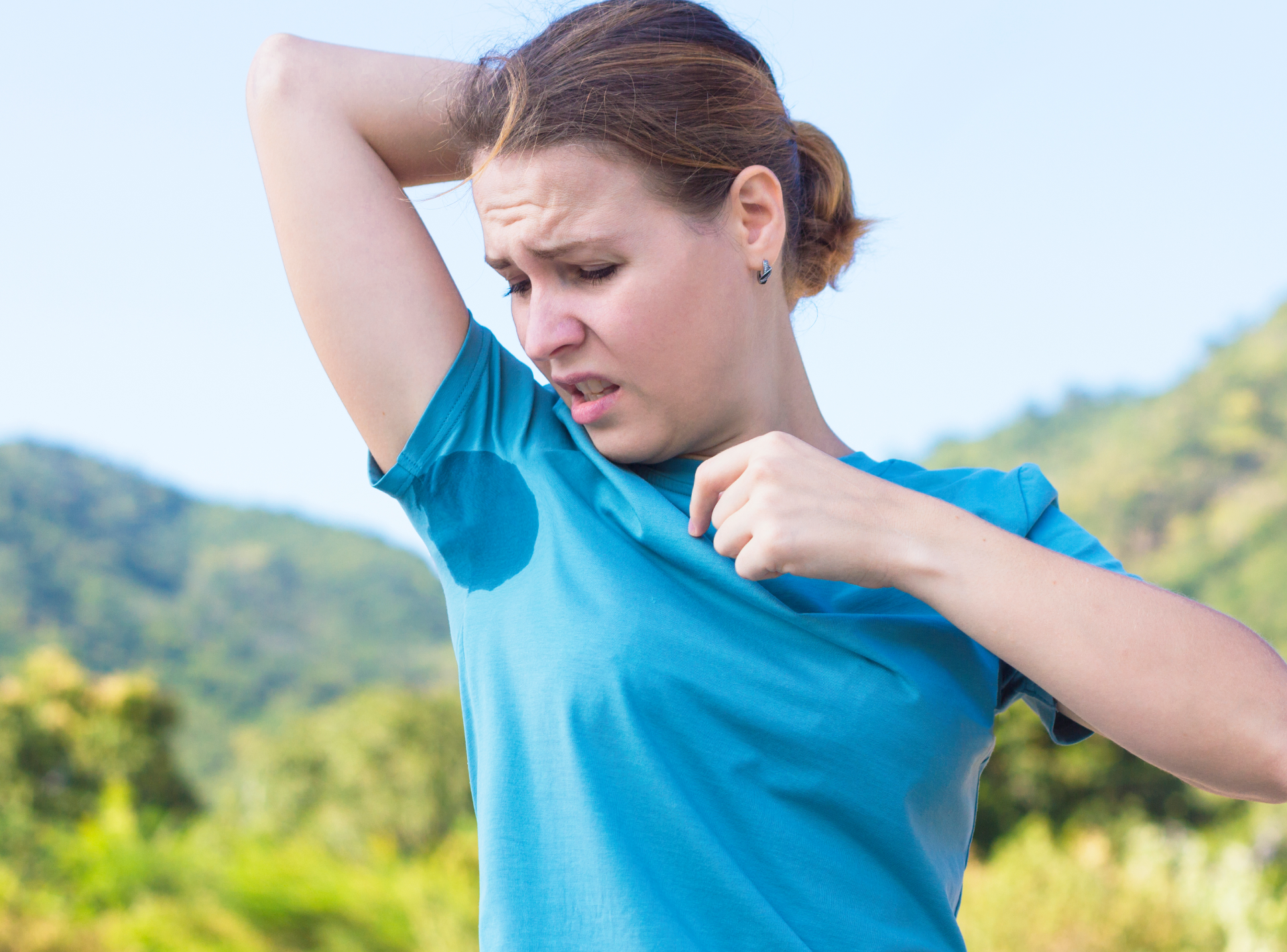
Everybody occasionally gets unpleasantly clammy. We may end up swimming in pools of our own uncomfortable perspiration after working out at the gym or spending long days in the sun.
However, for some, this feeling never goes away. You may have hyperhidrosis if you find yourself perspiring through your clothes even when you’re sleeping or sitting motionless in a cool room.
Hyperhidrosis Treatment In Dubai
Hyperhidrosis Treatment in Dubai is for those who suffer from excessive perspiration that impairs their everyday comfort, self-esteem, and quality of life. Sweat glands become overactive in hyperhidrosis, which results in more sweating than the body needs to regulate its temperature. The face, forehead, feet, palms, and underarms frequently experience impact. Many people with hyperhidrosis report feeling uncomfortable in social settings, having trouble choosing clothes, feeling less confident, and having trouble at work or with everyday tasks. The goal of contemporary hyperhidrosis treatments is to safely lessen excessive perspiration while enhancing general comfort and quality of life. Concerns about treatment safety, efficacy, recovery, and potential long-term effects are common among new patients. Whether treating hyperhidrosis totally stops sweating is one of the most prevalent questions. The majority of treatments aim to lessen excessive perspiration considerably while preserving the body’s ability to regulate its temperature normally. Treatment discomfort is another frequently asked question. To maximize patient comfort and minimize downtime, modern hyperhidrosis procedures are typically minimally invasive. After treatment, there may be brief redness, swelling, tenderness, or mild sensitivity, but these symptoms usually go away fast with the right aftercare and expert supervision. Additionally, patients frequently inquire about whether maintenance treatments are necessary and how quickly results become apparent. Many people gradually start to experience less perspiration within days or weeks of treatment, depending on the treatment method chosen. Periodic maintenance sessions may be necessary for certain procedures to manage symptoms over time. Before beginning treatment, a professional consultation is necessary to assess the degree of perspiration, medical history, skin condition, and treatment objectives.
Do not hesitate to seek assistance if you experience persistent excessive perspiration. To get you started, read on for answers to some of the most frequently asked questions about hyperhidrosis treatment.
What Is Hyperhidrosis?
An excessive sweating condition is called hyperhidrosis. Regardless of their surroundings or degree of activity, people with this condition perspire heavily and nearly continuously. Small things like shaking hands and wearing clothing that might reveal sweat stains can cause severe embarrassment and anxiety.
One of the two forms of hyperhidrosis is thought to affect at least 0.9% of the population. However, due to underreporting and misdiagnosis, these estimates might be low.
What Are The Types Of Hyperhidrosis?
Early in life is when primary hyperhidrosis first appears. It can occur in otherwise healthy children and teenagers and is unrelated to any other illness. Stress, heat, and activity can exacerbate the symptoms, but they still exist whether or not these factors are present.
This kind of sweating is frequently more severe in certain places, such as the hands, feet, or armpits.
Primary hyperhidrosis frequently starts concurrently with or soon after puberty. Apocrine gland development at that age, particularly in the axillary (armpit) region, is the cause of this condition. Although women are more likely to seek treatment for the condition, it appears to affect both men and women equally.
You may have secondary hyperhidrosis if you develop hyperhidrosis later in life, particularly if it affects every part of your body equally. This type is excessive perspiration brought on by a different medical condition. The following conditions can result in secondary hyperhidrosis:
- Mellitus diabetes
- Trauma to the head
- Tumors
- Hormonal imbalances
- Menopause
- Being overweight
- Excessive thyroid function
This list is by no means a comprehensive list of causes, nor does it guarantee that you will experience hyperhidrosis as a result of these conditions. Nevertheless, see your doctor to rule out any more serious problems if you begin to exhibit symptoms of hyperhidrosis as you get older.
How Do I Know If I Have Hyperhidrosis?
Since hyperhidrosis is a medical condition, only a physician can make the diagnosis. To rule out related conditions, your doctor may perform a series of blood tests. Nevertheless, the diagnosis itself is clinical, which means it is predicated on the symptoms you have reported.
To find out how much sweating affects your life, your doctor might ask you to complete a questionnaire. They will then determine whether it is serious enough to require medical attention.
Is Hyperhidrosis Genetic?
There is currently no known gene for hyperhidrosis. However, you are more likely to get the condition if you have a family member who has it. The social stigma associated with perspiration may contribute to the lack of a known genetic connection by discouraging people from getting treatment.
Does Hyperhidrosis Go Away On Its Own?
It appears that some people get over their excessive perspiration. Others, however, discover that it gets worse as they get older. It’s time to begin treatment if your symptoms continue to interfere with your life as you grow older.
BOOK AN APPOINTMENT TODAY
How Does Hyperhydrosis Treatment Work?
Although there are many different ways to treat hyperhidrosis, not all of them yield the same outcomes.
Some people can manage their mild symptoms by staying cool and dressing in wicking or absorbent materials. Axillary sweating may also be lessened with a clinical strength antiperspirant. Some people find relief by abstaining from alcohol, caffeinated beverages, and spicy foods.
Your doctor may recommend an oral or topical medication if you require additional care. Additional therapies include electrical stimulation, microwaves, and lasers. These techniques might be effective for some people, but they don’t always produce the same outcomes.
Botox injections are the most successful non-invasive treatment for primary hyperhidrosis. Before administering tiny doses of Botox to your hands, underarms, or other trouble spots, a qualified professional will numb the skin.
Your glands’ chemicals interact with those in Botox, preventing them from producing as much sweat. In as little as one to two weeks after the treatment, you’ll notice noticeable improvements.
Botox’s drawback is that it’s not a long-term fix. To keep the effects going, you’ll need injections every six to eight months. Fortunately, there is no recovery period, the treatment is quick, and there is little risk.
Can You Stop Underarm Sweating Permanently?
Surgery might be the only option for severe cases of hyperhidrosis that don’t improve with other treatments. To prevent sweat gland overstimulation, a procedure known as a sympathectomy entails severing the sympathetic nerve.
It carries greater risks than noninvasive therapies, just like any surgery. You are also stuck with the outcomes because they are irreversible. Therefore, a patient should only have this procedure done if they have exhausted all other options.
What Is the Average Hyperhidrosis Treatment Cost?
Depending on the treatments you select and the doctors you consult, the cost of care will differ significantly. Since the NHS does not regard hyperhidrosis as a high-priority treatment, you might be liable for the entire cost. If you’re worried about your ability to pay for treatment, discuss your doctor’s repayment options with them beforehand.
If You Still Have Hyperhidrosis Treatment Questions, Talk to Your Doctor Today
You shouldn’t feel embarrassed to seek treatment, even though hyperhidrosis can be awkward. You can begin your journey to a life free of excessive perspiration by discussing your questions about hyperhidrosis treatment with your general practitioner or a specialist.
Perfect Doctors Clinic can assist you if you want to try Botox for hyperhidrosis. Without any recuperation or downtime, our skilled clinicians can assist you in reducing your perspiration. To begin, make an appointment at our Dubai location.
MEET THE EXPERT DOCTOR
Arrange Your Treatment Today
Come in and share your story with us; together, we can make it one of joy, self-assurance, and empowerment. We value getting to know you better. Why would you want it any other way?
Best Aesthetic Clinic In Dubai For Hyperhidrosis Treatment
Best Aesthetic Clinic in Dubai for hyperhidrosis treatment is one of the most crucial elements in obtaining safe treatment and successful long-term sweat reduction outcomes. Patients at Perfect Doctors Clinic receive thorough assessments and customized treatment regimens based on their lifestyle requirements, skin condition, affected body areas, and sweating patterns. Before suggesting the safest and most efficient course of treatment based on each patient’s unique condition and objectives, skilled professionals carefully evaluate the severity of excessive perspiration. Modern technologies and sophisticated treatment methods are employed at Perfect Doctors Clinic to enhance treatment accuracy, optimize patient comfort, and reduce side effects like irritation, inconsistent outcomes, or prolonged sensitivity. Throughout the entire course of treatment and recovery, we closely monitor patient safety. To promote quicker healing and long-lasting symptom control, patients are also given thorough aftercare instructions on hygiene, recommended activities, skincare, hydration, and recovery management. Perfect Doctors Clinic offers a secure and encouraging setting for hyperhidrosis treatments thanks to its skilled specialists, cutting-edge technology, and patient-centered philosophy. Through expertly managed treatment plans and closely monitored aesthetic care, the clinic helps people achieve less perspiration, better everyday comfort, and increased confidence while placing a high priority on patient comfort, natural-looking results, and long-term satisfaction.