





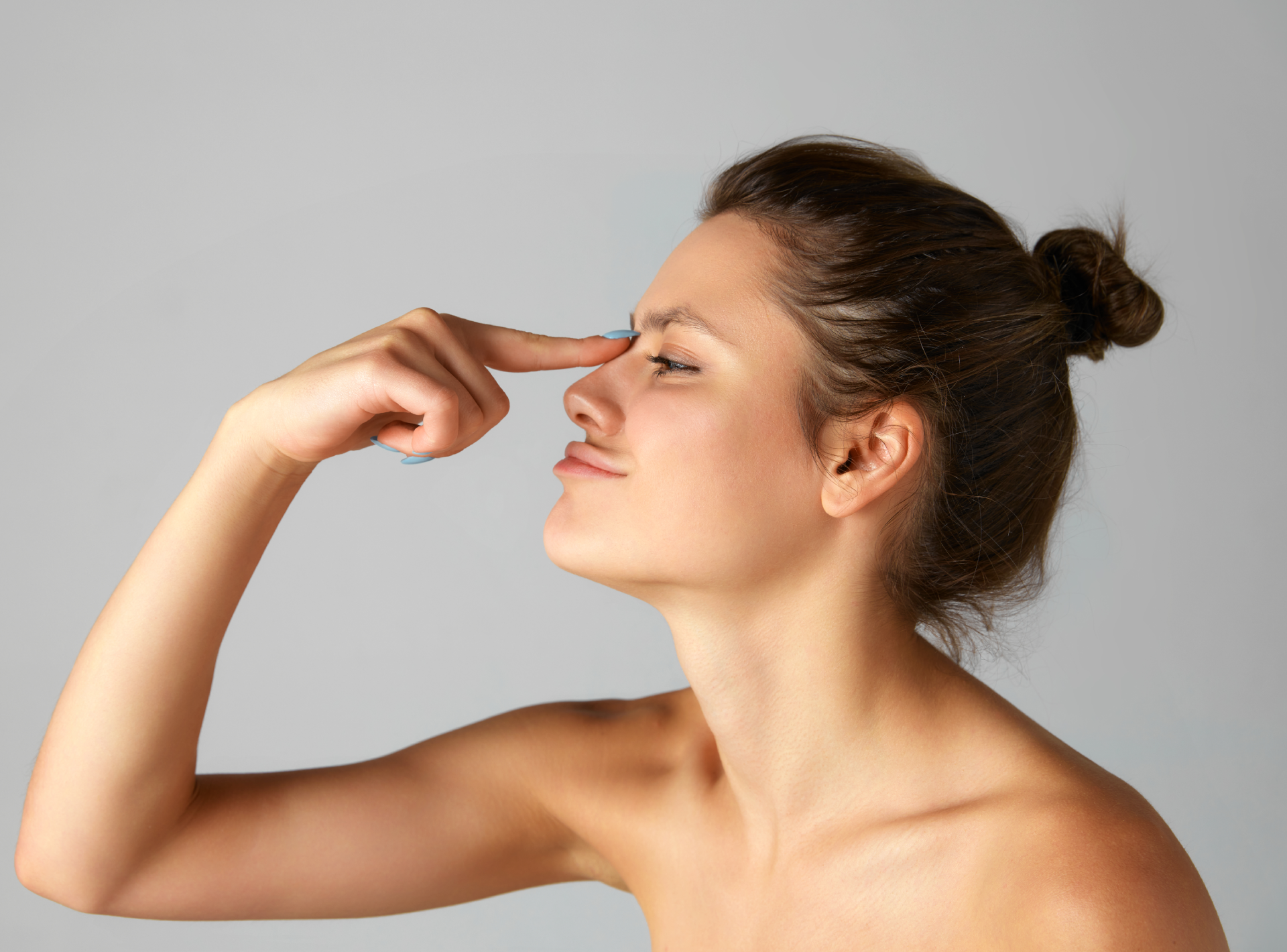
People get rhinoplasty, commonly called a “nose job,” for cosmetic reasons, but it can also help with breathing problems caused by structural problems such as a deviated septum, turbinates hypertrophy, and sinus problems. These are some of the most prevalent causes of breathing problems. Rhinoplasty can help your face look more balanced by fixing problems, including the size, width, profile, or asymmetry of your nose.
It takes around two weeks to recover from the surgery, but bruising after the surgery is what usually keeps a rhinoplasty patient from getting better. If you take care of yourself before and after surgery, swelling and bruising will go away faster, and you should be able to go back to your normal life in around 6-9 days. The most essential things that affect the results of surgery and how much bruising and swelling there is are the surgical approach and procedures. You can do things that will help lessen the bruising you see following your surgery.
Rhinoplasty In Dubai
Rhinoplasty in Dubai is a surgical procedure designed to reshape and refine the nose for both aesthetic and functional purposes. It can correct structural issues, such as a deviated septum, improve breathing, and enhance facial symmetry by altering the size, shape, or angle of the nose. Rhinoplasty can address concerns like a nasal hump, wide nostrils, drooping or bulbous tips, and asymmetry, providing a more balanced and harmonious facial appearance.
Blood Thinners
It’s crucial to tell me about any blood-thinning drugs you’re taking before your rhinoplasty since they could make normal healing more difficult. You might be able to change your medicine regimen for a short time before and after surgery to help you recuperate faster. Please let me know about all the medications and supplements you take every day.
Congenital Bleeding Issues
If you or someone in your family has a history of bleeding or bruising too much, you should also bring this up during your nose job consultations. I may be able to change how I do your treatment to make things go more smoothly and lessen the bruises you have after surgery.
Stay Hydrated
Before and after your surgery, drink a lot of water. Your body tends to keep the water it has when it runs low on it. Your circulatory system isn’t performing at its best, and waste products aren’t leaving your body as rapidly as they should be. This fluid retention could make bruising worse.
Keep Your Head Up
After your operation, take it easy. But when you lie down on the couch or in bed, make sure your head is higher than your body. Gravity might make it harder for fluid that has built up to leave your nose, so hold yourself up to help it drain properly.
Schedule it Early
You can have rhinoplasty done at any time once your nose is fully grown, which is normally around the age of 14. Youth is on your side when it comes to recovering quickly from surgery because blood vessels get weaker as you get older. As you get older, bruises get worse.
Keep it Cool
After rhinoplasty, cold compresses are part of the therapeutic plan. This cold keeps swelling down and makes blood vessels smaller, which helps to reduce bruising. Don’t take hot showers or baths following your procedure. This extra work on your body stretches blood vessels and could make bruises worse.
Choose your Surgeon Wisely
The greatest strategy to cut down on downtime may vary depending on the surgeon and how they execute the rhinoplasty. I am both a Facial Plastic and Head & Neck surgeon, so I know how to get the greatest cosmetic and functional results with the least amount of downtime.
I also try to employ minimally invasive surgical methods wherever I can to make the cuts smaller and fewer, which is important for a quick recovery and less bruising. You can call or click to set up a meeting today.
How Long Does Swelling and Bruising Take To Subside?
The duration of the recovery period following a rhinoplasty procedure may vary from patient to patient, as well as the duration of edema and bruising.
The recovery process will be contingent upon the complexity of the rhinoplasty and the natural response of each patient’s body. Swelling and bruising typically manifest within the initial days following surgery; however, discoloration may become more apparent after approximately three days before it begins to diminish.
In general, swelling will begin to decrease within the first week, particularly if recuperation advice is adhered to, and will reach a noticeable level by the conclusion of the second week. Edema will gradually diminish in the months following surgery; however, it may require as many as six months (or more) for all edema to vanish entirely.
Bruising typically begins to diminish within the first week, but it becomes substantially less pronounced after approximately two weeks. Following recuperation advice to alleviate swelling can also facilitate the reduction of bruising more effectively.
BOOK AN APPOINTMENT TODAY
Our Recovery Tips To Help Reduce Swelling And Bruising After Rhinoplasty
By adhering to your recovery instructions, you can expedite the resolution of edema and bruising, as well as other postoperative symptoms.
The following are our general recommendations for minimizing edema and bruising following rhinoplasty.
- Get plenty of rest. You will need to take a brief vacation from work and refrain from engaging in strenuous exercise following your surgery. The healing process may be impeded by excessive activity, as your body will require energy to repair the operated area. If the healing process is impeded, the body may experience distress, swelling, and potentially complications as a result of not allowing it to rest adequately.
- Maintain an elevated position for your cranium. Elevating your head while you are sleeping or resting can substantially alleviate swelling in the nasal region. If you experience discomfort while using an additional pillow, we suggest dozing in a recliner. Failure to maintain an elevated head position and frequent bending over can result in an increase in blood flow to the nostrils, which can exacerbate (or prolong) swelling. By slightly elevating your head, you can prevent an increase in blood flow to the affected area.
- Do not apply a cold compress directly to the nostrils; rather, apply it to the cheeks. After surgery, cold compresses can be used to constrict blood vessels, which can help reduce edema and bruising, particularly in the first two days.
- Preserve your nose from any injuries or damage. It is crucial to refrain from engaging in any activities that could potentially cause harm to your nostrils while they are healing. This encompasses all contact sports and scenarios in which there is a potential for a nose-bump. The body’s healing response will be further triggered if additional injury is inflicted on the tissues in the affected area, which will only serve to prolong (or exacerbate) swelling and bruising.
- Maintain hydration and adhere to a nutritious diet. It is crucial to maintain a nutritious and well-balanced diet at all times, but it is especially beneficial following surgery. Drinking an abundance of water facilitates the elimination of toxins and the reduction of edema, while adhering to a diet that is abundant in vitamins and minerals can facilitate the process of healing. Before undergoing surgery, it may be beneficial to consult with your physician or a registered dietitian for personalized nutritional guidance.
- Refrain from consuming alcohol and smoking. It is advisable to refrain from smoking and consuming alcohol to facilitate the overall healing process following a rhinoplasty, which can significantly reduce edema and bruising. You may be advised to refrain from smoking for a minimum of two weeks following your surgery.
- Steer clear of specific medications. The risk of hemorrhage and the appearance of bruising can be elevated by certain medications, particularly blood-thinning medications (and supplements). You must disclose the specifics of any medications or supplements you are currently taking prior to undergoing a rhinoplasty. If it is necessary to discontinue the use of specific medications or supplements, you will be given personalized guidance on the appropriate time and duration to do so.
It is imperative to adhere to these guidelines in order to facilitate your body’s recovery following surgery. However, personalized, customized advice will offer you more comprehensive guidance on how to best support your body.
MEET THE EXPERT DOCTOR
Best Plastic Surgeon In Dubai For Rhinoplasty
Best Plastic Surgeon in Dubai for Rhinoplasty offers comprehensive and advanced nose reshaping procedures designed to enhance facial harmony and improve nasal function. Dr. Perfect Celebrity is known for providing customized rhinoplasty treatments that focus on both aesthetic refinement and functional improvement. During the consultation, the surgeon carefully evaluates the patient’s facial features, nasal structure, and personal goals to create a tailored surgical plan. Rhinoplasty can help reshape the nose by reducing a hump, refining the nasal tip, narrowing wide nostrils, or correcting asymmetry to achieve a more balanced appearance. Using modern surgical techniques and precise methods, the procedure is performed with great attention to detail to ensure natural-looking and long-lasting results. Patients also benefit from advanced surgical facilities, expert care, and detailed guidance throughout the entire process. From consultation to recovery, the focus remains on safety, comfort, and achieving the desired outcome. With professional expertise and artistic precision, patients can enhance their facial profile and boost their confidence with beautifully balanced results.