





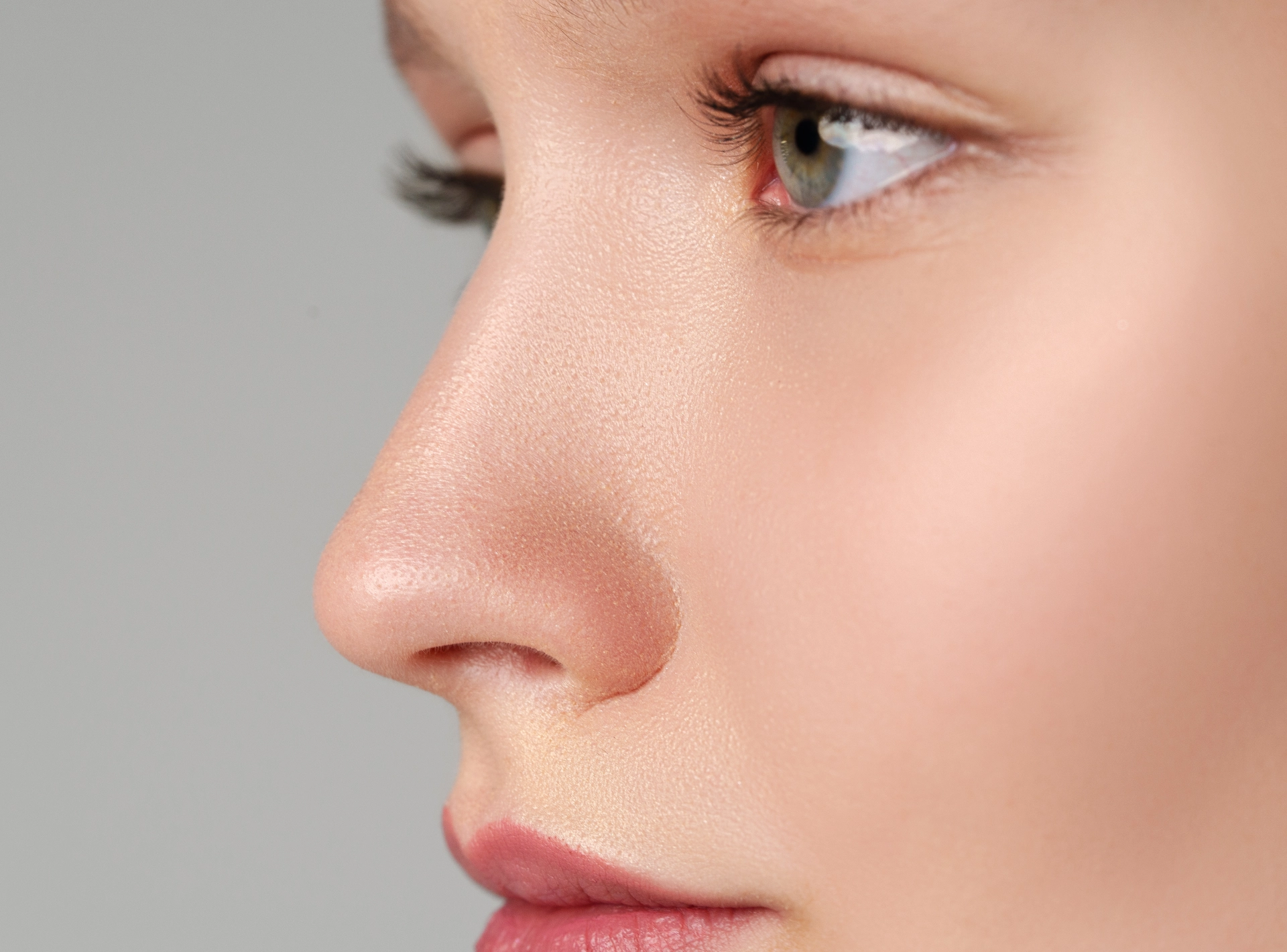
Rhinoplasty results are typically long-lasting once the nose has fully healed, though natural aging can gradually alter its appearance. If concerns persist after healing, revision rhinoplasty may be used to refine the shape, address structural issues, or improve breathing as needed.
Revision Rhinoplasty In Dubai
Revision Rhinoplasty in Dubai can make long-term improvements to the nose following a previous rhinoplasty. Once healing is complete, the results are usually considered permanent, though natural aging and tissue changes can alter appearance over time. Revision surgery may address persistent concerns, structural issues, breathing problems, or unsatisfactory outcomes from previous surgery.
Rhinoplasty In Dubai
Rhinoplasty in Dubai is a surgical procedure that reshapes the nose to improve facial balance, correct structural issues, or facilitate breathing. A personalized consultation helps determine the best approach based on your objectives and nasal anatomy. Results appear gradually as swelling subsides and healing progresses.
Key Takeaways
- Revision rhinoplasty is often needed because of cosmetic dissatisfaction, breathing problems, or complications from scar tissue.
- Swelling is a longer, less predictable process after revision rhinoplasty than after primary surgery.
- The swelling can take 13 months or longer to go away completely, with a number of healing stages in between.
- Swelling after revision rhinoplasty is generally more intense and prolonged than primary rhinoplasty because of scar tissue formation and changes in blood flow.
- It is important to manage patient expectations and provide detailed post-operative instructions.
BOOK AN APPOINTMENT TODAY
Why Do Some Patients Need Revision Rhinoplasty?
You’d think one nose job would be enough, but for many patients it’s not. Revision rhinoplasty is a corrective surgical procedure performed to improve the results of a prior nose surgery. Not common but often more complicated than the original surgery.
Cosmetic Dissatisfaction
The most common reason for revision surgery is patient dissatisfaction with the cosmetic result. Patients can feel their nose:
- Doesn’t fit with their facial balance
- Seems over or under-corrected.
- Has an unnatural or asymmetrical outline
As Dr. Perfect Celebrity, a double board-certified facial plastic surgeon in Dubai, explains:
“Healing is unpredictable, even in skilled hands. Swelling, scarring or the way in which each person’s tissues respond over time can compromise a beautiful surgical result.”
Patients often return with minor but important concerns that affect their self-esteem or confidence. These are not vanity issues, these are real psychological and quality of life issues.
Breathing Problems
Functional problems also are a reason for revision operations. Sometimes after the first operation:
- The nasal passage is constricted
- Septal deviations were not completely corrected.
- Obstruction is caused by collapsed or weakened cartilage.
Breathing problems may not appear immediately. Scar contraction or cartilage collapse may come on insidiously and surprise the patient months later.
Internal Scar Tissue (Synechiae, Fibrosis)
Scar tissue in the nasal cavity can block the airflow or alter the shape of the nose. This is more common in more complex or aggressive procedures, especially when there has been excessive cartilage removal.
Types of scarring complications:
- Synechiae adhesions of the nasal septum to the turbinates.
- Polly beak deformity: Scar tissue over the supratip area is too much.
- Alar retraction or notching due to scarring or tension.
Surgical Complications Or Poor Technique
Technical errors during the first surgery may necessitate revision surgery, although this is rare. This includes:
- Too much cartilage removed
- Unequal Osteotomies
- Graft migration
Patients who need revision surgery often say they never felt “done healing” — a sign the first surgery didn’t fully fix the problem.
What Is The Revision Rhinoplasty Swelling Timeline?
One of the most difficult parts of recovery is swelling. And it doesn’t behave the same way after revision rhinoplasty.
Phase 1: Immediate Post-Op (0–8 Days)
- The main swelling peaks at the first three days after the operation.
- The nose looks really puffy and misshapen.
- You may notice some external bruising, especially around the eyes.
- The swelling inside is limiting breathing.
Phase 2: Early Healing (1–5 Weeks)
- External swelling decreases, particularly on the upper bridge.
- The tip stays bulky and swollen due to scar tissue and lymphatic backup.
- Patients may be anxious that the “new” nose still looks incorrect.
Phase 3: Intermediate Healing (1–4 Months)
- The visible swelling on the upper half is mostly gone.
- Swelling of the tip is persistent and patchy.
- Internal healing causes temporary congestion.
Phase 4: Long-Term Healing (4–14+ Months)
- Refinement begins, the tip definition is gradually improved
- Scar tissue melts and moves.
- Residual asymmetries may be present, which can resolve in an unpredictable fashion.
The swelling after secondary rhinoplasty can last 14-20 months, especially in the area of the nasal tip. This is due to the decreased elasticity of the skin and vascular changes published in a study in Facial Plastic Surgery Clinics of Dubai.
What’s Normal Vs. Concerning?
Normal signs:
- Continued swelling of the tip for up to one year
- Time-dependent asymmetrical swelling
- Transient numbness or feeling of tightness of the skin
Concerning signs:
- Swelling suddenly after months of healing
- An infection with a foul-smelling discharge
- Skin breakdown, ulceration, or severe redness
Surgeons stress honest communication and photographic monitoring as key in managing expectations and early detection of complications.
How Does Swelling After Revision Rhinoplasty Differ From The First Surgery?
If primary rhinoplasty is a marathon, revision rhinoplasty is more like a mountain climb – longer, more difficult and with more surprises.
Key Differences In Swelling
| Factor | Primary Rhinoplasty | Revision Rhinoplasty |
| Swelling Duration | 7–14 months | 14–20 months or longer |
| Peak Swelling | 3–5 days post-op | Up to 8 days post-op |
| Tip Refinement Timeline | 7–10 months | Often beyond 14 months |
| Scarring Impact | Minimal if well-managed | Increased due to prior surgery trauma |
| Skin Laxity | Normal response | Reduced elasticity complicates healing. |
| Patient Anxiety | Common | Often higher due to previous disappointment |
Why Is Revision Swelling More Severe?
- Scar tissue from previous surgery impairs lymphatic drainage.
- The blood supply is compromised, which slows the resolution of inflammation.
- Skin may not be as elastic, trapping more fluid.
- Tissue burden is increased by grafts or implants (if used).
Managing Revision Swelling
- Stubborn areas can be treated with steroid injections.
- Taping and splinting provide support to delicate structures.
- Cold compresses and anti-inflammatory diets can be helpful.
- Patient patience is vital — tip swelling, especially when it lingers.
What Are The Main Factors That Affect Revision Rhinoplasty Recovery Time?
Healing does not take place in a vacuum. There are a number of variables that will influence how fast (or slow) you will recover from revision rhinoplasty.
Patient Age
Age is important to the speed of recovery and tissue response. Generally:
- Younger patients usually heal faster with good skin elasticity and collagen turnover.
- In the elderly swelling may persist for a longer period, and tissue remodeling is slower.
“Older patients do have a more realistic expectation, so they have a better psychological experience when they recover,” he said.
Skin Thickness
Skin type dramatically impacts how swelling appears and subsides:
- Thicker skin will hold swelling longer and may cloud definition in the nasal tip.
- The thin skin shows the contour quickly but can also bring out irregularities.
Surgical Technique
The way a surgeon works can affect how much trauma there is and how long healing takes.
- More precision and more puffiness with open rhinoplasty.
- Closed techniques can lead to a quicker healing time but less visibility in complicated cases.
- Added complexity and swelling grafts or structural reinforcements.
History Of Previous Surgeries
Each surgery results in scar tissue, altered blood flow and skin tension, all of which influence the healing process.
Patients with:
- Multiple previous surgeries often lead to longer periods of swelling.
- Post-operative infections of previous procedures may develop fibrotic healing pattern.
Step-By-Step Recovery Guide
- First Week: Follow all aftercare instructions and do not blow your nose.
- Weeks 2-5: Gradually resume activities. Watch for signs of infection or unusual swelling.
- Months 3–4: Light massage (if cleared), evaluate areas for steroid injection.
- Months 5–7: Review healing and plan for minor touch-ups if needed.
- Months 7-14: Most visible improvement; full results may take longer than a year.
How Can Patients Reduce Swelling After Revision Rhinoplasty Safely?
Make no mistake, you can’t rush healing, but you can definitely help it along. Good and consistent afterwards can make a difference.
Cold Compress (First Three Days Only)
Cold compresses around the eyes and cheeks (not the nose) help reduce initial inflammation. Use for 20-25 minutes per hour but discontinue after three days.
“Too much cold after three days can affect blood flow and increase swelling.”
— Dr. Perfect Celebrity
Head Elevation
Sleeping with your head elevated, preferably at a 45-60 degree angle, aids lymphatic drainage. Use extra pillows or a wedge-shaped pillow.
- Do not lie flat for 3-4 weeks or more.
- Don’t roll over onto your side, as this can dislodge grafts.
Medication And Supplements
Your surgeon might suggest:
- Anti-inflammatory medication (avoid NSAIDs unless cleared)
- Arnica montana or bromelain (natural products that may reduce bruising)
- Antihistamines if allergies get worse, swelling
Anti-Inflammatory Diet
You have no idea how important nutrition is. Add:
- Greens, berries, turmeric, omega-3 fats
- Avoid alcohol and foods high in sodium.
- Drink plenty of water
Gentle Movement
Light walks are good for circulation and help prevent fluid build-up. Avoid:
- Strength workouts
- Saunas or hot yoga
- Lifting heavy weights or bending over
When Can You Expect To See Final Results After Revision Rhinoplasty?
It’s a marathon, not a sprint, and it takes time for the final contours of the nose to emerge.
General Timeline Of Visible Healing
| Timeframe | What You’ll Notice |
| Week 1 | Big swelling and bruising. |
| Week 2–5 | Bruising Gone; view bridge outline |
| Month 3–5 | Tip swelling starts to come down |
| Month 5–7 | Mid-vault and bridge refinement visible |
| Month 7–10 | Tip refinement is more explicit |
| Month 10–13+ | Final contours visible. Scar tissue softens |
Key Milestones
- 4 months: 75% of swelling is gone in most cases.
- 7 months: Subtle tip definition appears.
- 14-20 months: Final results. Touch-ups are rarely needed at this stage.
What Lifestyle Habits Can Help Maintain Long-Term Rhinoplasty Results?
What you do every day after your healing is complete can help or hurt the results of your surgery. Long-term success is not just a result of the skill of the surgeon but of how you care for your new nose.
Daily Sun Protection
UV exposure can result in loss of skin elasticity, increased pigmentation of the scars, and even mild distortion of nasal contours due to inflammation. Recommended by experts:
- Daily use of broad-spectrum sunscreens with SPF 40+ in winter as well
- Avoid tanning beds and strong midday sun
- Wear hats or visors when engaging in prolonged outdoor activity
Avoiding Nasal Trauma
A small impact can cause displacement or permanent damage. To prevent injury:
- No contact sports for a minimum of 7-14 months
- Watch your dressing (tight shirts, spectacles) especially
- Sleep on your back – sleeping on your side may apply subtle pressure on the nose
Patients are often surprised by how easy it is for the new nose to be affected in the early healing months. Treat it like a delicate sculpture.
Healthy Habits And Self-Care
The lifestyle you live has a huge impact on your body’s ability to heal and how long your results will last.
- Don’t smoke—nicotine reduces blood flow and can worsen internal scarring.
- Drink lots of water to keep skin tone and elasticity.
- Anti-inflammatory diet—omega-3s, antioxidants, collagen-boosting foods
- Alcohol can cause swelling and slow healing so limit intake
MEET THE EXPERT DOCTOR
What Should Patients Ask During A Revision Rhinoplasty Consultation?
It makes a world of difference to come to a revision rhinoplasty consultation prepared. This is not about what can be changed, unlike primary surgery, but what should be changed and what can be realistically achieved.
Essential Questions To Ask
The American Society of Plastic Surgeons advises patients seeking revision rhinoplasty to ask the following questions:
Surgeon Qualifications And Experience
- Are you board certified in facial plastic surgery or in otolaryngology?
- How many revision rhinoplasties do you do in a year?
- Is it possible to see before and after photos of similar revision cases?
Technique And Surgical Approach
- Do you want to use an open or closed approach? Why so?
- Is there likely to be a need for grafts (e.g. rib, ear cartilage)?
- What about scar tissue and asymmetries from previous surgeries?
Healing And Outcome Expectations
- What is a realistic outcome given my current anatomy?
- How long does swelling last, mainly in the tip?
- What are signs of complications to watch for in healing?
Red Flags To Watch For
- Unwilling to explain surgical methods or vague answers
- No photographic proof of similar changes.
- Promises of “perfect” or “flawless” results
A good consultation if major changes are being proposed will include imaging or simulation in 3D. Surgeons should provide transparent discussion of risks, costs and timelines.
What Do Experts Recommend For Lasting Rhinoplasty Results?
Let’s put it all together. The success of revision rhinoplasty is dependent on the surgeon and on an educated and proactive patient.
Summary Of Key Factors
| Factor | Best Practice Recommendation |
| Surgeon Choice | Specialization: Facial plastic surgery Board certified |
| Consultation Prep | Ask pointed questions Review previous casework |
| Swelling Management | Follow post-op instructions, elevate head, no smoking |
| Long-Term Care | Avoid trauma, hydrate the skin, and protect from the sun |
| Expectations | 13+ months for results subtle asymmetries are normal |
For more detailed guidance and consultation, visit Perfect Doctors Clinic, where education and surgical excellence go hand in hand.
Best Plastic Surgeon In Dubai For Revision Rhinoplasty
Best Plastic Surgeon in Dubai for revision rhinoplasty is available at the Perfect Doctors Clinic, where Dr. Perfect Celebrity provides a personalized assessment for patients looking to improve their nose after previous surgery. Revision rhinoplasty can address cosmetic issues, structural irregularities, and breathing problems. Once healing is complete, the results are usually long-lasting.