





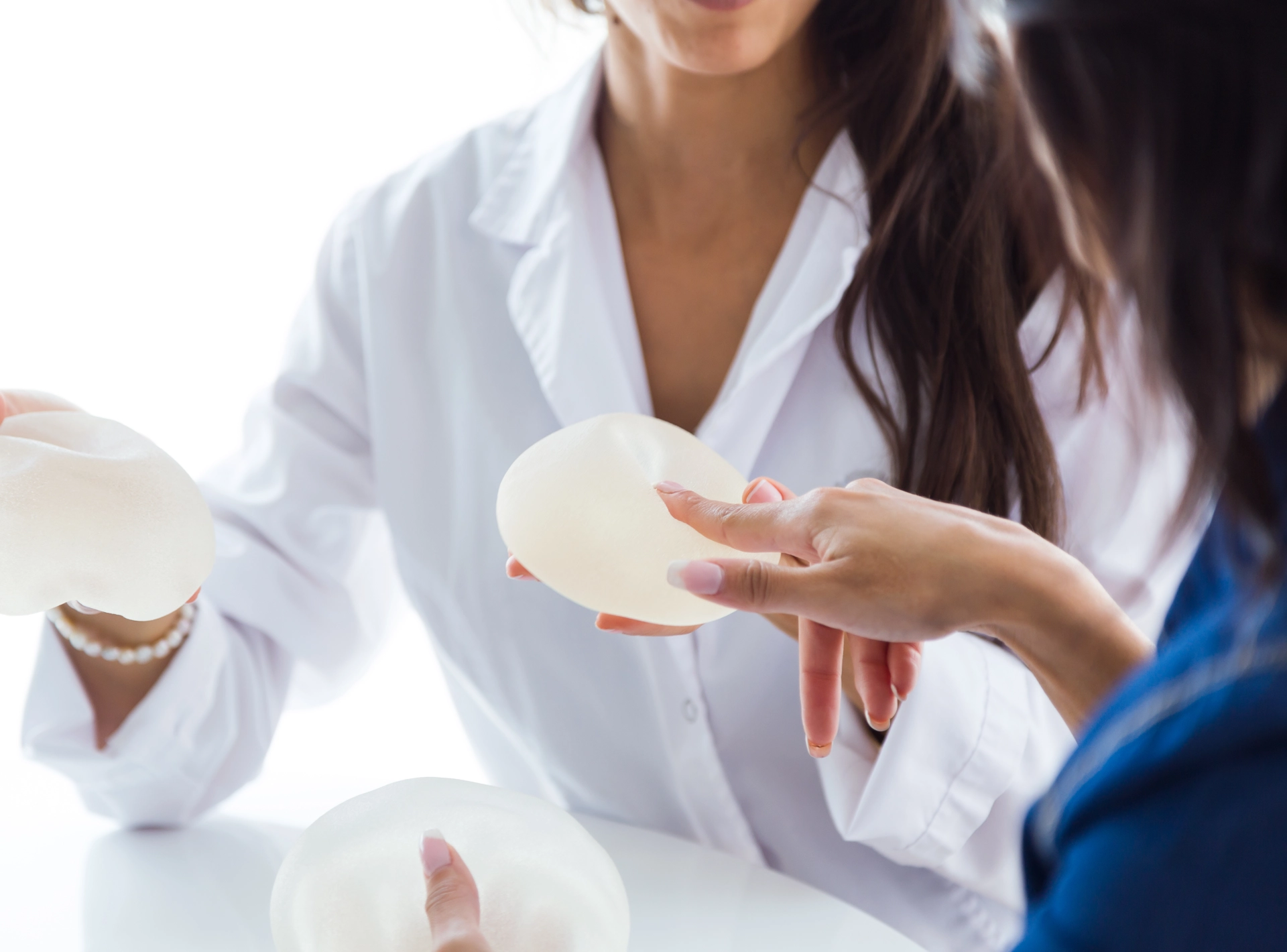
If you’re thinking about getting breast implants this spring or are worried about how long your present ones will last, the question of how long they will last is probably at the top of your thoughts. This guide incorporates peer-reviewed research from 2026, FDA updates, and clinical data to give you the most up-to-date, evidence-based response to the question of how long breast implants really last and what factors indicate when replacement is needed.
Breast Implants In Dubai
Breast implants in Dubai are designed to increase breast size and enhance shape using silicone or saline implants. It helps individuals achieve fuller, more proportionate breasts while addressing concerns like volume loss, asymmetry, or personal aesthetic goals. The procedure is highly customizable, allowing patients to select the implant size, shape, and placement that best fits their body type and desired outcome. Breast implant surgery is performed by experienced plastic surgeons who use advanced techniques to ensure safety, natural-looking results, and long-term satisfaction. Comprehensive consultations and post-operative care contribute to a smooth recovery and help patients gain confidence and improve body harmony.
How Long Do Modern Breast Implants Typically Last?
Most modern silicone breast implants last between 12 and 22 years. At the 12-year mark, most still have more than 91% of their original tensile strength and suppleness. Saline breast implants usually survive between 12 and 16 years. The FDA says that not all breast implants are lifetime devices, so you should expect to have to replace or remove them at some point, no matter what type they are.
The huge range shows that people are really different. The brand of the implant, the surgical technique, the person’s body type, and their lifestyle all affect how long a certain pair of implants will work properly. Patients should not conceive of the lifespan of an implant as a single expiration date. Instead, they should think of it as a period during which the risk of problems slowly rises.
A 2026 study in Exploration of Biomaterials and Microstructures proved that current silicone shells hold their shape much longer than older ones. The same study, on the other hand, found that the rate of ruptures goes up a lot after the first twelve years. This shows how important it is to keep an eye on implants even when they appear and feel fine.
Do Breast Implants Really Need to Be Replaced Every 10 Years?
No. A common belief is that you have to replace something every ten years. The 2026 Exploration of Biomaterials and Microstructures study showed that silicone implants keep more than 91% of their initial tensile strength and flexibility after 12 years. This means that the shell material itself is not likely to break at that point.
It’s better to think of the 12-year mark as a time to check in rather than a time to automatically replace anything. The FDA says that breast implants are not meant to last forever, but it does not require a set timeframe for replacements. If imaging and clinical exams indicate no symptoms of rupture, capsular contracture, or other problems, there is no medical reason to have surgery just because ten years have gone by.
Can Breast Implants Last 25 or 30 Years?
Some people have their breast implants for 27 to 32 years without any problems, but this is not the usual outcome. The 2026 Exploration of Biomaterials and Microstructures study indicated that 37% to 55% of the time, materials break down after 22 years. A 2026 study published in Frontiers in Global Women’s Health indicated that nearly 52% of implants fail after 16 years when accounting for all problems, not solely rupture.
Long-term success after two decades is feasible, but it depends a lot on regular checkups, good tissue response, and a little bit of luck. Patients with implants that are close to 22 years old should keep up with regular screenings and talk to their surgeon about making plans ahead of time.
What Are the Actual Rupture Rates by Brand and Year?
Breast implant rupture rates vary significantly by manufacturer and increase substantially over time. A peer-reviewed study from 2025 says that rupture rates range from 5.9% for Sientra implants to 23.9% for some Mentor products after 12 years. After 16 years, these rates are about twice as high, and after 21 years, they are between 37% and 53%.
The following table shows the brand-specific rupture data from the 2025 Exploration of Biomaterials and Microstructures study:
| Time Interval | Lowest Rupture Rate (Sientra) | Highest Rupture Rate (Certain Mentor Models) |
| 10 years | 5.9% | 23.8% |
| 15 years | 11.7% | 47.6% |
| 20 years | 37% – 52% (across brands) |
PIP implants, which are no longer available for purchase, had the highest rupture rates of any brand that was looked at. Most patient education tools don’t provide this brand-specific information, which is a big gap. Choosing an implant isn’t only about how it feels and looks; some manufacturers make implants that last longer than others.
How Do Rupture Rates Differ by Surgery Type?
Research published by the NIH in 2025 looked at the 10-year risk of rupture for different types of procedures where implants were placed:
| Surgery Type | 10-Year Rupture Rate |
| Primary augmentation | 7.9% |
| Revision augmentation | 5.3% |
| Primary reconstruction (post-mastectomy) | 9.9% |
The reduced rate for revision augmentation patients may be due to the use of newer implants and more careful surgical technique during follow-up surgeries. Patients undergoing reconstruction encounter marginally elevated risks attributable to factors such as previous radiation therapy, diminished tissue covering, and the physiological requirements of the post-mastectomy chest wall. For women who have had a mastectomy, knowing that this risk is slightly higher makes it even more important to have regular follow-up imaging.
Why Do Rupture Rate Estimates Vary So Widely?
Patients looking into the statistics of breast implant ruptures find a lot of numbers that don’t make sense. A study from 2025 that was published in Frontiers in Global Women’s Health indicated that reported rupture rates can range from 2% to 33% over the course of a single decade. The study’s authors said that rates “are still hard to figure out because screening practices are not always the same.”
There are a number of reasons for the big difference:
- Some of the implants used in studies are from 1992, while others are from more recent years.
- Different follow-up techniques exist; some depend on patient-reported symptoms, while others utilize routine MRI.
- Silent rupture of silicone implants remains undetected in the absence of imaging.
- Studies paid for by the manufacturer and studies done by independent researchers sometimes utilize different endpoints.
Dr. Perfect Celebrity, a board-certified plastic surgeon, says, “Right now, the rate of implant ruptures varies by manufacturer and even the style of implant, but it is generally less than 2% per year.” This suggests that less than 12% of women have had a breast implant leak in the last 12 years. This yearly framing helps put the risk in context for newer gadgets, which work far better than older ones.
BOOK AN APPOINTMENT TODAY
How Do Silicone and Saline Implants Compare in Longevity?
Saline breast implants usually last 12 to 16 years, while silicone breast implants usually last 12 to 22 years. The difference in structure between the two varieties is what makes them last longer. Silicone gel keeps the shell’s integrity longer because the fill material and shell stick together, while saline fill puts different kinds of mechanical stress on the outer envelope over time.
The most important difference in practice is how the rupture looks. When a saline implant breaks, it’s easy to see right away. The implant deflates as the body absorbs the sterile saltwater, which changes the size and form of the breasts in a matter of hours or days. Silicone rupture is often “silent,” which means that the cohesive gel stays inside or near the implant capsule and doesn’t generate any symptoms that the patient can feel or see. This is why the FDA suggests regular imaging for those with silicone implants.
What Does the FDA Recommend for Breast Implant Monitoring?
The FDA says that people who have silicone breast implants should get their first MRI or ultrasound 6 to 7 years following surgery, and then every 3 to 4 years after that. On February 2, 2026, the FDA updated its safety messages about breast implants. They made it clear that implants don’t last forever and that the danger of them breaking increases after about six years.
The FDA’s current labeling rules say that patient decision checklists and boxed warnings must be included. These steps make sure that patients understand that implants are not permanent before they agree to surgery. Dr. Perfect Celebrity, a board-certified plastic surgeon at Perfect Doctors Clinic, says that “modern breast implants have rupture rates of less than 2% at five years post-surgery.” This is reassuring in the early years and explains why the 6-to-7-year screening mark exists.
When Should You Get Your First Breast Implant Screening?
If you have silicone implants, you should have your first screening MRI or ultrasound 6 to 7 years after they were put in and then every 3 to 4 years after that. Patients with saline implants usually don’t need routine imaging because when they break, they immediately deflate in a way that is easy to see.
The table below shows the suggested timeline for screening:
| Implant Type | First Screening | Subsequent Screenings |
| Silicone | 6 – 7 years post-surgery | Every 3 – 4 years |
| Saline | Not always necessary | Clinical exam as needed |
Patients should not wait until they have symptoms to schedule imaging. Silent rupture can last for years without any clear indicators. If it is found early, planned, elective revision can be done instead of emergency surgery.
What Are the Most Common Reasons for Breast Implant Removal?
There are other reasons than rupture for breast implant removal, such as capsular contracture, implant malposition, size change preferences, worries about breast implant sickness, and dissatisfaction with the appearance of the implants. A postmarket analysis published by the NIH in 2026 found that 11.9% of primary augmentation patients had to have surgery again, and 7.9% had to have their implants removed after 12 years. More than half of the surgeries that needed to be done again happened within the first 6 years.
Patients who think implant difficulties only happen after a long time may be surprised by that last number. Capsular contracture, positioning problems, or cosmetic concerns are more likely to cause early reoperations than implant failure. Patients might have realistic expectations from the start if they know all the possible causes for revision.
How Many Women Are Having Breast Implants Removed Each Year?
The American Society of Plastic Surgeons said that in 2025, there were 41,275 cosmetic breast implant removals and 26,700 reconstructive breast implant removals in the United States. This is a 6% rise from 2024. In the same year, 306,200 breast augmentations were done.
The movement toward removal is growing and spreading around the world. ISAPS data shows that the number of breast implant removal surgeries around the world almost doubled between 2018 and 2024. An NIH study of U.S. academic medical facilities released in 2025 indicated that the number of removal procedures rose by 655% from 2009 to 2023. This was much faster than the growth rates of mastectomies (220%) or overall surgical volume (365%). More and more people are choosing to have their breast implants removed, and this is now universally acknowledged as a respectable option.
What Is Capsular Contracture and How Does It Affect Implant Lifespan?
When the scar tissue that forms naturally around a breast implant tightens and hardens, it can cause pain, breast deformity, and stiffness. This is called capsular contracture. A 2026 NIH postmarket safety assessment found that 4.3% of initial augmentation patients had grade III or IV capsular contracture after 12 years.
Even if the implant itself is still physically sound, a lot of capsular contracture often means that it needs to be replaced or removed sooner. The condition is rated from I (normal, soft) to IV (hard, painful, deformed). Grades III and IV usually need surgery to fix. Capsular contracture is the most prevalent problem that can happen with implants that don’t break.
What Signs Indicate Your Breast Implants May Need Replacement?
Changes in the form or size of the breasts, new asymmetry, stiffness or tightness around the implant, pain or discomfort, apparent rippling, and quiet rupture found on imaging are all signs that breast implants may need to be replaced. When saline ruptures, the balloon clearly deflates. When silicone ruptures, there are frequently no evident signs unless an MRI or ultrasound is done.
If patients detect any of the following, they should call a board-certified plastic surgeon:
- One breast seems very different in size or shape from the other.
- A breast feels harder, tighter, or firmer than it did previously.
- Pain, soreness, or swelling that doesn’t go away and isn’t caused by an injury
- The implant is visible through the skin as it wrinkles or ripples.
- An implant that looks like it has lost air
Routine screening is still important, even when everything seems fine, because many implant problems, including silicone rupture, don’t show any symptoms. Dr. Perfect Celebrity at Perfect Doctors Clinic does thorough implant evaluations for patients in the Dubai area. They do this by combining a clinical exam with the latest imaging techniques to check the quality of the implant. Their guide on the lifecycle of breast implants will tell you more about what to expect over time.
What Should You Expect During Breast Implant Replacement or Revision Surgery?
During breast implant revision surgery, the doctor takes out the old implants and, in many cases, puts in new ones at the same time. The process usually involves a consultation with new images, a discussion of surgical options such as implant exchange, removal with a breast lift, or size correction, and a recovery period of two to four weeks before you can go back to your normal activities.
According to statistics published by the NIH in 2026, revision augmentation had a 5.6% rupture rate at 12 years, which is lower than the 7.9% rate for main augmentation. This could be because of the use of newer implants and the more precise surgical techniques used in secondary surgeries.
How Does Breast Implant Revision Differ from Initial Augmentation?
Revision surgery is harder than augmentation for the first time. Surgeons have to deal with scar tissue that is already there. This may mean doing a partial or full capsulectomy, which is the removal of the capsule that formed around the initial implant. The implant pocket may need to be changed, and a lot of people who have had revisions also need a breast lift to deal with changes in the tissue that have happened over the years.
It’s really important to choose a board-certified plastic surgeon who has done a lot of revisions. The decision-making process for surgery, such as whether to change the pocket position, implant type, or size, needs a level of clinical judgment that goes beyond simple primary augmentation. Dr. Perfect Celebrity of Perfect Doctors Clinic have years of experience, which makes them quite knowledgeable about these difficult cases.
How Can You Maximize the Lifespan of Your Breast Implants?
Patients can make their breast implants last as long as possible by following the FDA’s screening schedules, choosing a board-certified plastic surgeon for the first surgery, keeping their weight stable, wearing supportive bras while working out, going to annual clinical exams, and telling their surgeon about any changes in their breasts right away.
The lifespan of an implant starts when it is put in place after surgery. Long-term performance depends on choosing the right implant, making the pocket correctly, and using the right method. February is a great time to arrange an examination, whether you’re thinking about getting your first breast augmentation or checking out your current implants. Spring is the most popular time of year for consultations.
- Follow the FDA’s regimen for imaging silicone implants.
- Go to yearly checkups with a plastic surgeon who is board-certified.
- Keep your weight constant and healthy to lower stress on your tissues.
- When you do high-impact exercise, wear a sports bra that supports you.
- Tell your doctor right away if your breasts change form, firmness, or comfort.
MEET THE EXPERT DOCTOR
Frequently Asked Questions About Breast Implant Longevity
How Long Do Breast Implants Last After Mastectomy?
According to research from the National Institutes of Health (NIH) published in 2025, breast implants put in during post-mastectomy reconstruction usually last 12 to 22 years. At 12 years, the implants had a 9.9% chance of breaking. Patients undergoing reconstruction may experience distinct lifespan variables attributable to radiation therapy, less soft tissue coverage, and variations in the chest wall environment relative to cosmetic augmentation patients.
Are Newer Breast Implants Safer Than Older Ones?
Yes, modern fifth- and sixth-generation breast implants last much longer than older ones. Dr. Perfect Celebrity, a board-certified plastic surgeon at Perfect Doctors Clinic, says that current implants have a rupture incidence of less than 2% after five years. Dr. Glenn Lyle, a board-certified plastic surgeon, has also seen that the rates of device rupture are going down as they get better. The 2026 Exploration of Biomaterials and Microstructures study found that PIP and older-generation implants had the highest failure rates.
Does Insurance Cover Breast Implant Replacement?
Insurance usually pays for implant replacement for those who had reconstructive surgery, such as those who had implants after a mastectomy. However, it doesn’t pay for people who have undergone cosmetic surgery. Most companies that provide implants offer warranties that cover the cost of new implants and, in some cases, help pay for surgery if the implant breaks. During their session, patients should go over the details of their manufacturer’s warranty and talk about how to plan for their finances.
What Happens If You Never Replace Your Breast Implants?
If there are no problems, not all breast implants need to be replaced. But the risk increases a lot over time, with rupture rates reaching 36% to 52% after 22 years. If silicone breaks without being noticed, it can move outside of the capsule, cause persistent inflammation, and create granulomas. The safest way to do this is to follow the FDA’s suggested screening schedule, which lets patients and their surgeons make informed, proactive choices instead of reacting to problems that have already happened.
What Is the Difference Between Breast Implant Removal and Replacement?
Explantation is the process of taking out breast implants without putting in new ones. Implant exchange is the process of taking out old implants and putting in new ones at the same time. Some people choose to get an explantation and a breast lift at the same time to improve the shape of their breasts after having implants taken out. The increasing popularity of explantation as a solo option is shown by the increased number of removals: 41,275 cosmetic removals in the U.S. in 2025 alone. Both techniques are viable, and the optimal decision depends on the patient’s anatomy and goals.
Frequently Asked Questions
How Long Do Breast Implants Last On Average?
Modern silicone breast implants usually last between 12 and 22 years, while saline implants usually last between 12 and 16 years. At the 12-year mark, most silicone implants still have more than 91% of their original tensile strength. The FDA says that not all breast implants are lifetime devices. This means that you should expect to have to replace or remove them at some point, no matter what type of implant you have.
Do Breast Implants Need To Be Replaced Every 10 Years?
No. The 12-year replacement rule is not true. A peer-reviewed study from 2026 found that silicone implants keep more than 91% of their initial strength and flexibility after 12 years. The 12-year mark is a time to check up on things, not a time to automatically replace them. If imaging and clinical checks show no problems, there is no medical need to replace implants just because ten years have passed.
What Are The Rupture Rates For Breast Implants Over Time?
According to peer-reviewed data from 2026, the rate of rupture after 12 years ranges from 5.9% for Sientra implants to 23.8% for some Mentor devices. After 16 years, these rates are about twice as high, and after 22 years, they are between 37% and 52%. The risk of rupture is very different depending on the manufacturer, the generation of the implant, and whether the treatment was a main augmentation or reconstructive.
When Should You Get Your Breast Implants Checked?
The FDA says that people who have silicone implants should get their initial MRI or ultrasound screening 7 to 8 years after surgery and then again every 4 to 5 years. You don’t need to get regular imaging for saline implants because they deflate right away when they break. Patients shouldn’t wait for symptoms to schedule imaging because a silicone rupture is often silent.
What Are The Signs That Breast Implants Need To Be Replaced?
Signs include changes in the form or size of the breasts, new asymmetry, hardening or tightness around the implant, pain that won’t go away, visible rippling, and silent rupture shown on imaging. Saline rupture causes the balloon to deflate; silicone rupture often doesn’t show any signs. Routine screening is important because many problems with implants don’t show up on MRI or ultrasound.
What Happens If You Never Replace Your Breast Implants?
If there are no problems, not all breast implants need to be replaced. But the rate of rupture increases to 37% to 53% after 22 years. If a silicone rupture goes undetected, it might cause silicone to move outside of the capsule, cause persistent inflammation, and create granulomas. The safest way to go is to follow the FDA’s suggested screening schedule. This lets patients and surgeons make choices before serious problems happen.
What Is The Difference Between Breast Implant Removal And Replacement?
Explantation is the process of taking out breast implants without putting in new ones. Implant exchange occurs when old implants are taken out, and new ones are put in during the same surgery. Some patients prefer to have their implants removed and their breasts lifted at the same time to improve the shape of their breasts. In 2025, more than 42,000 cosmetic breast implant removals were done in the US. This shows that more and more people are choosing to have explantation as a separate option.
Best Plastic Surgeon In Dubai For Breast Implants
Best Plastic Surgeon in Dubai for breast implants is available at the Perfect Doctors Clinic, where patients receive exceptional care from Dr. Perfect Celebrity, a renowned celebrity plastic surgeon known for precision, safety, and natural-looking results. Breast implant procedures are frequently used together to restore youthful breast position while improving volume, shape, and symmetry, particularly after pregnancy, weight loss, or aging. At Perfect Doctors Clinic, each treatment plan is completely customized, ensuring that the breast implants provide balanced fullness that complements the patient’s body proportions. Dr. Perfect Celebrity uses high-quality silicone or saline implants and advanced surgical techniques to reduce scarring and maximize long-lasting, elegant results.
What Is the Bottom Line on Breast Implant Longevity in 2026?
Breast implants made today last longer than those made in the past, but they are not forever devices. Choosing a brand is important because the risk of a rupture after 12 years can be as low as 5% or as high as 25%, depending on the brand. Regular screenings are important for finding silent problems early on, as the FDA says they should be done. And if you have a long-term connection with a board-certified plastic surgeon, you may be sure that decisions about monitoring, correction, or removal are based on the most up-to-date information and your own situation.
Dr. Perfect Celebrity of Perfect Doctors Clinic, can help you decide if breast augmentation is right for you, look at your current implants, or look at revision possibilities. They have decades of surgical experience and the most recent peer-reviewed research to back them up. Call the office to set up your spring consultation and feel good about taking the next step.