





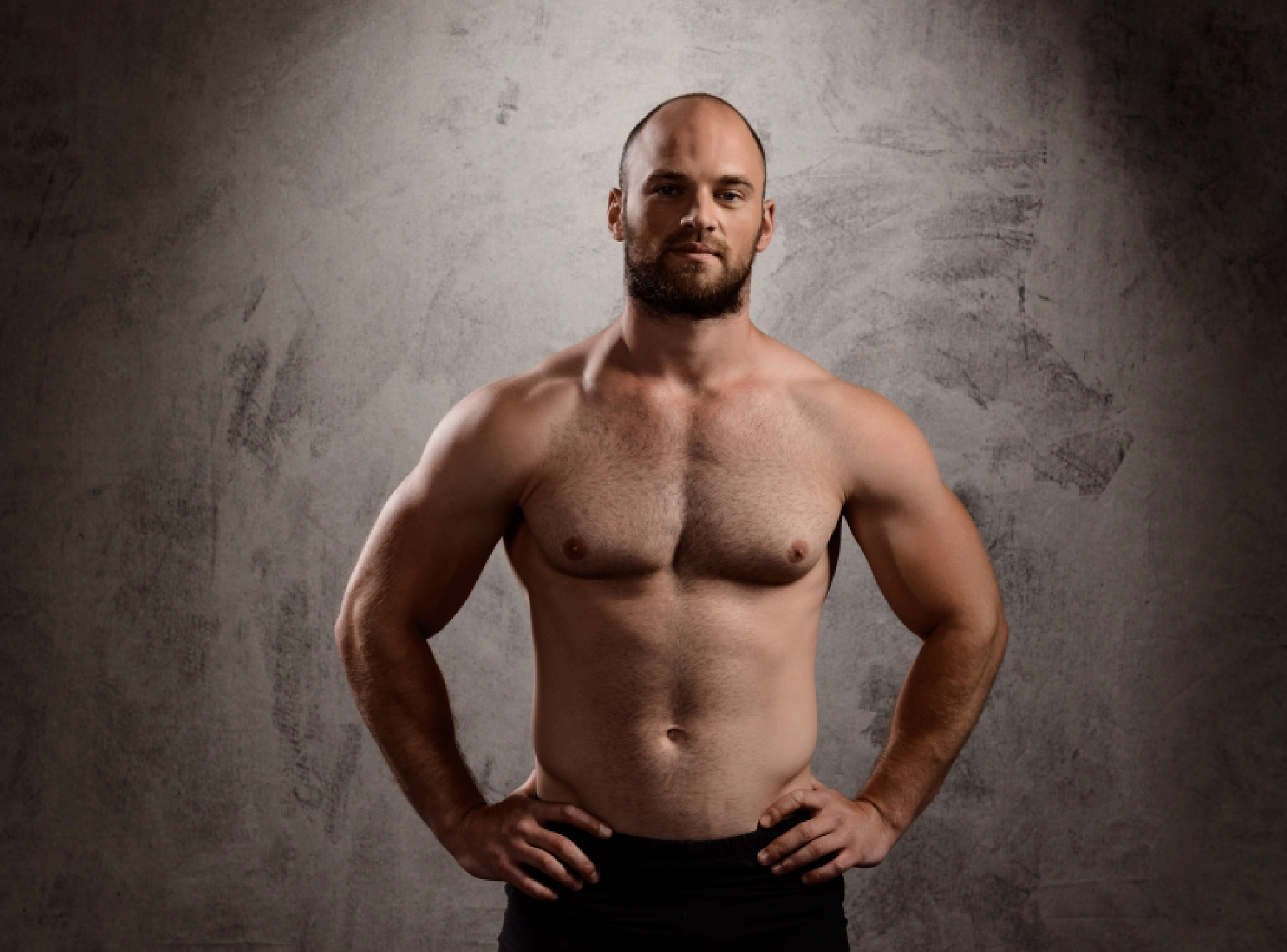
Gynecomastia is different from regular chest fat because it doesn’t respond well to changes in diet and exercise. Instead, it comes from an unusual growth of glandular tissue and is often linked to hormonal imbalances.
Men often worry about having noticeable breast tissue and look for ways to get rid of it. Many people want a flat, well-defined chest with strong pectorals.
Before a plastic surgeon in Dubai can do Gynecomastia Surgery to fix too much breast tissue, they need to find out what’s causing it. We’ll look more closely at gyno vs. chest fat and how to tell the difference below.
Let’s start by defining gynecomastia.
Gynecomastia In Dubai
Gynecomastia in Dubai is frequently confused with excess chest fat, but the causes and treatments are distinct. True gynecomastia causes glandular tissue enlargement, whereas fat accumulation is associated with weight gain. A proper medical evaluation determines what you have and directs the most effective treatment for a flatter, masculine chest.
Chest Fat Removal In Dubai
Chest Fat Removal in Dubai begins with determining whether the fullness is caused by fat or true gynecomastia.. Liposuction is often used to treat fat, whereas surgery may be required for glandular tissue. A professional consultation aids in determining the cause and ensuring the most appropriate treatment for a more defined, masculine chest.
What Is Gynecomastia?
Gynecomastia is when the fat on a man’s chest gets bigger. The most common reason for this condition is low levels of male hormones (more on this later). But there are other reasons it could happen as well.
The most common signs of male gynecomastia depend on the cause:
- Breast tissue is getting bigger
- Too much fat in the chest
- Bloating
- Having lumps in the chest or breast
- Tenderness
- Pain in the chest
- Putting on weight or being overweight
What Causes Gyno Vs Chest Fat?
Gynecomastia is a very common condition in men of all ages. Some types of gynecomastia, on the other hand, will go away on their own, while others will stay, and only cosmetic surgery can fix the latter.
There are many reasons why someone might have gynecomastia, including hormonal imbalances, certain illnesses, drug use, or taking certain medications. We’ve listed the main reasons why men get gynecomastia below.
Hormonal Imbalance
The most common reason for gynecomastia is an imbalance in hormones. Men can have hormonal imbalances at any age.
This can happen to baby boys as young as a few days old because they often get too much estrogen (a female hormone) from their mothers. When newborn baby boys have gynecomastia, people often say they have “breast buds.” These breast buds usually go away a few months after birth, but they can sometimes last longer.
A lot of preteen boys also get “breast buds” before they hit puberty. Gynecomastia is also fairly common in young men who are going through the real stages of puberty. Again, the problem usually goes away in seven months to two and a half years.
On the other hand, some men may still have gynecomastia even after they have reached adulthood. This is usually because of a hormonal imbalance. This imbalance can sometimes be caused by cancer of the hormonal glands, such as the adrenal or pituitary glands, or by testicular or liver cancer. Men with gynecomastia usually make too much estrogen and not enough testosterone, no matter what the cause is.
Medications
Some medicines can also cause gynecomastia. In general, these are drugs that have a lot of prolactin or that make the body make more estrogen.
Some drugs can also stop androgens from working. Androgens include testosterone and DHT. These not only work on their own, but they also stop estrogen from working. So, if someone is taking a drug that blocks androgens like testosterone or DHT, the effects of estrogen will be stronger, which can lead to gynecomastia.
Some drugs that could cause gynecomastia as a side effect are:
- Some drugs that help with anxiety
- Some medications for depression
- Some drugs for epilepsy
- Some drugs used to treat heart problems, like digitalis
- Drugs that stop androgens
- Some drugs that are used to treat ulcers
- Some drugs used in chemotherapy, like alkylating agents, stop cancer cells from growing and can also mess with DNA in cells.
Some herbal supplements and essential oils, like tea tree oil and lavender oil, have been linked to gynecomastia by some sources, even though they aren’t technically drugs.
Medical Conditions And Illnesses
As mentioned earlier, some medical conditions and illnesses connected to hormones can cause gynecomastia. This includes cancer of the adrenal glands, the pituitary gland, the breast tissue, and the testicles. An overactive thyroid or lung cancer can also be to blame.
Other health issues and diseases can also cause extra breast tissue. For instance, liver diseases that affect the breast glands, like cirrhosis of the liver (which is often caused by drinking too much alcohol) or liver cancer, can be the main issue.
Substance Use
Certain medications, as well as the use of specific drugs and illicit substances, can induce gynecomastia.
For instance, drinking too much alcohol might have something to do with the condition. Other drugs that have been linked are marijuana, amphetamines, opioids, anabolic steroids, and methadone, which is most often used to treat addiction.
PUBERTY AND “PRE-PUBERTY”
Lastly, boys who are going through puberty or “pre-puberty” (technically called precocious puberty) may have too much breast tissue.
Pre-puberty is the time before a boy turns 8 when his body is changing and growing quickly. Boys go through puberty between the ages of 8 and 14 or 15. During this time, their bodies and hormones change very quickly.
So, if a boy is between the ages of 6 and 16 or 17 and has “breast buds” or extra breast tissue, this is almost always normal and should be left alone.
BOOK AN APPOINTMENT TODAY
Gynecomastia Vs Chest Fat: What’s The Difference?
Is it fat on your chest or gynecomastia?
A lot of people ask us this question, and it makes sense. Men come to our office to get rid of the extra tissue on their chests. They might feel embarrassed about it, especially when they aren’t wearing a shirt at the beach or pool or when they are wearing thinner clothes that make their body shapes stand out.
If you’re worried about having too much tissue on your chest, here are seven questions to ask yourself to find out if that’s the case.
Is It Gynecomastia Vs Fat? 7 Questions To Ask
1. What’s Your Age?
If you’re a young man who hasn’t gone through puberty yet and you have extra fat or tissue on your chest, it could just be because of your age. Never do gynecomastia surgery on young men who are going through puberty or “pre-puberty.” Time is usually the best way to fix the problem.
Your hormones will figure themselves out. And if you eat well and exercise regularly, your chest will almost certainly flatten out, and you’ll feel better by the time you’re 16 or 17.
On the other hand, older men may have more breast tissue later in life because of changes in hormones, especially the natural drop in testosterone. This is especially true for older men who are overweight or obese.
2. Do You Have Any Excess Body Fat?
Most doctors can tell if you have gynecomastia or just fat by looking at your body as a whole. Men who are overweight or obese will naturally have extra fat on their bodies, and some of it may settle in their chests.
You can also take body composition tests to find out how much fat is really in your body. Some men who look thin and have a low body fat percentage may actually be what is sometimes called “skinny fat.” This means that the body has a lot of fat and not a lot of muscle.
Cholesterol and triglyceride levels can also be used as markers. If you have high triglycerides, low HDL cholesterol (“good” cholesterol), and/or high LDL cholesterol (“bad” cholesterol) after a blood test, this could mean that you have a higher percentage of body fat, which may settle in the chest.
3. Do You Have A Medical Condition?
As mentioned earlier, gynecomastia treatment can also be linked to specific medical conditions, many of which are hormone-related. For instance, men with an overactive thyroid or cancer of the testicles, pituitary gland, or adrenal glands often have hormonal imbalances.
Excess breast tissue has also been linked to lung and liver cancers. The problem may also be linked to kidney disease, kidney failure, cirrhosis, and liver failure.
4. Have You Had Your Hormones Checked Recently?
Hormonal imbalances can happen to both men and women without them even knowing it. If you or your doctors think that too much estrogen, not enough testosterone, or another hormone-related problem might be causing your gynecomastia, make sure to get your hormones checked.
Most of the time, all you need is a simple lab test. Most of the time, your doctor will have you get your blood drawn at a local lab in the morning, when testosterone levels are highest. In most cases, you should get your test results back within a day or a week at the most.
5. What’s Your Diet Like?
If you have a lot of body fat, even if you are in a healthy weight range, this can make extra skin tissue grow in your breasts.
Men of all ages should eat a healthy diet that includes protein, whole grains, vegetables, fruits, and healthy fats and oils. Having treats every now and then won’t ruin a healthy diet, but it’s also a good idea to stay away from too many processed foods.
6. How Often Do You Exercise?
Strength training, in particular, can help shape the chest muscles and make extra tissue and fat less noticeable. If you only have a little extra tissue, try doing exercises that strengthen your chest to make it look more defined.
7. Do You Drink Alcohol Frequently Or Use Substances?
We’ve already talked about how drinking too much and using and abusing drugs like opioids, marijuana, and amphetamines can cause gynecomastia.
If you’re abusing drugs that aren’t legal, talk to a trusted friend or family member to get the help you need. You can also get help from your doctor or another medical professional.
Male Breast Reduction Surgery: A Solution For Dubai Gynecomastia
The American Society of Plastic Surgeons (ASPS) says that up to 80% of men will have enlarged breast tissue at some point in their lives. For many men with real gynecomastia, male breast reduction surgery is the only way to fix the problem. Even though the condition is usually temporary and gets better with age or lifestyle changes, it is not always the case.
What Happens During Male Breast Reduction Surgery?
Gynecomastia surgery, also known as male breast reduction surgery, helps men get rid of too much fat on their chests.
The surgery removes both the extra glandular tissue and any extra fat, which is usually done with Dallas liposuction. Sometimes, an excision technique can be used by itself or with liposuction.
Most of the time, this can be done during the same surgery for patients who want to make their nipples and areolas smaller. At your consultation, your surgeon can talk to you about how your gynecomastia surgery will be done.
MEET THE EXPERT DOCTOR
FAQ’s: Gynecomastia Vs Chest Fat
Does Losing Fat Get Rid Of Gynecomastia?
No, overall fat loss alone is not likely to fix the problem of gynecomastia if the patient has true gynecomastia caused by a hormonal imbalance, a medical condition, drug use, or medication use.
Most of the time, only surgery or male breast reduction surgery will help people with gynecomastia.
Is Gynecomastia Always In Both Breasts?
No, men can have gynecomastia in just one breast. But this condition is more likely to happen in one or both breasts.
How Common Is Gynecomastia?
Gynecomastia is very common; up to 80% of men will have it at some point in their lives. But most of the time, the extra tissue in the breasts goes away on its own.
In very bad cases with younger men, time will usually fix the problem. Men in their 30s and older can benefit from strength training, cardio exercise, and eating a healthy diet to lose fat. If these solutions don’t work, you could get male breast reduction.
How Do You Tell If You Have Gynecomastia Or Just Fat?
Chest fat, on the other hand, may not have a clear shape and may look saggy or droopy. If chest fat is the problem, losing weight should make the pectoral region noticeably smaller. Like fat in other parts of the body, chest fat reacts to diet and exercise as part of the body’s overall fat.
Best Plastic Surgeon In Dubai For Gynecomastia And Chest Fat
Best Plastic Surgeon in Dubai for gynecomastia and chest fat is available at the Perfect Doctors Clinic, where Dr. Perfect Celebrity performs expert assessments to differentiate between glandular gynecomastia and stubborn fat. Patients can achieve a flatter, more masculine chest and natural-looking results by following personalized treatment plans and advanced techniques.
Schedule Your Gynecomastia Consultation
Do you want to get rid of extra chest fat or enlarged breast tissue?
Dr. Perfect Celebrity can help you figure out if your extra chest tissue is caused by gynecomastia and fat or just gyno. Before and after surgery, Dr. Perfect Celebrity can answer any questions you have about gynecomastia. Male breast reduction surgery can help a lot of patients get their slim bodies back with little scarring.
Call now to set up your appointment.