





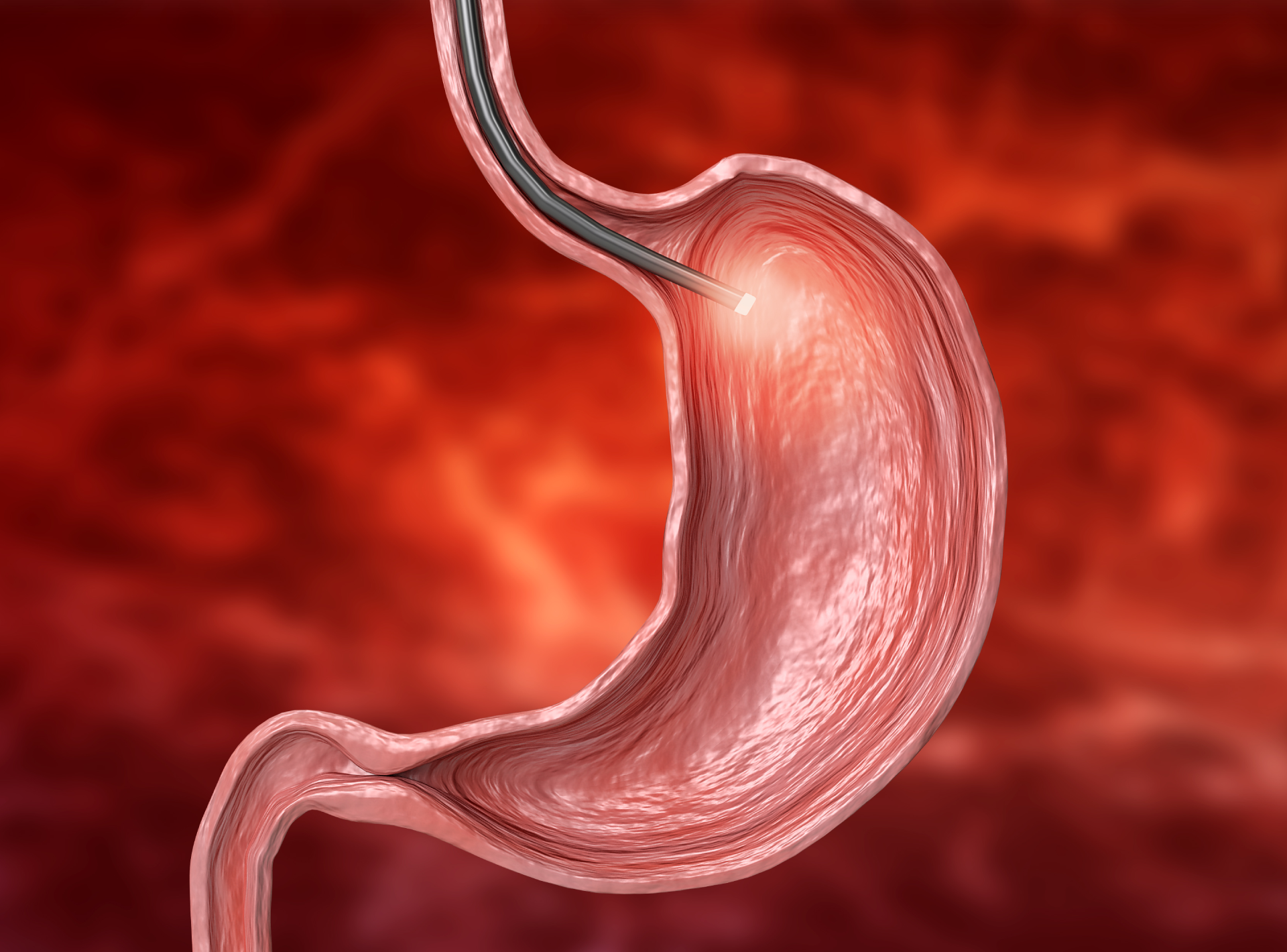
Gastric bypass surgery not only facilitates substantial weight loss but also promotes long-term lifestyle modifications that enhance overall health and well-being.
Gastric Bypass Surgery In Dubai
Gastric Bypass Surgery in Dubai represents a sophisticated weight management procedure tailored for individuals dealing with obesity and associated health issues. The procedure functions by decreasing the size of the stomach and modifying the digestive process, enabling patients to consume smaller quantities and achieve a sense of fullness more quickly. It also facilitates sustained weight reduction by enhancing metabolic processes and decreasing calorie absorption. In addition to physical modifications, patients are directed towards adopting healthier lifestyle practices, encompassing proper nutrition and consistent exercise. With state-of-the-art medical facilities and highly skilled surgeons, Dubai provides safe and effective gastric bypass surgeries that facilitate sustained weight loss, enhanced energy levels, and an improved overall quality of life.
Weight Loss Surgery In Dubai
Weight Loss Surgery in Dubai is a viable option for individuals who are grappling with obesity and associated health conditions. It provides a sustainable solution for weight management and an enhanced quality of life. One of the most frequently performed procedures is gastric bypass surgery, which reduces the size of the stomach and disrupts digestion, thereby enabling patients to consume fewer calories and absorb less fat. Nevertheless, the success of the procedure is contingent upon a variety of factors, such as a balanced diet, consistent follow-ups, and regular physical activity, in addition to the surgery. The maintenance of results necessitates that patients adopt healthier eating habits, portion control, and nutritional awareness. In Dubai, individuals are provided with comprehensive care, which guarantees safe procedures, a smooth recovery, and sustainable weight loss outcomes, thanks to the advanced medical facilities.
Introduction:
A smaller stomach pouch that is directly connected to the small intestine is created by gastric bypass surgery. For people who suffer from extreme obesity and associated health problems, it is a weight-loss procedure. It helps manage conditions like diabetes, high blood pressure, and sleep apnea and contributes to significant weight loss by shrinking the stomach and rerouting digestion.
Gastric Bypass Overview:
After gastric bypass surgery, food passes through a small stomach pouch and then straight into the small intestine. This avoids the first part of the small intestine and a large portion of the stomach.
Procedure Insights:
Gastric bypass surgery alters the way your digestive system functions. It circumvents a portion of the small intestine and reduces the size of your stomach. This procedure lowers the quantity of calories you consume, which aids in weight loss.
Additionally, it alters the hormones in your stomach, which reduces hunger and alters metabolism, both of which aid in weight loss. Through the Roux limb, this rerouting influences hormone production, nutrient absorption, and how your body breaks down food.
Common Indications:
When severe obesity is associated with health issues such as these, gastric bypass surgery is frequently advised.
- GERD stands for gastroesophageal reflux disease.
- Lowering the risk of heart disease.
- The treatment aims to control elevated blood pressure and cholesterol levels.
- The focus is also on reducing the symptoms of obstructive sleep apnea.
- The goal is to either resolve or improve the condition of type 2 diabetes.
- This intervention also aims to lower the risk of stroke.
- The primary goal is to address the issue of obesity-related infertility.
Comparing Gastric Bypass, Gastric Sleeve, And Lap Band Weight Loss Surgery
The techniques used in various weight loss procedures, such as gastric bypass, gastric sleeve, and lap band, vary. Gastric bypass reroutes the intestines and changes the shape of the stomach. A gastric sleeve makes a smaller pouch by removing a portion of the stomach. A band is wrapped around the upper abdomen with a lap band.
Gastric bypass often results in more weight loss, especially for individuals with diabetes. Without rerouting the intestines, a gastric sleeve aids in weight loss. Although less intrusive, a lap band may require more adjustments and may not produce as much weight loss.
BOOK AN APPOINTMENT TODAY
When Conventional Weight-Loss Fails:
This method is usually considered when traditional weight-loss strategies, such as dietary changes and increased exercise, are unable to produce noticeable weight loss. It is a life-changing choice for people who are dealing with severe health issues brought on by obesity.
Candidate Criteria For Gastric Bypass Surgery:
Among other weight-loss procedures, gastric bypass is appropriate for people who fit certain requirements:
- A BMI of 39 or more indicates extreme obesity.
- Obesity, defined as a BMI of 34 to 40.2, combined with serious weight-related conditions like diabetes, hypertension, or severe sleep apnea.
- If significant weight-related health issues accompany a BMI of 31 to 33, it may be acceptable in certain circumstances.
Eligibility for gastric bypass surgery requires careful screening, as it is not always appropriate for cases of severe obesity. Long-term follow-up plans that concentrate on nutrition, lifestyle changes, behavioral changes, and medical conditions are essential, as is a commitment to long-term lifestyle changes.
Gastric bypass surgery effectively facilitates weight loss and mitigates associated health risks. A thorough consultation with medical experts and a commitment to long-term lifestyle changes for a healthier life are necessary when considering this procedure.
Post-Gastric Bypass Surgery
Clear liquids are a beneficial place to start right after gastric bypass surgery. It aids in the healing and retraining of your stomach. Additionally, clear liquids provide your body with easy-to-digest nutrients and keep you hydrated.
Before attempting solid foods, you will gradually transition from liquids to soft and pureed foods. Eat more lean proteins, such as fish, chicken, or tofu. Remember that a balanced diet must include fruits, vegetables, and whole grains.
Steer clear of foods heavy in fat or sugar, as they may cause dumping syndrome or cause discomfort. Your body may react differently after the surgery, so it’s a beneficial idea to limit alcohol and try to avoid sugary drinks.
Gastric Bypass Surgery Cost:
Several factors affect the price of gastric bypass surgery. The surgeon’s experience, preoperative testing, postoperative care, and possible insurance coverage all affect costs. Many insurance plans, depending on eligibility and policy terms, pay for all or part of the costs.
How Long Will It Take For Me To Recover From Surgery?
Recovery requires a period of time. For instance, it may be necessary to refrain from engaging in strenuous activities for a period of two to four weeks following your surgery. Ask your care team to clarify which activities you should refrain from and what actions are appropriate during your recovery.
MEET THE EXPERT DOCTOR
What Can I Eat After I Have Gastric Bypass Surgery?
Gastric bypass surgery alters both your dietary choices and the quantity of food you consume:
- You will be required to follow a liquid diet for a duration of two weeks following the surgery.
- Next, proceed to soft foods that are gentle for your digestive system. You will consume soft foods over the next two to three months, abstaining from carbohydrates, sugars, and raw vegetables.
Your healthcare team will assist you in preparing for the transition to solid foods when the appropriate time arrives. They will provide comprehensive information regarding appropriate dietary choices. Generally, it is advisable to:
- Consume a minimum of 100 grams of protein daily: Consuming high-protein foods will help prevent muscle loss. It also assists in maximizing the value derived from the calories you ingest.
- Consume adequate fluids: Aim for 65 ounces of liquid intake daily. Consuming adequate fluids will assist in preventing constipation and nausea.
- Refrain from consuming foods high in sugar: What you consume is rapidly transported from your stomach pouch to your small intestine. Rapid fluctuations in blood sugar levels may occur when sugary foods reach the small intestine.
- Consume your microsupplements: These consist of minor quantities of vitamins and minerals. Surgery may alter your body’s capacity to absorb the essential nutrients it requires. Microsupplements assist in replenishing those nutrients.
Life After Gastric Bypass Surgery
Your body will experience numerous changes in the weeks and months following your surgery. Here are some recommendations that may assist you in managing them:
- Ensure adequate rest: Your caloric intake is now lower than it was previously. Calories represent the measure by which your body obtains energy. You may experience increased fatigue until your body adapts to a reduced caloric intake.
- Increase engagement: Weight loss following surgery may enhance your energy levels and increase your motivation to engage in more physical activity. However, consult your care team prior to initiating a new routine.
- Follow up with your healthcare team: Obesity is a long-term medical condition. You will require continuous medical assistance. Your healthcare team will assist you in maintaining your weight loss. For instance, they might suggest dietary regimens and physical activity schedules. They may assist you in establishing connections with support groups. They may also recommend medication.
Additional Common Questions
Can You Live A Normal Life After Gastric Bypass Surgery?
You will establish a new normal following the surgery. For instance, you will experience a sense of fullness more rapidly. These changes may alter the manner and timing of your meals. You may encounter new restrictions on your dietary options. You may also need to refrain from consuming sugary foods. However, your new normal may also encompass increased activity. It may indicate that you experience a greater sense of comfort within your body.
Why Would Someone Not Be Able To Have Gastric Bypass Surgery?
This surgical procedure is not suitable for all individuals. You might be ineligible to undergo this surgical procedure if:
- You are expecting a child.
- You are affected by serious medical conditions, such as cardiovascular or respiratory diseases.
- You are experiencing a substance use disorder.
- You have an active cancer diagnosis or unmanaged health conditions.
Best Plastic Surgeon In Dubai For Gastric Bypass Surgery And Weight Loss Surgery
Best Plastic Surgeon in Dubai for Gastric Bypass Surgery and Weight Loss Surgery is available at Perfect Doctors Clinic, where they are dedicated to their patients’ long-term success and offer exceptional care. Gastric bypass surgery is not merely a procedure; it is a life-altering experience that necessitates a dedication to healthy lifestyle habits. Before recommending surgery, Dr. Perfect Celebrity meticulously assesses each patient’s medical history, weight loss objectives, and readiness for change. The clinic employs sophisticated techniques to guarantee safety and efficacy, adhering to stringent international standards. Patients are provided with comprehensive instructions regarding preoperative preparation, postoperative diet plans, and long-term lifestyle modifications. Complications are prevented and patients are kept on track through continuous monitoring and follow-up care. In order to achieve enduring outcomes, the focus is on nutrition, exercise, and behavioral modifications. Individuals experience enhanced confidence, reduced risk of obesity-related diseases, and improved health when they adopt a patient-centered approach. A smooth surgical experience, effective weight loss, and sustainable lifestyle transformation for long-term well-being are guaranteed by selecting an experienced surgeon.