





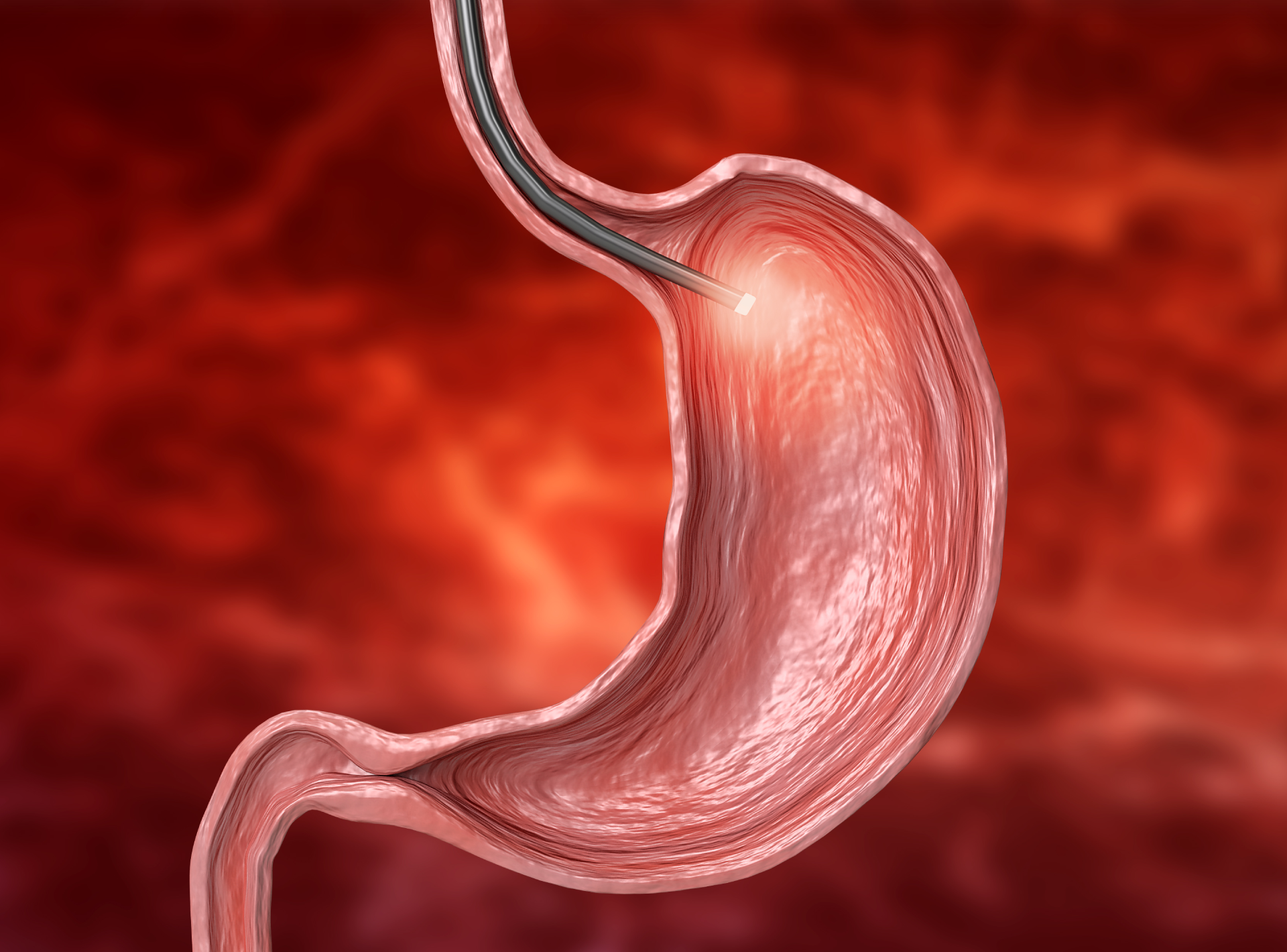
Like any major surgical procedure, gastric bypass surgery carries some risks and potential complications, but it can also result in significant weight loss and health improvements. Swelling, nausea, exhaustion, digestive discomfort, and momentary trouble adjusting to new eating habits are common short-term side effects. If patients do not follow appropriate dietary recommendations, they may also suffer from dehydration, nutritional deficiencies, or dumping syndrome.
Risks like infection, blood clots, leakage from surgical connections, bowel obstruction, or delayed healing can happen, even though major complications are less frequent. Reducing complications and promoting a safe recovery and long-term health improvement depend on selecting a skilled surgeon, closely adhering to post-operative instructions, and continuing long-term nutritional monitoring.
Gastric Bypass In Dubai
Gastric Bypass in Dubai is a popular weight-loss procedure that helps people with severe obesity lose weight significantly and sustainably. The process limits food intake and calorie absorption by shrinking the stomach and changing a portion of the digestive system. Significant health benefits, such as improved blood sugar regulation, fewer obesity-related disorders, and an improved general quality of life, can result from gastric bypass surgery. Before choosing a course of treatment, patients should be aware of the possible risks and complications related to gastric bypass, just like with any major surgical procedure. Swelling, discomfort, nausea, exhaustion, and transient changes in digestion as the body adapts to the new digestive structure are the most frequent side effects and short-term complications following gastric bypass surgery. Additionally, after consuming foods high in fat or sugar, patients may experience dumping syndrome, which can result in nausea, dizziness, sweating, or diarrhea. Because the body’s capacity to efficiently absorb vitamins and minerals may be compromised by the altered digestive process, nutritional deficiencies are another crucial factor to take into account. To maintain appropriate nutritional balance, you may need long-term supplementation and frequent medical monitoring. Risks like infection, blood clots, leakage from surgical connections, bowel obstruction, or delayed healing can still happen even though major complications are less common when surgery is done by skilled professionals. These risks are greatly decreased by careful recovery management, thorough pre-operative evaluation, and appropriate patient selection.
General Vs. GBP-Specific
The risks associated with gastric bypass surgery can be separated into two categories: general surgical risks and risks unique to gastric bypass surgery.
Any surgery can result in the following surgical complications. The following lists the risks associated with gastric bypass complications.
Death
Compared to having your gallbladder removed, the national mortality rate for gastric bypass surgery is 1 in 1000. You need to ask each surgeon directly because the death rate varies greatly between programs and surgeons. Recognize that the official definition of “surgical mortality” is any death that occurs within 31 days following surgery, regardless of the cause. The personal mortality rate for Dr. Perfect Celebrity is zero.
Wound Infection
Compared to open surgery, laparoscopic surgery has a lower risk of wound infections. However, after any kind of surgery, patients with diabetes are more likely to get wound infections, and obese patients need higher dosages of antibiotics to avoid infection after surgery. Antibiotics and incision care are used to treat wound infections.
Pneumonia
In order to avoid fluid accumulation in the lungs that could cause pneumonia, obese patients need more intensive postoperative respiratory care. After surgery, patients who use the laparoscopic technique (as opposed to the open incision) are significantly more comfortable, which makes it easier for them to cough and breathe deeply to prevent pneumonia. Depending on how severe the pneumonia is, it may be treated in a hospital with IV antibiotics and breathing treatments or as an outpatient.
Deep Vein Thrombosis/Pulmonary Embolism
Patients who have laparoscopic surgery (as opposed to open surgery) are much more comfortable following the procedure, which makes it easier for them to walk and prevents the formation of blood clots in their legs (deep vein thrombosis), which can result in pulmonary embolism (clot breaking off and landing in the lung artery) and death. Blood thinners are used to treat DVT. Blood thinners, lysing (dissolving) the clot, or more intrusive methods may be needed to treat a PE. It’s crucial to get up, walk, and exercise after bariatric surgery to prevent clots because research has shown that pulmonary embolisms are one of the most frequent causes of death following the procedure.
Bowel Obstruction from Scar
Adhesions (internal scar tissue) following surgery can cause bowel obstructions. Because laparoscopic surgery leaves much less scar tissue behind, there is a lower chance of developing this kind of bowel obstruction. Internal scar tissue can be treated with anything from hospital rest to surgery.
Incisional Hernia
Compared to open surgery, laparoscopic surgery is less likely to result in hernias along the incision. Although it happens in less than 2% of patients following laparoscopic gastric bypass, it can happen in 20–40% of patients following open surgery. Surgical repair is the treatment for incisional hernias.
Bleeding
The need for a blood transfusion during gastric bypass surgery is extremely uncommon. It is not advised for patients to donate blood before surgery.
The following are complications specific to Gastric Bypass Surgery:
Stricture
Scar tissue can cause a stricture, or narrowing of the stomach-intestine attachment. Although it varies from surgeon to surgeon, this condition typically affects less than 6% of gastric bypass patients. Although smokers have a higher lifetime risk of developing a stricture, it typically happens between the first and third post-operative month. The usual course of treatment is “endoscopic dilation,” in which the patient is sedated and the connection is dilated back to normal size by passing a scope through the mouth to the stomach. This process is done as an outpatient. After surgery, antacids are administered for a while to reduce the chance of developing a stricture.
Leak
A leak is an area that doesn’t seal as quickly as the rest of the connection, usually where the staples connect the stomach and bowel. Less than 2% of patients nationwide experience post-operative leaks following gastric bypass surgery. Depending on how serious the leak is, the course of treatment can range from antibiotics to surgery.
Internal Hernia
When the bowel twists or obstructs itself, an internal hernia may develop. Internal hernias occur in less than 6% of gastric bypass patients. An internal hernia must be repaired surgically, and the patient typically returns home the following day.
BOOK AN APPOINTMENT TODAY
Side Effects
Following gastric bypass surgery, the great majority of patients experience minimal or no complications. Constipation, dumping syndrome (sensitivity to sugar and/or fat), temporary hair thinning, and nausea/vomiting are among the side effects that some patients encounter, particularly if they are sensitive to anesthesia. Every patient has heightened sensitivity to alcohol, absorbing four times as much from a drink and getting drunk quickly.
Advantages Of Gastric Bypass You Should Know
For those who suffer from severe obesity and weight-related illnesses, gastric bypass offers a number of significant benefits. Significant and sustained weight loss, which can enhance general health, mobility, and everyday comfort, is one of the main advantages. The procedure may also improve conditions like type 2 diabetes, high blood pressure, sleep apnea, and joint strain. Temporary side effects like nausea, gastrointestinal distress, or exhaustion can happen during the healing process, but they are usually controllable with the right medical supervision and lifestyle modifications.
The improvement in eating habits and long-term weight control is another significant benefit. Over time, gastric bypass makes it easier for patients to lose weight sustainably by promoting healthier portion control and helping them feel full more quickly. Many patients have better physical wellness, more energy, and a higher long-term quality of life following surgery with the help of expert dietary advice, routine follow-up care, and healthy lifestyle choices.
Why Gastric Bypass Is The Best Solution
Because it simultaneously addresses food intake and calorie absorption, gastric bypass is regarded as one of the best treatments for severe obesity. In contrast to short-term dieting techniques, the procedure modifies the digestive system over time to promote long-term weight loss and better metabolic health. Those who have had difficulty losing weight using conventional methods alone or who have health issues related to obesity will particularly benefit from the procedure.
Gastric bypass is unique because it can significantly improve health in addition to helping people lose weight. Careful surgical planning and expert follow-up care help minimize risks and complications, such as nutritional deficiencies or digestive changes. Gastric bypass provides dependable and transformative outcomes for long-term health and weight management with appropriate dietary control, supplementation, and lifestyle modifications.
How Gastric Bypass Restores Confidence And Appearance
Gastric Bypass enhances physical mobility, body shape, and general well-being, all of which contribute to the restoration of confidence. Being overweight frequently has an impact on one’s comfort, confidence in social or professional contexts, energy levels, and self-esteem. Patients frequently observe improvements in body contour, movement, clothing fit, and overall physical appearance as they progressively lose weight following surgery. These obvious improvements can greatly boost self-esteem and mental health.
Gastric bypass frequently results in patients feeling healthier, more active, and more driven to uphold healthy lifestyle practices in addition to physical transformation. While temporary discomfort and dietary changes may be part of the healing process, these difficulties typically go away as the body adjusts. Over time, better health, weight loss, and improved body image make patients feel more at ease, confident, and content with their general quality of life.
MEET THE EXPERT DOCTOR
Best Plastic Surgeon In Dubai For Gastric Bypass
Best Plastic Surgeon in Dubai for gastric bypass is one of the most crucial elements in reducing complications and achieving safe, effective long-term weight loss outcomes. Patients at a reputable clinic like Perfect Doctors Clinic receive thorough medical examinations and customized treatment programs based on their lifestyle, general health, weight loss objectives, and body condition. In order to guarantee that gastric bypass is both safe and advantageous for each patient’s long-term well-being, skilled specialists carefully evaluate each patient’s suitability for surgery. Perfect Doctors Clinic employs modern technology and sophisticated surgical methods to enhance accuracy, lessen surgical trauma and facilitate a quicker recovery. To reduce risks like infection, nutritional deficiencies, or digestive issues, the medical team closely monitors patient safety before, during, and after the procedure. In order to promote a successful recovery and long-term weight management, patients are also given comprehensive aftercare instructions regarding hydration, nutrition, vitamin supplements, physical activity, and long-term lifestyle modifications. Perfect Doctors Clinic offers a secure and encouraging setting for gastric bypass procedures thanks to its skilled surgeons, cutting-edge equipment, and patient-centered philosophy. Through expertly managed surgical care and continuing medical support, the clinic helps people achieve healthier lifestyles, increased confidence, and a better overall quality of life while placing a high priority on patient safety, long-term health improvement, and sustainable weight management.