





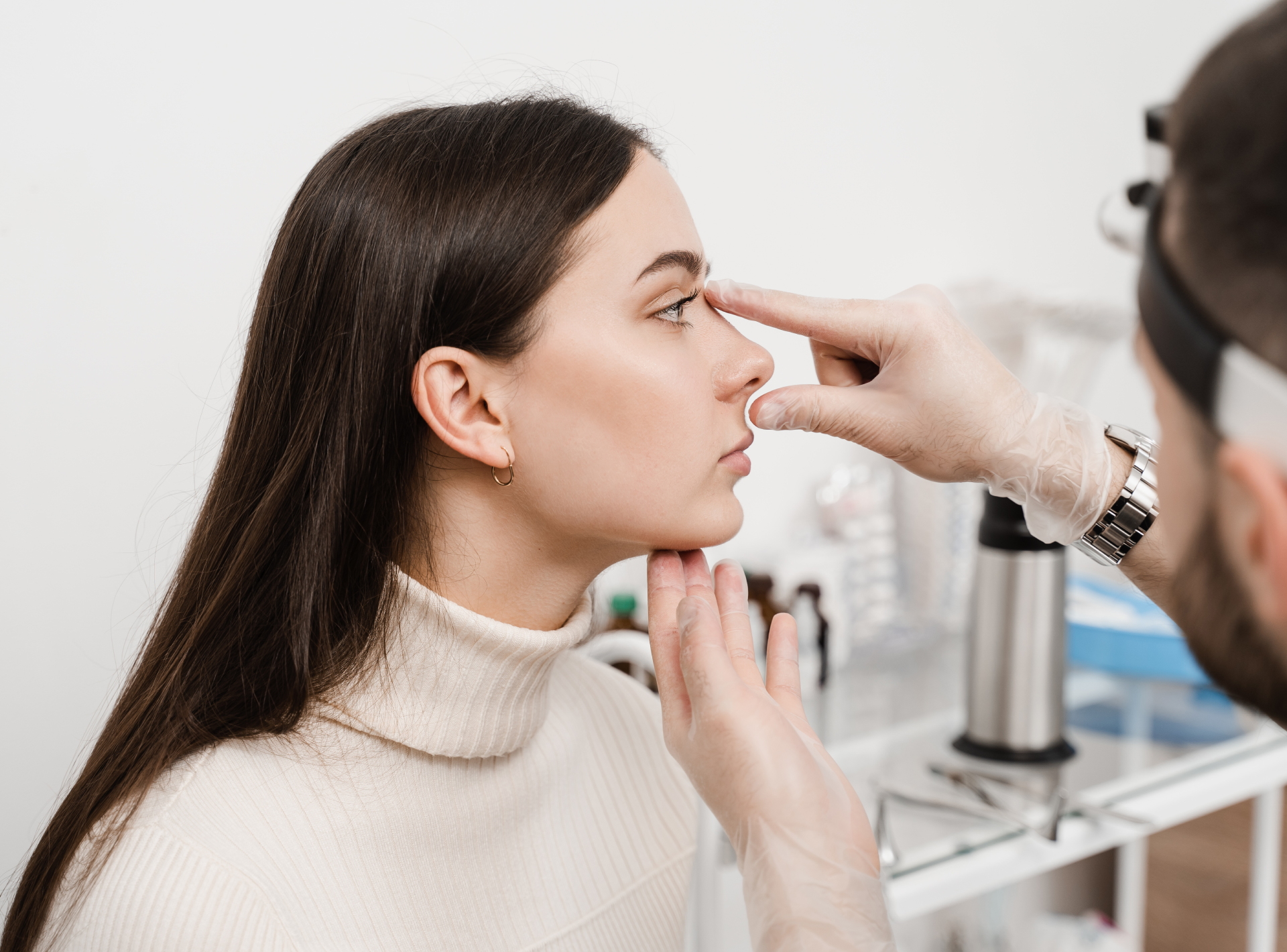
One of the most common worries patients have is flying following rhinoplasty, especially if they have already made vacation plans. Most people don’t know how important the time is. Flying too soon after nose surgery can make swelling, pain, bleeding, and the risk of infection worse.
Most folks want to know this right away:
Most people can comfortably fly 1 to 2 weeks following rhinoplasty, although this depends on how much work was done and how well they are recuperating at their first post-operative check-up.
For long-haul trips, you usually have to wait the whole 2 weeks, and sometimes even longer if the situation is more complicated.
We will explain below why traveling too soon can slow down healing, what risks to be aware of, and the surgeon-approved rules to follow before you book your trip.
Rhinoplasty In Dubai
Rhinoplasty in Dubai is a popular procedure for individuals who want to improve the shape, structure, and balance of their nose. After surgery, proper recovery and careful planning of daily activities are important to protect the healing nasal tissues. Many patients ask about flying after rhinoplasty and when it is safe to travel by air. Air travel can involve cabin pressure changes, dry air, and long sitting periods, which may increase swelling or discomfort during the early healing phase. Because of this, surgeons usually recommend waiting for a short recovery period before flying. Giving the nose enough time to stabilize helps reduce the risk of pressure related discomfort and supports a smoother healing process after rhinoplasty.
Key Takeaways
- Most people can comfortably fly 1 to 2 weeks following rhinoplasty, but this depends on how much surgery they have and how well they are recovering at their first assessment.
- After 8 to 12 days, you might be able to take short-haul flights, but long-haul flights usually need 12 to 15 days because of pressure fluctuations, exposure to bacteria, and prolonged cabin stays.
- If you fly too soon, you could have discomfort, edema, bleeding, infection, or nausea, all of which could slow down your recovery or change the ultimate results.
- The pressure in the cabin can make trapped air in the nasal tissues expand, which can be uncomfortable for the first week after surgery.
- Airports and airplanes have a lot of people and air that is circulated, which makes it more likely that people will get infections near healing cuts.
- After getting a nose operation, patients should stay away from heavy lifting, being in the sun, and doing hard work for a few weeks.
How Soon Can You Fly After Rhinoplasty?
Whether or not you can fly depends on the type of rhinoplasty you had and how well you recuperate.
Short-Haul Flights (Under 5 Hours):
8 to 12 days after surgery, when your doctor or nurse says your nose is healing properly.
Long-Haul Flights (7+ Hours):
12 to 15 days following surgery, because of the danger of dehydration, prolonged exposure to cabin pressure, and limited availability to medical treatment during such flights.
Why Surgeons Prefer You Stay Nearby For 2 Weeks
The likelihood of problems is highest during the first two weeks. If you bleed, have an infection, or have problems with pressure, being near to your surgical team will make sure you get quick and safe care.
Perfect Doctors Clinic offers one of the lowest complication rates in Dubai for rhinoplasty. Only 1.5% of patients have had to come back for minor infections, and since 2009, no patients have had to have revision surgery. Staying close by throughout the first few weeks of recuperation helps us keep your care at this level.
Travelling Patients And International Care
For patients coming from other countries for their rhinoplasty, which happens a lot with revision rhinoplasty patients, Perfect Doctors Clinic will always have a surgeon or consultant in your home country who is just as skilled and will follow our instructions for your ongoing care.
Short-Haul Vs Long-Haul Recovery Timeline
| Travel Type | When You Can Usually Fly After Rhinoplasty |
| Short-haul flights | Depending on how much swelling and bruising you have and how your post-operative evaluation goes, it could take 8 to 12 days. |
| Long-haul flights | 12 to 15 days following surgery because the cabin pressure changes more and there is more risk of infection. |
| Non-flight travel (car, train, coach) | A week for small trips. You could need 12 to 15 days for longer travels to avoid stress and pain. |
| High-altitude travel (mountains) | 12 to 15 days because of swelling from pressure, nasal pain, and slower healing. |
| Remaining near your surgeon | Recommended throughout the entire first 2 weeks so that difficulties can be handled without delays in travel. |
Why Flying Too Soon After Rhinoplasty Is Risky
Flying impacts the body in a number of ways, such as dry cabin air, changes in pressure, and spending a lot of time in cramped settings. These things can directly affect healing after nose surgery.
Below are the four side effects that people are most likely to get if they travel too soon.
Pain And Pressure From Trapped Air In Nasal Tissues
During rhinoplasty, tiny air pockets might stay in the soft tissues.
At higher altitudes, this trapped air expands, which can cause:
- Throbbing or pressure in the nose
- Pain in the sinuses
- Feeling like your ear is blocked
- Headaches
You can see this the most in the first seven days.
Increased Risk Of Bleeding
It’s normal for your nose to bleed a little bit the first week after surgery. Flying makes this risk higher because:
- The air in the cabin is rather dry.
- Changes in pressure make repairing blood vessels hurt.
- When you take off or land, your head may lean forward.
It can be hard to deal with bleeding during a flight, and it may make the edema worse.
Higher Risk Of Infection
Airplanes and airports have a lot of germs in the air that is constantly being recirculated.
Incisions made during surgery, especially those made inside the body, are weak.
Some signs of infection are:
- A strange or unpleasant fragrance when you breathe
- Redness or swelling that doesn’t go away
- Fever or discharge
We give people a course of antibiotics to take home, even if they don’t plan to travel, for their own protection.
Nausea And Vomiting
Medications given after surgery, being sensitive to motion, and cabin pressure can all make you feel sick.
When you throw up, your nose suddenly feels pressure, which might cause:
- Bleeding
- Blood vessels that have burst
- Swelling that becomes worse
- Healing takes longer
In addition to the above, you should think about additional things that can be important when flying and take the necessary steps. This involves lifting and carrying big bags, which causes stress and strain on your nose.
For at least six weeks after your nose surgery, you should stay out of the sun as much as possible. This is because sunburn can hurt the top layer of your skin, which could make the skin that was operated on take a lot longer to heal. Always keep in mind that anything that slows down your recuperation could harm the results of your treatment.
Using over-the-counter nasal decongestant sprays can help you deal with the changes in pressure in a plane cabin following rhinoplasty surgery. This is the best way to avoid any complications when traveling. If you plan to take a nasal spray, please always talk to us about it so we can help you.
BOOK AN APPOINTMENT TODAY
Extra Precautions If You Need To Fly Soon
If you have to fly soon after getting rhinoplasty, take these steps:
- Use a saline spray to make your skin less sensitive to pressure.
- Drink plenty of water before and during your flight.
- Don’t lift heavy bags
- Put on a mask while you’re around a lot of people.
- Don’t drink alcohol for 2 days before flying.
- For optimum ventilation, sit near the front of the plane.
- To avoid bumps, bring a neck pillow.
- For six weeks, keep your nose out of direct sunlight (sunburn hinders healing).
Talk to your surgeon before using any nasal spray, even if it’s an over-the-counter one.
Please visit our Rhinoplasty page for more information about getting a rhinoplasty.
FAQ
How Soon Can I Fly After Rhinoplasty?
Most people can travel 1 to 2 weeks after surgery, although this depends on how soon their swelling, bruising, and stuffiness go down. Most of the time, short-haul flights are safe after 1 week, and long-haul trips are safe after 12 to 15 days. Before you go, always wait for your surgeon’s review after the surgery.
Why Is Flying Too Soon After Rhinoplasty Risky?
Changes in cabin pressure can make edema and sinus pressure worse, which can make it uncomfortable or hard to breathe for a short time. Air that is circulated again also raises the danger of infection when interior cuts are still healing. These things can make your recuperation take longer and, in rare situations, change the end result.
What Side Effects Are Most Common When Flying After A Nose Job?
The four most common problems are pain from pressure, mild bleeding, a higher risk of infection, and nausea. These normally happen in the first 8 to 12 days of flying. These dangers go down a lot if you wait a full 2 weeks.
Can Flying Too Early Affect My Rhinoplasty Results?
Yes. Flying before the recommended time can make swelling worse, clog sinuses, or irritate tissues that are mending. In rare situations, this might make recovery take longer or get in the way of early nasal healing. Following your surgeon’s schedule will help keep your final result safe.
Are There Ways To Make Flying After Rhinoplasty More Comfortable?
Yes. Patients frequently do better when they drink a lot of water, use a nasal saline spray that their surgeon recommends, avoid hard lifting, and sit in an aisle seat to prevent pressure fluctuations when they stand. Before taking any decongestants or other drugs, always check with your clinic.
Can I Fly Home Sooner If I Travelled Abroad For My Rhinoplasty?
You will still have to wait 1 to 2 weeks after surgery abroad before you can fly. Some people need the whole two weeks if their swelling or congestion is worse. Your surgeon should be able to help you from a distance and make sure that a doctor in your native country can help if you need it.
Does Altitude Affect The Nose After Surgery?
Yes. In the first two weeks following rhinoplasty, being at higher altitudes can make your sinuses hurt and swell up. This is true for both flying and driving in the mountains. Waiting at least 12 to 15 days helps avoid these problems and helps the healing process go more smoothly.
MEET THE EXPERT DOCTOR
Best Plastic Surgeon In Dubai For Rhinoplasty
Best Plastic Surgeon in Dubai for Rhinoplasty provides detailed recovery guidance so patients understand when they can safely resume activities such as air travel. Dr. Perfect Celebrity carefully monitors each patient’s healing progress and offers personalized advice about flying after rhinoplasty. In most cases, surgeons recommend waiting until the initial swelling and sensitivity have reduced before boarding a flight. Follow up consultations help determine whether the nose has healed enough for travel. Experienced surgeons may also provide helpful precautions such as staying hydrated, avoiding pressure on the nose, and following proper post operative care instructions. With professional guidance and proper recovery planning, patients can travel safely while protecting their rhinoplasty results.