





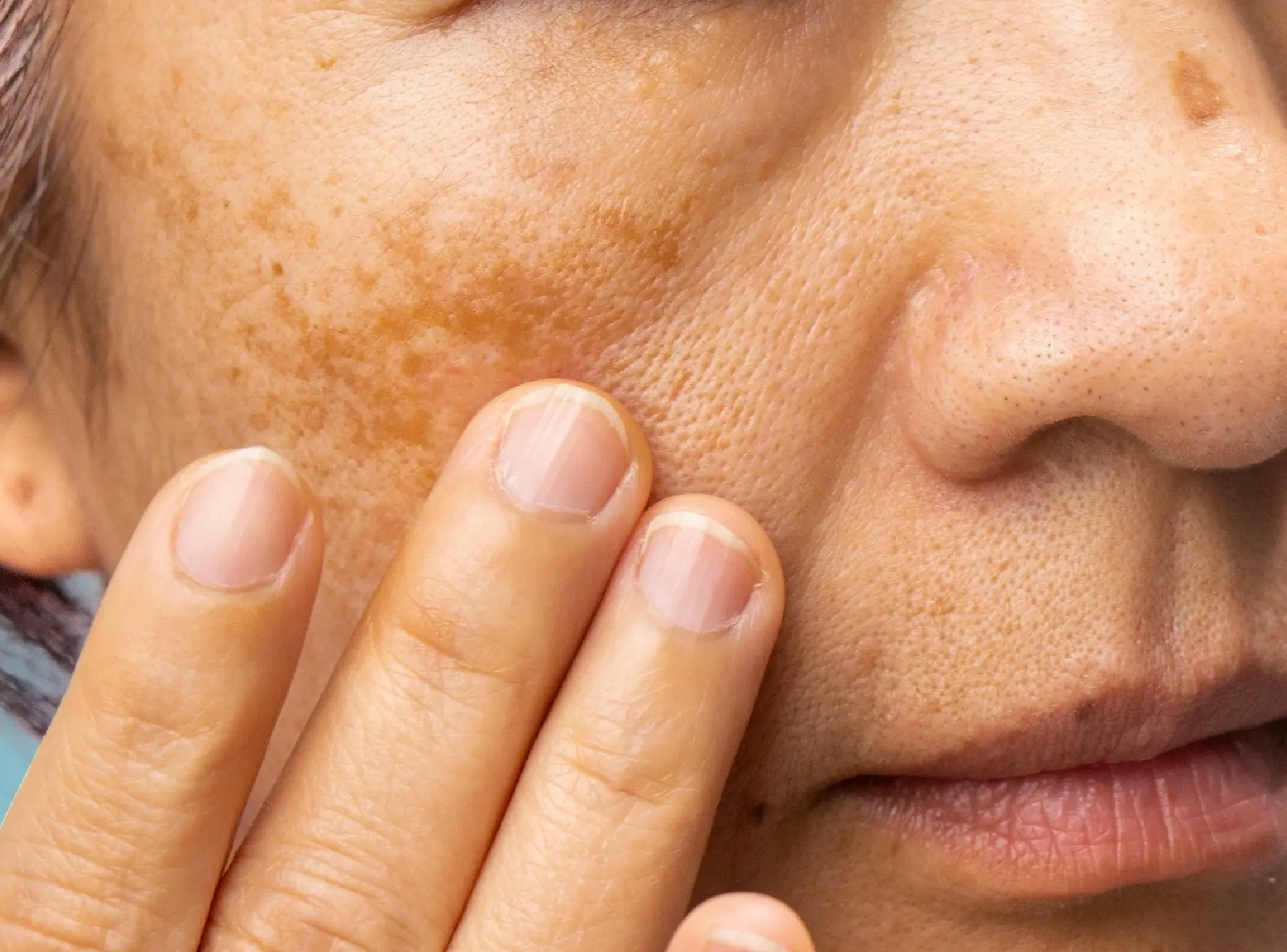
Melasma is a common skin concern that leaves dark patches on the face, affecting your confidence and skin’s natural glow. In this blog, we will explore what melasma is, why it appears, the best treatment options available, and how to prevent it from coming back. Whether you’re struggling with pigmentation due to hormones, sun exposure, or genetics, this guide will help you understand and manage melasma effectively.
Melasma Treatment In Dubai
Melasma Treatment in Dubai focuses on reducing dark patches, uneven skin tone, and pigmentation caused by sun exposure, hormonal changes, and genetic factors. Advanced treatment options include medical-grade chemical peels, laser therapy, topical depigmenting solutions, and combination therapies. Dubai clinics customize melasma treatments based on skin type and severity to ensure safe, gradual, and long-lasting skin brightening results.
What Is Melasma?
It is a skin ailment that makes dark spots appear on the face, mostly on the cheeks, nose, forehead, and sometimes on the neck. Pigmentation can come from the dermis, the epidermis, or both.
Are All Types Of Hyperpigmented Patches On The Face Considered Melasma?
No, there are numerous other disorders that look like melasma. These include lentigo, post-inflammatory hyperpigmentation (PIH), actinic lichen planus, Ota and Ito nevus, Riehls melanosis, and lichen planus pigmentosa. The way these disorders are treated may also be different. So, it’s crucial to get the right diagnosis before commencing any treatment.
What Are The Reasons For Melasma?
Some of the main causes of melasma are pregnancy, hormone drugs, being in the sun too much, and thyroid disorders. Genetic factors, on the other hand, are the main cause of melasma. Women are more likely than men to get melasma.
What Happens In The Skin?
There are three layers to your skin. The epidermis is the outer layer, the dermis is the middle layer, and the subcutis is the deepest layer. It’s an organ, the biggest one, and it weighs around one-seventh of your body. Your skin is what keeps you safe. It keeps your bones, muscles, organs, and everything else safe from the cold, germs, the sun, rain, harmful chemicals, injuries, and more. It also helps keep your body temperature stable, stops dehydration, and lets you feel things like the heat of the stove, the fur on your dog’s tummy, and the pressure of someone else’s hand holding yours.
Melanocytes are cells in your skin that store and make a dark color (pigment) called melanin. Melanocytes make more melanin when they are exposed to light, heat, UV radiation, or hormones. This is why your skin gets darker.
Why Do Women Get Melasma When They’re Pregnant?
Pregnant women have higher levels of the hormones progesterone and estrogen. People think that these hormones may be to blame for your melasma. The darker color normally goes away after having a baby.
What Are The Types Of Melasma?
There are three varieties of melasma, and they depend on how deep the pigment is. You can use a Wood’s lamp that gives off black light to find out how deep the pigment is. There are three types:
- Epidermal: Epidermal melasma is dark brown, has a clear boundary, and is easy to see under black light. It also sometimes responds well to treatment.
- Dermal: Dermal melasma is light brown or blue, has a hazy edge, looks the same under black light, and doesn’t react well to treatment.
- Mixed melasma: The most frequent type of melasma, mixed melasma has both bluish and brown patches, presents a mixed pattern under black light, and responds to therapy in some cases.
Is Melasma Cancerous?
Melasma is not an indication of cancer, a type of skin disorder that “turns into” cancer, or cancer itself. But some skin malignancies might seem like melasma, so it’s a good idea to contact your dermatologist to make sure you get the right diagnosis.
BOOK AN APPOINTMENT TODAY
Is Melasma Permanent?
Melasma is a condition that usually lasts a long time. It lasts for a long time, at least three months. Some people experience melasma for years or perhaps their whole lives. Some people only get melasma for a short time, as while they are pregnant.
Is Melasma Painful?
Melasma doesn’t hurt. It doesn’t hurt, itch, or make you feel bad in any way.
What Causes Melasma?
Radiation, like ultraviolet, visible, or infrared (heat) light, and hormones are the two main things that induce melasma.
The sun’s ultraviolet and infrared rays are important in making melasma worse. Melasma can also be caused by:
- Antiseizure medications: Drugs that stop you from experiencing seizures could be what causes melasma. Clobazam (Onfi®) is an example of a drug that stops seizures.
- Contraceptive therapy (birth control): Melasma has been found in persons utilizing oral contraceptive tablets containing estrogen and progesterone.
- Estrogen/Diethylstilbestrol: Diethylstilbestrol is a synthetic (man-made) version of the hormone estrogen. People typically use it to treat prostate cancer. Once more, there is a link between higher estrogen levels and melasma.
- Genetics: About 35% to 55% of persons with melasma say that someone else in their family has it too. Most identical twins have melasma.
- Hypothyroidism: Hypothyroidism is when your thyroid doesn’t work as well as it should.
- LED Screens: The LED lights from your TV, laptop, cell phone, and tablet may be to blame for melasma.
- Pregnancy: It’s not apparent why pregnant people get “the mask of pregnancy.” Experts think that the higher amounts of estrogen, progesterone, and melanocyte-stimulating hormones that happen during the third trimester of pregnancy might have something to do with it.
- Hormones: Some persons may be affected by hormones like estrogen and progesterone. Some women who have gone through menopause have been given progesterone and have been seen to develop melasma. Your melasma lesions probably contain higher numbers of estrogen receptors than normal if you aren’t pregnant.
- Makeup (cosmetics): Some cosmetics can trigger a reaction termed phototoxic.
- Phototoxic drugs (medicines that make you sensitive to sunlight): Phototoxic pharmaceuticals are medicines that make you more sensitive to sunshine. Some antibiotics, nonsteroidal anti-inflammatory medications (NSAIDs), diuretics, retinoids, hypoglycaemics, antipsychotics, targeted therapies, and a few other pharmaceuticals are on this list.
- Skin care products: In general, a substance that makes your skin itch will probably make your melasma worse.
- Soaps: Some scented soaps are supposed to make melasma worse or induce it.
- Tanning beds: The UV radiation from tanning beds hurts your skin exactly as much as the UV light from the sun, and sometimes even more.
What Are The Signs Of Melasma?
Melasma makes your skin have light brown, dark brown, or bluish patches or spots that look like freckles. The areas can sometimes turn red or get bigger. Melasma can show up in six places on your skin or a mix of those places:
- Brachial: The melasma shows up on your upper arms and shoulders.
- Centrofacial: The melasma shows up on your forehead, cheeks, nose, and upper lip.
- Lateral cheek pattern: The melasma shows up on both cheeks.
- Malar: The melasma shows up on your nose and cheekbones.
- Mandibular: The melasma shows up on the jawline.
- Neck: Melasma can show up on all sides of the neck in adults over 52.
Your doctor will be the one to tell you for sure if you have melasma or another skin problem.
Do Certain Foods Affect Melasma?
Experts don’t know of any foods or drinks that can directly cause, magically cure, or make melasma worse. But to maintain your skin healthy in general, eat foods high in Vitamin D:
- Milk made from almonds.
- Eggs.
- Meat.
- Milk.
- Mushrooms.
- Fish that are oily.
- Juice of oranges.
- Yogurt.
If I Have Melasma, Does That Mean I’ll Get Thyroid Disease?
People with melasma are more likely to have a thyroid problem. Your doctor may check your thyroid.
Can Melasma Be Cured Permanently?
Not likely, although there are a number of treatments that could make the coloring much less noticeable or even go away completely. Melasma can potentially come back even after it has been totally cleared.
What Treatment Options Are Available For Melasma?
Melasma treatment must include strict sun protection. Topical medications such as Kligmen’s formula (Hydroquinone, steroid, tretinoin), vitamin C, arbutin, azelaic acid, alpha hydroxy acids, cysteamine, glutathione, and kojic acid are the primary therapeutic options. You can also use chemical peels, mesotherapy with or without a dermapen, IPL or BBL, and Pico lasers along with the topical treatments.
MEET THE EXPERT DOCTOR
How Can The Doctor Decide Which Treatment Is Better For You?
Your doctor will make a treatment plan based on your skin type, where the melasma came from, how sensitive your skin is, and what treatments you’ve had before. Most of the time, combining several therapies is seen to be the best way to get the best results.
When Can I Expect Significant Improvement After Starting Treatment?
Melasma usually takes a long time to respond, so people need to be patient and stick with the treatment. You can see results after 3–4 months, but it may take 6–7 months for the melasma to go away completely.
What Can I Do To Prevent Reversal Of Melasma?
Melasma can only be stopped from coming back by protecting your skin from the sun for the rest of your life and getting gentler treatments all the time.
Best Aesthetic Clinic In Dubai For Melasma Treatment
Best Aesthetic Clinic in Dubai for Melasma Treatment provides personalized care using advanced pigmentation-correcting technologies under expert dermatological supervision. Clinics emphasize accurate diagnosis, tailored treatment plans, and long-term maintenance to prevent recurrence. With modern equipment and experienced specialists, patients can achieve clearer, brighter, and more even-toned skin safely.