





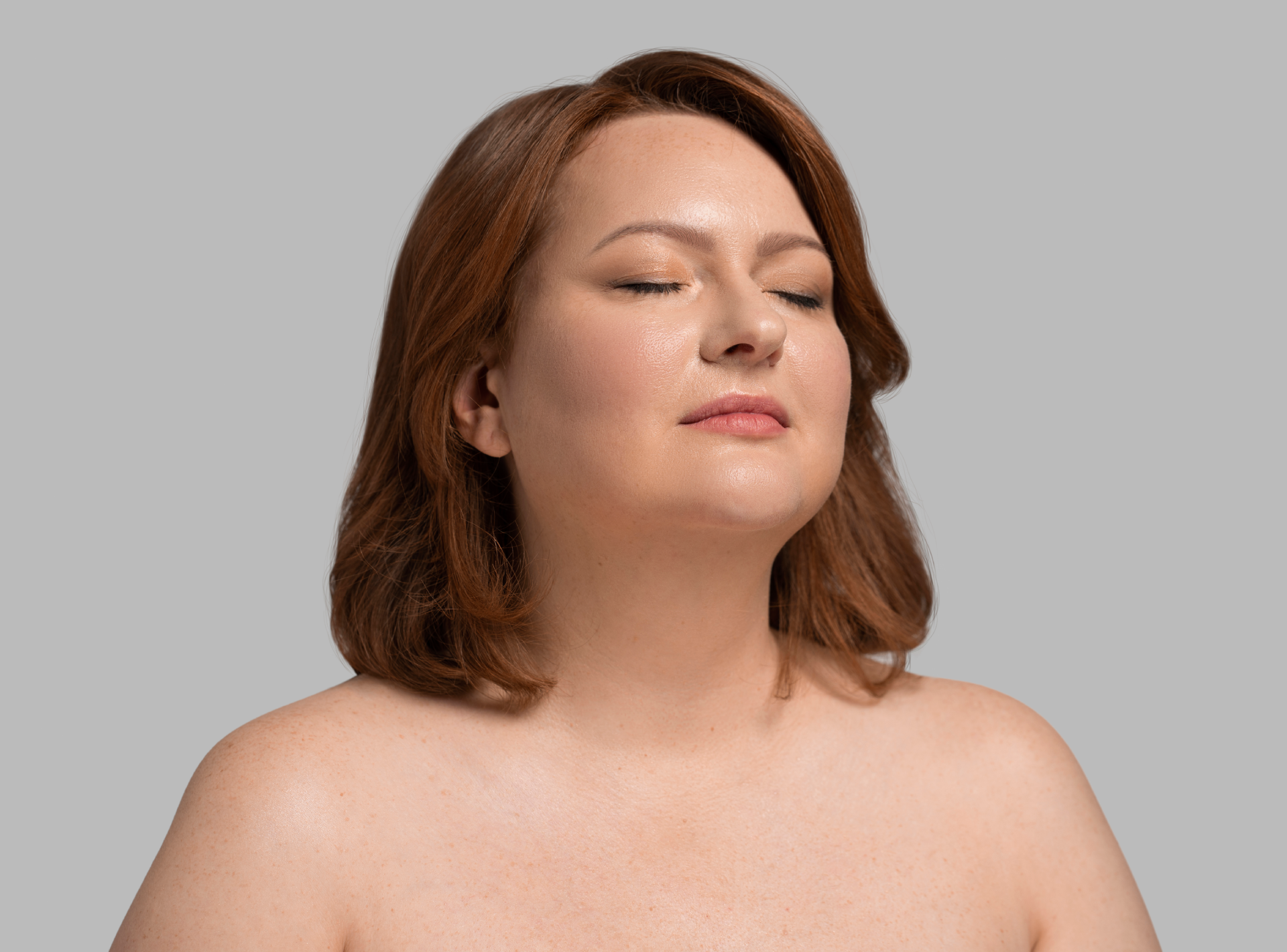
Have you noticed any changes that make you appear older than you actually are, such as wrinkles, hollow cheeks, thin lips, or a loss of facial volume? A facial fat transfer is a type of cosmetic surgery that uses your body’s own fat to revitalize your appearance and restore youthful contours. This natural, safe method can also improve areas that have thinned over time.
The procedure addresses several issues and produces long-lasting results rather than focusing only on one aspect of facial aging. Knowing the recovery period is essential if you’re thinking about getting fat grafting to feel confident about your choice. Let’s examine what to anticipate so that you are ready for your journey.
Facial Fat Transfer In Dubai
Facial Fat Transfer in Dubai is a sought-after cosmetic procedure that utilizes the patient’s own fat to replace lost facial volume. This method entails the meticulous injection of fat from areas such as the abdomen or thighs into the face to enhance the cheeks, under-eyes, and jawline. This is a highly favored option because of its long-lasting effects and natural results. Recovery is essential, as mild swelling, bruising, and tenderness may initially manifest but gradually diminish over the course of a few weeks. Shortly following the procedure, the majority of patients are able to resume their regular activities. Dubai’s state-of-the-art clinics guarantee safe techniques, personalized treatment plans, and expert care during the recovery process. Facial fat transfer is a dependable solution for natural facial rejuvenation, as patients frequently report smoother skin, improved facial contours, and a more youthful appearance.
Fat Transfer In Dubai
Fat Transfer in Dubai is a versatile cosmetic procedure used to improve the appearance of various body parts by utilizing the patient’s own fat. The procedure involves the extraction of fat through liposuction, purification, and reinjection into specific regions, such as the face, breasts, or buttocks. It is regarded as a safe and natural alternative to synthetic fillers. The recovery process is contingent upon the treated area, but it typically involves temporary swelling and bruising that subside over time. The following aftercare instructions are recommended for patients to guarantee long-lasting results and optimal fat survival. Dubai provides state-of-the-art facilities and skilled professionals who personalize each procedure to meet the unique needs of every individual. This treatment improves body contour and enhances volume, resulting in balanced, natural-looking outcomes and increased confidence for patients seeking long-term aesthetic improvements.
How Long Does Swelling Last After Fat Transfer To The Face?
Following a facial fat transfer, swelling is a typical aspect of the healing process for this cosmetic procedure. Within the first four to seven days, the majority of patients experience a reduction in swelling, which enables early indications of their outcomes. Most of the swelling has gone by the four-week mark, though there may still be minor contour changes. Only a small amount of residual swelling is still present after three months, demonstrating the procedure’s refined and long-lasting effects.
Facial Fat Transfer Recovery Time Day-By-Day
Recovery for fat transfer patients is a slow process with significant turning points. Swelling, comfort, and the appearance of your final results all change noticeably with each stage. You can support the best possible healing and long-lasting improvements by being emotionally and physically ready for the process by knowing what usually occurs on a daily basis.
Immediately After Surgery
Day 0 (The Surgery Day)
Patients are observed in a recovery area right after surgery to make sure they are stable before leaving for home. In their thorough aftercare instructions, surgeons stress the value of rest and keeping the head raised to minimize swelling. This allows the body to begin healing in a peaceful, encouraging setting, which is the main goal of this first day.
During The First Few Days
Day 1-3
Swelling and bruising usually peak in the first few days. Some patients have mild to moderate throbbing or aching, which can be treated with cold compresses and prescription painkillers. To aid in the healing process, this period is an important time to rest, stay hydrated, and pay close attention to all post-operative instructions.
By The End Of The First Week
Day 4-7
The bruising and swelling start to noticeably go down by the end of the first week. At this point, many patients can stop wearing any dressings and start practicing gentle hygiene, such as taking showers. Applying antibiotic ointment after cleaning incision sites with hydrogen peroxide encourages healing and lowers the risk of infection. When comfort permits, light activity can frequently be resumed.
Swelling And Bruising Continue To Fade
Week 2:
The face appears and feels more comfortable as swelling and bruising continue to lessen. At this point, many patients feel prepared to resume light activities or non-strenuous work. Since the transplanted fat is still settling, careful adherence to aftercare instructions are still crucial. Refraining from applying pressure to treated areas aids in safeguarding and maintaining the emerging outcomes.
Resume Normal Daily Activities
Weeks 3-4
Most patients can now resume their regular daily activities, including moderate exercise, without experiencing any discomfort. Most of the swelling has gone away, but there might still be some slight residual puffiness. As the transplanted fat integrates, facial contours become more distinct, providing a better indication of the final result. For the best long-term outcomes, consistent aftercare is still important.
Residual Swelling Continues To Diminish
1-3 Months
In this stage, the transplanted fat settles into its new location and any remaining swelling keeps going down. As healing advances, the texture of the skin and the contours of the face become smoother and more refined. Most patients can clearly see their results after three months, though as tissues fully adapt, minor improvements may continue.
Results Are Fully Settled
6 Months
The final volume of the transplanted fat is reached by six months, at which point the outcomes are complete. With improvements that can endure for many years if a healthy lifestyle is maintained, the new facial contours appear harmonious and natural. Patients usually experience smoother skin, more volume, and a revitalized look that improves the overall balance of their faces.
BOOK AN APPOINTMENT TODAY
What To Keep In Mind After Your Facial Fat Transfer Procedure
It’s not enough to simply wait for swelling to go down after a facial fat transfer; you also need to support your progress at every stage. Adhering to the proper aftercare protocols can significantly impact the success of your procedure. These are the essential dos and don’ts to safeguard your investment and guarantee a comfortable, easy recovery.
What To Do After Facial Fat Grafting
Taking proactive measures to take care of your face and general health is the first step toward a seamless and successful recovery. You can help the transplanted fat survive and flourish for long-lasting results by adhering to your surgeon’s instructions and making minor changes to your daily routine.
- Keep your head elevated: To reduce swelling, sleep on your back with additional pillows or in a recliner.
- Follow cleaning instructions: Use only the solutions that are advised, like hydrogen peroxide and antibiotic ointment.
- Stay hydrated and eat nutritiously: A healthy diet promotes tissue repair and general recuperation.
- Use cold compresses: During the first few days, apply gently to minimize swelling.
- Take medications as prescribed: Antibiotics and painkillers should be taken precisely as prescribed.
- Rest adequately: Avoid overdoing it to give your body time to heal.
What To Avoid After Fat Transfer Surgery
Just as crucial as adhering to aftercare guidelines is avoiding specific behaviors and activities. Avoiding these can help safeguard the fragile fat cells and guarantee that they form correctly:
- Do not touch or press on treated areas: Pressure can interfere with the integration of fat cells and impact outcomes.
- Avoid strenuous exercise or heavy lifting: In the early stages, such activities may exacerbate swelling and impede healing.
- Stay out of direct sunlight: UV radiation can hinder skin healing and darken scars.
- Don’t smoke or use nicotine products: Nicotine inhibits blood flow, which is essential for the survival of fat cells.
- Avoid excessive facial movements: Fat placement may be affected by early-stage overuse of facial muscles.
- Refrain from applying unapproved skincare products: To prevent irritation, only use items that your surgeon has approved.
Downtime For Desk Jobs After Facial Fat Transfer
After undergoing facial fat transfer, there is typically minimal downtime, particularly for those who work from a desk. Depending on the severity of the procedure and the patient’s level of comfort, the majority of patients can resume work within a few days. Mild swelling and bruising may still be apparent during the initial week; however, these effects gradually cease. It is advisable to refrain from engaging in stressful activities and to establish a tranquil routine to facilitate the healing process. Elevating the head while sitting and taking brief breaks can assist in the reduction of swelling. After a few days, makeup may be applied with the surgeon’s approval. Adhering to the appropriate aftercare guarantees a smooth recovery and a faster return to daily activities.
Facial Fat Transfer Recovery Tips For Better And Faster Results
The optimal outcomes of a facial fat transfer necessitate appropriate postoperative support. To guarantee the survival of fat, patients should refrain from applying pressure or touching the treated areas. During periods of rest, it is beneficial to elevate the head to mitigate swelling. It is crucial to consume adequate amounts of water and adhere to a nutritious diet to facilitate the healing process. For a minimum of a few weeks, refrain from engaging in strenuous activities and engaging in intense exercise. It is imperative to adhere to the surgeon’s recommendations for skincare and medications. In addition, patients should refrain from smoking, as it can have an impact on fat retention and blood circulation. Attending follow-up appointments guarantees proper monitoring and long-lasting, natural-looking results.
FAQs About Facial Fat Transfer
What Is Involved In A Facial Fat Grafting Procedure?
By transferring fat from one area of the body to the face, a facial fat grafting procedure replaces lost facial volume using sophisticated fat transfer techniques. To obtain the required quantity of fat, the fat transfer procedure starts with liposuction, typically from a donor area like the thighs, hips, or belly. After being harvested, the fat is carefully injected into specific areas of the face after being purified. This methodical approach guarantees a smooth integration of the transplanted fat for long-lasting, natural-looking results.
Is Facial Fat Transfer Better Than Dermal Fillers?
This procedure is a preferred option for facial rejuvenation because it provides longer-lasting results than dermal fillers for many fat transfer candidates. Using your own natural tissue, lowering the chance of allergic reactions, and enhancing facial contours in a way that feels and looks natural are all advantages of fat transfer. Dermal fillers can produce excellent results in the short term, but they need to be maintained on a regular basis. For those looking for long-lasting facial enhancement, fat transfer is a worthwhile investment because the results can last for years despite the recovery period and possible side effects like swelling or bruising.
What Is The Facial Fat Transfer Success Rate?
Facial fat transfer, particularly when performed by a skilled surgeon using sophisticated techniques, yields high satisfaction rates. Studies reveal that a sizable portion of the transferred fat endures over time, producing long-lasting improvements in facial volume and contour, though individual outcomes vary. In fact, the number of fat transfer treatments has increased by 10.5% recently, which is indicative of patients’ increasing confidence in the procedure’s efficacy. Many patients enjoy natural-looking results for years, but success depends on several factors, including surgical skill, patient health, and adherence to aftercare instructions.
MEET THE EXPERT DOCTOR
Best Plastic Surgeon In Dubai For Facial Fat Transfer
Best Plastic Surgeon in Dubai for facial fat transfer is available at the Perfect Doctors Clinic, where Dr. Perfect Celebrity is renowned for producing natural-looking, precise, and advanced aesthetic results. To achieve balanced facial contours, facial fat transfer necessitates a high level of expertise, as it entails the meticulous harvesting, purification, and strategic placement of fat. Dr. Perfect Celebrity employs contemporary methods to guarantee the most effective fat survival and the most enduring results. Personalized treatment plans are administered to each patient in accordance with their aesthetic objectives, facial structure, and overall health. At Perfect Doctors Clinic, patients are provided with state-of-the-art facilities, comprehensive pre- and post-procedure care, and strict safety protocols. The clinic prioritizes patient comfort, natural enhancement, and a smooth recovery. The clinic is a trusted choice for facial fat transfer in Dubai due to its strong reputation for excellence and patient satisfaction, which guarantees results that restore youthful volume, improve facial harmony, and boost confidence.
Schedule A Consultation With A Facial Plastic Surgeon
Selecting a skilled surgeon for your facial fat transfer will maximize your results and guarantee your safety. A competent expert knows how to strike a balance between creativity and accuracy, producing outcomes that look natural while lowering the possibility of issues. This is particularly crucial for procedures that call for precise sculpting to produce long-lasting rejuvenation.
With decades of combined experience in advanced fat grafting methods, our team of board-certified cosmetic surgeons at Perfect Doctors Clinic specializes in facial plastic surgery. We are renowned for our individualized attention, careful technique, and outcomes that accentuate your special qualities.