





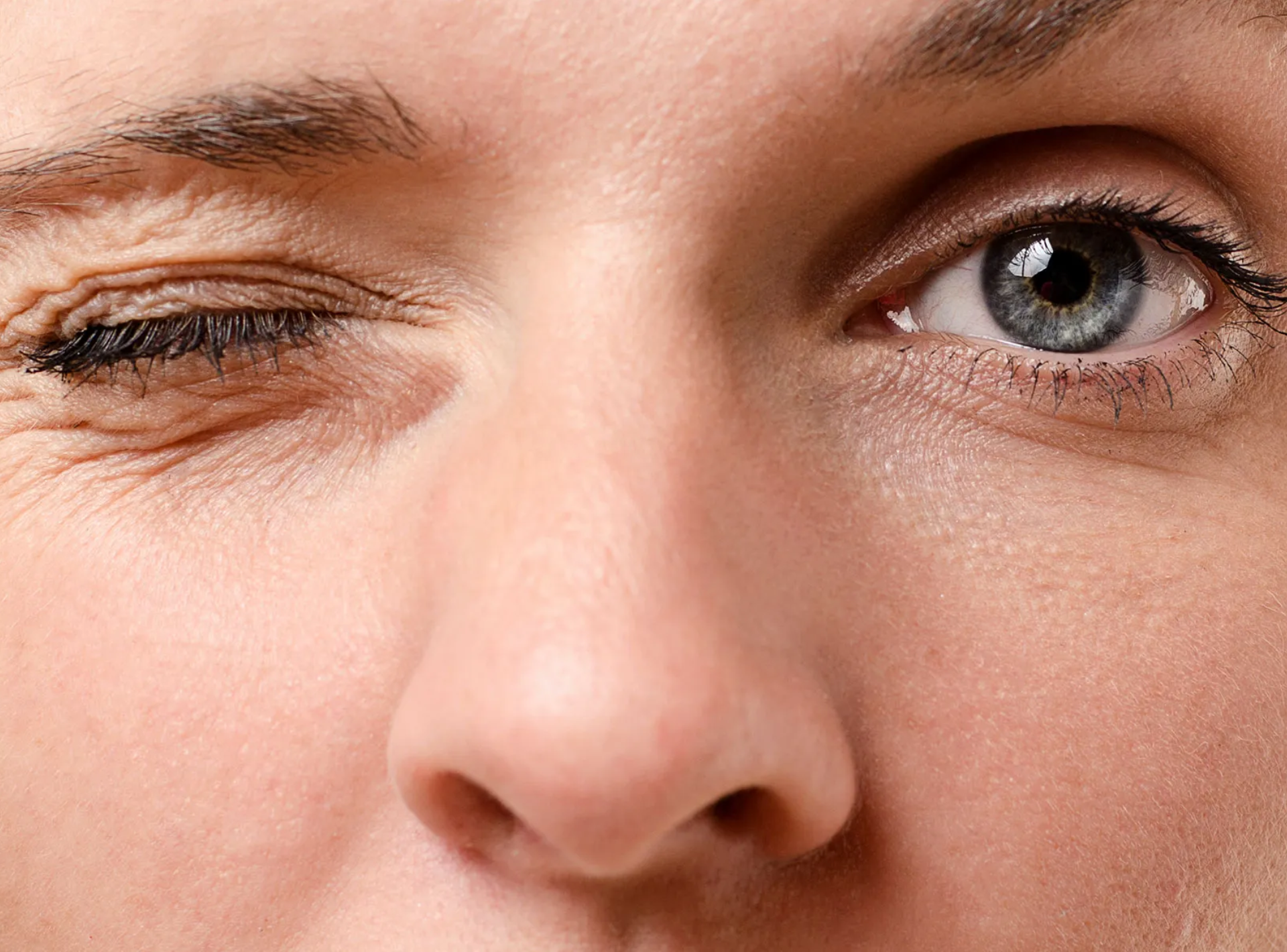
Eye twitching, also known as myokymia, is common. This causes the muscles in the eyelid to contract involuntarily. This can be really frustrating and ruin your day.
There are many reasons why people’s eyelids twitch. Stress, tiredness, or even too much caffeine can cause it. In this article, we will discuss how to stop eye twitching and improve your eye health.
Learning what causes eye twitching can help you to better deal with it. Understanding the triggers and the treatments can help you manage it better.
Eye Twitching In Dubai
Eye Twitching in Dubai is a common condition characterized by involuntary, repetitive eyelid movements that are frequently triggered by stress, fatigue, caffeine consumption, or prolonged screen exposure. In most cases, it is harmless and temporary, resolving on its own in a matter of hours or days. However, persistent twitching may necessitate a medical examination to rule out underlying conditions such as eye strain or neurological causes. Rest, hydration, stress management, and digital eye strain reduction are the primary treatment goals. Most patients experience quick relief and improved eye comfort after making appropriate lifestyle changes and receiving proper care.
Understanding Eye Twitching Causes
There are many causes of eye twitching. Knowing these can help to find good treatments. Many people don’t know what causes it. Knowing these causes is important for good management of the condition.
Common Triggers Of Eye Twitching
Eye twitching is usually caused by a few common things. There are a few of the big ones:
- Stress: Stress causes muscles to tense and spasm.
- Lack of Sleep: If you don’t sleep enough, your body can twitch.
- Excessive Caffeine or Alcohol Intake: Too much Caffeine or Alcohol An excess of either one can overstimulate the nerves.
- Prolonged Screen Time: Too much time in front of a screen can strain the eyes.
- Environmental Irritants: Bright lights, wind may worsen symptoms.
When To Seek Medical Attention
Knowing when to see a doctor about eye twitching is an important thing. Some symptoms require a doctor’s help, such as:
- Twitching that doesn’t go away after a week or more.
- Twitching and other nerve symptoms, such as drooping eyelids.
- Jerking that radiates to other parts of the face.
Understanding these signs will help you determine when to try home treatments and when to see a doctor.
Eye Twitching – Recovery Options
There are plenty of ways to deal with eye twitching. Home remedies, stress management and changes in diet can be helpful. These steps can help relieve symptoms and improve eye health.
Home Remedies For Eye Twitching
Home remedies for eye twitching. Warm compresses to relax the muscles. Stay hydrated. This helps keep your eyes moist and helps prevent twitching.
It is important to take breaks from your screen to help prevent eye strain. Gentle massage of the eyelids can also help to release some tension.
Stress Management Techniques
Controlling stress is essential to decrease eye twitching. Mindfulness helps you to stay calm and focused. Yoga and regular exercise also help release relaxing hormones.
People who manage stress may experience fewer and less severe eye twitches.
Dietary Changes For Eye Health
Good nutrition is important for eye health. A diet rich in vitamins and minerals is good for the eyes. Especially good are foods high in magnesium, potassium and omega-3s.
Eating the right foods can help prevent eye twitching. This is a long term strategy to keep eyes healthy.
Long-Term Strategies For Prevention
Long-term strategies are needed to keep eye twitching from returning. One major change is to stick to a regular sleep schedule. A good night’s sleep helps the body to heal itself and is beneficial to eye health. To help fight off stress that can cause twitching, get 8-9 hours sleep each night.
Also, taking breaks when you’re on screens is so important. Use the 30-30-30 rule to help reduce eye strain. Or make your workspace better with less glare and good lighting.
It’s also good to stay hydrated and cut down on caffeine and alcohol. Dehydration and too much caffeine can cause your muscles to twitch. And regular eye exams are also smart. They help find and treat eye problems early. These steps will help prevent twitching and keep your eyes healthy.
The information on our website is not intended to lead people to diagnosis and treatment. Do not do all your diagnosis and treatment procedures without the consultation of your doctor. The contents do not include information about the therapeutic health services of Perfect Doctors Clinic.
BOOK AN APPOINTMENT TODAY
Average Recovery Time Eye Twitching
The average recovery time for eye twitching is short, depending on the cause. Most cases resolve within a few hours to a few days, particularly if caused by stress, fatigue, or caffeine. If the twitching is caused by eye strain, recovery may take several days with adequate rest and reduced screen time. Chronic cases caused by underlying conditions can take longer and necessitate medical intervention. Maintaining adequate sleep, hydration, and eye care significantly accelerates recovery. In most cases, eye twitching goes away on its own without treatment, making it a temporary and harmless condition.
Your First 24 Hours Of Eye Twitching Recovery
Symptoms of eye twitching may appear and disappear intermittently during the first 24 hours, with mild, involuntary eyelid movements most common. This is commonly associated with stress, a lack of sleep, eye strain, or excessive caffeine consumption. Resting the eyes, limiting screen time, and staying hydrated can help alleviate twitching. Warm compresses may also help to relax the eye muscles. Most cases do not worsen during this time and begin to improve with proper treatment. If symptoms last more than a day or become more frequent, they may indicate underlying fatigue or irritation that requires attention.
Stages Of Healing After Eye Twitching
Eye twitching does not follow strict healing stages like surgical recovery, but rather progresses in phases. Initially, twitching may be frequent as a result of stress, fatigue, or eye strain. In the following phase, symptoms subside as rest, hydration, and reduced screen exposure are implemented. Finally, once triggers are effectively managed, the twitching gradually stops. Mild recurrence is possible in some cases if lifestyle factors are not addressed. Overall, improvement is dependent on identifying and eliminating the cause rather than a set healing timeline, making lifestyle changes the most important factor in recovery.
Swelling, Bruising, And Scarring After Eye Twitching
Eye twitching is not a surgical condition or injury, so there is no swelling, bruising, or scarring. It is a temporary, involuntary muscle spasm of the eyelid. In rare cases of prolonged or severe irritation, excessive rubbing or strain can cause mild eye fatigue or slight redness. These effects are temporary and disappear quickly with rest. Unlike medical procedures, eye twitching does not cause any physical damage to the skin or tissues. Proper rest, reduced screen time, and stress management all help to prevent recurrences while having no long-term effects on the eyes.
Downtime For Desk Jobs After Eye Twitching
Because eye twitching does not physically restrict normal activities, desk jobs usually do not require any downtime. The majority of people can resume their work immediately. However, prolonged screen time, stress, and a lack of rest can exacerbate symptoms. Taking short breaks, following the 30-30-30 rule, and reducing digital eye strain can all help you feel more comfortable at work. In mild cases, symptoms may subside without impairing productivity. If the twitching persists, taking a short break or limiting screen time may help. Overall, eye twitching rarely disrupts office or desk-based work routines.
Eye Twitching Recovery Tips For Better And Faster Results
To recover faster from eye twitching, prioritize proper rest and sleep to relieve eye strain. To relax your eye muscles, limit your screen time and apply the 30-30-30 rule. Reduce your caffeine intake, as it can cause or worsen twitching. Deep breathing and meditation are two relaxation techniques that can help you manage stress. Stay hydrated and eat a balanced diet high in magnesium and vitamins. Warm compresses can help to relax the eyelid muscles. Avoid rubbing your eyes and use proper lighting while working. These simple lifestyle changes significantly accelerate recovery and help prevent recurrence.
MEET THE EXPERT DOCTOR
Eye Twitching Recovery Dos and Don’ts
Eye Twitching Recovery Dos and Don’ts
- Get enough sleep and rest your eyes regularly.
- Limit screen time and follow eye-break rules.
- Stay hydrated and manage stress effectively.
- Apply warm compresses as needed.
- Limit caffeine and energy drinks.
- Avoid rubbing or straining your eyes frequently.
- Don’t ignore persistent or worsening symptoms.
- Limit screen time and take breaks.
Best Aesthetic Clinic In Dubai For Eye Twitching
Best Aesthetic Clinic in Dubai for eye twitching is Perfect Doctors Clinic, where Dr. Perfect Celebrity provides expert evaluation and personalized care. Eye twitching recovery options concentrate on identifying triggers such as stress, fatigue, or eye strain and providing specific solutions. Treatment may include lifestyle changes, eye relaxation techniques, and, if necessary, medical advice. With proper care, most cases improve quickly. The clinic prioritizes patient comfort, accurate diagnosis, and effective recovery strategies to provide long-term relief and improve eye health outcomes.