





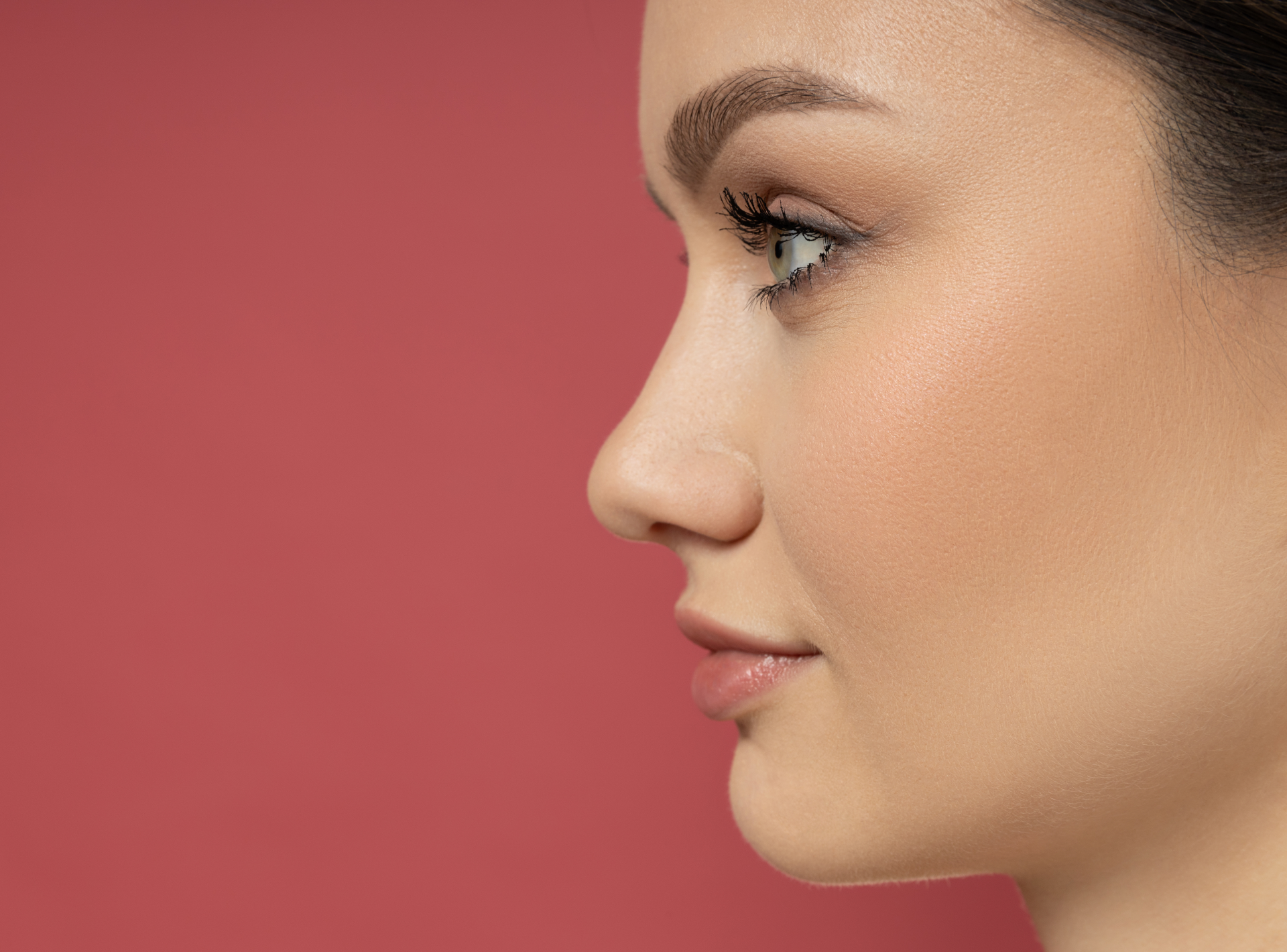
Rhinoplasty, or a nose job, changes the shape of the nose and requires time to heal, during which the nose will swell in different ways. After this surgery, it is normal for the area to swell. Dr. Perfect Celebrity, who has a lot of experience in this field, gives important information about what patients can expect during their recovery from rhinoplasty.
Knowing the different stages of swelling is important for having realistic expectations and can help the recovery process go more smoothly. Dr. Perfect Celebrity’s advice helps patients deal with the weeks after surgery and see the results of their procedure more clearly.
Rhinoplasty In Dubai
Rhinoplasty in Dubai is a popular cosmetic procedure that improves the shape, size, and balance of the nose. Understanding the stages of swelling following rhinoplasty is critical for establishing realistic expectations. Swelling is most noticeable in the first week, particularly around the nose and eyes, and then gradually subsides over the following few weeks. However, subtle swelling, particularly at the nasal tip, can last for several months before completely resolving. Most patients are able to resume normal activities within 2 to 3 weeks, and the final results improve with proper care and patience.
Understand Rhinoplasty Swelling Phases
- After rhinoplasty, swelling happens in stages. Right after surgery, the swelling is most noticeable, but it gets better over time.
- The first three days after surgery are when the swelling and bruising are at their worst. This is normal for the healing process.
- Most swelling goes down a lot in the first month, but small changes and reductions can last for up to a year.
- Putting your head up and using cold compresses can help with swelling in the first few days of recovery.
- It can take up to a year for the swelling to go down completely, but the final results of a rhinoplasty are usually clear after that.
Pre-Operative Expectations And Preparation
- Rhinoplasty Recovery Process: Keep in mind that each rhinoplasty patient’s recovery is different, and your surgeon will give you personalized advice.
- Consultation: The skilled surgeon sets clear expectations for both the rhinoplasty surgery and the recovery during the consultation.
- Type of Rhinoplasty: Make sure you know if you need primary rhinoplasty or revision rhinoplasty, and talk about the details, such as the option of closed rhinoplasty to reduce scarring.
- Personalization: Rhinoplasty is done to meet each person’s needs, so talk about your concerns during virtual consultations.
- Post-Operative Swelling: Learn about common things like swelling so you can better predict the results of the rhinoplasty procedure.
- Pre-Surgery Instructions: Follow these pre-surgery instructions for a successful rhinoplasty journey: get plenty of rest, stop taking certain medications, and make changes to your diet, especially if you choose a closed rhinoplasty approach.
Following the instructions before surgery is very important for a successful rhinoplasty. The closed rhinoplasty method may need some special preparations to get the best results. For a smooth experience, do exactly what your surgeon says.
The first two days after a rhinoplasty are very important for making sure the recovery goes smoothly. Follow the post-operative care instructions carefully to help with the initial swelling and pain during this time. This can have a big impact on the outcome.
- Ice Packs: Put ice packs on your cheeks to help keep the swelling down. Make sure not to touch the sensitive area of your nose directly.
- Nasal Drip Pad: Use a nasal drip pad to soak up any drainage. Gently change the pad so that it doesn’t hurt your nose.
- Pain Management: After rhinoplasty, you should expect some pain. Follow the surgeon’s instructions for taking your medicine to help with pain.
- Resting Position: While you rest, keep your head up. This helps reduce swelling and lowers the risk of bleeding.
Following these steps will help you heal faster after rhinoplasty. During post-op visits, health professionals will keep an eye on the patient’s progress, paying special attention to the health of their nose and their overall recovery. Following these care instructions as part of your daily routine will help you recover in the days after surgery.
Immediate Post-Operative Phase (1-2 Days)
The first week after rhinoplasty is very important for dealing with the swelling that happens right away. Every day after the procedure, it is important to check that the swelling is going down. After the surgery, swelling usually peaks in the first few days. This is normal and to be expected during the early stages of care.
To properly handle the stage of acute swelling:
- Keep the head elevated: At all times, even when you sleep, to keep fluid from building up around the surgery area.
- Use saline nasal spray: To keep the nasal passages moist. This helps them heal and keeps sensitive inner nasal tissues from getting irritated.
- Apply cold compresses: Helpful for reducing sudden swelling, but don’t put ice directly on the skin to avoid burns.
After rhinoplasty, especially in the first eight days, it is very important to follow these steps carefully. Patients can better deal with swelling and move through the rhinoplasty recovery stages more easily by following these steps.
The Acute Swelling Stage (3-8 Days)
After a rhinoplasty, the subacute swelling phase starts at the end of the first week and can last for up to four weeks. Some important things to remember are:
- Noticeable Swelling Decrease (1–3 weeks): At first, the swelling from the surgery goes down, and you can see changes in the shape of your nose.
- Residual Swelling Management (3-4 weeks): Residual swelling becomes less noticeable but still exists. It may also cause nasal congestion, which can be treated with a nasal spray if the surgeon agrees.
- Week by Week Progress: You can see small changes, and the shape of your nose becomes more defined as you slowly start to do light exercise again.
- Exercise Integration: By the end of the fourth week, you might be able to start doing moderate exercise, but you should follow your surgeon’s recovery plan to make sure you heal properly.
During this time, you need to be patient because the swelling will take a long time to go down, which will help the rhinoplasty get better week by week until the final result. Every step you take brings you closer to getting the full benefits of the procedure.
Subacute Swelling Phase (1-4 weeks)
Patients will see changes in their swelling during the intermediate phase of swelling after rhinoplasty. These changes can happen from day to day. Around four to five weeks after the procedure, the swelling usually goes down a lot.
After the procedure, from weeks 4 to 7:
- To keep the swelling from getting worse, don’t do hard things like heavy lifting, weight-bearing exercises, or hard workouts.
- Eat a lot of foods that fight inflammation and have all the nutrients your body needs to heal.
- Make sure to drink a lot of water to help reduce swelling and speed up your recovery.
Following your surgeon’s advice during this time is very important for getting the best results from your rhinoplasty. Follow the recovery plan that was given to you, pay attention to what your body is telling you, and talk to your surgeon about any swelling or other problems you have after the surgery.
Intermediate Swelling Phase (4 Weeks To 4 Months)
- 4-7 months after rhinoplasty: The swelling, especially around the bridge of the nose, goes down a lot, which helps shape the nose. During this time, a healthy diet and plenty of sleep help the body heal.
- 14-20 Months Post-Procedure: The nose structure should look very much like it will in the end. However, there may still be some small changes, especially for people with oily skin, since thicker skin takes longer to adjust to the new shape.
Ongoing Care Considerations:
- Keep the nose safe from harm and very hot or cold weather.
- Maintain regular check-ups with your surgeon to monitor healing.
- Take care of any bruises or swelling that won’t go away.
- If you need to, make a routine for your skin type to deal with oily skin.
- Do light exercise, but stay away from contact sports to avoid getting hurt.
- For the best recovery, follow your surgeon’s advice closely.
BOOK AN APPOINTMENT TODAY
Long-Term Healing And Swelling Resolution (4-14 Months)
Most people see the final results of their rhinoplasty a year after the surgery. Getting to the one-year mark is important because it means that the nose has fully healed and taken on its new shape. By this point, the swelling that may have changed the shape of the nose has usually gone down, making it possible to see the finer details of the surgery.
- The rhinoplasty recovery timeline goes up to a year after the surgery, which means that the healing stages are over.
- Most of the time and stages of recovery from rhinoplasty happen in the first few months after the surgery. However, it’s important to remember that small changes can keep happening after this time.
- At this point, checking the nose after rhinoplasty helps patients see how well the procedure met their goals.
This is the best time to talk to your surgeon about any problems or dissatisfaction with the way your nose looks or anything else that makes you think you need to make changes after surgery. This is also a good time to look at the long-term results and deal with any last-minute worries about finishing the healing stages after a year.
Beyond One Year: Evaluating The Final Outcome
Beyond a year after rhinoplasty, the nose has typically reached its final shape, with swelling gone and tissues completely settled. At this point, patients can accurately assess the outcome, which includes contour, symmetry, and overall facial harmony. By this point, any minor stiffness or numbness should have significantly improved. The results should appear natural and consistent, reflecting the surgical objectives. Regular follow-ups help to ensure satisfaction, and minor revisions can be discussed if necessary, though they are rarely required when proper healing and aftercare are consistently followed.
Downtime For Desk Jobs After Rhinoplasty
The downtime for desk jobs following rhinoplasty is usually 2 to 3 weeks. Most patients can return to work once the splint is removed and swelling subsides, though mild bruising may remain visible during early recovery.
Rhinoplasty Recovery Tips For Better And Faster Results
Keep your head elevated, apply cold compresses to reduce swelling, avoid strenuous activities, take prescribed medications, stay hydrated, and schedule follow-up appointments. Proper rest and aftercare can help speed up healing and improve overall results.
Rhinoplasty Recovery Dos And Donts
Follow your surgeon’s instructions, protect your nose, and rest properly. To avoid complications, do not touch or blow your nose, avoid strenuous exercise, and refrain from smoking or drinking alcohol during the early stages of healing.
MEET THE EXPERT DOCTOR
Best Plastic Surgeon In Dubai For Rhinoplasty
Best Plastic Surgeon in Dubai for rhinoplasty is available at the Perfect Doctors Clinic, where Dr. Perfect Celebrity is well-known for delivering precise and natural-looking nose reshaping results. Understanding the stages of swelling after rhinoplasty is critical for patients, as initial swelling and bruising are most visible in the first week and gradually improve in subsequent weeks. Subtle swelling, particularly at the nasal tip, can last for several months before completely resolving. With expert care, proper aftercare guidance, and regular follow-ups, patients can expect a quick recovery and beautifully refined, long-lasting results.
Conclusion
It’s a good idea to meet with Dr. Perfect Celebrity if you need expert advice on nose surgery and how to get better after it. He’s a very skilled facial surgeon who is known for getting results that look natural. Dr. Perfect Celebrity is a nose surgeon who knows how to meet the needs of each patient. This makes him a good choice in Dubai.
Call Perfect Doctors Clinic to set up a consultation to learn more about your options and how to get ready for your surgery with peace of mind.