





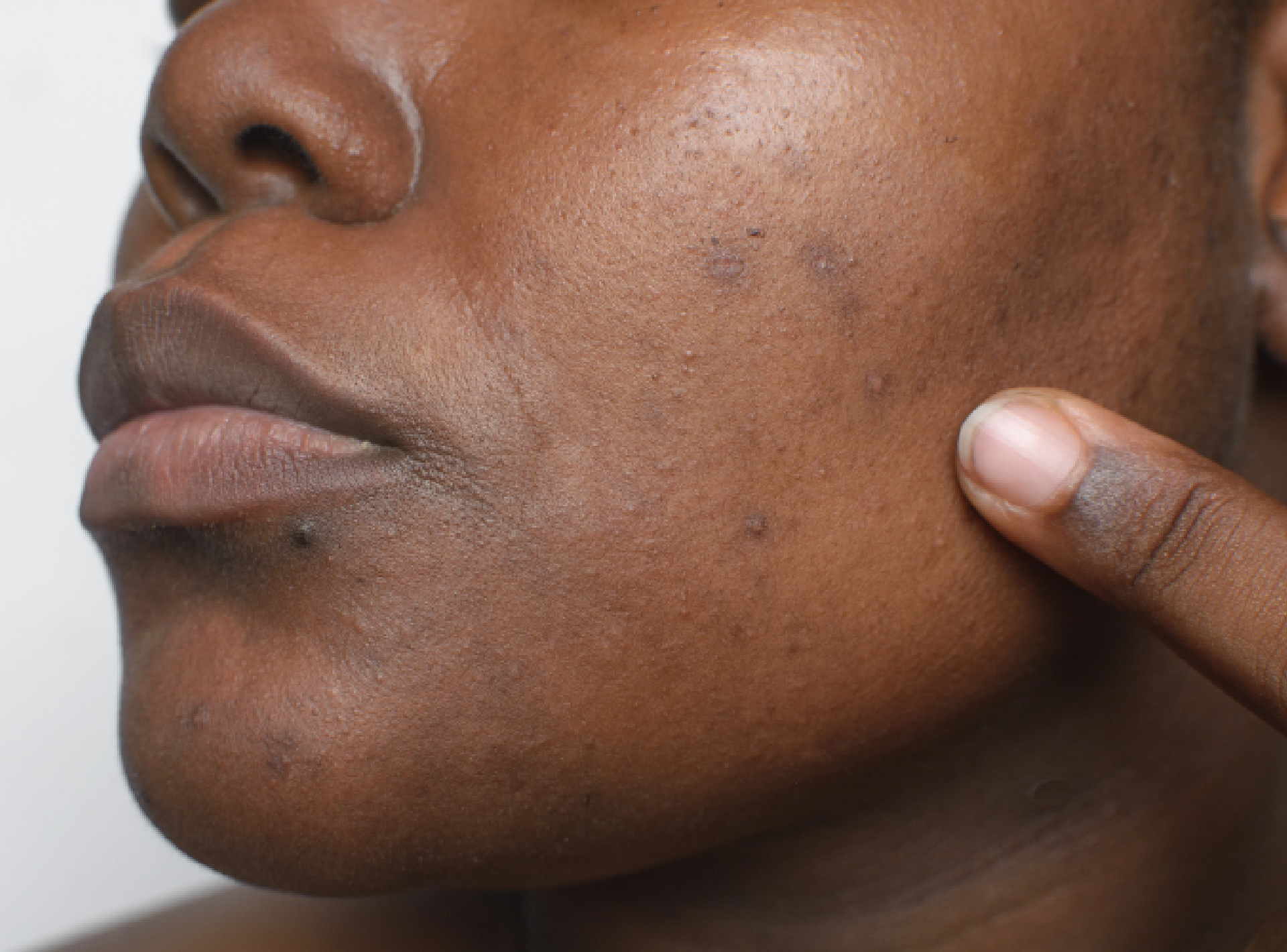
Do you have dark spots on your skin that you find difficult to remove?
One of the main issues with women’s skin is hyperpigmentation. Patches of skin that are darker than their surroundings are a common but benign condition. This condition happens when deposits of melanin, the brown pigment that gives skin its typical color, are in excess.
A buildup of darker cells happens in areas that receive too much sun, acting as a protective layer.
Other factors that can cause hyperpigmentation include hormonal changes, acne, genetics, and improper skincare practices.
Hyperpigmentation Treatment In Dubai
Hyperpigmentation treatment in Dubai is to address and resolve problems like dark spots, discoloration, and uneven skin tone. Numerous factors, including aging, sun exposure, hormonal changes, and the presence of unhealed acne scars, often trigger these issues. Depending on the kind and severity of the condition, different pigmentation treatments are available. Chemical peels, laser therapies, and targeted topical formulations are a few possible treatments. Chemical peels can encourage the production of new, uniformly pigmented cells by exfoliating the skin’s outermost layers. Laser treatments target the skin’s deeper layers, reducing pigmentation and improving the skin’s texture. This effect is achieved by breaking down too much melanin and promoting the synthesis of collagen. Dr. Perfect Celebrity makes sure that each treatment at the Perfect Doctors Clinic is customized for each patient, considering their lifestyle, skin type, and level of pigmentation, among other things. Patients frequently report that their skin is smoother, more evenly toned, and brighter after receiving several treatments. Because of this, hyperpigmentation treatments are a crucial way to achieve radiant skin in Dubai’s sunny climate.
Treating Hyperpigmentation
While there are numerous approaches to treating hyperpigmentation, it’s crucial to select one that successfully targets pigmented skin and produces long-lasting effects.
For tough and hyperpigmented skin, our dynamic facial skin restoration procedure, Nimune Glycolic Treatment, is highly recommended.
How Does Nimune Glycolic Treatment Work?
Melanin overproduction is the main cause of hyperpigmentation. By blocking the tyrosinase enzyme, the glycolic peel prevents the skin from making too much melanin and protects it from harmful things like UV radiation.
Additionally, the peel’s active ingredients aid in preventing and minimizing free radical-induced skin damage.
Results To Expect
- Reduction of the current hyperpigmentation
- Decrease in the new pigmentation’s appearance
- Enhanced consistency of the skin tone
- Enhanced brightness and clarity
- Softer, smoother skin
- An improvement in the general health of the skin
Additionally, fatigued and acne-prone skin respond best to the Nimune Glycolic Acid Treatment. We tailor the treatment to your skin type for better outcomes.
What Causes Hyperpigmentation?
Melanocytes are special cells that make melanin, a natural pigment that gives skin its color. Damage, overactivity, or poor health can cause these skin cells to produce excessive amounts of melanin. This extra pigment can build up in certain places, making those patches of skin darker than the rest. Any part of the body can have hyperpigmentation, but it is usually most noticeable on the face, the hands, and places that receive a lot of sun.
Hyperpigmentation can happen for several reasons:
- Adrenal disorders: Addison’s disease is one example of a condition that doesn’t let the body make enough cortisol. This procedure can lead to dark patches on the skin because of more melanin being made.
- Genetics: Individuals are more likely to develop hyperpigmentation if their family has a history of freckles or naturally uneven skin tone.
- Hormone changes: Hormonal changes during puberty and pregnancy, as well as some medical conditions, can cause the body to produce more melanin. Such pigmentation can lead to melasma.
- Injury to the skin: Post-inflammatory hyperpigmentation can happen after cuts, burns, acne, or other injuries. Such pigmentation causes dark marks on the skin that last after the injury has healed.
- Medications: Some drugs, like photosensitizing drugs and birth control pills, can make you more likely to get dark spots.
- Vitamin deficiencies: Uneven skin color may be caused by a lack of important nutrients like folic acid or vitamin B12.
- Sun damage: Spending a long time in the sun can cause solar lentigines, also known as sun spots or age spots. This effect is because UV rays can increase the production of melanin.
- Thyroid disorders: An imbalance in thyroid function can change the color of your skin and make certain areas darker.
The first step to stopping and treating hyperpigmentation is to understand what causes it. Identifying the underlying factor makes it possible to use targeted treatments that not only reduce dark spots that are already there but also help stop pigmentation issues from happening in the future.
BOOK AN APPOINTMENT TODAY
Types Of Hyperpigmentation
Hyperpigmentation is when excess melanin darkens some skin areas. Some kinds appear naturally as a person gets older or with exposure to sunlight and are not dangerous. Others may be caused by health problems, changes in hormones, or past injuries to the skin. It is easier to figure out what kind of treatment and prevention people need when you know about the different types.
The most common kinds of hyperpigmentation are:
- Freckles (ephelides): These are small, tan or brown spots that show up in childhood on the face, arms, and other parts of the body that get sunlight. If you stay in the sun for a long time or when it’s hot, your freckles will usually get darker and more numerous. On the other hand, they will often lighten or fade in the winter. Usually, freckles don’t cause any problems, but some people might not like how they look.
- Age spots (solar lentigines): These spots are bigger than freckles and are usually tan to dark brown. They are most often seen on adults. They are caused by the sun’s rays building up over time or by past sunburns. They usually show up on the face, forearms, chest, and tops of the hands. Age spots are not dangerous, but they may be a sign that you have long-term damage from the sun.
- Melasma: This hyperpigmentation, which causes dark patches on the face that aren’t the same color all over, usually affects women in their 21s and 31s These patches are usually on the cheeks, forehead, and upper lip. You can get melasma if you are exposed to the sun or if your hormones change (like when you are pregnant or use birth control), and it can also happen if it runs in your family.
- Maturational hyperpigmentation: This type makes areas that are exposed to the sun slowly get darker. It is often seen in adults with dark skin on the sides of their face. It tends to show up in people who have a lot of sun exposure or have certain metabolic conditions, and it usually appears when they are adults.
- Periorbital hyperpigmentation: Also called dark circles, the condition is when the skin around the eyes gets darker because of genes, thin skin, or uneven pigmentation.
- Acanthosis nigricans: With this condition, the skin darkens and thickens in places where it folds or rubs together, like the groin, armpits, and neck. People who don’t respond to insulin, are very overweight, or have type 2 diabetes often have it.
- Post-inflammatory hyperpigmentation: This type happens after the skin becomes inflamed, hurt, or irritated. It leaves darker spots after burns, wounds, acne, or rashes heal. It can happen anywhere on the body because it is one of the most common types.
Each kind of hyperpigmentation has its own unique causes and patterns. Knowing this is important for making beneficial choices about prevention and treatment. Topical therapies, laser treatments, and professional skin care are all options.
How Can I Prevent Hyperpigmentation?
You can’t always stop hyperpigmentation from happening, but keeping your skin safe from the sun helps:
- Put sunscreen on each day. Pick one that is broad-spectrum, meaning it blocks UVA and UVB rays with an SPF of 40 or more.
- Don’t spend too much time in the sun.
- Use physical blockers like zinc oxide or titanium dioxide.
- Wear hats and protective clothing.
MEET THE EXPERT DOCTOR
Best Aesthetic Clinic In Dubai For Hyperpigmentation Treatment
Best Aesthetic Clinic in Dubai for hyperpigmentation treatment is Perfect Doctors Clinic, which offers a wide range of solutions under the guidance of professionals for those looking for results that are safe, professional, and effective. This clinic is the best choice for those seeking safe, competent, and efficient results. To treat the problem of hyperpigmentation and ensure that the results will last, Dr. Perfect Celebrity, who works at the Perfect Doctors Clinic, uses the most up-to-date technology, treatments that have been shown to be effective in clinical trials, and individualized care. Patients receive a customized treatment plan that takes into account the pigmentation of their skin. Additionally, this course of treatment helps shield them from future skin discoloration. This plan may include various treatments, including topical therapies, chemical peels, and cutting-edge laser treatments. This clinic focuses on the importance of hydration, skin health, and rejuvenation. Thus, it can ensure that all clients leave with smoother, more even-toned, and brighter skin. The clinic’s all-encompassing approach to the issue includes skin rejuvenation and hyperpigmentation treatment, both of which help to restore, protect, and improve the skin.