





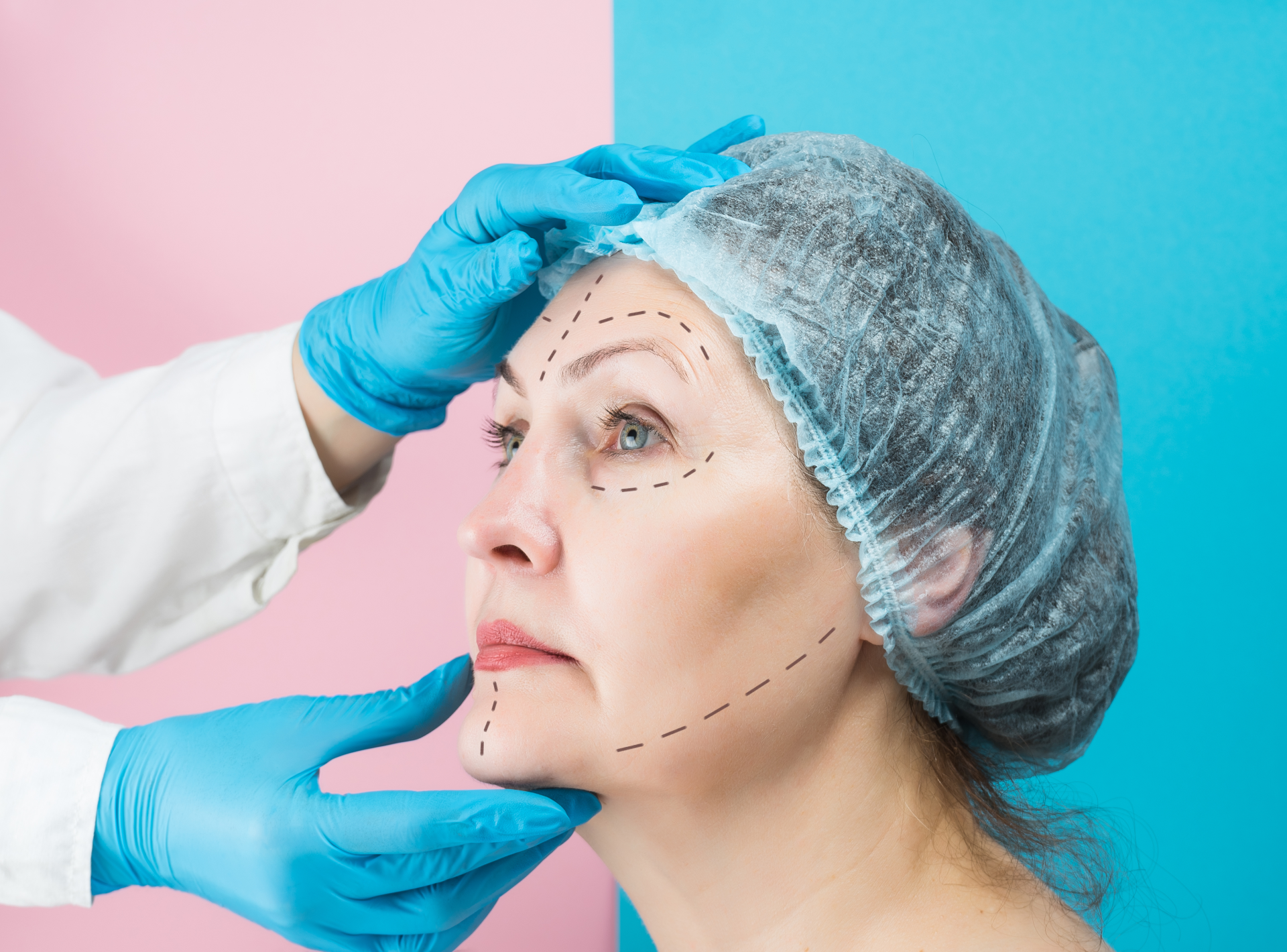
After facelift surgery, bruising and swelling are common. Even though bruises after facelift surgery go away on their own, they can be annoying and embarrassing. You can’t know for sure how badly you’ll bruise, but there are things you can do to lower the risk and length of skin discoloration after the procedure. This is everything you need to know about bruising and facelift surgery.
Facelift In Dubai
Facelift in Dubai is a cosmetic surgical procedure designed to reduce visible signs of aging on the face and neck, creating a smoother, tighter, and more youthful appearance. It primarily targets sagging skin, deep wrinkles, jowls, and loss of facial volume that occur naturally with age, genetics, or lifestyle factors. During a facelift, excess skin is removed, underlying tissues are repositioned, and the facial contours are refined to restore a balanced and rejuvenated look. Facelifts can be customized based on individual needs, and in some cases, they are combined with complementary treatments such as neck lifts, eyelid surgery, or non-surgical procedures for optimal results. The procedure improves both aesthetics and confidence, helping patients feel refreshed and more youthful.
Why Bruising Occurs After Surgery
Bruising is just one way that the body reacts to an injury. After surgery, bruising usually happens near the incision sites or where the structure has changed. After a facelift, bruises are common around the eyelids, the middle of the face, around the cheeks, and the lower face and neck.
A bruise happens when small blood vessels called capillaries get hurt and let a small amount of blood out that stays under the skin. Bruises can be yellow, green, purple, blue, or black. When bruises heal, they usually change color from dark to light.
When the body is inflamed after surgery, it naturally causes swelling. This is because fluid builds up. The flow of fluid to an area helps it heal faster.
It’s normal for bruises to happen after a facelift, and they don’t always mean something is wrong. But if your bruises get darker, bigger, or hurt more over time, it’s best to tell your surgeon.
When Bruising Becomes Abnormal
Severe pain, swelling, or bruising that gets worse over time may mean you have a hematoma. When blood builds up under the skin, it puts pressure on the tissues.
If you have severe pain that is worse on one side of your face than the other, you should also see a doctor. But bruises don’t have to be the same on both sides. A facelift procedure affects both cheeks the same way, but you could have a bruise on one cheek and not the other.
Will I Bruise After My Facelift?
Some patients have more bruising after surgery than others. You can’t always tell if you’ll get bruises. Older people are more likely than younger people to get bruises. If you tend to bruise easily after small bumps or injuries, you may also be more likely to get bruises. Lastly, the type of facelift technique used may also affect how bad the bruising is.
How Long Does Bruising Last?
There will be a lot of swelling for a few days after your facelift, but it should go down quickly after that. Most patients notice that the swelling goes down within the first few weeks after surgery.
It’s harder to guess when bruises will happen. After two weeks, dark bruises usually change color and start to fade. After a month, bruises should be hard to see, especially if you cover them up with light makeup.
Post Facelift Discoloration
After your facelift, you may also notice other types of discoloration besides bruising.
Post-Inflammatory Hyperpigmentation
Post-Inflammatory Hyperpigmentation, or PIH, is when the skin around the incision site gets darker. The most common cause of hyperpigmented scars is being in the sun. To avoid PIH, follow your doctor’s post-operative care instructions and stay out of the sun.
Hemosiderin Staining
Hemosiderin staining is the yellowish or dark color that stays after the bruise has healed. This is most common in people who have had very bad bruises. It may take several months for the body’s immune system to break down the discoloration. Laser treatment can sometimes speed up the fading of hemosiderin stains.
Spider Veins
People with thin or light skin may see more spider veins after having a facelift. This usually goes away on its own in six months. Laser treatment is an option if your spider veins don’t go away.
How To Minimize Bruising After Your Facelift
To lower the chance of bruising and swelling after your facelift surgery, think about the following:
- If your primary care doctor or cardiologist says it’s okay, stop taking blood thinners 9 days before surgery.
- Follow your surgeon’s post-operative care instructions very carefully.
- Rest a lot for the first two weeks after your surgery.
- For at least the first week after surgery, keep your head higher than your heart.
- Start walking lightly as soon as you can to keep your blood flowing (usually, you can do light exercise two weeks after surgery).
- While you heal, drink plenty of water and eat a healthy diet low in salt.
- Patients with severe enough bruising may be able to get laser treatments that make the bruises look much better and last less time, but this is not usually necessary.
Covering Bruises with Makeup
Most doctors say that you should take two weeks off from work to let the bruises and swelling go down before you start working out again. Putting makeup on your bruises can make you feel less embarrassed and more confident when you’re ready to go out.
- Before putting makeup on your face, see your doctor to make sure you don’t have an infection.
- Find a professional cosmetologist who can help you choose the best tones for your skin.
- Pick thick formula foundations for better coverage and to stick better to scar tissue.
- To avoid irritation, choose products that are hypoallergenic, non-comedogenic, and fragrance-free.
- If you notice redness, itching, or any other signs of irritation or an allergic reaction, stop using makeup.
After facelift surgery, bruising and swelling usually go away in four to six weeks. As the bruises fade, it will be easier to hide them with makeup, which will let you show off your younger, more vibrant face.
BOOK AN APPOINTMENT TODAY
The Importance of Proper Aftercare Post-Facelift Surgery
Bruising, which is essentially blood within the tissues, is the result of the manipulation of the facial tissues during a facelift, as the blood vessels that run within the separated tissue planes are cut. Swelling is a physiological response to injury. Inflammation is the term used to describe this phenomenon. The inflammatory process is a critical mechanism that leads to an increase in blood flow to an injured area, which in turn brings in more nutrients and oxygen to the damaged tissue. Additionally, it causes the smallest blood vessels (the capillaries) to leak, which is what causes swelling as water leaks out of the blood vessels into the spaces between the individual cells of the tissue. The heightened leakiness is intended to facilitate the movement of cells that circulate within the bloodstream from the circulation to the area of injury by squeezing through the gaps in the capillary walls.
Bruising frequently manifests within the initial two days following surgery and can vary in severity. It initially appears in red or purple and decreases in color to yellow or green as it heals. The duration and severity of bruising are contingent upon a variety of factors, such as the patient’s ability to heal, the complexity of the surgery, and the extent to which the patient adheres to the postoperative care instructions. Swelling is most noticeable in the initial days following surgery. The body’s response to speed up the healing process is to increase the flow of blood and fluids to the affected area. Although it may be quite apparent, it is important to acknowledge that it is a temporary and common aspect of the recovery process.
It is essential to adhere to the recommended aftercare regimen following a facelift in order to minimize swelling and bruising and to achieve the best possible result. The quality of your results and the speed of your recovery can be significantly influenced by the actions you take in the days and weeks following your surgery.
MEET THE EXPERT DOCTOR
Best Plastic Surgeon In Dubai For Facelift
Best Plastic Surgeon in Dubai for Facelift offers advanced treatments designed to restore a youthful, refreshed appearance by reducing sagging skin, wrinkles, and facial lines. Dr. Perfect Celebrity provides expert facelift procedures tailored to each patient’s unique facial structure and aesthetic goals. Using modern techniques, the clinic ensures natural-looking results with minimal scarring and downtime. Facelift treatments can address multiple concerns, including loose skin, jowls, deep wrinkles, and loss of facial volume, helping patients achieve a smoother, tighter, and more balanced appearance. The clinic also emphasizes personalized care, from thorough consultations to post-operative follow-ups, ensuring patient comfort, safety, and satisfaction. Whether performed surgically or combined with complementary non-surgical options, a facelift at this clinic can significantly enhance confidence and overall facial harmony.