





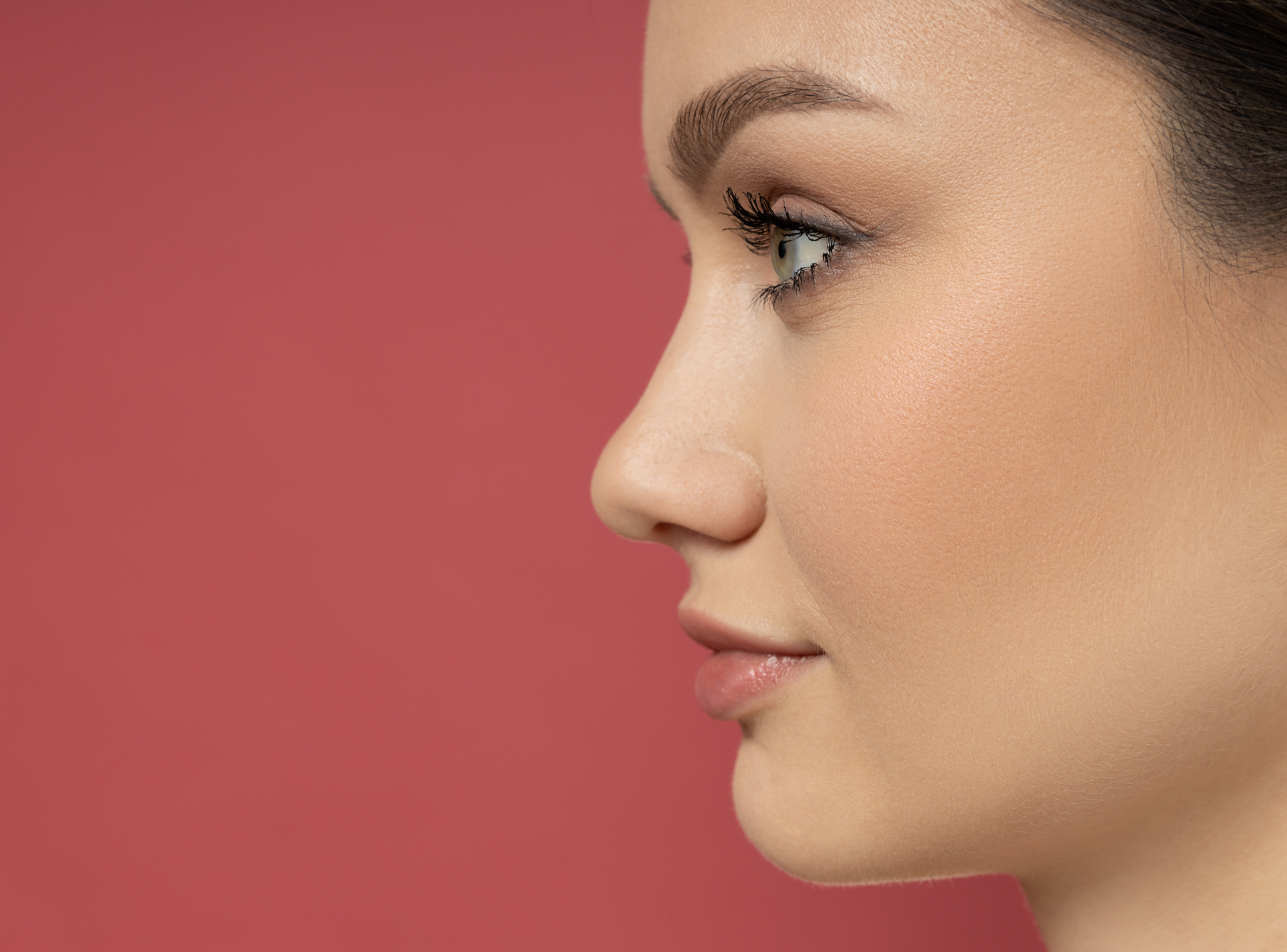
Your rhinoplasty surgery will be the most crucial thing in getting amazing results, but a smooth recovery is almost as important.
During your rhinoplasty recuperation, always make sure to carefully follow your surgeon’s recommendations and keep a close eye on your symptoms and progress. We have put together a list of “do’s” and “don’ts” to help you get better.
Rhinoplasty In Dubai
Rhinoplasty in Dubai is a delicate surgical procedure aimed at reshaping the nose while maintaining facial harmony. Recovery plays a crucial role in achieving the best results, and patients must follow specific do’s and don’ts to ensure proper healing. This includes protecting the nose from trauma, avoiding strenuous activities, and following all post-operative care instructions provided by the surgeon. Proper recovery management helps minimize swelling, bruising, and complications while allowing the nose to settle into its new, refined shape naturally.
Top Do’s And Don’ts After Rhinoplasty
Do Attend All Of Your Follow-Up Appointments.
Your plastic surgeon will see you multiple times during your rhinoplasty rehabilitation to check on how you’re doing. Make sure to bring any questions or worries you have. Your surgeon will tell you when you can start doing your typical daily activities again as you heal.
Don’t Smoke, Vape, Or Drink Alcohol.
Nicotine in cigarettes and other vape products might make it harder for blood to flow. This will slow down the healing process and make it more likely that complications will happen after surgery. Also, don’t drink alcohol until your doctor tells you it’s okay. Drinking alcohol doesn’t help your immune system and can make your recuperation take longer.
Do Get Plenty Of Rest.
Make sure you get enough sleep every night and rest during the day after your rhinoplasty surgery. Make a cozy place on your couch or in an easy chair where you may rest and nap during the day. Then, go to bed at a reasonable hour and make sure your sleeping area is comfy so you don’t have to get up a lot to rearrange your pillows or be uncomfortable.
Don’t Blow Your Nose.
It’s common for your nose to bleed a little and get stuffy, but you shouldn’t blow your nose while you’re recovering after rhinoplasty. If you blow your nose, it will make your nose bleed more and put more stress on its already vulnerable state.
Do Keep Your Head Elevated.
Patients who get rhinoplasty should keep their heads up during the day and at night. This is really important to let the swelling go down, but it’s also important so you don’t accidently move and roll into your nose or face, which could cause complications and necessitate a nose reshaping treatment. Your plastic surgeon will tell you when it’s appropriate to sleep on your stomach like you normally do.
Don’t Wear Glasses.
After nose surgery, you should not exert any pressure on your nose. This even means not wearing your spectacles. Contacts are better, but if you can’t use them, you might be able to wear very light-frame glasses. Just try not to wear them too much. Some individuals may not be able to wear their glasses straight away because their noses are swollen.
Do Follow A Healthy Diet.
Try to eat a healthy, balanced diet, especially in the first few weeks after your nose job. Most plastic surgeons agree that while you heal, you should eat a lot of protein since it can help you heal faster.
Don’t Consume Too Much Sodium.
You may hold on to more water and edema may take longer to go down if you eat too much salt. You should try to stay away from packaged foods that are rich in sodium, fast food, and adding too much table salt to your meals.
Do Refrain From Strenuous Activities.
You should not lift heavy things or work out for at least the first four weeks after surgery. It’s fine to take short walks, and they are actually good for your blood flow. But don’t jog, run, bike, play sports, perform aerobics, or lift weights until your plastic surgeon says it’s acceptable.
Don’t Expose Yourself To The Sun For Long Periods.
Too much sun can make your nose swell more, and UV rays on your incision sites could make your scars darker in the future. When you go outside, make sure to cover up well, especially during the first several weeks after your surgery. This will assist your face swell less and hide your scars properly.
Do Track To Your Progress.
It can be hard to recover from rhinoplasty since you have to be very patient. That’s why it’s a good idea to start keeping track of how far you’ve come. It will be helpful to see how much better you get over time.
You may, for instance, snap pictures of your rhinoplasty recuperation every day or write in a journal about your thoughts and the changes you’re going through. As you look back on these, they should help you stay motivated to keep going and get the outcomes you want.
Don’t Hesitate To Reach Out To Your Surgeon With Questions.
If you have any questions or worries about your recuperation, don’t be afraid to call your surgeon. It’s never a problem for them to ask you questions, even if you’re not sure whether you need to. They want you to get good outcomes just as much as you do.
How Long Is Rhinoplasty Recovery?
There are many things that can affect how long it takes to recover from a rhinoplasty. Most patients will be able to witness their ultimate results in three months to a year. In fact, it usually takes about a year for all of the swelling to go down entirely at the surgery site for the nasal bones to be firmly set.
When Can You Resume Normal Activities After Rhinoplasty?
You don’t have to lie in bed for weeks to get better. But it doesn’t imply you should rush back into your normal life. Pay attention to your body and slowly start doing things again when you feel ready.
Following these steps can help your body heal properly and make you happier with the outcomes of your surgery.
- First three days: Rest is the most important thing. Don’t do any heavy lifting or bending over, as this can raise your blood pressure and make you bleed.
- One week: A lot of patients go back to school or work at a desk. We suggest that you go for gentle walks to get your blood flowing, but stay away from more rigorous activities.
- Two to three weeks: Most of the bruises you may see will have gone away. Patients frequently perceive themselves as socially acceptable and may return to mild activities.
- Four to six weeks: You can go back to more rigorous exercise, such aerobic and light weightlifting, as long as Dr. Perfect Celebrity agrees. Stay away from things that could hurt your nose.
- Six weeks and onward: You can resume wearing glasses again after six weeks. You can only play contact sports again if you get permission.
How To Protect Your Nose While Sleeping
During the first part of your recovery, it’s very important to sleep in the right position to protect your results.
For the first one to two weeks, sleep on your back with your head up at a 35- to 50-degree angle.
To stay in this position all night, use a wedge-shaped pillow or a stack of normal pillows.
Don’t sleep on your side or stomach, as this could put extra pressure on your nose as it heals.
Put pillows on both sides of your body so you don’t roll over when you sleep.
BOOK AN APPOINTMENT TODAY
Common Questions About A Rhinoplasty Or Nose Surgery Recovery
When Can I Take My Nose Splint Off?
Most rhinoplasty patients will have a plastic or plaster splint put over their nose where the bones have broken. You usually take off the rhinoplasty splint at your first follow-up appointment, which is usually 8 to 12 days after the operation.
When you take off the splint, the nose will look bigger, but the tip will stay the same. The final shape will take half to one year to settle.
Does Rhinoplasty Hurt?
Rhinoplasty doesn’t hurt. After the treatment, you might feel some discomfort, but it will be mild and can typically be treated with over-the-counter medicines. Before and after surgery, you will get all the information you need.
Instead of pain, a patient is more likely to encounter side effects during rhinoplasty recovery. A stuffy or congested nose is a typical adverse effect. For a week or two, patients will have to breathe via their mouths. If the nasal bones are broken, the person may have a stiff or numb nose and other problems like swelling and bruises behind the eyes.
MEET THE EXPERT DOCTOR
Best Plastic Surgeon In Dubai For Rhinoplasty
Best Plastic Surgeon in Dubai for Rhinoplasty guides patients through the recovery process to achieve optimal outcomes. Dr. Perfect Celebrity provides detailed instructions on what to do, such as keeping the head elevated, using prescribed medications, and attending follow-up appointments. Equally important are the don’ts, including avoiding heavy lifting, sun exposure, or wearing glasses that rest on the nose. Following these recommendations ensures smooth healing, reduces the risk of complications, and helps patients enjoy long-lasting, natural-looking results with balanced nasal contours.
Schedule Your Consultation Appointment With Dr. Perfect Celebrity
Patients need to take the time to heal after any kind of plastic surgery extremely seriously. It’s very necessary for a nose job.
The nose and the area around it are particularly sensitive. You need to be very careful with yourself while you heal and follow your surgeon’s recommendations, whether you had rhinoplasty to fix a deviated septum or to fix a cosmetic problem.
Please call our office if you want to learn more about rhinoplasty treatments, such as the many types of rhinoplasty accessible, the most common reasons for rhinoplasty, and more. Dr. Perfect Celebrity will be pleased to meet with you to talk about your options.