





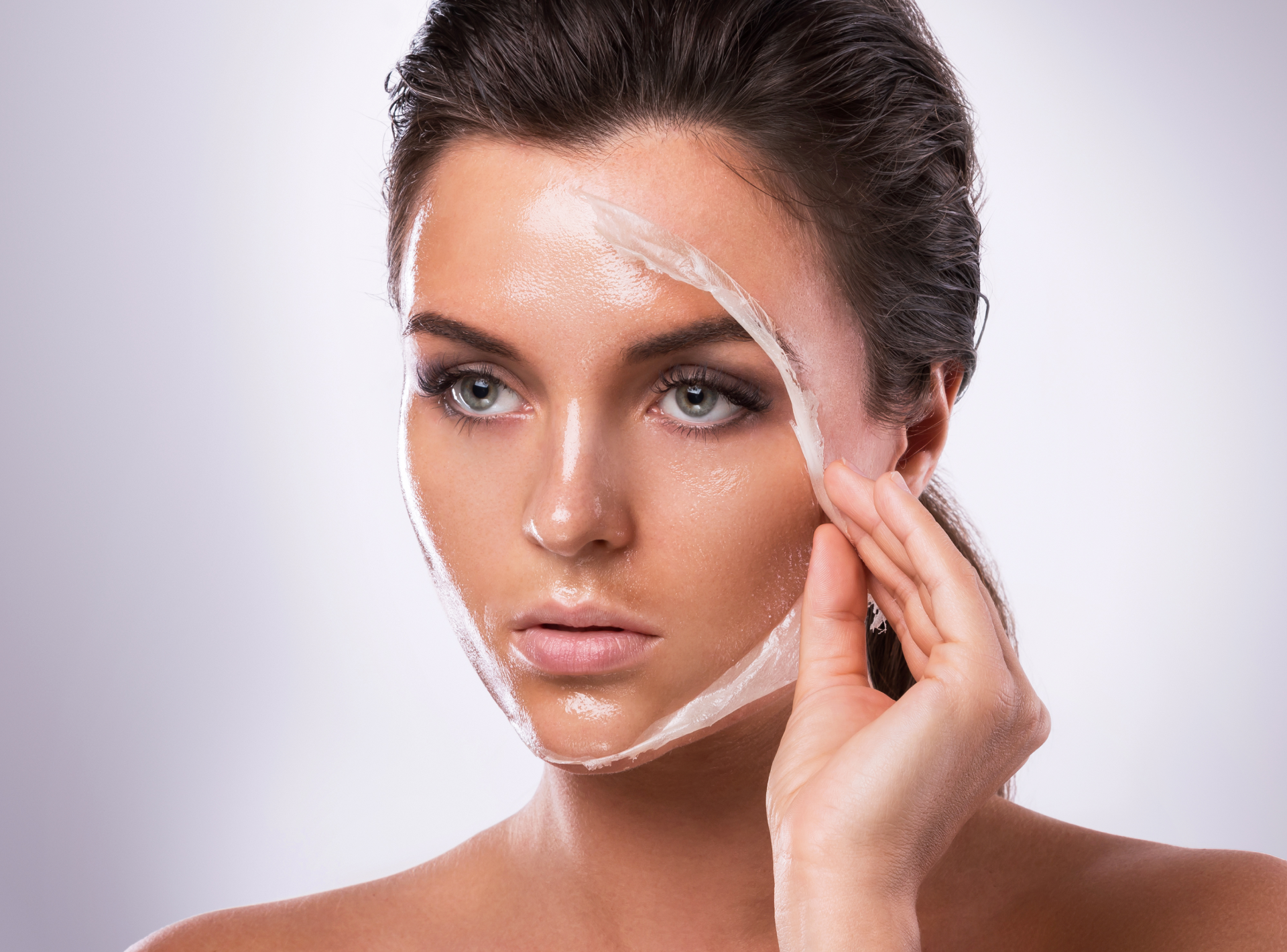
Chemical peeling breaks down one or more layers of the epidermis or dermis in a controlled way by putting one or more exfoliating chemicals on the skin. There are many reasons to peel, but the main one is to make the road look clean and new. The benefits of chemical peels, on the other hand, are not the same for all racial and ethnic groups. It may also be harder to accomplish the best cosmetic peeling on those with darker skin.
You can learn how to utilize chemical peels on dark-skinned people with melasma in Dubai, Abu Dhabi, and Jumeirah to obtain great results.
Chemical Peels In Dubai
Chemical Peels in Dubai are effective skin resurfacing procedures designed to improve skin tone, texture, and clarity. This treatment helps reduce pigmentation, acne scars, fine lines, sun damage, and dull skin by exfoliating the outer layers of the skin. Dubai clinics offer a range of superficial, medium, and deep chemical peels, customized according to skin type and individual concerns. The procedure is minimally invasive, requires little downtime, and promotes smoother, brighter, and more youthful-looking skin.
Melasma In Dubai
Melasma in Dubai is a common skin condition characterized by dark, patchy pigmentation, usually appearing on the face due to sun exposure, hormonal changes, or genetics. It is especially prevalent in individuals with darker skin tones, making treatment selection more critical. When considering chemical peels for melasma in dark-skinned patients, careful evaluation is essential to avoid complications. Chemical peels work by gently exfoliating the top layer of the skin, promoting new cell turnover and reducing pigmentation over time. However, in darker skin types, there is a higher risk of post-inflammatory hyperpigmentation if the peel is too strong or not properly administered. For this reason, mild to medium-strength peels such as glycolic acid, lactic acid, or mandelic acid are commonly preferred. These are applied gradually in multiple sessions to achieve safe and effective results. Proper pre- and post-treatment care, including sun protection and skincare, plays a key role in enhancing outcomes while minimizing risks and maintaining even skin tone.
What You Need To Know About Peels:
The Fitzpatrick skin categorization system links skin color to UV sensitivity since skin color can affect how well a person can use skin rejuvenation treatments. Fitzpatrick skin types I through III were regarded to be the greatest candidates for these procedures, whereas types IV through VI were thought to be more problematic because they were more likely to have post-inflammatory hyperpigmentation and skin color changes that could persist a long time.
There is no chemical peel or technique that is fully safe, but the danger can be greatly lowered by adopting methods that give the doctor more control over the factors that affect the peel. Controlling parameters can help us better forecast how deep the acid will go, which increases the chances of getting good results.
Who Can Get The Treatment?
Controlling the peeling settings is very important for getting a good esthetic outcome. Superficial peeling is used to cure acne, hyperpigmentation, and a bad complexion, as well as to stop or treat photoaging.
Peels that perform best on dark skin are those that contain 12–40% TCA, 35–75% glycolic acid, 25–35% salicylic acid in ethanol or paste, Jessner peels, retinoic acid, phytic peels, vitamin C peels, and their mixes. To get a cosmetic impact and stop posteruptive pigmentation, which is a common and annoying problem for people with darker skin types, it is important to control the peel parameters.
Types Of Peels For Dark Skin:
Here are the many kinds of chemical peels for melasma in dark-skinned people in Dubai and Abu Dhabi:
TCA Peels:
TCA is the standard for all chemical peels. The most important thing to think about when deciding how successful and safe a TCA peel surgery is is how deep the acid goes.
To get the greatest results, it is very important to accurately assess the type and condition of the skin both before and after the procedure. TCA peels of 12%, 40%, and 55% concentrations were classified as superficial, medium, and deep, respectively, based on the incorrect assumption that a certain concentration penetrates to a certain depth. The concentration of TCA only affects how quickly the acid gets through the skin; higher concentrations get through faster. Any concentration can reach any depth. The concentration of TCAs has a direct impact on both their therapeutic and adverse effects.
Glycolic Acid:
Glycolic acid is the most well-known alpha hydroxy acid and the smallest of all hydroxy acids. It is not clear how glycol peels work at concentrations of 55–75%, however it is suspected that they loosen the stratum corneum.
Glycolic acid doesn’t absorb evenly, and if the doctor isn’t careful, it could go deeper into the dermis, especially if the skin is thin and not watched or neutralized properly. Glycolic acid can be used on its own or with additional chemicals.
To get the best cosmetic results, the patient should use home care creams including moisturizers and antioxidant creams with vitamin E every day between peels, before peels, and after peels.
Combined Peels:
A mixture of azelaic acid, kojic acid, phytic acid, vitamin C, and retinoic acid in a peel, paste, or mask can help with melasma.
You can apply this peel for 7 to 9 hours on the first day, or for 5 to 6 hours on the first day and then 3 to 4 hours every week after that. After that, the same chemicals are mixed together in a cream that is put on once a day for at least a year, then twice a day for two weeks (for at least three hours each time).
A 25–30% salicylic acid in ethanol peel, which is used every 12 to 15 days, is one of the best peels for treating acne on any skin type.
BOOK AN APPOINTMENT TODAY
What Causes Melasma?
Melasma happens when the skin’s pigment-producing cells, called melanocytes, become too active. This can happen when:
- Hormonal fluctuations: Hormone therapy, pregnancy, and birth control pills can all make melanin levels go up.
- Sun exposure: UV rays are a primary cause, and even a small amount of exposure can make melasma worse or bring it back.
- Genetics: If someone in your family has had melasma, you are more likely to get it too.
- Heat and visible light: Infrared heat and blue light from displays can make melasma worse.
How Melasma Appears On Different Skin Tones
Melasma looks different on different skin tones, which can make it harder to figure out what it is and how to treat it.
Lighter Skin (Fitzpatrick I–III)
Melasma is easier to see on lighter skin tones and may respond to therapy faster.
Darker Skin (Fitzpatrick IV–VI)
Melasma can mix in with the skin’s natural color, making it tougher to see at first. These skin types are more likely to get post-inflammatory hyperpigmentation, thus they need gentler treatments to avoid irritation.
Do Chemical Peels Help Melasma?
One of the best ways to treat melasma is using chemical peels. Dr. Perfect Celebrity, a board-certified dermatologist in Dubai, says that “chemical peels for melasma work by exfoliating the skin to get rid of dead skin cells, which makes the skin underneath look brighter.” “AHAs also help improve skin tone by stopping the production of melanin. ” Peels can also help any topical products you take for melasma work better.
There are numerous levels of peels. Superficial peels are helpful for moderate melasma and don’t require much time off work. Medium-depth peels go deeper to treat more stubborn pigmentation. Other Ways to Treat Melasma
Chemical peels are one of the best ways to treat melasma, although your skin care professional may suggest trying other procedures or combining them with chemical peels, such as:
- Lasers: Lasers employ focused light to break up pigment. But you should be careful when using them because some lasers can make melasma worse.
- Microdermabrasion: Microdermabrasion is a gentle way to remove dead skin cells that can make your skin feel smoother and help skincare products work better.
- Topical treatments: Prescription creams with tranexamic acid, retinoids, or hydroquinone can work quite well, especially when used with in-office treatments.
What To Expect From A Chemical Peel Treatment
Melasma treatment is not a quick remedy; it takes time. Most people get better over time with regular treatment and advice from a professional. Here’s what you should remember:
- Expect improvement, not perfection: Melasma can fade a lot, but it is quite rare for it to completely go away.
- Maintenance is key: Melasma might come back even after it seems better, so you need to keep taking care of it.
- Professional monitoring matters: Find a trained skincare professional who can customize treatments for your skin type and melasma type.
Post-Treatment Care
After treatment, maintenance is very important to help the body heal, reduce inflammation, and keep the results for as long as possible. First and first, it’s very important to protect yourself from the sun. Use a broad-spectrum sunscreen with an SPF of 35 or higher every day to keep pigmentation from coming back or getting worse. Wear a hat with a wide brim and look for shelter outside, especially when the sun is at its strongest.
Next, use a mild skincare routine that includes a cleanser that hydrates and a moisturizer that calms your skin type. Don’t use active substances like retinoids or exfoliants until your doctor tells you it’s okay. Lastly, stay away from heat, such hot showers and hard workouts.
MEET THE EXPERT DOCTOR
Best Aesthetic Clinic In Dubai For Chemical Peels For Melasma
Best Aesthetic Clinic in Dubai for Chemical Peels For Melasma offers specialized treatments tailored for different skin types, particularly darker skin tones that require a cautious approach. Leading clinics focus on the topic chemical peels for melasma in dark skinned patients by using customized peel strengths and advanced techniques to avoid complications. Experienced practitioners carefully evaluate the patient’s skin type, pigmentation depth, and sensitivity before selecting the appropriate peel. Clinics prioritize gradual treatment plans rather than aggressive procedures to reduce the risk of irritation or further pigmentation. Patients are also guided on pre- and post-treatment care, including the use of sunscreen and skincare products to maintain results. With professional expertise, high-quality products, and strict safety protocols, trusted clinics in Dubai help patients achieve brighter, more even-toned skin while minimizing the risk of side effects commonly associated with treating melasma in darker skin types.
The Takeaway
If they know which are the best Chemical Peels for Melasma in Dark-Skinned Patients in Dubai, Abu Dhabi, and Jumeirah, any expert dermatologist or dermatologist-surgeon can learn how to do chemical peeling well. Before the peeling procedure can be used, a full medical history must be taken and a series of treatments with low acid concentrations must begin. This will help the expert make better choices about therapy and avoid problems.