





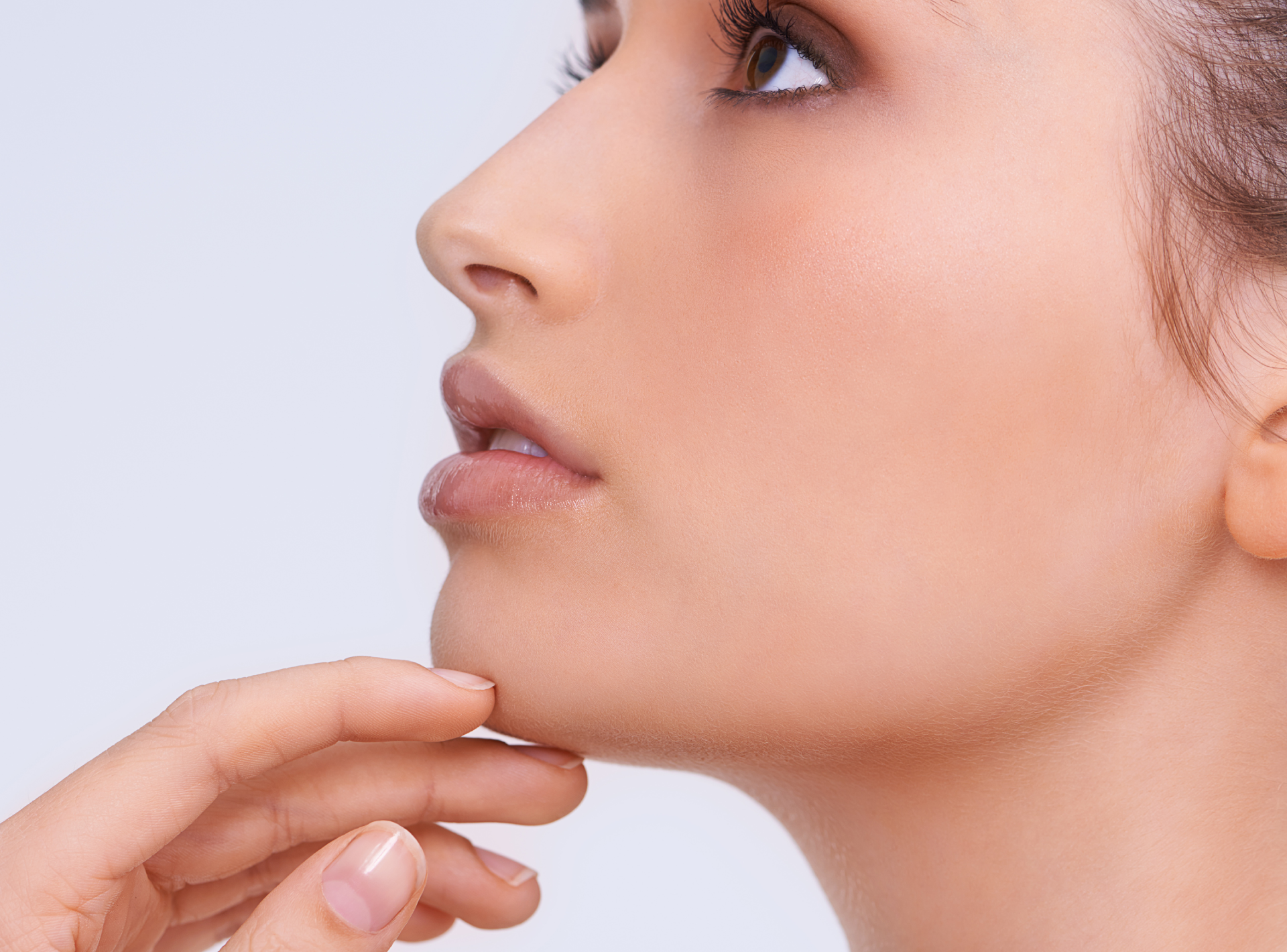
Have you ever looked in the mirror and wished your face had more definition or shape? Removing buccal fat is now one of the most popular ways to make your face look slimmer and more chiseled, and it doesn’t take much time to recover from.
As more people think about this subtle but life-changing procedure, the most important question is still: What is the recovery process like? Knowing what will happen after cheek reduction surgery is important for making a smart, confident choice.
Dr. Perfect Celebrity is a board-certified plastic surgeon who is well-known for his work in facial plastic surgery and advanced buccal fat removal techniques at his offices in Dubai. He gets natural-looking results by using a precise, individualized approach.
Buccal Fat Removal In Dubai
Buccal fat removal in Dubai is a cosmetic surgery procedure in which buccal fat pads are removed or repositioned to reduce fullness in the lower cheeks. It is intended to give the face a slimmer, more contoured appearance while also enhancing cheekbone definition. The procedure is performed inside the mouth, with no visible external scars, and the results appear gradually as the swelling subsides.
How Long Is Buccal Fat Removal Recovery Time?
Compared to many other facial procedures, the recovery time after buccal fat removal is pretty short. Most patients can go back to their normal daily activities comfortably after one to two weeks of initial healing. But it takes several months for full recovery and the final results to show up. This is because the swelling goes down and the tissues settle into their new shapes.
Buccal Fat Removal Recovery Timeline: Day-by-Day Healing
Most of the time, recovery from buccal fat reduction surgery is pretty easy. However, knowing what to expect each day can help you get ready mentally and physically. The timeline below gives you a general idea of how your healing journey might go, from the first few days to the point where you can see long-term results. Of course, everyone’s experience is a little different.
This buccal fat removal recovery timeline shows what most patients go through day by day and week by week after surgery, from the first few days of healing to the final results.
Days 1-4: Initial Recovery
Patients usually have the most swelling and mild to moderate pain right after surgery and for the first two days of recovery. As the body starts to heal, this is a normal inflammatory response. People often recommend taking painkillers and putting cold compresses on sore or puffy areas to help. It is also a good idea to eat soft foods so that the cuts inside your mouth don’t get irritated. You might not be able to see the bruises yet, but they could show up later. Rest is very important at this point. To help your body heal properly, keep your head up, drink plenty of water, and avoid strenuous activity.
Days 5-8: The First Week
As the first week goes on, the swelling goes down, and the bruises become more visible, usually peaking before they start to fade. At this point, most patients feel better and may cut back on or stop taking painkillers. You still need to avoid chewing hard foods and rinse your mouth gently after meals to keep the incision sites clean. You can usually walk around a little, but you should still stay away from hard exercise. A lot of patients start to see the first signs of facial contouring as the swelling goes down. At the end of this phase, you should feel more like yourself again.
Days 9-11: Returning to Work
Most patients feel well enough to go back to work and do light social activities by days nine to eleven. The swelling and bruising keep going down, and moving your face becomes easier. Most of the time, any pain that is still there is mild and can be handled without prescription drugs. You may look good in public, but you may still have some puffiness, especially in the morning. It is still a good idea to stay away from strenuous physical activity and to follow all of your post-operative instructions, such as those about diet and oral hygiene. This is a turning point in recovery, and many people are starting to see good signs of their new facial shape.
Weeks 1-3: Ongoing Healing
Most of the noticeable swelling will have gone down by the end of the third week, but some puffiness may still be there, especially in the morning or late in the day. The cuts inside the mouth should be healing well, which will make it much easier to eat and talk every day. At this point, patients often start to see clearer facial definition, but the final results are still coming in. If your surgeon says it’s okay, you can start doing light activities again, but you should still stay away from contact sports and hard workouts. Following the rules for post-op care is still very important.
Weeks 3-4: Swelling Subsides
At this point in the recovery process, the swelling is still going down, and most patients start to feel good about how their face looks in everyday life. As the puffiness goes down, the cheeks become more defined. Most of the time, any bruising that is still there is very small or has completely gone away. If your doctor says it’s okay, you can usually start doing light exercise again, like walking or gentle stretching. It’s important to remember to take care of your healing cuts and to stay away from anything that could hurt your face. At this point, progress is expected to continue, and the results will become clearer and more encouraging.
Weeks 4-5: Long-term Recovery Phase
Most of the visible signs of surgery, such as swelling and bruising, have gone down a lot between weeks three and four. This lets the face start to settle into its new shape. At this point, most patients feel like their routines are back to normal, but it’s still a good idea to be careful with any physical activity that could hurt the face. The healing process inside the body is still going on, especially around the incision sites, which should be completely closed by now. The definition of the face is becoming clearer, but small changes are still happening. It’s a good idea to call your surgeon now to see how things are going and ask questions.
Weeks 5-7: Final Results
Most of the swelling goes down by weeks four to six, and patients can fully see the results of their buccal fat removal. The cheeks look more sculpted, and the overall shape of the face is smoother and more refined. At this point, the final look often starts to match what the surgeon and the patient talked about at the beginning. This stage can be very satisfying. There are no more noticeable signs of healing on the outside, but it is still going on slowly beneath the surface. Patients are usually given the go-ahead to resume normal physical activities, and they should follow any long-term care instructions to keep the results and keep their faces in balance.
Buccal Fat Removal Post-Op Care and Recovery Tips
You can’t just get better after buccal fat removal; you have to plan ahead, pay attention to your post-op care, and know what your body needs at each step. If you follow these tried-and-true tips, you will be much more comfortable, and the procedure will go much better.
- Follow all post-operative instructions: These are made just for your procedure and how quickly you heal. Stick to them carefully to avoid problems and speed up your recovery.
- Stick to a soft-food diet: Do this for the first week because chewing can make the incision sites hurt. Until you’re given the all-clear to eat normally again, stick to smoothies, yogurt, soup, and mashed foods.
- Keep your head elevated: Sleeping with your head up helps the swelling go down and the healing go faster. To keep your head above your heart, use an extra pillow or a wedge, especially in the first week.
- Avoid strenuous activity: Lifting heavy things and working out hard can make your blood pressure and swelling go up. Don’t go back to your normal workout routine until your doctor says it’s okay.
- Practice good oral hygiene: It’s very important to keep your mouth clean because the cuts are made inside it. To avoid getting an infection, use a mouth rinse that your doctor gives you or warm saltwater after meals.
- Be patient with the results: It can take weeks for the swelling to go down completely. Don’t judge your final results too soon; true facial contouring doesn’t show up until the tissues have fully healed.
BOOK AN APPOINTMENT TODAY
Potential Complications During Buccal Fat Pad Removal
When done by a qualified plastic surgeon, buccal fat removal is a safe and normal procedure. However, like any cosmetic surgery, it does have some risks. Knowing about the possible problems can help you make smart choices and see how important it is to have the right aftercare and surgical skills.
- Risk of Infection: Like with any surgery, there is a chance of infection, especially since cuts are made inside the mouth. To avoid these issues, it’s very important to keep your mouth clean and use the rinses that your doctor gives you.
- Excessive Swelling or Bruising: Some swelling and bruising are normal, but if they last too long or get worse, you should tell your surgeon.
- Facial Asymmetry: Removing too much or too little fat from one cheek can make your face uneven. This shows how important it is to have a surgeon who is very skilled and experienced.
- Nerve Damage: There is a small chance that the buccal branch of the facial nerve could be affected, which could cause temporary or, in very rare cases, permanent numbness or muscle weakness.
- Poor Healing or Scarring: Internal cuts usually heal well, but things like bad nutrition, smoking, or not taking care of them properly can make the healing process take longer or cause scar tissue to form.
- Unsatisfactory Results: Some patients may feel that their results are either too subtle or too obvious. Talking to an experienced surgeon can help you set realistic expectations and lower this risk.
Benefits of Combining Your Buccal Fat Removal with Other Procedures
Some patients opt to combine buccal fat removal with other cosmetic procedures – such as chin liposuction, neck contouring, or facelift techniques – to achieve the best results and expedite recovery. Having multiple issues treated in the same surgery means one dose of anesthesia, one recovery, and often lower total costs because of the shared facility and anesthesia fees. It also provides a fuller facial transformation, enhancing symmetry and definition at the same time. For the right candidate, this can be both efficient and cost-effective, and minimize the total time spent healing.
Choosing an Expert Surgeon for Your Buccal Fat Removal Procedure
An experienced facial plastic surgeon can help ensure safe, natural-looking results for buccal fat removal. The procedure is fairly straightforward, but the anatomy of the face is complicated. A skilled specialist will remove the right amount of fat and maintain facial harmony, thereby reducing risks and improving results.
Dr. Perfect Celebrity is a plastic surgeon, board-certified, with additional training at the Perfect Doctors Clinic. He has been named one of Dubai’s top plastic surgeons and is known for his expertise in minimally invasive aesthetic procedures and facial plastic surgery, including buccal fat removal. Time to consider your options? If you’d like to schedule a consultation, please call us now or visit our contact page.
Buccal Fat Removal Recovery Dos And Donts
- Elevate Your Head: Keep your head raised when resting to minimize swelling and accelerate the healing process.
- Adhere to Medical Advice: Strictly follow the guidelines provided by Dr. Perfect Celebrity and use a mild mouthwash to keep the area clean.
- Modify Your Diet: Consume only soft foods and maintain proper hydration during the early stages of recovery.
- Avoid Irritants: Refrain from consuming crunchy, hard, or spicy foods that could aggravate the internal incisions.
- Stop Smoking: Do not smoke or vape, as these activities can lead to infections and slow down your recovery.
- Limit Physical Strain: Avoid intense exercise and heavy lifting for at least seven days, or as directed by Perfect Doctors Clinic.
Frequently Asked Questions About Buccal Fat Removal Recovery
Do You Have Stitches After Buccal Fat Removal?
Yes. Buccal fat removal stitches are usually dissolvable and internal to the mouth. These stitches usually dissolve on their own and do not need to be removed (6-9 days). Patients should avoid pulling on the stitches and maintain good oral hygiene to promote proper healing and decrease the risk of infection.
How Long Does Swelling Last After Buccal Fat Removal?
The swelling from buccal fat removal is most prominent during the first three to five days. It gets better and better over the first two weeks, but some mild residual puffiness can remain for a few weeks. You can reduce swelling by keeping your head elevated, applying cold packs, and avoiding strenuous activity. Patients should contact their surgeon immediately if swelling suddenly increases or is accompanied by fever, increasing pain, or redness.
When Will I See Results After Buccal Fat Removal Surgery?
Results from buccal fat removal take 3-5 weeks on average to be fully visible. You will typically see early contour changes in two to three weeks, with more noticeable definition around four to six weeks. The final results continue to change for the next two to three months as the residual swelling goes down and the cheeks settle into their new shape.
MEET THE EXPERT DOCTOR
Best Plastic Surgeon In Dubai For Buccal Fat Removal
Best Plastic Surgeon in Dubai for Buccal Fat Removal provides advanced facial contouring techniques that enhance cheek definition while maintaining natural balance and harmony in facial features. Dr. Perfect Celebrity is widely recognized for his precision in performing buccal fat removal with safe, minimally invasive methods. Patients benefit from customized treatment plans designed to match their unique facial structure and aesthetic goals. The procedure is performed with careful attention to detail to avoid overcorrection and ensure subtle, refined results. Leading surgeons in Dubai focus on patient safety, comfort, and achieving long-lasting improvements with minimal downtime.