





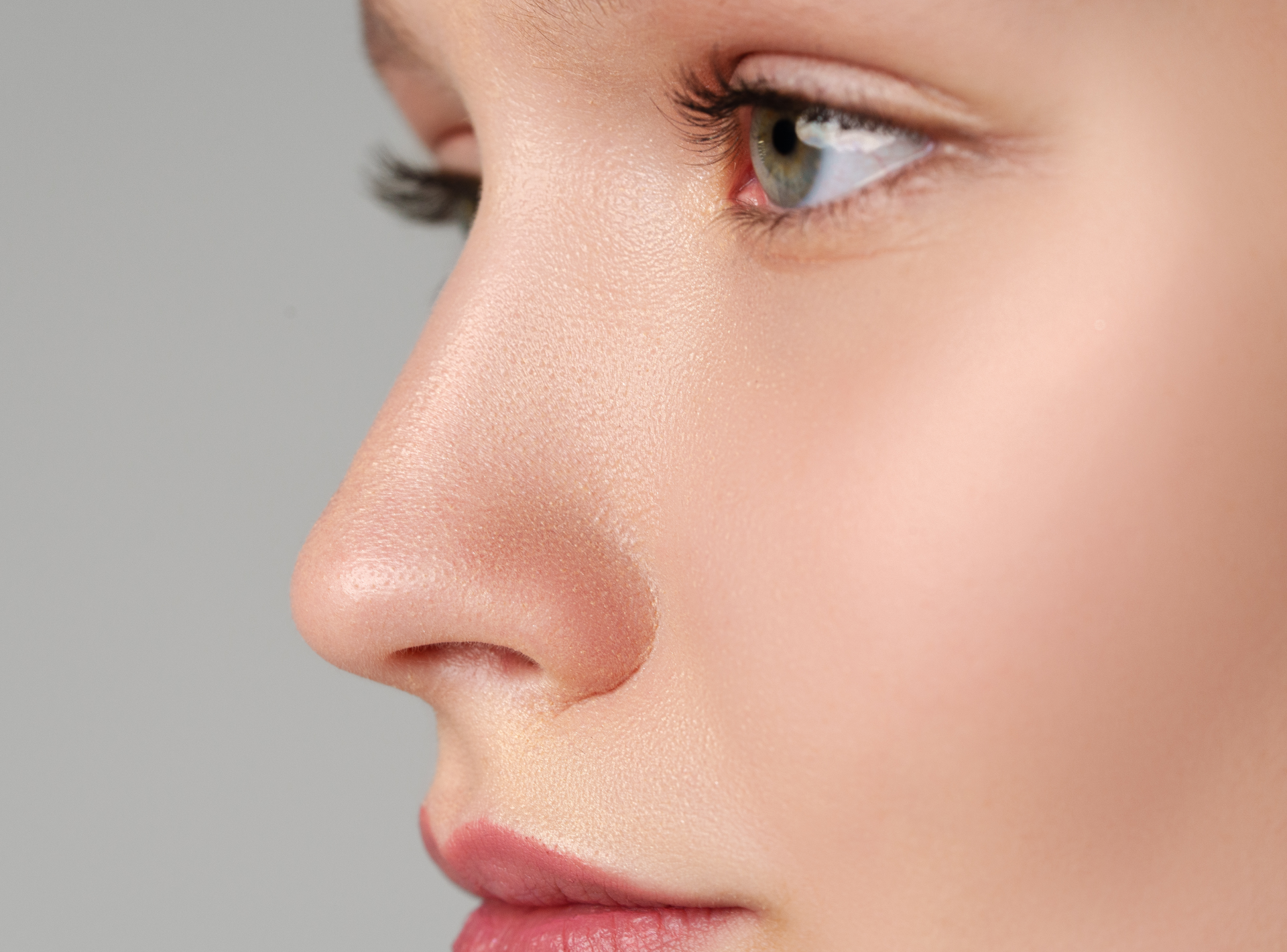
After rhinoplasty, bruising is a normal part of the healing process, but not everyone gets it. It commonly shows up as bruising around the eyes or upper cheeks and goes away in a week. But it can arise as a side consequence of a mistake by the surgeon, some drugs, or other things.
This article will talk about what causes bruising after nose surgery, how long it lasts, what the stages of bruising look like, and how to speed up healing with home remedies and medical assistance.
Rhinoplasty In Dubai
Rhinoplasty in Dubai is a cosmetic procedure designed to reshape the nose while maintaining facial balance and natural appearance. After surgery, mild bruising around the eyes and nose is a common part of the healing process. This occurs because small blood vessels under the skin are affected during surgery. Most bruising appears within the first few days and gradually fades as the body heals. Patients are usually advised to rest, keep their head elevated, and follow post-operative instructions carefully to support faster recovery and reduce swelling.
Key Takeaways
- Bruising after rhinoplasty is common, especially if bone surgery was done, but most people just have slight discoloration.
- Most bruising fades within a week, and the worst swelling and color changes come in the first 4 to 5 days.
- Bruising is typically worse, and people who use blood-thinning drugs or certain supplements tend to get worse bruises.
- Following your surgeon’s recovery plan – which may include ice packs, elevating the area, and avoiding certain drugs, will help a lot with bruising.
- Arnica and bromelain supplements as advised before and after surgery, may help you recuperate faster.
How Long Does Bruising Last After A Nose Job?
Depending on the person and the type of surgery, bruising after rhinoplasty usually lasts between 1 to 2 weeks. Most people notice that their bruises start to disappear around day 4. By day 9, the bruises are usually light enough to cover with cosmetics or gone completely.
Most of the bruising develops around the eyes, especially if the nasal bones were shattered or altered during surgery. Older people, smokers, or people with fair or sensitive skin may have bruises that remain a little longer.
If the bruising is still dark after two weeks or is growing worse instead of better, you should see your surgeon.
What Causes Bruising After A Nose Job?
We think that the most important thing you can do to avoid bruising is to choose the right rhinoplasty specialist. The less experienced the surgeon is, the more likely it is that there will be a lot of bruising and swelling.
A good rhinoplasty surgeon will know all of the things we’ve talked about in this article and will pay attention to all of them. You can only learn this through experience.
In addition to the specialist, there are other things that can affect the chance of getting bruises:
The Exact Type Of Nose Surgery
Most of the bruising on your nose happens when your surgeon changes the shape of your nasal bone, like by shaving the bridge or narrowing the profile.
The periosteum is the blood supply to your nasal bone. If this blood supply is disturbed while your nose is changing form, it can cause more bruising around your eyes and occasionally even down to your cheeks.
This happens a lot when the surgeon has to make a small break in the nasal bone to make the bridge narrower. The surgeon ends up cutting through the periosteum that covers the upper and lower surfaces of the nasal bones.
We can lessen the shock and bruising by always taking the extra time to lift the periosteum when we need to cut the nasal bones.
Age
Older people often have weaker blood vessels, which can cause more bruising following rhinoplasty. This is usually an age range that starts at 46 years old.
Bleeding disorders
If you or anybody in your family has a history of getting a lot of bruises or bleeding after surgery or in general, you should talk to your surgeon about it so that the right tests can be done.
Smoking
Smoking makes it harder for the body to clot after cuts, which makes recuperation take a little longer. Naturally, the longer it takes you to heal, the longer it will take for the bruises to go away.
Medications
If you use blood thinners, you should talk to your surgeon about it so they can make the right plans.
What To Do Before Surgery To Minimise The Chance Of Bruising?
Here are some ways to lower your risk of having black eyes after a nose job:
- Avoid blood-thinning medication where possible.
You should not take any medicines that can thin the blood for at least two weeks before the surgery.
You can’t start taking the medicines again unless your doctor says it’s safe to do so.
Some of the medications to avoid include ibuprofen, aspirin, and other anti-inflammatory drugs.
- Avoid herbal tablets, including vitamins and minerals, before the procedure.
If you get bruises after rhinoplasty, there are a few things you may do to make the swelling and bruising go down.
Patients should not take a lot of herbal medicines, multivitamins, or tea that include a lot of Ginseng, fish oils, Ginko, or Vitamin E in them.
These can change how the general anesthesia works during surgery and how quickly your body starts to heal after the procedure.
BOOK AN APPOINTMENT TODAY
Rhinoplasty Bruising Stages (Timeline Overview)
After a nose job, here is a basic timeline of how the bruising process goes:
Day 2–4: Peak Bruising
- Around the eyes and upper cheeks, bruises look dark purple or blue.
- The swelling is at its worst.
- You can feel tightness or pressure in that location.
Day 5–7: Colour Changes Begin
- The bruises start to fade and change color, usually to green, brown, or yellow.
- The swelling slowly goes down.
- Pain medicine that your doctor gives you should help with the pain.
A Week: Bruising Mostly Fades
- Most patients remark that their bruises are getting lighter or almost gone.
- At this point, light makeup may usually hide any residual color changes.
- Most of the time, the nasal splint comes off between days of the week.
Weeks 1-2: Almost Fully Healed
- The last of the yellow bruises is still fading.
- Most people feel safe going back to work or social settings without worry.
- The swelling will still take weeks or months to go down, but the bruising is gone.
How To Reduce Black Eyes And Minimise Healing Time?
If you see bruises after your nose surgery, here are some things you can do. Try these to make it go away faster.
- Follow the recuperation instructions that our team has given you. The instructions for after your nose job are highly crucial. Please follow them carefully, and if you have any questions or worries, please get in touch with us.
- For the first two days after surgery, use ice packs or, even better, frozen peas on your cheeks. Cold packs naturally stop swelling and bruising from getting worse, so patients generally don’t see the purple damaged skin and their bruises are more yellow. The yellow color on the bruise is the last step before it heals completely.
- Keeping your head up can help with swelling and may also aid with bruising. This is vital during the first few nights of sleep after surgery. You might want to practice sleeping with your head up and your back fully flat for a few nights before your surgery.
- Bromelain and arnica are two herbal supplements that may help. Some people eat fresh pineapple for a few days before surgery because it has bromelain, an enzyme that comes from pineapples. You may also get bromelain in tablet form at most health food stores.
- Arnica tablets are a homeopathic remedy that can help the body deal with bruises. We usually recommend taking 31C tablets three times a day for seven days before your rhinoplasty.
- Also, putting arnica cream beneath the eyes 2 days after the rhinoplasty may help the bruises heal even faster.
FAQ
How Long Does Bruising Last After Rhinoplasty?
Most bruises go away a lot within a week of surgery. Some minor yellow discoloration may last a little longer, especially in sensitive areas like under the eyes. After two weeks, most patients don’t even notice the bruising.
Is Bruising After A Nose Job Normal?
Yes, bruising is common, especially if your surgery entailed working on your nasal bones. Even with the greatest surgical methods, some patients can get black eyes or other discoloration, especially in the first few days following surgery.
What Causes Black Eyes After Rhinoplasty?
When the nasal bones are reshaped, tiny blood vessels around the eyes can be damaged, which can cause black eyes. The bruising usually stays in the thin skin around the eyes, making them look darker or bigger.
How Can I Reduce Bruising After Rhinoplasty?
Following your surgeon’s post-op instructions, using cold compresses for the first 2 days, keeping your head elevated, avoiding blood thinners, and possibly taking arnica or bromelain as directed will all help decrease bruising.
When Should I Worry About Bruising After A Nose Job?
If your bruising gets worse after the first week, is really painful, or comes with additional symptoms like fever or swelling that spreads, you may need to see a doctor. If you’re not sure, always ask your surgeon for help.
MEET THE EXPERT DOCTOR
Best Plastic Surgeon In Dubai For Rhinoplasty
Best Plastic Surgeon in Dubai for Rhinoplasty helps patients understand the recovery timeline and how to manage common effects such as bruising. During consultation and after surgery, Dr. Perfect Celebrity provides guidance on reducing bruising by using cold compresses, avoiding strenuous activities, and following proper aftercare instructions. In most cases, visible bruising improves significantly within one to two weeks. Regular follow-up visits ensure the healing process progresses smoothly, allowing patients to achieve refined nasal contours and natural-looking results over time.
More Rhinoplasty Questions?
One of the best nose clinics in Dubai, UAE is Perfect Doctors Clinic. To find out more about the consultation, costs, and the different types of nose reshaping we undertake, go to our Dubai rhinoplasty page.