





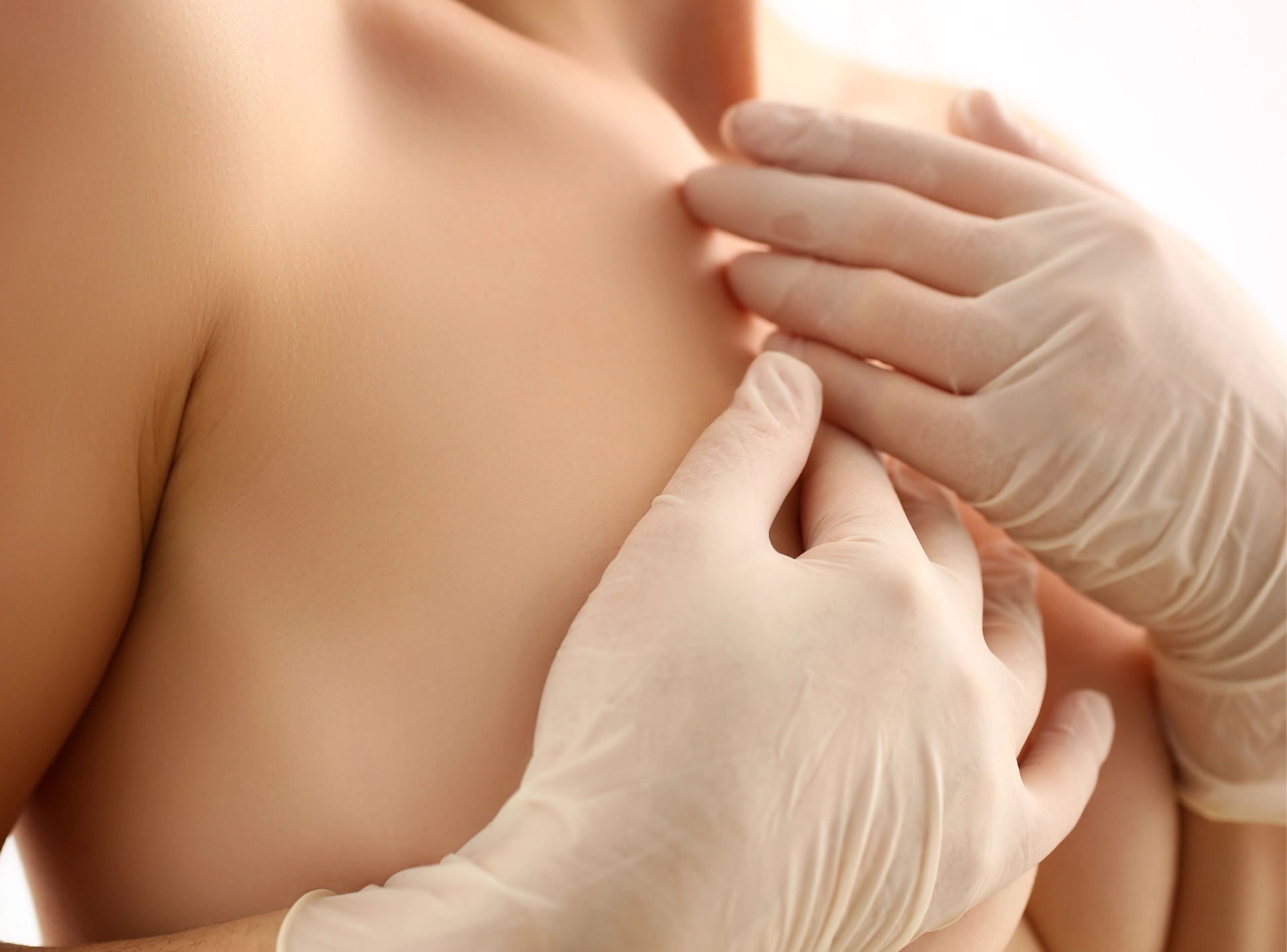
Implants for the breasts are a popular cosmetic surgery used to enlarge and reshape breasts, but you should know about the safety and risks before having the operation. Modern implants are generally safe, but possible complications include infection, rupture of the implant, capsular contracture, or temporary discomfort.
Breast Implants In Dubai
Breast Implants in Dubai are a popular way to improve breast shape and volume through advanced surgical techniques and high-quality implants. While generally safe, patients should be aware of potential risks such as infection, implant rupture, and capsular contracture. Choosing experienced surgeons and following proper aftercare procedures promotes a safer recovery and natural-looking, long-lasting results.
How Safe Is A Breast Augmentation?
Breast augmentation surgery is and has been for many years, the most popular cosmetic procedure in Dubai (over 400,000 procedures per year, with dips in 2021-2022 due to the pandemic). It’s a routine procedure for plastic surgeons, usually done under IV sedation, with a pretty easy and quick recovery.
The one thing that separates breast augmentations from other cosmetic surgeries is that they use implants. Both saline and silicone implants are FDA approved for breast augmentations, but there are some differences worth pointing out. Below, we discuss the risks and side effects of both breast augmentation surgery and the breast implants themselves.
Are Breast Implants Safe?
Let’s start with the implants! Because without implants, there is no breast augmentation! Do you need breast implants? Is saline safer than silicone? A certain sort? “When and how will I be monitored after the operation? Let’s answer all these questions about the safety of breast implants.
Breast implants are generally of two types: silicone gel-filled and saline-filled. Both are FDA-approved and are deemed very safe for use in breast augmentations.
Saline Implant Safety
Saline breast implants are approved by the FDA for cosmetic breast augmentation in women 19 years of age and older; there is no age limit for reconstruction surgery. They are a very safe choice of implant as they are filled with a harmless solution. All implants are susceptible to rupture, but with saline implants the only outcome is the leakage of sterile saltwater into the body, which is harmless and is easily absorbed and expelled.
Monitoring: The woman will know immediately that something is wrong if she has a ruptured saline implant because of the change in breast size, so no further monitoring is needed. Implant deflation is also referred to as this phenomenon.
Silicone Implant Safety
FDA-approved silicone breast implants are available for women 23 years of age and older (except for reconstruction surgery at any age). From 1993 to 2007, the Dubai Food and Drug Administration (FDA) restricted the use of silicone implants in cosmetic surgery to allow further research into any potential links to disease. After studying it at length, it found no link and then allowed silicone implants back into the breast augmentation arena of all types.
Monitoring: Usually a woman with a ruptured shell of a silicone implant doesn’t know. This is called a silent rupture and cannot be detected by looking in the mirror or even a physical exam. As of 2022, the FDA recommends increased surveillance to identify silent ruptures. The FDA requires a scan (MRI or ultrasound) 6-7 years after implantation and then every 3-4 years. To make this easy for our patients, Perfect Doctors Clinic has the equipment to perform this monitoring service for breast augmentation patients in Dubai.
Structured Implant Safety
The structured implant, popularly known by the brand name IDEAL, is a saline implant. It was extensively developed and tested and received FDA approval for use in breast augmentations in 2015, with the clinical expertise of plastic surgeons. However, the IDEAL manufacturer has gone out of business as of July 2024.
BOOK AN APPOINTMENT TODAY
Possible Complications And Side Effects
Like any other surgery, breast augmentation surgery has its own risks and complications associated with it, but that does not mean that it is a particularly risky procedure in comparison to other surgeries. It is also important to recognize that breast implants are not considered lifetime devices. The longer you have your implants the more likely you are to have complications.
Some risks and negative outcomes include:
- Pain & sensation: Breast pain, chest wall pain, abnormal nipple and breast sensation, or pain and bleeding at the incision site
- Capsular contracture: Thickening and constriction of the implant by scar tissue around it
- Wrinkling or rippling of implant: This is more common with saline implants, and least common with highly cohesive gel implants.
- Implant rupture and deflation: If an implant has ruptured it is not dangerous. A silicone implant rupture can be silent, which is why the FDA recommends regular monitoring. Saline implants can deflate. In either case the implant should be removed or exchanged.
- Breastfeeding: Breast surgery can affect a woman’s ability to breastfeed in some cases, but many women with breast implants are able to breastfeed safely and normally.
The FDA has not found any connection between any breast implant type and connective tissue disease, breast cancer, or reproductive problems.
BIA-ALCL
The FDA has identified a very low but increased risk of developing breast implant-associated anaplastic large cell lymphoma (BIA-ALCL) associated with breast implants. It’s a type of non-Hodgkin’s lymphoma that can develop in the fluid or scar tissue surrounding the implant. Please be advised this is a cancer of the immune system and NOT breast cancer.
BIA-ALCL is also more commonly (but still rarely) found in patients with textured breast implants than smooth breast implants.
General Risks Of Breast Surgery
Regardless of the procedure, surgery always carries a risk of complications. Breast augmentation surgery is no exception. Below we briefly outline those risks that are not specific to implants (which we have covered above).
Infection
Infection may occur in a healing open wound and can be accompanied by continued pain, unusual swelling or redness, warm skin and fever. If you have any of these symptoms after your surgery, call your surgeon’s nurse or after-hours line for advice.
Hematoma
Hematomas result from too much uncontrolled bleeding under the skin. It is important to tell your surgeon your entire past medical history so that certain medicines and supplements you may be taking can be avoided and, otherwise, to follow the pre-op instructions you receive carefully.
Adverse Reaction to Anesthesia
Nausea and dizziness are very common after an anesthetic. These usually resolve within a day of surgery, but some patients can experience longer-lasting symptoms. Smokers are particularly susceptible to negative reactions to any kind of anesthesia.
Loss of Sensation
You may experience temporary changes or loss of sensation in or around the surgical site, particularly around the nipples. This usually resolves with time but can be permanent in rare cases.
Asymmetry or other Unsatisfactory Results
The satisfaction rate for breast augmentation is generally very high, with a 98% “worth it” rating. But all cosmetic surgery can cause asymmetrical results, particularly because no body is perfectly symmetrical. The simplest way to adjust for volume differences is with saline implants by simply injecting more or less saline. Existing asymmetry can also be compensated with different size silicone implants.
Preparing For Your Breast Augmentation
Before Your Surgery
Before making the decision to have breast augmentation surgery, consider the following:
- Implants may not completely prevent sagging: Sagging may not be completely avoided with implants alone, and your plastic surgeon may suggest an additional breast lift to correct sagging breasts.
- Implants might not last long-term: The average lifespan of an implant is approximately 12 years. There is a risk of an implant breaking, which may require additional surgeries to fix. Your skin will continue to age as well – weight loss or gain over the years will affect how your breasts look.
- Mammograms complications: The breast augmentation might require you to do additional mammogram views during your routine check-up.
- Insurance & Payment: In most cases, health insurance will not cover cosmetic breast augmentation. Usually you will have to pay for this unless it is done after a mastectomy. Perfect Doctors Clinic does not handle insurance payments.
- Implant Removal: When implants are removed, your chest muscles are often left stretched, sagging and wrinkled. If you choose to have your implants removed, you may need a breast implant replacement or a breast lift to get your breasts looking their best.
- Future screenings required with Silicone implants: The FDA recommends regular check-ups to make sure pre-filled silicone implants haven’t ruptured over the years. For your checkups, your surgeon will usually recommend breast MRIs or ultrasounds. Ask your plastic surgeon about the type of imaging recommended for routine monitoring of the health of your implant.
- Discuss your expectations: What do you want breast implants for? What are your goals for your look? This is a great time to talk about the risks and benefits of a breast augmentation.
After Your Surgery
The most important thing you can do to avoid complications after your surgery is to follow your cosmetic surgeon’s post-op instructions carefully. If you are given a compression garment, wear it diligently. Don’t do any strenuous physical activity until your surgeon says it’s OK. Perform wound dressing and bathing as instructed.
We hope we’ve helped you understand more about the safety and risks of breast implants and breast augmentation surgery. If you have any other questions, please do not hesitate to contact us.
If you’re ready to get started, use the pink button to schedule a consultation with our board-certified plastic surgeon in Dubai.
MEET THE EXPERT DOCTOR
Why Breast Implants Is The Best Solution
Breast implants are a popular cosmetic procedure that improves breast size, shape, and symmetry. They deliver long-lasting, customizable results while also assisting in the restoration of volume lost due to aging, pregnancy, or weight changes. Modern techniques and implant options enable patients to achieve balanced body proportions, natural-looking enhancement, and better overall body contour.
How Breast Implants Restores Confidence And Appearance
Breast implants can boost confidence by improving body proportions and restoring breast volume. Following surgery, many people feel more at ease in their clothes and in social situations. The procedure results in a more balanced and youthful appearance, allowing patients to feel satisfied with their body image while also supporting improved self-esteem and personal confidence.
Best Plastic Surgeon In Dubai For Breast Implants
Best Plastic Surgeon in Dubai for breast implants is available at the Perfect Doctors Clinic, where Dr. Perfect Celebrity provides advanced breast enhancement procedures with a focus on safety and natural results. Understanding the risks of breast implants, choosing the right surgeon, and following aftercare instructions all help to reduce complications and promote a smooth recovery with long-lasting, aesthetically balanced results.