





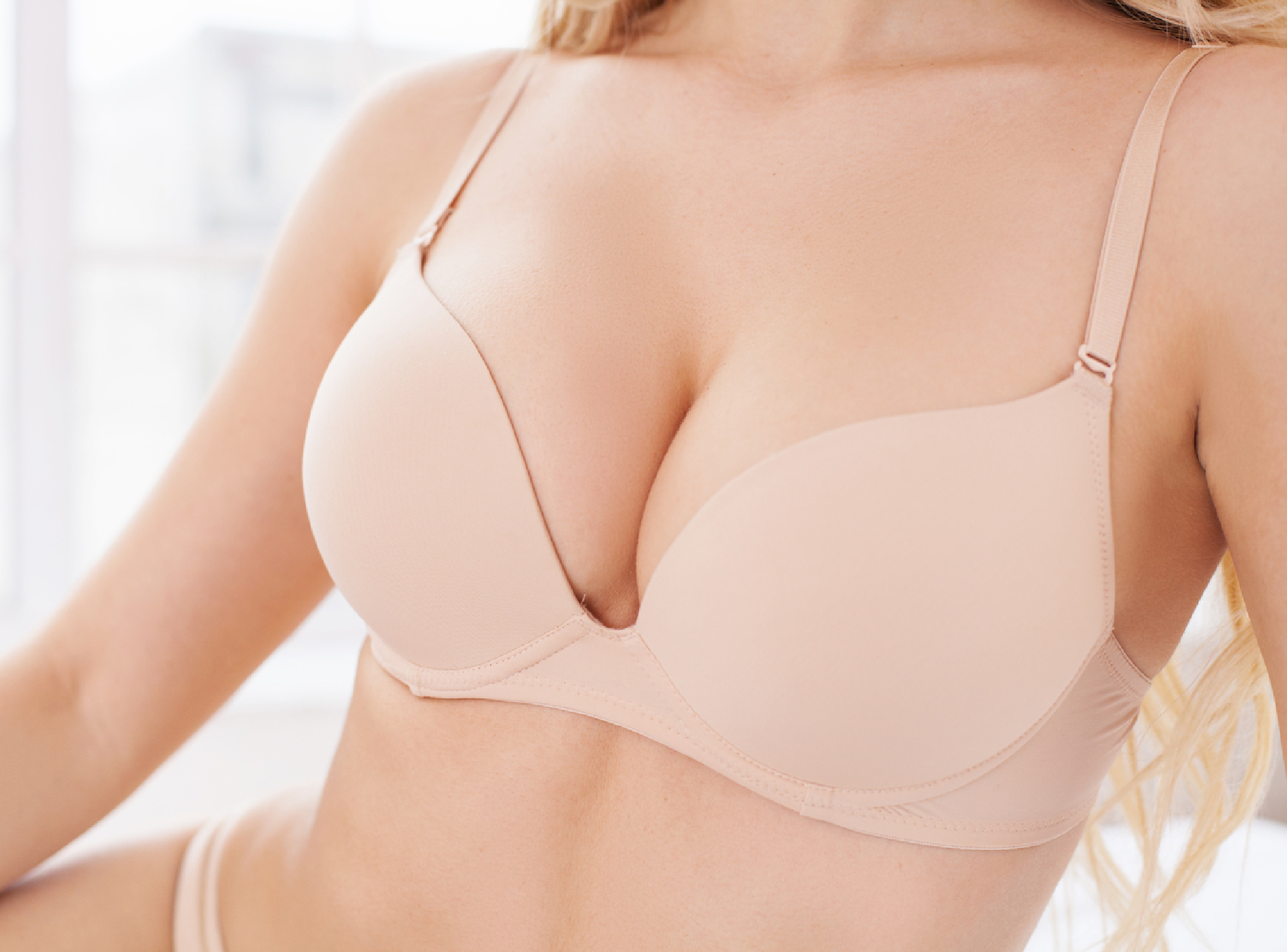
Choosing the implant pocket is one of the most crucial choices we make as plastic surgeons in Dubai when performing breast augmentation surgery. This decision has a significant impact on the likelihood of complications as well as the final aesthetic outcome. Over time, our knowledge of pocket options has grown significantly, and we now have a number of methods at our disposal, each with unique benefits and drawbacks. Understanding these surgical options enables patients thinking about breast augmentation in Dubai to have reasonable expectations and a tailored strategy for getting the results they want.
Breast Augmentation In Dubai
The goal of breast augmentation in Dubai is to improve the breasts’ overall appearance, size, and shape. Dr. Perfect Celebrity tailors the procedure at Perfect Doctors Clinic to each patient’s anatomy, lifestyle, and aesthetic preferences. A thorough consultation is the first step in the procedure, during which the types of implants (silicone or saline), size options, and the best location under or over the chest muscle are discussed. Preoperative planning also involves measuring the chest size and skin elasticity to ensure natural-looking results. Advanced surgical techniques are employed to optimize implant positioning, minimize scarring, and shorten recovery time. In order to guarantee safe healing and long-lasting outcomes, patients are given post-operative care instructions, including activity limitations and follow-up plans.
Breast Implants In Dubai
Breast implants in Dubai are designed to increase breast size and enhance shape using silicone or saline implants. It helps individuals achieve fuller, more proportionate breasts while addressing concerns like volume loss, asymmetry, or personal aesthetic goals. The procedure is highly customizable, allowing patients to select the implant size, shape, and placement that best fits their body type and desired outcome. Breast implant surgery is performed by experienced plastic surgeons who use advanced techniques to ensure safety, natural-looking results, and long-term satisfaction. Comprehensive consultations and post-operative care contribute to a smooth recovery and help patients gain confidence and improve body harmony.
Breast Implant Pocket Options
Subglandular Placement
The implant is positioned directly beneath the breast gland but above the pectoral fascia in the subglandular pocket, which was initially defined by Cronin and Gerow in the early nineteen sixties. It’s a simple procedure that usually leads to less discomfort after surgery and more natural breast movement. This option can yield excellent results for the right patient, especially those with sufficient soft tissue coverage. However, it may result in palpable or visible implants and, in certain situations, an increased risk of capsular contracture in patients with thinner tissue.
The subglandular pocket method is typically preferred by surgeons performing Mia Femtech in Dubai because it supports faster recovery times and is in line with the minimally invasive approach of Mia Femtech. For qualified candidates looking for quick and efficient breast enhancement, this preference minimizes scarring and postoperative recovery time while preserving the natural breast aesthetics.
Submuscular (Subpectoral) Placement
The implant is positioned beneath the pectoralis major muscle in a submuscular, or subpectoral, placement. This method has been the go-to option for patients with less tissue coverage or those who are more likely to experience complications since it was first proposed by Dempsey and Latham in 1969. It has a lower incidence of capsular contracture, lessens implant visibility, and provides better upper pole coverage.
Conversely, the submuscular approach may result in a longer recovery period and, in certain situations, animation deformity, in which the implant clearly moves in response to muscle contraction.
Subfascial Placement
A compromise is provided by Graf’s1999 introduction of the subfascial technique. Our goal is to combine the natural movement of the subglandular approach with the advantages of submuscular implant coverage by positioning the implant beneath the pectoral muscle’s fascia but above the muscle itself. This approach has shown promise, especially for patients who wish to avoid the drawbacks of full muscle coverage and have moderate tissue thickness.
Dual Plane Technique
Our options were further improved by Tebbetts’ 2000 introduction of the dual plane technique. With this method, the implant is positioned directly beneath the breast tissue in the lower pole and partially beneath the muscle in the upper part of the breast. This hybrid approach is particularly beneficial for patients with mild ptosis or glandular tissue asymmetries because it gives greater control over implant positioning and shape, especially in the lower pole.
Dual Plane Subfascial Technique
The dual plane subfascial technique, which combines the advantages of subfascial dissection with the dual plane approach, has emerged more recently. This entails forming a fasciocutaneous flap, improving soft tissue coverage (particularly beneficial for patients who are thinner), and lowering the possibility of implant palpability. This method is becoming popular for both revision cases and primary augmentations.
Factors Influencing Pocket Selection
We need to consider a number of patient-specific factors when choosing the right pocket. The best course of action depends on a number of factors, including the thickness of the patient’s existing breast tissue, the size and type of the implant, the patient’s lifestyle (especially if they are athletes), and the existence of any pre-existing breast deformities. Since every patient is unique, our approach must take that into account.
Complications And Considerations
There are risks associated with each type of pocket. Even though subglandular placement is easier, it may cause rippling and greater implant visibility. Despite being protective against those problems, submuscular placement may be linked to animation deformity. In revision cases, newer techniques such as the neopectoral pocket are helpful, especially when we need to realign implants that were initially positioned in less-than-ideal planes.
Choosing an implant pocket is ultimately a personal choice. Aligning surgical strategy with aesthetic goals necessitates careful patient discussion, familiarity with available techniques, and a thorough understanding of anatomy. Our capacity to fine-tune and customize breast augmentation results only gets better as surgical techniques and technology develop, which is advantageous to both patients and surgeons.
How to Choose The Right Breast Implant Pocket For You
Breast augmentation is one of the most common cosmetic surgery procedures performed annually by plastic surgeons. And, while breast augmentation trends have shifted over time, it is still one of the most popular procedures at Perfect Doctors Clinic. The decision to undergo breast augmentation, like any other cosmetic surgery procedure, can be daunting—how do you even choose a size? A profile? And, in this day and age, an implant manufacturer? While it is a significant commitment, it is actually a series of smaller, more deliberate decisions that shape your final outcome.
One of the most important decisions we’ll make during your consultation is whether to place the breast implant above or below your pectoralis major muscle.
The discussion and trends surrounding implant pocket placement have changed dramatically over the last few decades. What was once a one-size-fits-all approach has evolved into a nuanced discussion driven by advancements in implant technology, shifting aesthetic ideals, and, most importantly, individual patient goals and anatomy.
So, let’s break it down: what does it mean to go beneath the muscle? What are the advantages of staying above the muscle? And how do we decide what’s best for you?
BOOK AN APPOINTMENT TODAY
A Quick Anatomy Lesson: Over Vs. Under The Muscle
To begin, let’s define our terms. The “muscle” in question here is your pectoralis major, a large, fan-shaped chest muscle located just beneath your breast tissue.
Subglandular or subfascial implant placement involves placing the implant above the muscle, just behind the breast tissue.
When we talk about submuscular implant placement, the implant is partially under the pectoralis major muscle. Most submuscular augmentation techniques involve releasing the muscles’ lower border, allowing the breast implant to sit more naturally on the chest wall. This means that the lower portion of the implant is below the point where the muscle is released, leaving the implant covered only by breast tissue.
How The Implant Pocket Trend Have Shifted
Historically, breast implants were placed above the muscle. That worked well for many patients, particularly those who had plenty of natural breast tissue. However, over time, concerns about implant visibility and palpability arose, particularly in leaner patients. Submuscular placement provided patients with an extra layer of soft tissue coverage and, in some cases, a more natural upper pole transition.
Trends in plastic surgery fluctuate, as do most things. For years, the pendulum swung heavily toward submuscular placement—so much so that it became the norm. And this makes sense: most patients seeking breast augmentation have very little of their own breast tissue; therefore, most patients seeking breast augmentation would benefit from extra soft tissue coverage and thus submuscular placement. In my practice, submuscular placement of breast implants remains the most popular choice for many patients. However, I’ve recently noticed a resurgence in patients (and surgeons) considering above-the-muscle procedures. Why? Less muscle disruption, no chance of animation deformity, and greater compatibility with newer implant technologies.
However, this is not a blog post about trends. It’s about deciding what’s right for you.
The 4 Decisions In Every Breast Augmentation Consultation
In my Dubai practice, when I meet with a patient for a breast augmentation consultation, we go over four major decisions together:
- Incision location
- Pocket placement (above or below the muscle)
- Implant type (saline versus silicone)
- Implant size and profile.
Each of these options is customized. There is no universal “right answer.” My role as your surgeon is to carefully listen to your objectives, examine your specific anatomy, and make recommendations based on experience, safety, and long-term satisfaction.
To help us answer these questions, I look at a number of key anatomical features:
- Quantity and quality of natural breast tissue
- Degree of upper pole fullness
- Skin laxity or tightness
- Location of the nipple on the chest wall
- The presence of pseudo-ptosis (bottoming out of the breast)
- Definition and thickness of the pectoralis muscle.
- Your athletic life or profession
MEET THE EXPERT DOCTOR
Best Plastic Surgeon In Dubai For Breast Augmentation
Best Plastic Surgeon In Dubai for breast augmentation is available at Perfect Doctors Clinic, under the direction of Dr. Perfect Celebrity, who has years of experience performing breast augmentations that blend artistry, safety, and accuracy. Dr. Perfect Celebrity’s strategy prioritizes customized treatment regimens with an emphasis on patient comfort, reasonable expectations, and the best possible results. Advanced surgical techniques are used during the procedure to minimize complications like implant displacement or capsular contracture. Perfect Doctors Clinic guarantees that patients will receive beautiful, natural-looking results with long-lasting implants that are proportionate to their body frame by balancing the technical and aesthetic aspects of breast augmentation.
The Role Of Implant Technology
Another piece of the puzzle: modern breast implant technology has come a long way. Today’s silicone implants are highly cohesive, which means they maintain their shape and ripple less, making over-the-muscle placement a more viable option for more people than it was ten to fifteen years ago.