





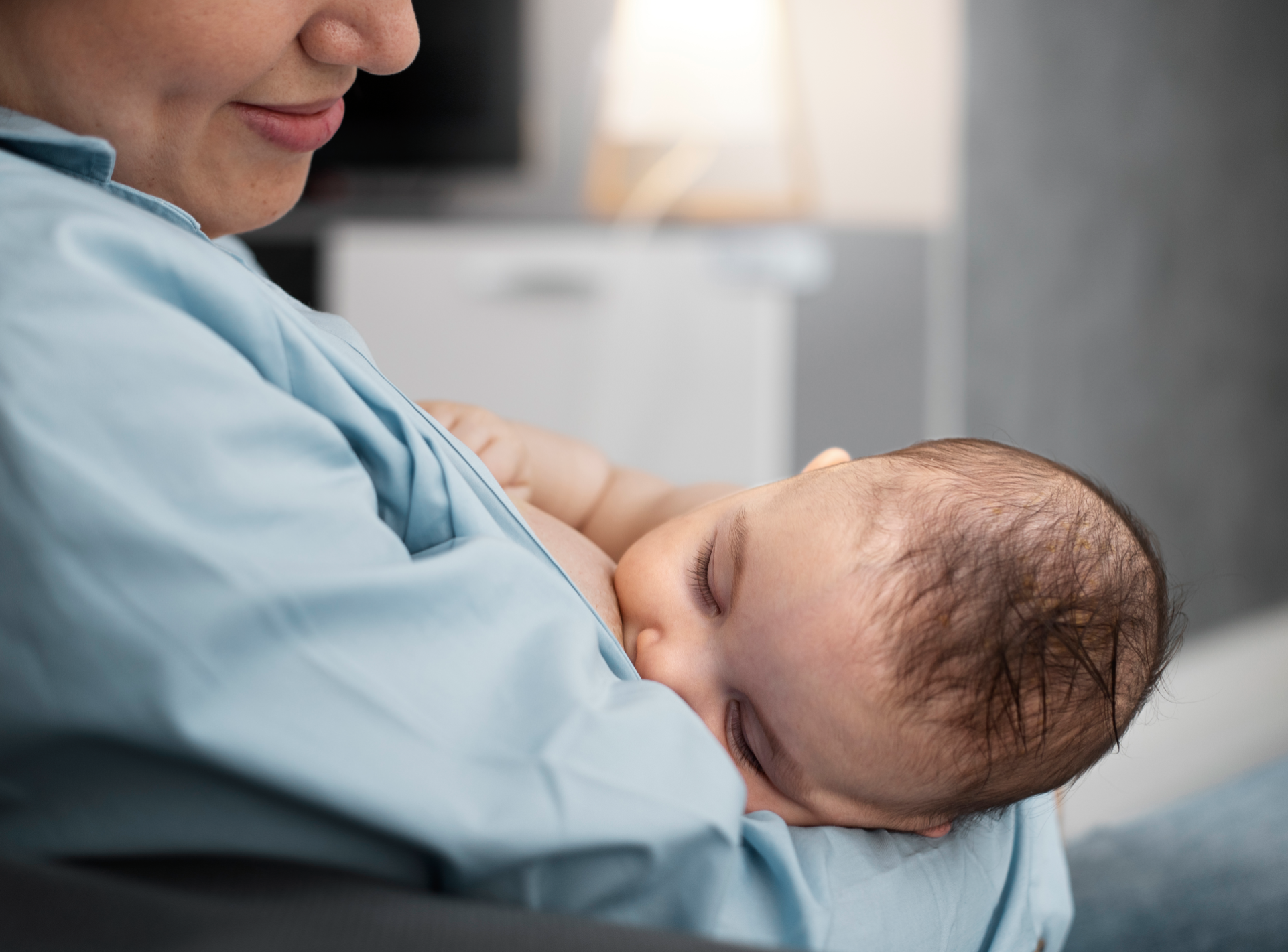
Breast augmentation can be an important consideration for women who are planning pregnancy, have completed their families, or want to restore breast volume after childbirth and breastfeeding. Motherhood can change breast size, shape, firmness, and skin elasticity, which may influence both the timing and results of surgery. Understanding how pregnancy, breastfeeding, implant safety, recovery, and future body changes may affect breast augmentation helps patients make informed decisions. A personalized consultation allows women to discuss their goals, lifestyle, family plans, and expectations before choosing the most appropriate approach for balanced, natural-looking results.
Breast Augmentation In Dubai
Breast augmentation in Dubai is a cosmetic surgical procedure designed to increase breast volume, improve shape, enhance symmetry, and create more balanced body proportions. The procedure usually involves placing breast implants beneath the breast tissue or chest muscle, although fat transfer may also be considered in suitable cases. Breast augmentation can help address naturally small breasts, volume loss after pregnancy or breastfeeding, uneven breast size, or changes caused by aging and weight fluctuations. At Perfect Doctors Clinic, Dr. Perfect Celebrity evaluates breast anatomy, skin elasticity, chest dimensions, existing tissue, and individual aesthetic goals before recommending a personalized treatment plan. Patients also receive detailed guidance regarding implant options, anesthesia, incision placement, recovery, scar care, activity restrictions, and follow-up to support natural-looking and proportionate results.
Impact of Breast Augmentation on Pregnancy and Breastfeeding
One of the main concerns of women thinking about breast augmentation is how the surgery would influence their capacity to get pregnant in the future and to breast-feed. It is vital to note that breast augmentation itself does not affect fertility or the ability to physically carry a pregnancy. However, the location of the implants can affect breastfeeding depending on the surgical method employed.
Implant Placement and Technique
The most common placements for implants are submuscular (underneath the pectoral muscle) or subglandular (above the pectoral muscle but below the breast tissue). However, because the submuscular location disturbs the glandular tissue and nerves that are important for breastfeeding less, it is less likely to disturb breastfeeding. Subglandular placement is less disruptive to the muscle structure but may be more likely to harm milk ducts and nerves, depending on the site of the incision.
Type of Incision
Periareolar incision goes around the edge of the areola and is more likely to lead to problems with breastfeeding than other types of incisions such as inframammary (below the breast fold) or transaxillary (through the armpit). This is because it can cause harm to the milk ducts that surround the areola. If you think you might want to breastfeed in the future, let your surgeon know. You can work together to reduce your chance of having problems with nursing following the procedure.
Implant Type and Breastfeeding
Saline and silicone breast implants are safe for moms who are breastfeeding and their infants. There is no indication that either type of implant material is dangerous when breastfeeding, as the implants are made not to leak. Extensive research has also demonstrated that the presence of breast implants does not impact the quality and quantity of breast milk.
Breast Sensation and Milk Production
For some women, changes in breast feeling after surgery can influence their breastfeeding experience. Most sensory nerves will return to normal over time. If any alterations persist, discuss them with your healthcare professional. Breast augmentation generally does not affect the ability to make milk; however, it might vary from person to person depending on the surgical procedures and individual anatomy.
Women seeking breast augmentation should carefully discuss their goals for future pregnancy and breastfeeding with their plastic surgeon. The majority of women who wish to breastfeed following a breast augmentation are able to do so, with the correct surgical techniques and a knowledge of the possible consequences.
BOOK AN APPOINTMENT TODAY
Safety Considerations for Future Mothers
Safety is a crucial consideration when considering breast augmentation, particularly for women who may wish to become pregnant in the future. It is important to understand the potential hazards and safety of the surgical operation and implants in planning for both immediate aesthetic enhancement and future family life.
Implant Safety Concerns
When women consider getting breast implants, they typically worry about the safety of the materials utilized. Both saline and silicone implants have been authorized by the FDA and are well investigated for safety. However, you should know and discuss the rare but probable dangers of implant rupture and capsular contracture with your physician. Rupture is a tear or hole in the implant shell. Capsular contracture is when uncomfortable scar tissue grows around the implant, potentially changing the shape of the breast. These disorders may require additional procedures but may not immediately impair fertility or pregnancy.
Surgical Risks and Anesthesia
As with any surgical procedure, breast augmentation is subject to general surgical risks such as infection, hemorrhage, or an unfavorable reaction to anesthesia. Careful health assessment and counseling before surgery will reduce these risks. For women who are expecting future pregnancies, it is especially crucial to understand how the timing of surgery may interact with their plans to have children.
Choosing the Right Surgeon and Facility
For the safest possible outcome, choose a board-certified plastic surgeon experienced in breast augmentation. A surgeon who cares about the safety of the patient and has good knowledge of the latest procedures and safety precautions can greatly reduce the risks of surgery. It is also important that the treatment be done in an accredited facility that follows strict safety regulations.
Breast augmentation is a safe operation for many women; however, ladies who want to become pregnant in the future need to be particularly careful in their planning and consultation. This allows for the desired cosmetic results and for the long-term health and safety of the mother.
Post-Pregnancy and Augmentation: What to Expect
Pregnancy can bring about changes that can be concerning to many women who have had breast augmentation, especially in terms of how those changes might impact the look of their breasts. Knowing what to expect after and after nursing will help you set realistic expectations and plan for potential changes or interventions.
Changes in Breast Tissue and Volume
Pregnancy can cause natural changes to the breasts, such as an increase in size and changes in shape, due to hormonal changes. These alterations may persist during lactation and may not return to pre-pregnancy status when the woman stops nursing. Women with implants may notice more dramatic changes, like greater drooping or asymmetry. The temporary increase in breast size during pregnancy and breastfeeding can also change the initial effects of breast augmentation as the skin and tissues are able to expand to fit the new-sized breasts.
Potential for Revision Surgery
These modifications may result in some women feeling that their post-pregnancy breasts look very different from their post-augmentation appearance. In these circumstances, you may need a breast lift or a revision augmentation to restore the breasts to a more youthful contour or to change the implant size and shape to better accommodate the new breast tissue dynamics.
Consultation and Planning
For women, it is vital to communicate their long-term aesthetic goals with their plastic surgeon before their first augmentation and after motherhood. A thorough consultation will help set realistic expectations for how pregnancy might affect enhanced breasts and what would be required post-pregnancy to preserve or restore aesthetic objectives.
Monitoring and Maintaining Results
Regular follow-up with a plastic surgeon after pregnancy helps to evaluate the changes in breast augmentation and arrange any treatments if required. This proactive strategy allows for prompt interventions and can help to preserve the intended aesthetic outcomes over time.
Breast augmentation does not prevent women from experiencing normal bodily changes that happen with pregnancy, but being educated and prepared for future post-pregnancy adjustments can help increase satisfaction with long-term cosmetic results.
Breast augmentation is a major decision, especially for women considering pregnancy. Choosing the right time for surgery, how it will affect pregnancy and nursing, safety, and what changes you could see after pregnancy are important concerns. Every woman’s circumstances are different; thus, tailored guidance from a knowledgeable plastic surgeon is crucial. At Perfect Doctors Clinic, we are committed to providing our patients with comprehensive, personalized consultations to assist them in making an informed decision consistent with their long-term health and aesthetic goals. We get you and understand the importance of setting realistic expectations and addressing common worries so that our patients feel supported and secure in their journey with us, before and after motherhood.
MEET THE EXPERT DOCTOR
Best Plastic Surgeon In Dubai For Breast Augmentation
Best Plastic Surgeon in Dubai for Breast Augmentation provides personalized surgical planning to enhance breast volume, shape, symmetry, and overall body proportions. Dr. Perfect Celebrity carefully evaluates breast anatomy, skin elasticity, chest width, existing breast tissue, nipple position, and individual aesthetic goals before recommending the most suitable implant size, shape, profile, and placement. At Perfect Doctors Clinic, patients receive detailed guidance regarding preparation, anesthesia, incision options, implant selection, recovery, scar care, activity restrictions, and follow-up appointments. The procedure is customized to create balanced, natural-looking results that complement the patient’s figure without appearing overly artificial. Careful surgical planning and attentive postoperative support can also help improve comfort throughout recovery.