





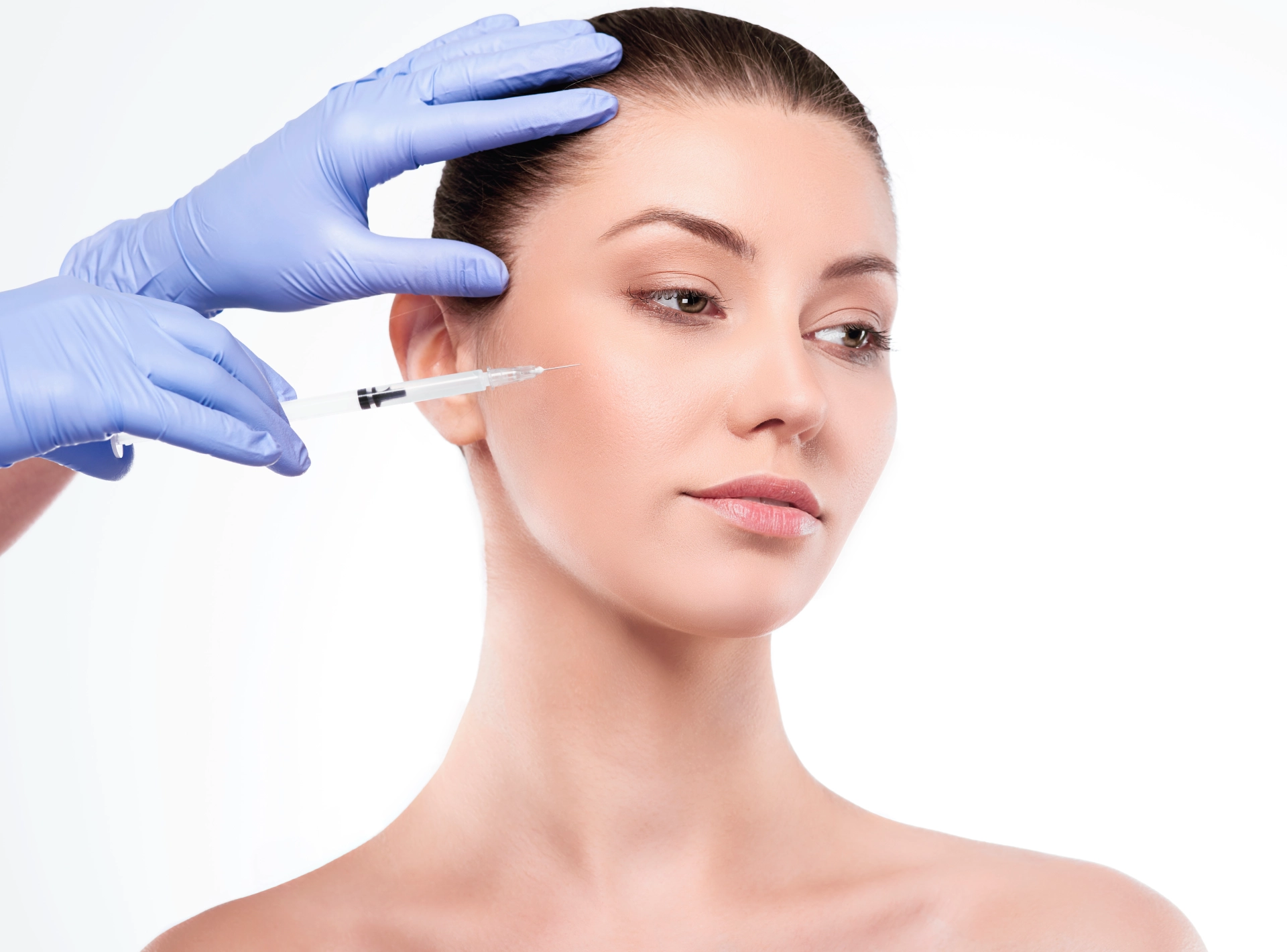
You might be excited to see the benefits of your Botox treatment, but it’s important to know what to expect throughout the recovery period.
You will probably see some changes right away, and the full results will be visible within around two weeks.
It’s important to know the aftercare advice that will help you get the most out of your therapy.
It’s very important not to touch or rub the regions that were treated while you heal.
You should also stay standing for a few hours following your appointment to make sure the Botox works as it should.
Many people select Botox as a cosmetic therapy because it can smooth out wrinkles and fine lines. It is a popular choice along with Dysport and Xeomin.
Plan to do very little physical activity for a few days after your treatment so that your body can mend correctly.
Whether you’re new to Botox or have used other choices like dermal fillers before, knowing how the healing process works can make a big difference in your results.
Following these tips can help you look better and feel better.
Botox In Dubai
Botox in Dubai is a popular non-surgical cosmetic treatment used to reduce fine lines and wrinkles, giving the skin a smoother and more youthful appearance. Understanding the recovery process helps patients achieve the best results while avoiding common mistakes. After the treatment, mild redness, slight swelling, or tiny bumps at the injection sites may appear, but these usually fade within a few hours. Most individuals can return to their daily routine immediately, making Botox a convenient option with minimal downtime. However, certain precautions are important for optimal results. Patients are advised to avoid touching or rubbing the treated area, lying down for at least 5 to 7 hours, and engaging in strenuous activities for the first day. It is also recommended to avoid alcohol and excessive heat exposure, such as saunas or sunbeds, for a short period. Results typically start to appear within a few days and continue to improve over one to two weeks. Following proper aftercare and maintaining a healthy skincare routine play a key role in achieving long-lasting and natural-looking outcomes.
Understanding The Botox Procedure
It’s important to know what Botox is and how it works before you think about getting it. Knowing this helps you set realistic goals and get ready for the treatment.
Botulinum Toxin And How It Works
Clostridium botulinum is a bacteria that makes botulinum toxin, a protein that is harmful to nerves. When injected into certain muscles, it stops nerve signals from getting through, which makes those muscles momentarily paralyzed. This motion makes fine lines and wrinkles on the face, especially around the forehead and eyes, look less noticeable.
Most of the time, each treatment just takes 12 to 16 minutes, which is great for people with hectic schedules.
You might feel a little sting at the injection site, but most people say the pain is not bad. The effects normally show up within a few days and can linger for months, depending on the person.
Differences Between Botox, Dysport, And Xeomin
Even though all three do the same thing, the way they are made is a little different.
- People know that Botox works well on wrinkles on the face.
- Dysport is thinner and may spread more easily, which makes it better for larger areas.
- Some people think that the fact that Xeomin doesn’t have any extra proteins in it might lower the danger of becoming resistant to the medication.
Your option may depend on the regions you wish to treat and what your provider says.
Target Areas For Treatment
People often use Botox to treat different parts of the face. The most common places are:
- Forehead lines: Smooths out horizontal lines that show up when you make facial gestures.
- Crow’s feet: Lessens lines around the outer corners of the eyes.
- Frown lines: Gets rid of vertical lines between the eyebrows.
Botox has medicinal uses in addition to cosmetic ones. It can assist with things like chronic migraines and an overactive bladder. Botox is a popular choice for both cosmetic and health reasons because it can be used in so many ways.
BOOK AN APPOINTMENT TODAY
Immediately After The Treatment
After getting Botox, it’s crucial to take care of yourself afterward to get the best results. You might have some side effects, like swelling, bruising, or redness. You will heal more quickly if you know how to deal with these consequences and what activities to avoid.
Post-Injection Care
It’s really important to take care of your skin in the first few hours after getting Botox. Don’t touch or rub the area that was treated, and keep it clean. This stops the Botox from spreading.
You should also keep standing for at least three to four hours. Lying down can make it more likely that the Botox will travel to places you don’t want it to.
It is also a good idea to avoid hard work to keep your heart rate stable.
Gentle movements of the face might help the Botox spread out evenly. Don’t drink alcohol for at least one day after the treatment because it can make bruising more likely.
Managing Common Side Effects
After getting Botox, it’s normal to have some small side effects. At the injection locations, you can see some bruising, swelling, or redness. Most of the time, these effects don’t last long.
Putting a cold compress on the area can assist with swelling and pain.
Don’t massage or put pressure on the area that was treated, as this could make the Botox move.
If you have a bruise, remember that it normally goes away in a week or two. Call your doctor if you notice any strange symptoms, like extreme pain or side effects that last a long time.
Activities To Avoid
You should stay away from some things shortly after getting Botox.
For at least a day, you shouldn’t do any hard exercise. Heavy exercise might make blood flow faster and change the Botox.
Also, don’t drink alcohol for roughly a day after your therapy. Drinking alcohol might make your blood thinner and make bruises more visible.
Also, for at least a day, you should stay away from any drugs that could make you bleed more, including aspirin or ibuprofen. If you follow these steps, your rehabilitation will go more smoothly and your treatment will work better.
Botox Aftercare And Recovery
Your aftercare is very crucial after getting Botox to make sure you get the best outcomes and have the fewest problems. Knowing your daily routine, how to avoid problems, and how to get the best results can make a big difference in your rehabilitation.
Daily Skin And Aftercare Routine
Don’t touch or massage the areas that were treated for the first few hours after your treatment. This stops Botox from getting to muscles that it shouldn’t.
You should keep your head up and not lie down for the rest of the day. This stance helps keep the Botox in the right places.
You can use cold compresses to make any swelling or redness go down. Don’t put on makeup for at least a day. After this period, utilize products that are soft and don’t have any harsh chemicals.
Keep doing what you normally do for your skin, but talk to your provider if you have any questions.
Preventing And Addressing Complications
You should know about any problems that could happen after Botox. Swelling, redness, and small bruises are some of the most common side effects. Using ice can assist with these symptoms.
Call your provider straight away if you have a bad headache or your eyelids are drooping. Don’t do any hard exercise for a day because it can make the swelling worse and move the Botox around.
Follow all of your doctor’s aftercare recommendations to the letter. Keeping track of your symptoms can help you deal with problems before they get worse.
Optimizing Long-Term Outcomes
Wait 12 to 15 days to see the full effect of the treatment for the best outcomes. During this time, don’t have facials or other skin treatments. These things can mess with the Botox.
After the first recuperation time is finished, think about how frequent Botox injections can help you in the long run. You can keep the look you want by making your next appointment based on how your last one went.
Also, keep your skin safe from the sun. Use sunscreen to keep the treated areas looking their best.
Following the same aftercare practice every time can give you results that last and are pleasurable.
Potential Risks And When To Seek Medical Attention
Botox treatments are usually safe, but like any medical procedure, there are some dangers involved. Knowing about these hazards and being able to spot bad reactions is highly important for your safety and recovery.
Recognizing Adverse Reactions
You should keep an eye out for any bad reactions after your Botox treatment.
Redness, swelling, and bruising at the injection sites are common adverse effects. Most of the time, these symptoms go away on their own in a few hours or days.
But if you observe signs of infection, such more redness, warmth, or pus, you should go to the doctor.
Breathing problems, slurred speech, or sudden changes in eyesight are more serious signs. These could be signs of botulism, an uncommon but serious reaction in which the neurotoxin spreads across your body.
If you have any of these symptoms, you should see a doctor right once.
Understanding Rare Conditions
In very rare circumstances, Botox might cause major problems.
Most people do well with the medication, but some may have allergic responses or problems that make it hard to regulate their muscles. These can include ongoing weakness in the area that was treated, trouble swallowing, or not being able to control your bladder.
You need to stay on guard in the days after your therapy.
If your symptoms get worse or you have severe headaches, changes in vision, or numbness that lasts a long time, you should visit a doctor very away.
Taking care of these problems right now can help stop them from getting worse.
Average Recovery Time Botox
The average recovery time after Botox is very short compared to other cosmetic treatments. Most people recover within 1 to 2 days. Minor side effects like redness or swelling may appear initially but fade quickly. Full results develop gradually over three to seven days, giving a smooth and natural appearance.
Stages Of Healing After Botox
Healing after Botox happens in simple stages. First, there may be slight redness or small bumps at injection points. Within hours, these usually disappear. Over the next few days, the injected muscles start to relax. By the end of one week, the full effect becomes visible with improved skin smoothness.
MEET THE EXPERT DOCTOR
Swelling, Bruising, And Scarring After Botox
Swelling and mild bruising are common but temporary after Botox injections. They usually appear around treated areas and resolve within a few days. Scarring is extremely rare because the procedure uses very fine needles. Proper aftercare, like avoiding pressure and heat, helps reduce swelling and supports faster healing.
Downtime For Desk Jobs After Botox
Botox requires almost no downtime, especially for desk jobs. Most people can return to work the same day or within a day. However, it’s important to avoid rubbing the face or doing heavy workouts immediately. Following simple precautions ensures better results while maintaining normal daily routine without interruption.
Best Aesthetic Clinic In Dubai For Botox
Best Aesthetic Clinic in Dubai for Botox should offer experienced practitioners, high-quality products, and personalized care to ensure safe treatment and effective results. Choosing the right clinic is important for both the outcome and the recovery experience. Perfect Doctors Clinic is known for providing professional aesthetic treatments with a focus on patient safety and satisfaction. A reputable clinic begins with a detailed consultation to understand the patient’s goals and assess facial structure before recommending the appropriate Botox dosage and injection areas. Patients are also guided on post-treatment care, including what to expect during recovery and how to maintain results for a longer period. The clinic ensures strict hygiene standards and uses advanced techniques to minimize discomfort and reduce the risk of side effects. Follow-up support is often provided to monitor results and make any necessary adjustments. Selecting a trusted aesthetic clinic ensures a smooth Botox experience with natural-looking, refreshed results and minimal complications.